Suro Senen
After years of skepticism, internal prototyping, and intense industry speculation, Apple appears to have finally cracked the code for its inaugural foldable smartphone. According to a pivotal report from The Elec, the tech giant has successfully resolved the persistent hinge mechanism issues that had threatened to derail the device’s production schedule. With manufacturing tolerances now stabilized, mass production is reportedly slated to commence next month, keeping the highly anticipated "iPhone Ultra" on track for a high-profile September launch alongside the standard iPhone 18 Pro lineup.
The Engineering Gauntlet: Solving the Hinge Dilemma
The path to the foldable iPhone has been anything but smooth. In the world of folding hardware, the hinge is the "holy grail"—a component that must balance mechanical longevity, structural integrity, and aesthetic minimalism.
Sources close to the supply chain indicate that the primary roadblock for Apple was acoustic and mechanical consistency. During rigorous internal durability testing—where prototypes were subjected to millions of fold cycles—the hinge assembly reportedly produced an audible, inconsistent clicking noise. While minor to the average user, such a defect falls far outside the stringent quality control standards Apple demands for its flagship products.

Furthermore, early assembly runs revealed that manufacturing tolerances were wider than anticipated, leading to an unacceptable defect rate. In a high-stakes effort to refine the design, Apple engineers in Taiwan and Cupertino worked to recalibrate the assembly process. Recent reports suggest that these adjustments have been successful, with the refined hinge mechanism now passing durability benchmarks, effectively clearing the final hurdle for mass assembly.
A Chronology of Uncertainty
The timeline for the foldable iPhone has been a moving target, reflective of Apple’s "perfectionist" approach to entering new product categories.
- Early 2026: Initial rumors of a foldable iPhone began to circulate, with industry analysts speculating on whether Apple would prioritize a clamshell design or a book-style tablet hybrid.
- March 2026: The narrative took a pessimistic turn when Bloomberg’s Mark Gurman reported that the foldable project faced significant delays, casting doubt on a 2026 release and suggesting the device would not appear alongside the iPhone 18 series.
- April 2026: The discourse shifted again as reports suggested Apple had successfully streamlined its development pipeline, placing the foldable back on the radar for a late-year release.
- June 2026: The Elec confirmed that the critical hinge production issues had been resolved, with the supply chain now fully prepared for a July ramp-up of components.
This oscillating timeline highlights the tension between Apple’s desire to be first in quality and the market pressure to catch up to competitors like Samsung and Google, who have already iterated through several generations of foldable hardware.
Under the Hood: What We Expect from the "iPhone Ultra"
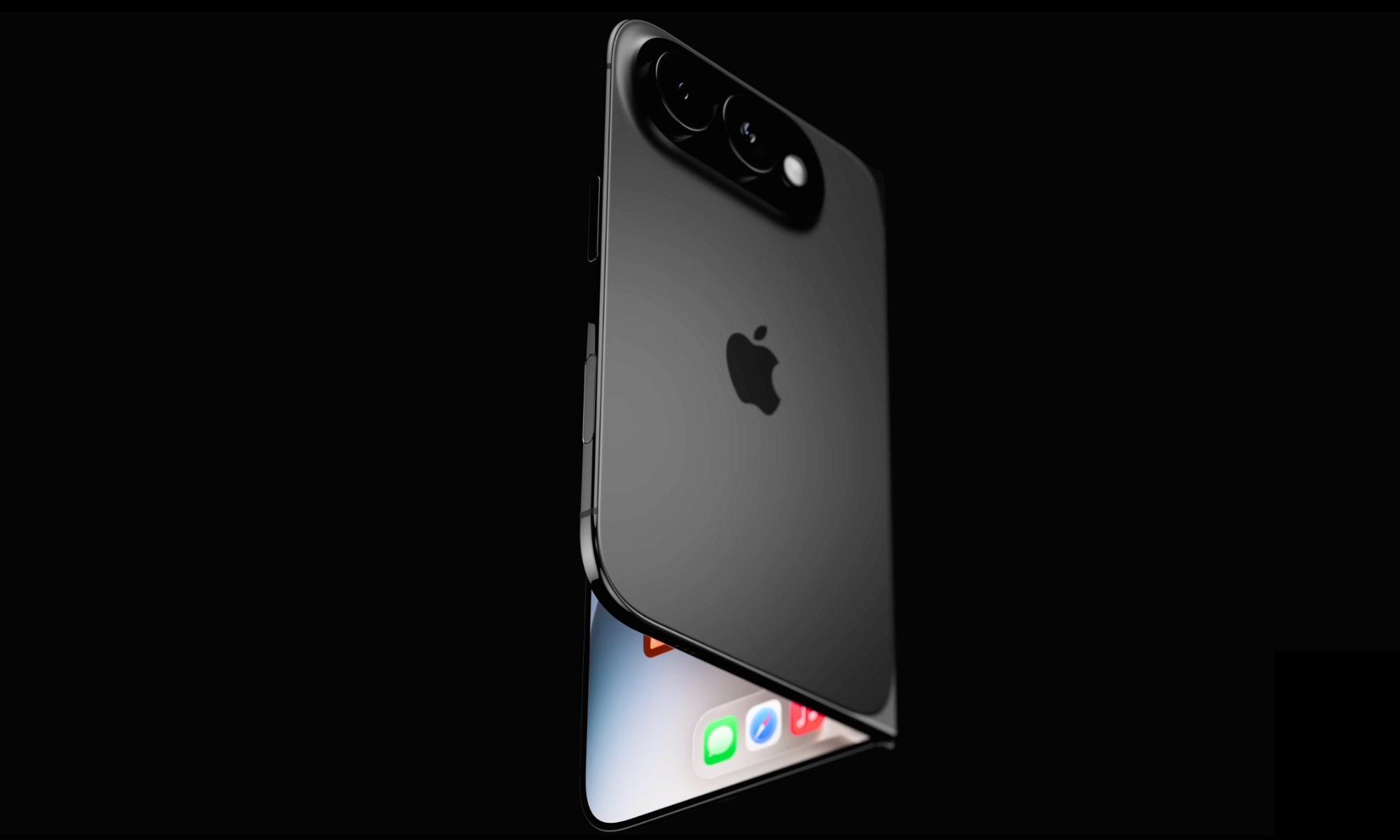
While Apple has maintained its trademark silence regarding the upcoming device, a clear picture has emerged from leaks and supply chain disclosures. The device, which many are referring to as the "iPhone Ultra," is expected to be a premium, high-margin product that showcases the best of Apple’s display and silicon technology.
Display Technology
The device is rumored to feature a stunning 7.8-inch foldable OLED panel, supplied by Samsung. A key innovation in this display is the integration of the color filter directly into the panel architecture. By eliminating a separate layer, Apple aims to reduce the overall thickness of the display stack—a critical design choice for a foldable device that needs to feel ergonomic when closed.
Hardware Specifications
- Processor: The device will likely be powered by the A20 chip, Apple’s most advanced silicon to date, designed to handle the intensive multitasking demands of a larger, folding screen.
- Modem: A cutting-edge C2 modem is expected to ensure best-in-class connectivity.
- Biometrics: In a departure from the standard iPhone Face ID suite, the foldable is rumored to utilize a power button with an integrated Touch ID sensor. This is a pragmatic choice, as the ergonomics of a folding device can make traditional Face ID scanning awkward depending on how the user is holding the phone.
- Camera System: Initial leaks point to a dual-camera rear array, focusing on high-quality optics rather than the quad-lens systems found on the top-tier Pro Max models, likely to save space for the complex folding hinge mechanics.
The Market Implications: Challenging the Status Quo
The entry of Apple into the foldable market is not merely a product launch; it is a potential industry pivot. For years, the foldable category has been considered a "niche" segment for enthusiasts, plagued by concerns over screen creasing, hinge durability, and software optimization.

Setting the Gold Standard
If Apple executes its launch successfully, it will likely set a new benchmark for durability. By delaying its entry to solve the "hinge noise" issue, Apple is signaling that it is not interested in being a pioneer of early, buggy hardware. Instead, they are playing the role of the "market stabilizer." If the iPhone Ultra arrives with a near-invisible crease and a robust hinge, it could trigger a mass migration of users from traditional slabs to foldables, finally bringing the form factor into the mainstream.
Pricing and Positioning
With expected pricing around the $2,000 mark, the iPhone Ultra will be positioned firmly in the "Ultra-Premium" segment. This is a strategic move to insulate the product from the core iPhone 18 Pro sales while providing a "halo" product that defines the absolute pinnacle of what an iPhone can be.
The Software Factor: The Invisible Challenge
While hardware gets the headlines, the true test for Apple will be iOS. A foldable device is only as good as the software that powers it. We expect to see a specialized version of iOS—perhaps dubbed "foldableOS" or a deeply integrated iPadOS-lite—that allows for seamless app handoffs between the 5.5-inch cover screen and the 7.8-inch main display.

Apple’s ecosystem, which includes the seamless integration of Mac, iPad, and Apple Watch, is arguably the company’s greatest asset. If the foldable iPhone can leverage this ecosystem—for example, by acting as a secondary display for a MacBook or allowing complex drag-and-drop multitasking—it will instantly leapfrog the competition.
Conclusion: A New Era for the iPhone
The decision to push forward with mass production for a September launch is a testament to the progress made in Cupertino’s labs. While the foldable market is already crowded with devices from Samsung, Google, and OnePlus, Apple has historically excelled at entering markets late and defining the standard for the user experience.
As July approaches, all eyes will be on the component suppliers. If the machines in Taiwan and Korea begin churning out these hinges at volume without the previous defects, it will be the clearest signal yet that the "iPhone Ultra" is ready to change how we interact with our mobile devices. For Apple, this isn’t just about selling a new phone; it’s about proving that the folding form factor has finally come of age.
If the rumors hold, come September, the landscape of the smartphone industry will be permanently altered, and the humble hinge—once the source of so much frustration—will be the centerpiece of the most important product launch in a decade.


 Azzam Bilal Chamdy
 Jia Lissa