Jia Lissa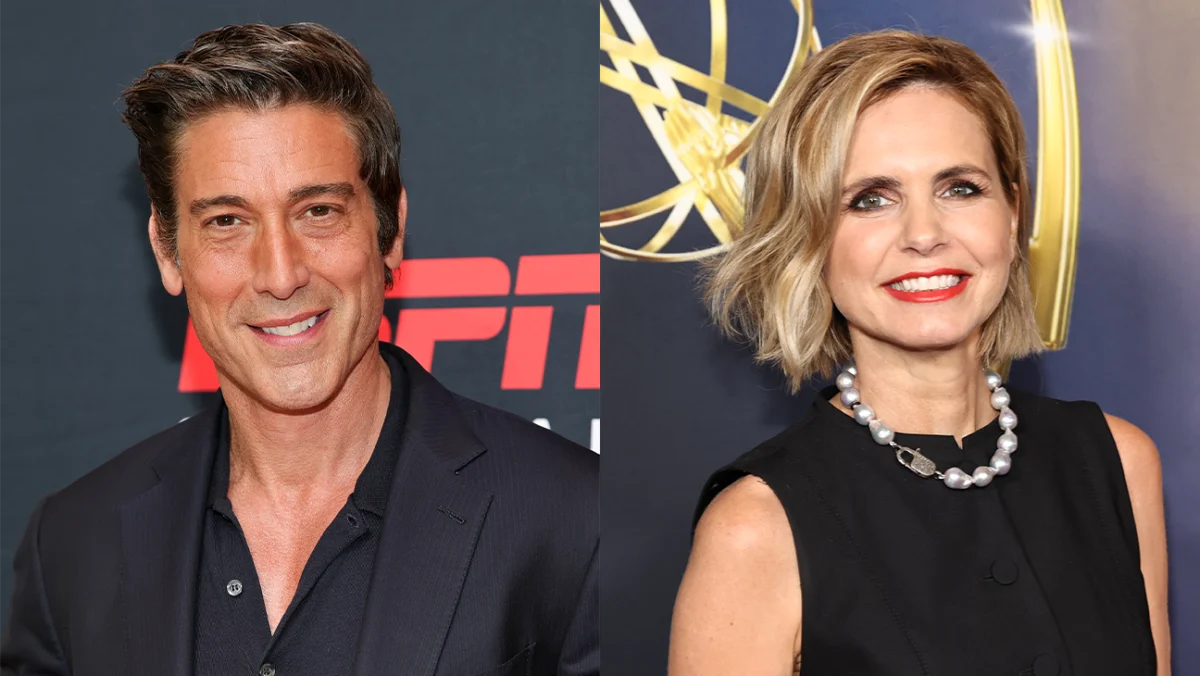
The landscape of modern journalism was placed under the spotlight this Wednesday as the National Academy of Television Arts & Sciences (NATAS) hosted the first night of the 2026 News & Documentary Emmy Awards. Held at the prestigious Frederick P. Rose Hall at New York City’s Jazz at Lincoln Center, the ceremony served as a powerful reminder of the vital role broadcast and digital media play in an increasingly complex global information ecosystem.
With comedian and host Amber Ruffin presiding over the festivities, the evening celebrated the grit, technical precision, and unwavering commitment of journalists who serve as the "torchbearers for the public right to know." While the documentary categories await their turn on Thursday, Wednesday night’s proceedings cemented the dominance of industry titans and highlighted the evolving nature of long-form and live reporting.
The Vanguard of Reporting: Top Winners of the Night
The 2026 ceremony saw a significant haul for ABC News, which emerged as the evening’s primary powerhouse. The network secured a total of eight Emmys, anchored by the prestigious win for ABC World News Tonight with David Muir, which was named Outstanding Live News Program. This win underscores the network’s continued influence in the daily news cycle, maintaining a standard of excellence that keeps millions of viewers informed nightly.
Not far behind in terms of creative impact was National Geographic’s Trafficked with Mariana van Zeller. The investigative series, produced in collaboration with Muck Media, proved to be an unstoppable force, taking home seven Emmys. The series’ success reflects a growing audience appetite for deep-dive, immersive investigative journalism that explores the shadowy corners of global illicit trade, ranging from black market love to the dangerous underground world of street racing.
CNN Worldwide also maintained a robust presence, securing four awards. Among its notable victories was the win for The Whole Story with Anderson Cooper in the Outstanding Recorded News Program category, further cementing the network’s pivot toward high-production-value, narrative-driven journalism that transcends the traditional "breaking news" format.
Chronology of the Ceremony
The evening began with an air of anticipation as industry professionals, correspondents, and producers gathered in Manhattan. The program moved at a brisk pace, designed to honor the sheer volume of high-quality reporting produced over the last year.
- Opening Remarks and The Spirit of the First Amendment: The evening’s tone was set by NATAS President and CEO Adam Sharp, whose opening address framed the event not just as an awards ceremony, but as a defense of democratic values.
- The Lifetime Achievement Honors: A poignant moment occurred when ABC’s Debra O’Connell took the stage to present the lifetime achievement honors to Martha Raddatz. Raddatz, a stalwart of ABC News and a Peabody-winning correspondent, was recognized for a career defined by fearless reporting in conflict zones and an unwavering commitment to the human stories behind geopolitical headlines.
- Presentations and Awards: Throughout the night, the stage featured a star-studded lineup of presenters, including figures from Bloomberg, NBC News, CBS News, and independent digital outlets. The presenters represented the diversity of the modern newsroom, from seasoned veterans like Bill Owens to digital innovators like YouTube’s Johnny Harris.
- The Conclusion of Night One: The event concluded with a look toward the upcoming Thursday ceremony, where the focus will shift entirely to the long-form documentary filmmaking that continues to push the boundaries of visual storytelling.
Supporting Data: A Breakdown of the Night’s Victories
The breadth of categories reflected the diversity of modern media—from short-form investigative packages to complex, multi-year documentary projects.
News Programming and Live Coverage
ABC News dominated the live category, with ABC World News Tonight with David Muir and the ABC News Special Report on the U.S. Army’s Grand Military Parade securing top honors. CBS News’ 60 Minutes continued its historic streak, winning for "The Fires" (Extended Breaking News Coverage) and "The War in Gaza" (Hard News Report: Short Form).
Investigative and Specialized Reporting
The investigative landscape was marked by collaborative efforts. Frontline (PBS), in partnership with The Washington Post and Bellingcat, took home the award for Outstanding Investigative Coverage (Long Form) for "Strike On Iran: The Nuclear Question." Meanwhile, The New York Times was recognized for its short-form work on the "DOGE Package."
Regional and Spanish-Language Excellence
The Academy placed a strong emphasis on regional and Spanish-language contributions. Noticias Telemundo was lauded for its coverage of the Los Angeles fires, while ProPublica and The Texas Tribune were recognized for their collaborative investigative efforts in "Sobreviviendo al CECOT."
Official Perspectives: The Role of the Torchbearer
The rhetoric surrounding this year’s awards focused heavily on the responsibilities of the press in an era of misinformation and skepticism. In his formal statement, Adam Sharp articulated the philosophical underpinnings of the awards:
"When the revolutionary generation put pen to parchment 250 years ago, they chose to align themselves to a vision of public freedom reinforced a decade later by the First Amendment. Generations of writers, publishers, and broadcasters have rightly joined together to push back ever since," Sharp stated. He further emphasized that journalists today are "torchbearers for the public right to know and to speak," highlighting that the work being honored is not merely content, but a vital component of a functional society.
This theme was echoed by the various winners, many of whom dedicated their awards to the subjects of their stories—often individuals in volatile regions or marginalized communities who take immense risks to speak truth to power.
Implications for the Future of Journalism
The results of the 2026 News & Documentary Emmys provide a clear roadmap for where the industry is heading. Several key trends emerge from this year’s list of winners:
1. The Rise of the "Recorded News Program"
With the success of The Whole Story with Anderson Cooper, it is evident that the distinction between "news" and "documentary" is blurring. Audiences are increasingly gravitating toward produced, narrative-led reporting that offers context, character development, and a cinematic aesthetic, rather than the rapid-fire, low-context format of traditional 24-hour news cycles.
2. Collaborative Journalism as the New Gold Standard
The prevalence of partnerships—such as the one between Frontline, The Washington Post, and Bellingcat—suggests that the most impactful investigations are now too complex for any single newsroom to tackle alone. These partnerships allow for a fusion of traditional journalistic rigor with advanced open-source intelligence (OSINT) and data-driven analysis.
3. The Digital Migration
The inclusion of independent creators and digital-first outlets like More Perfect Union and YouTube creators like Johnny Harris signifies that the Academy is recognizing the shift in how younger audiences consume news. The traditional "gatekeeper" model of television news is being supplemented, and at times challenged, by creators who utilize digital platforms to reach millions.
4. Continued Focus on Global Conflict
The presence of multiple awards dedicated to the war in Gaza, the situation in Iran, and the refugee crisis in Springfield, Ohio, underscores the media’s focus on international instability. These stories were not only recognized for their journalistic merit but for their technical excellence, with NBC News winning for their video journalism and editing on "Filmed In Gaza."
Conclusion: A Reflective Moment for the Industry
As the curtains closed on the first night at the Frederick P. Rose Hall, the mood among the attendees was one of both celebration and solemn reflection. The News & Documentary Emmys serve as a yearly audit of the industry’s health. While the accolades celebrate the winners, the breadth of the categories serves as a catalog of the world’s most pressing problems.
From the technical mastery displayed in live breaking news to the profound human empathy required to document the "Children of Gaza," the 2026 winners have proven that even in an era of rapid technological disruption, the fundamental human need for credible, verified, and deeply reported information remains the bedrock of democracy. As the industry looks toward the documentary-focused second night of the awards, the message remains clear: the torch has been passed to a new generation of journalists who are just as committed to the truth as those who held it 250 years ago.


 Iffa Jayyana
 Sagoh
Sagoh