Neng Nana
Tesla has reached a confidential settlement in a high-stakes wrongful death lawsuit that has served as a flashpoint in the ongoing debate over the safety and marketing of advanced driver assistance systems (ADAS). The case, which centered on the 2023 death of 71-year-old Johna Story in Arizona, represents a critical legal hurdle for the electric vehicle manufacturer as it continues to navigate intensifying scrutiny from federal regulators and the court of public opinion.
While the terms of the settlement remain sealed, the resolution brings an end to a case that was widely viewed as a test of how the legal system holds companies accountable for "autonomous" software that still requires human oversight.
The Incident: A Tragic Sequence of Events
The tragedy unfolded in 2023 under circumstances that highlighted both the unpredictability of road conditions and the limitations of current machine-vision technology. Johna Story, a 71-year-old grandmother, was involved in a minor traffic situation when she stepped out of her vehicle to assist in directing traffic around a separate collision.
The secondary incident, which was exacerbated by blinding sun glare—a known kryptonite for optical sensor suites—set the stage for a catastrophic failure. A Tesla Model Y, operating with the "Full Self-Driving" (FSD) software engaged, struck Story as she stood on the roadway. The impact was fatal, marking what is believed to be the first documented pedestrian fatality involving Tesla’s advanced FSD suite.
For the Story family, the lawsuit was never just about a singular moment of human error; it was an indictment of the technology that allowed the vehicle to remain in a state of high-speed automation despite the presence of a pedestrian in the path of the vehicle.
Chronology of a Legal Battle
The timeline of this case reflects the slow but steady grind of litigation against major tech-forward automotive entities:
- 2023: The collision occurs in Arizona. Following the incident, the Story family initiates a wrongful death lawsuit against Tesla, alleging that the vehicle’s software failed to detect the pedestrian or react appropriately to the low-visibility environment.
- Late 2023–2024: The National Highway Traffic Safety Administration (NHTSA) launches a formal investigation. The agency probes the efficacy of Tesla’s FSD in "reduced visibility" scenarios, including sun glare and adverse weather.
- 2025: Legal discovery proceeds, with the family’s legal team questioning Tesla’s internal testing protocols and the decision to release "Supervised" FSD to public roads.
- Mid-2026: Just as the case moves toward trial, news breaks via Bloomberg that Tesla has successfully negotiated a settlement, avoiding a public courtroom battle that would have required the company to disclose proprietary technical data.
The Technical Controversy: "Full Self-Driving" vs. Reality
At the heart of the legal dispute was the nomenclature of Tesla’s software. For years, the company marketed its high-end driver assistance feature as "Full Self-Driving," a term that critics—including safety advocates and regulators—argued created a "false sense of security" among drivers.
The Rebranding Effort
In response to mounting pressure from the California Department of Motor Vehicles and various class-action lawsuits, Tesla has since rebranded the software to "Full Self-Driving (Supervised)." The addition of the word "Supervised" serves as a legal buffer, emphasizing that the human driver remains responsible for the vehicle’s actions at all times. However, the Story family’s attorneys argued that the branding created an environment where drivers felt empowered to trust the car in situations where a human should have been significantly more vigilant.
The Sensor Suite Challenge
Unlike many competitors, such as Waymo or Cruise, which utilize a combination of LiDAR (light detection and ranging), radar, and cameras, Tesla has staked its entire autonomous strategy on "Tesla Vision"—a camera-only approach. The Arizona crash raised serious questions about whether camera-only systems can effectively distinguish between static obstacles and moving pedestrians under extreme lighting conditions like the sun glare reported in this case.
Federal Scrutiny and Safety Implications
The settlement of the lawsuit does not extinguish the regulatory fire burning at the federal level. The NHTSA’s investigation remains the most significant threat to Tesla’s current autonomous roadmap.
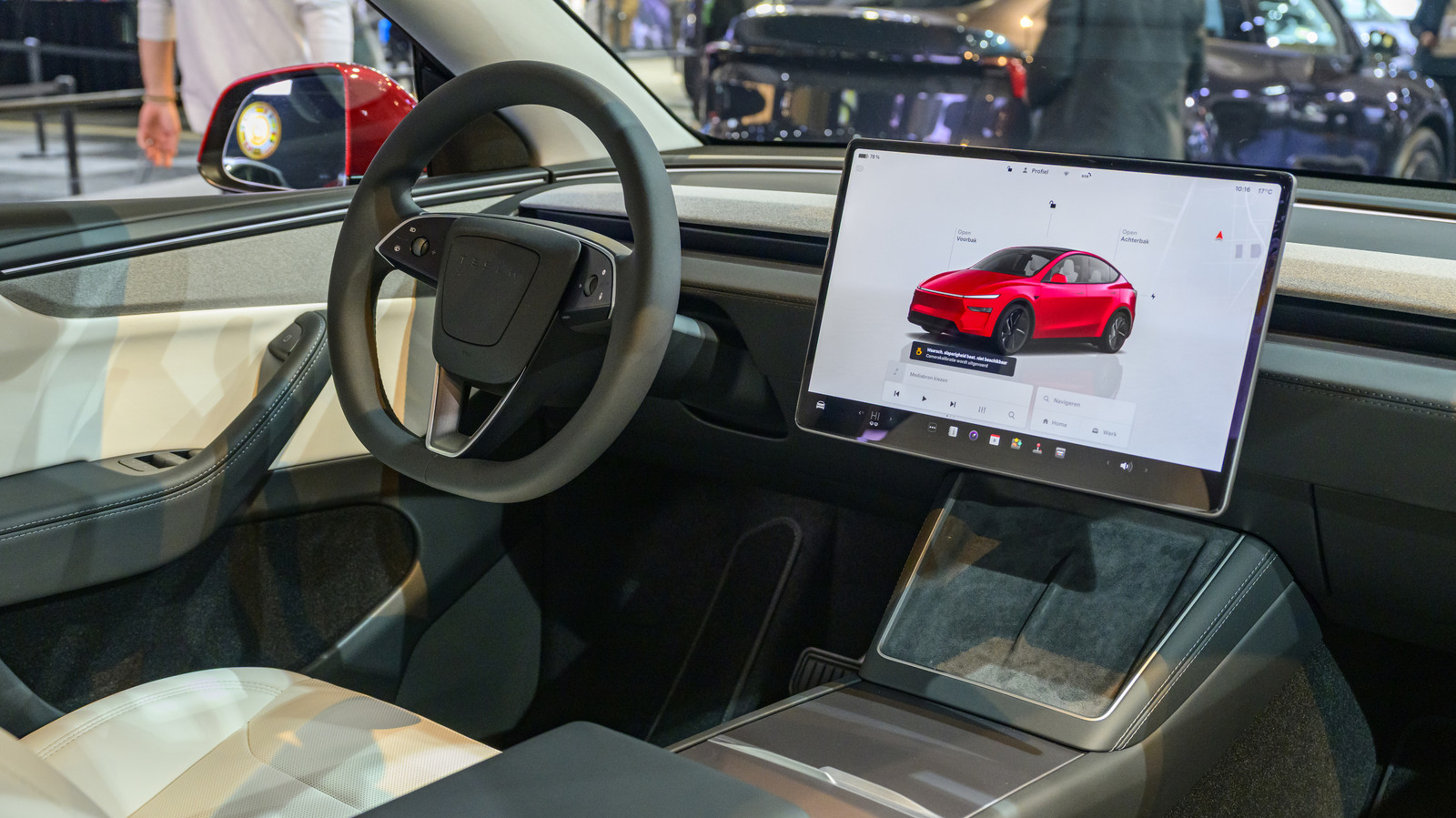
The federal inquiry is not limited to a single crash. The agency is looking at a pattern of "reduced visibility" accidents, where Tesla vehicles have collided with emergency vehicles, construction barriers, or pedestrians. The core of the federal concern is whether Tesla’s software updates are sufficient to address these edge cases or if a fundamental hardware limitation exists that cannot be patched via software.
If the NHTSA determines that the FSD system is inherently defective, it could trigger a massive, mandatory recall of hundreds of thousands of vehicles, forcing Tesla to restrict the functionality of its software or, in a worst-case scenario, disable it until further validation is provided.
Broader Implications: The "Autopilot" Precedent
This settlement is the latest in a series of legal resolutions for Tesla. Previously, the company settled a high-profile case involving a fatal Model X crash that killed an Apple engineer. In that instance, the victim’s family alleged that the Autopilot system veered into a concrete median.
These settlements suggest a consistent legal strategy by Tesla: pay the families to resolve the disputes before they reach a jury, thereby preventing a "smoking gun" verdict that could set a negative legal precedent for the company’s entire fleet.
However, the legal landscape is shifting. With new wrongful death suits currently being filed—including a recent case involving a Model 3 and an alleged automated driving system—the sheer volume of litigation is becoming a financial and reputational weight. Investors are watching these cases closely, as the "robotaxi" future promised by Tesla CEO Elon Musk is contingent upon the technology being proven safe enough for mass deployment without human oversight.
Official Responses and Industry Outlook
Tesla has historically maintained that its vehicles are safer than human-operated cars, frequently pointing to internal safety data that shows a lower frequency of accidents when Autopilot or FSD is engaged. However, the company has declined to comment on the specific terms of the Story settlement, citing confidentiality agreements.
Industry analysts suggest that the settlement is a "pragmatic retreat." By settling, Tesla keeps its internal engineering documentation, proprietary source code, and internal safety reports out of the public record. For the families involved, the settlement provides a sense of finality, though it denies the public the transparency of a full judicial discovery process.
As the industry moves toward SAE Level 3 and Level 4 automation, the legal definition of "negligence" is being rewritten in real-time. Is it the driver’s fault for trusting the software, or is it the manufacturer’s fault for releasing software that encourages that trust? Until clear federal standards are codified, cases like that of Johna Story will continue to occupy the uneasy space between technological innovation and human tragedy.
Conclusion
The resolution of the Story lawsuit is a quiet conclusion to a loud, painful chapter in the history of automated vehicle development. It underscores the critical reality that as long as "Full Self-Driving" remains a product that requires constant human supervision, the potential for catastrophic failure remains a central risk. For Tesla, the challenge is no longer just about optimizing code; it is about managing the societal and legal fallout of a technology that is being tested on public roads with real, and sometimes fatal, consequences.
The future of autonomous driving will be decided not just in Silicon Valley laboratories, but in courtrooms and legislative chambers. For now, the story of the 2023 Arizona crash serves as a somber reminder of the high cost of the road to autonomy.


 Ali Ikhwan
 Sagoh
Sagoh