

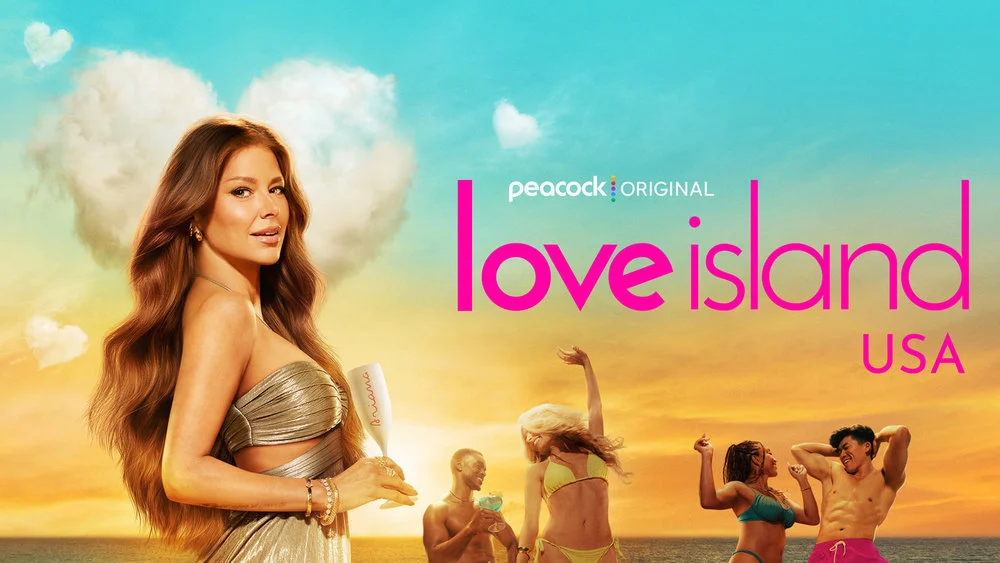
As the sun prepares to rise on another summer of romance, high-stakes drama, and unexpected "bombshell" arrivals, the production team behind Love Island USA is attempting to set a new tone for the discourse surrounding the show. With the Season 8 premiere slated for June 2 on Peacock, the network has issued a stern yet plea-filled directive to its fervent fanbase: keep the online conversation kind.
This preemptive move underscores a growing tension within the reality television ecosystem, where the line between "fan engagement" and "online harassment" has become increasingly blurred. As the show prepares to welcome a fresh batch of Islanders to the Villa, the message from the producers is clear: the show is intended to be a celebration of love, not a battleground for vitriol.
The Call for Civility: A Proactive Stance
On Wednesday, Peacock released an official statement via social media, signaling a shift in how the platform intends to manage its community. Addressing the audience directly, the statement emphasized that while the network thrives on the passionate debates and reactions generated by the show, there is a boundary that must not be crossed.
"The Villa runs on good vibes, and so does this community," the spokesperson stated in the official post. "We love seeing your reactions, opinions, and debates, but everyone deserves to feel safe and respected. This is a space for fun, not negativity—so keep it kind, keep it positive, and remember: this is LOVE Island!"
This statement, while brief, is a strategic maneuver by the production house. By addressing the toxic elements of the fandom before the first contestant even steps foot on the island, Peacock is attempting to curate a healthier viewing environment. It is an acknowledgment that the "stan culture" surrounding reality TV has reached a boiling point, often resulting in severe mental health repercussions for those cast in the show.
A Chronology of Escalating Tensions
The need for this intervention did not emerge in a vacuum. The relationship between Love Island fans and the show’s participants has become increasingly fraught over the past few years, mirroring a broader trend in reality television.
During the broadcast of Season 7, the discourse hit an all-time low. As storylines played out on screen, social media platforms—particularly X (formerly Twitter) and Instagram—became hives of targeted abuse directed at contestants. The severity of the harassment forced the production to intervene, with the show issuing a rare, direct warning to its viewers, reminding them that the individuals on their screens were "real people" with lives outside of the edited, high-pressure environment of the Villa.
This wasn’t merely a corporate boilerplate message; it was a desperate attempt to curb a tide of cyberbullying that had begun to overshadow the program’s entertainment value. Host Ariana Madix, who has become a central figure in the show’s modern era, added her voice to the chorus of those asking for empathy. During a segment on the companion series Love Island USA: Aftersun, Madix issued a scathing critique of the audience’s behavior.
"Before you just hop online and start being absolutely atrocious," Madix urged, "give these Islanders some grace." Her words served as a sobering reminder that the participants are human beings who are often unaware of the vitriol being directed at them until their time in the Villa concludes and they return to reality.
The Peak of Popularity and Its Dark Side
The necessity for these interventions is, ironically, a byproduct of the show’s massive success. Following the conclusion of Season 7, Peacock reported that the season had become the most-watched original season in the platform’s history. This meteoric rise in viewership—fueled by viral moments, social media memes, and the star power of Ariana Madix—has brought a level of scrutiny to the show that it had not previously experienced.
With higher ratings comes a larger, more polarized audience. The "Love Island effect," where contestants are thrust from obscurity into international fame in a matter of weeks, is a jarring transition. When that transition is met with thousands of critical comments, death threats, or relentless trolling, the psychological toll is immense.
The renewal for Season 8, announced in March, came with the promise of more of the same: high production values, engaging casting, and the potential for massive viewership numbers. However, the network is clearly cognizant that to maintain this momentum, they must protect the product—and the people who make it.
The Implications for Reality Television
The move by Peacock raises significant questions about the responsibility of streaming platforms in the age of social media. When a show’s primary appeal is based on the emotional volatility of its contestants, how much protection does the network owe them?
The "Villain Edit" and Fan Toxicity
Much of the tension stems from the "villain edit," a staple of reality editing that frames certain contestants as antagonists to drive engagement. Viewers, often lacking the nuance of the actual 24-hour reality of the Villa, frequently weaponize these edits to justify harassment. The irony of the situation is that the producers encourage the very drama that triggers the toxic fan response, yet they are now forced to police the results of that environment.
The Role of Social Media Management
In previous years, contestants were left to fend for themselves on social media. Today, most reality stars hire professional management teams to run their accounts while they are filming. This creates a firewall, but it does not stop the abuse from reaching their families, friends, or the contestants themselves the moment they exit the show. By issuing this statement, Peacock is positioning itself as an active participant in the digital safety of its cast, potentially setting a standard for other networks to follow.
The Impact on Future Casting
If the environment surrounding Love Island USA continues to be perceived as toxic, the production may struggle to attract high-quality contestants. Aspiring participants are increasingly aware that a stint on a reality show can lead to career-ending controversies or long-term mental health challenges. By prioritizing a "positive space," Peacock is attempting to preserve the show’s reputation as a fun, aspirational dating experience rather than a meat grinder for social media influencers.
The Ariana Madix Factor
Ariana Madix’s involvement has been a pivotal element in the show’s success. Having emerged from the highly toxic environment of Vanderpump Rules, Madix brings a level of lived experience to her role as host. She understands the dangers of fan obsession and the cruelty of the internet better than most. Her advocacy for "grace" carries a weight that a corporate press release cannot match. By keeping her at the helm, Peacock is betting that her voice can help bridge the gap between the fans and the cast, fostering a more empathetic viewing culture.
Conclusion: A New Era for the Villa?
As the countdown to June 2 begins, the industry will be watching to see if this "keep it kind" initiative will have any tangible effect on fan behavior. History suggests that social media culture is difficult to regulate, and the sheer passion of the Love Island fanbase is a double-edged sword.
However, the fact that the platform is prioritizing this message is a sign of progress. The days of "anything goes" in reality TV discourse are slowly fading, replaced by a realization that for the genre to remain sustainable, it must be human-centric. Whether the fans will heed the warning remains to be seen, but for the incoming class of Islanders, the hope is that they can find love without having to endure a digital war.
As the producers so aptly put it: "This is LOVE Island." The goal, at least for the next season, is to ensure the show lives up to its name—both on screen and in the comments section. Only time will tell if the "good vibes" of the Villa can survive the heat of the internet.











No comments yet. Be the first to join the conversation!