

The relationship between consumers and the digital products they purchase has reached a critical inflection point. For decades, the "games-as-a-service" model has allowed developers to update titles indefinitely, but it has also introduced a precarious reality: when a developer decides to pull the plug on server support, the software effectively dies, leaving players with nothing but a bricked application.
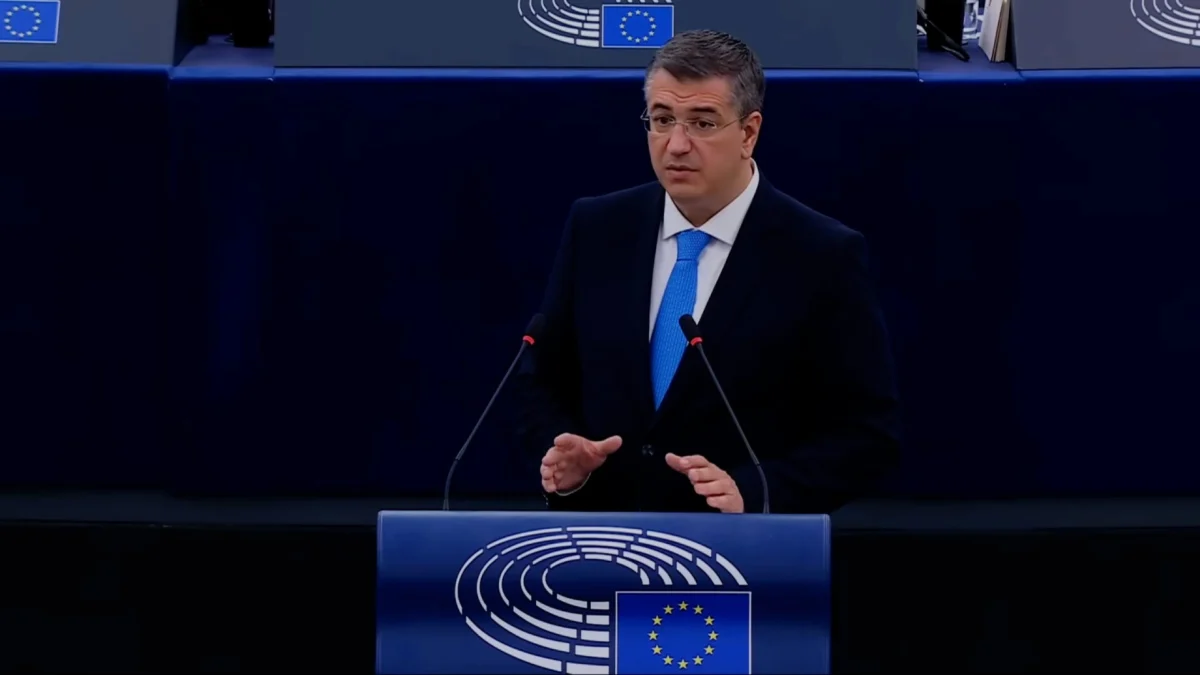
This tension culminated in a high-profile debate within the European Parliament in Strasbourg this May, as lawmakers grappled with the "Stop Killing Games" (SKG) initiative. The movement, which seeks to legally mandate that publishers provide functional, offline-capable versions of games once servers are decommissioned, has now moved from online advocacy to the heart of European governance.
The Core Conflict: Ownership vs. Access
At the center of the dispute is the fundamental definition of a "purchase." Under current digital storefront terms of service, players are technically purchasing a revocable license to access a service rather than owning a physical or digital product. When a publisher shuts down servers—often citing the prohibitive costs of maintenance or a decline in player base—the game becomes inaccessible.
The Stop Killing Games campaign, spearheaded by activists like Ross Scott and supported by a growing coalition of legal experts and gamers, argues that this practice constitutes a form of "digital destruction." They contend that if a product is sold as a standalone title, it should not be entirely dependent on a proprietary server that can be deactivated at the whim of the publisher.
The campaign’s demands are twofold:
- Transparency: Consumers should be clearly informed if a game requires an active server connection to function.
- Preservation: Publishers must be legally obligated to provide a "path to play" after the servers are retired, such as releasing source code, allowing private server hosting, or patching out the "always-online" requirement.
Chronology: From Grassroots Petition to Strasbourg
The path to the European Parliament was neither short nor simple. The campaign gained momentum through a series of tactical maneuvers designed to force regulators to take notice.
- Initial Mobilization: Following the high-profile shutdown of Ubisoft’s The Crew, the campaign moved from a niche protest to a global movement, gathering hundreds of thousands of signatures across various jurisdictions.
- April 16th Public Hearing: A landmark hearing held in Brussels served as the formal introduction of the issue to European policymakers, where experts testified on the environmental and economic impact of digital waste caused by server shutdowns.
- May 21st Plenary Session: The debate in Strasbourg represented the next evolution of this process. It moved beyond fact-finding and into the realm of legislative consideration, as Members of the European Parliament (MEPs) debated whether existing consumer protection laws are sufficient or if a new directive is required.
- The Upcoming Summer Response: The European Commission has officially committed to issuing a formal "communication" regarding the petition before the summer recess, a deadline that has set the clock for both the industry and the activists.
Supporting Data: Why Now?
The urgency of this debate is supported by shifting trends in the gaming industry. According to data tracked by various game preservationists, thousands of games have been rendered unplayable over the last decade. As the industry shifts entirely to digital distribution, the risk of "lost media" increases exponentially.
Moreover, the financial impact on the consumer is significant. Many "live service" games require hundreds of dollars in microtransactions, battle passes, and expansion content. When the service is shuttered, that financial investment evaporates overnight. Advocates argue that this violates the spirit of EU consumer protection laws, which are designed to ensure that products remain fit for purpose for a reasonable period.
Official Responses and Political Maneuvering
The atmosphere in the European Parliament was notably informal yet serious. In a moment that captured the attention of the gaming community, MEP Catarina Viera invoked the cultural relevance of the medium by stating: "We’ve been waiting for European laws for a while to come, I just hope we don’t have to wait as long as we’ve been waiting for GTA 6 to see a proposal from the commission."
Commissioner Apostolos Tzitzikostas, representing the European Commission, provided a measured, albeit cautious, response. While he acknowledged the validity of the concerns, he stopped short of committing to specific legislative action.
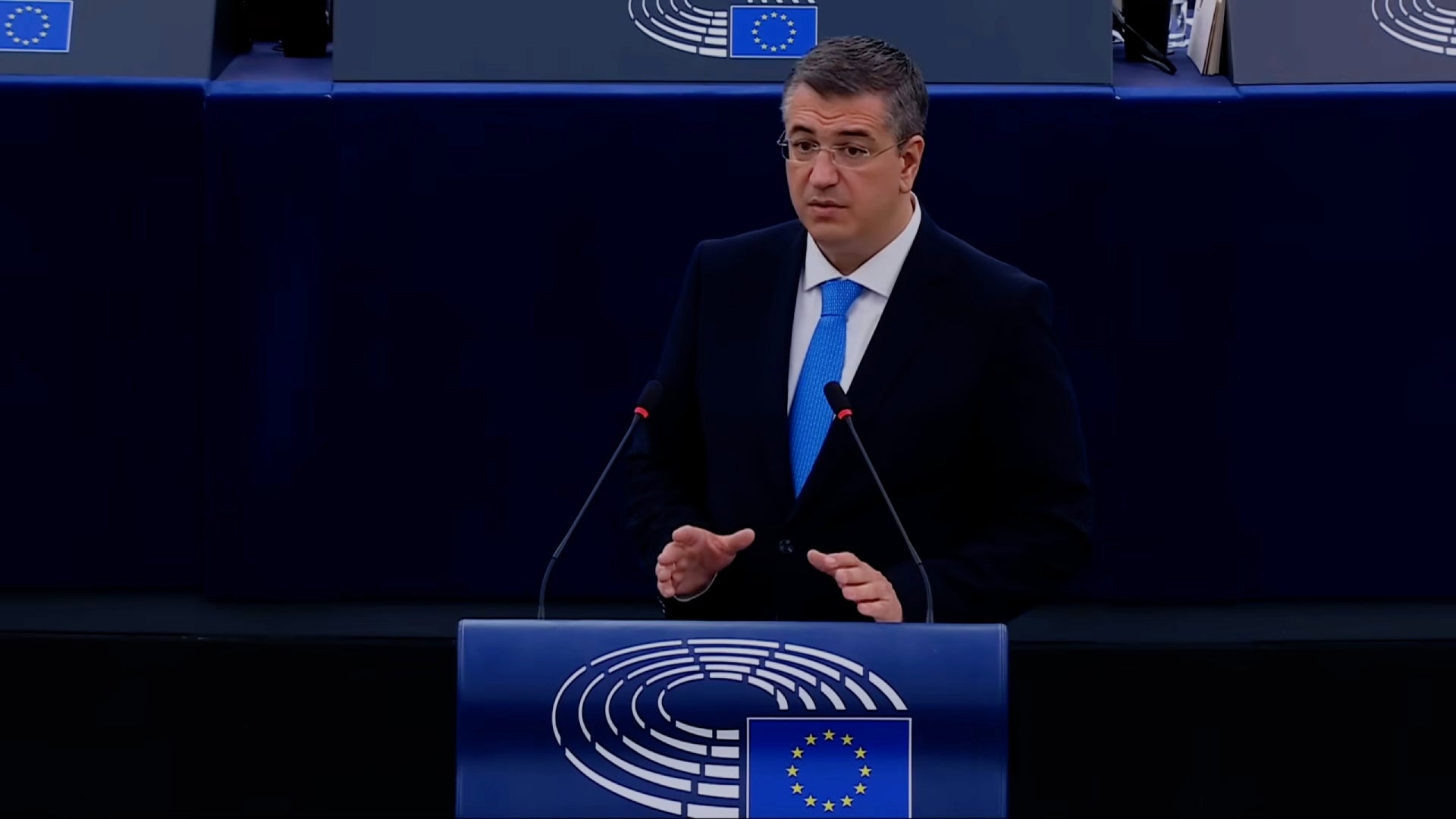
"We are not yet in a position to issue detailed comments on this initiative," Tzitzikostas noted. "Nevertheless, I would like to highlight the importance of fair and transparent conditions. As European consumers, gamers should be entitled to enjoy the digital services that they have paid for as provided in their contract and in accordance with their reasonable expectations."
His use of the word "communication" has sparked debate among activists. In the lexicon of the European Commission, a "communication" is often a statement of policy or a strategy document, which is distinct from a legislative proposal (a "directive" or "regulation"). This has led some to fear that the Commission may suggest guidelines rather than binding law.
Implications: The Global Domino Effect
The implications of the European debate extend far beyond the borders of the EU. If the European Parliament decides to enact legislation mandating end-of-life support for software, it would set a global precedent. Multinational publishers would likely find it easier to implement a global standard for their products rather than maintaining different versions for different territories.
This is already being felt in the United States. The "POG Act" (Property Ownership Gaming Act) in California is a parallel effort that mirrors many of the goals of the SKG campaign. Moritz Katzner, a key organizer for the Stop Killing Games movement, has emphasized that the campaign’s strategy is intentionally diversified:
"The goal is simple: make sure SKG can still become reality, with or without the Commission," Katzner stated. "We have prepared and diversified our strategy—the POG Act, the legal case, work in more countries, pressure through Parliament, and national-level routes as well."
The "Death" of Games as a Policy Issue
The debate highlights a broader cultural shift. For decades, video games were treated as toys or ephemeral entertainment. Today, they are recognized as a massive cultural industry and a significant repository of digital history. When a government discusses the "killing" of a game, they are discussing the erasure of artistic output and the protection of consumer property rights in a digital-first economy.
The industry, for its part, remains wary. Trade bodies have argued that mandating support for legacy titles could stifle innovation and force developers to avoid "always-online" features that are essential for security and anti-cheat measures. However, the SKG campaign argues that these are technical challenges, not insurmountable barriers, and that the industry’s refusal to address them is a matter of profit-margin prioritization over consumer respect.
Conclusion: A Summer of Decision
As the European Parliament moves toward its summer deadline, the pressure on the Commission is mounting. Whether or not the final response results in the drafting of new legislation, the "Stop Killing Games" movement has already achieved a major victory: it has moved the conversation from internet forums to the halls of power in Strasbourg.
The message sent to developers and publishers is clear: the era of unilateral server shutdowns without consumer recourse is being challenged. As the digital landscape continues to evolve, the right to maintain access to the software we purchase is likely to become a central pillar of consumer rights in the 21st century. The wait for a resolution may feel as long as the wait for the next blockbuster title, but the legislative wheels, however slowly, have begun to turn.











No comments yet. Be the first to join the conversation!