

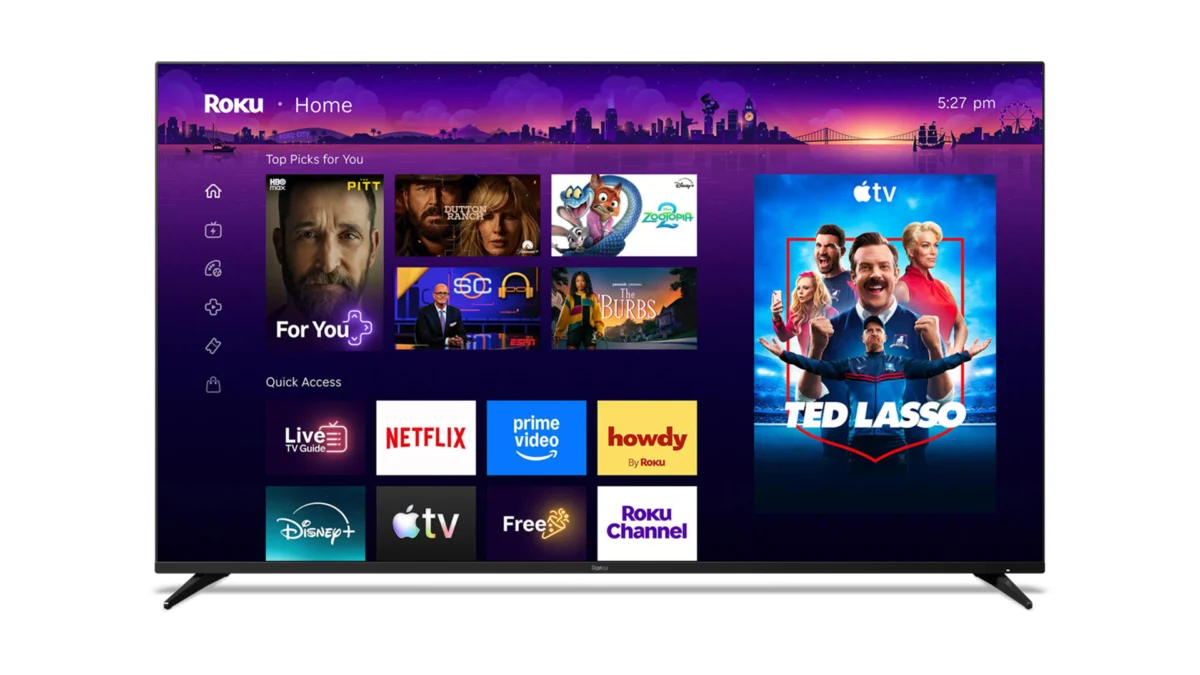
In an era where streaming platforms are locked in a fierce battle for consumer attention, the user interface (UI) has become the most valuable real estate in the living room. Roku, a pioneer in the streaming hardware space, has officially begun rolling out a sweeping update to its home screen experience. This redesign is not merely a cosmetic refresh; it is a fundamental shift in how the platform surfaces content, utilizes artificial intelligence, and engages users beyond the traditional "grid of apps" model.
The update, currently deploying to Roku TVs and streaming devices across the United States, represents the company’s most aggressive attempt to move away from being a passive launcher toward becoming an active, personalized content discovery engine.
Main Facts: What’s New in the Roku Interface?
The update introduces several structural changes designed to reduce the "friction of choice"—the phenomenon where users spend more time scrolling through apps than actually watching content.
The "Top Picks for You" Carousel
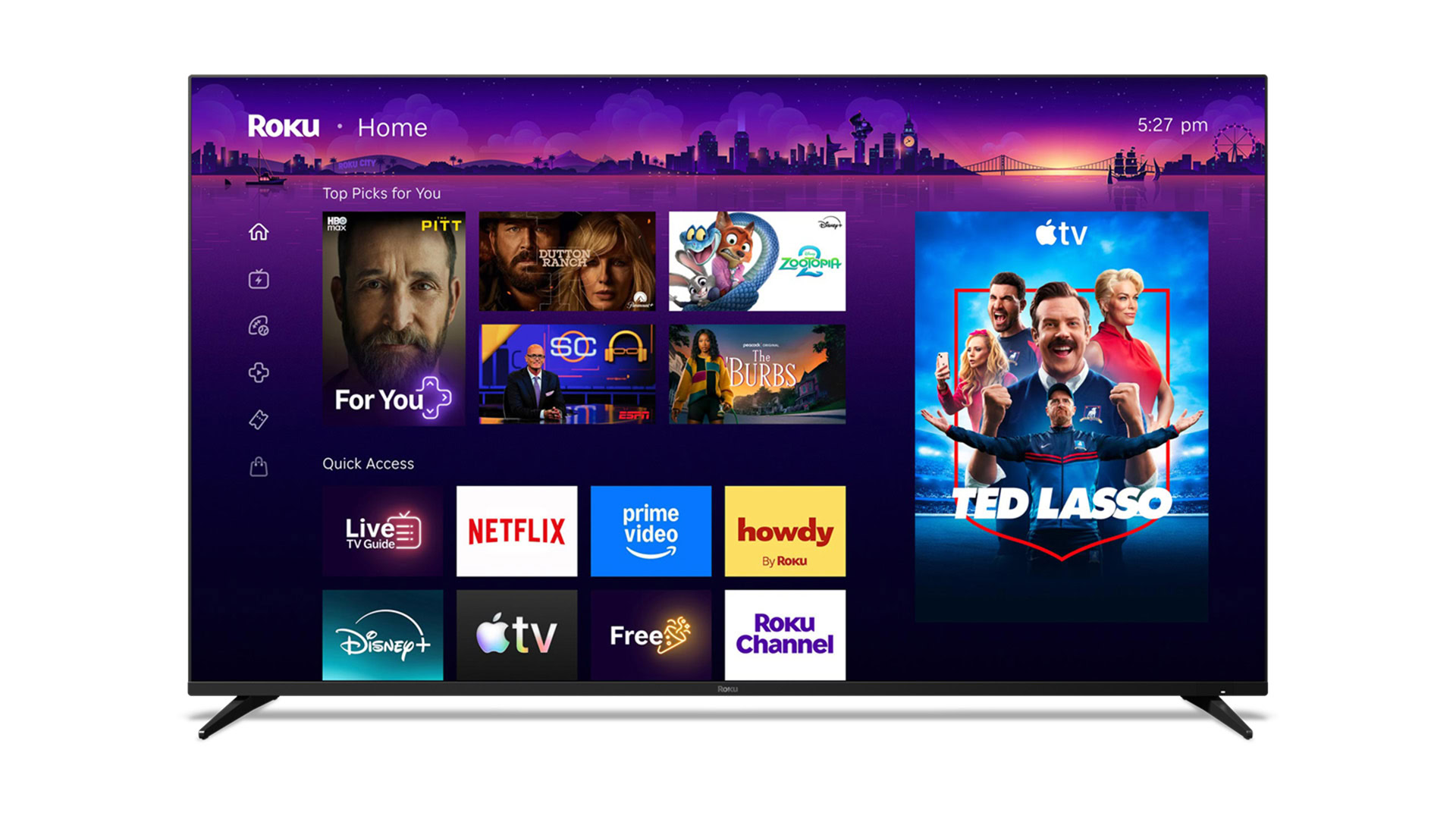
Occupying the prime, top-tier position on the home screen, the "Top Picks for You" section serves as a centralized hub for personalized recommendations. By leveraging Roku’s proprietary viewing data, this section aggregates trending content, niche favorites, and high-profile premieres, ensuring users are presented with relevant choices the moment they power on their devices.
AI-Driven "Quick Access"
Perhaps the most functional change is the introduction of the "Quick Access" row. Utilizing machine learning, this feature predicts which applications a user is likely to open based on their historical viewing habits and the time of day. While the system automates these suggestions, Roku has maintained user autonomy; viewers retain the ability to manually pin, remove, or reorder these apps, ensuring that the AI functions as a tool rather than a dictator.
"Destinations" and "Subscriptions"
Roku is streamlining navigation through a new "Destinations" feature. These are curated, category-based shortcuts that allow users to jump directly into specific genres or moods. Positioned adjacent to the new "Subscriptions" tab, this organization ensures that users can immediately view content from the platforms they already pay for, effectively creating a unified library view that bypasses the need to open individual apps.
Real-Time Engagement: "Your Daily Scoop"
"Your Daily Scoop" is a dynamic, real-time content row. It serves as an information feed, highlighting celebrity birthdays, major entertainment news, and trending premieres. It is designed to turn the home screen into a living feed, much like a social media platform, keeping the interface feeling fresh throughout the day.
Chronology: From Static Grids to Dynamic Ecosystems
To understand the magnitude of this update, one must look at the evolution of the Roku operating system (Roku OS).
- The Early Years (2008–2014): Roku’s interface was purely functional. It was a static, grid-based launcher designed for simplicity. The goal was to provide a "neutral" platform where every app was treated with equal weight.
- The "Search" Era (2015–2020): As the number of streaming services ballooned, Roku introduced "Universal Search." This was the first major step toward breaking down the "walled gardens" of individual apps, allowing users to search for a title across multiple platforms simultaneously.
- The Pivot to Recommendations (2021–2025): The rise of FAST (Free Ad-Supported Streaming TV) channels and the saturation of the subscription market forced Roku to pivot. The platform began integrating more "discovery" features, such as the "What to Watch" section.
- The Current Evolution (2026): The present update marks the transition to a "Proactive Interface." Instead of waiting for a user to search for content, the OS now anticipates needs based on temporal and behavioral data. This shift mirrors the broader industry trend of transforming TV hardware into data-rich advertising and discovery portals.
Supporting Data: Why the Change?
The impetus for this redesign is rooted in the shifting economics of the streaming industry. According to industry analysis, the average household now manages between four and seven different streaming subscriptions. This fragmentation creates "decision fatigue."
Data indicates that when users are faced with too many choices, their engagement levels drop. By implementing the "Quick Access" and "Subscriptions" features, Roku is aiming to increase "Time Spent on Platform"—a key metric for advertisers. By keeping users on the home screen longer and funneling them toward content that is either ad-supported (Roku Channel) or high-priority, the company is effectively optimizing its ad-inventory value.
Furthermore, the integration of "Roku City" games—such as Roku City Dash and Roklue—is a strategic move to increase "stickiness." By gamifying the screensaver and home screen, Roku is attempting to capture the younger demographic that values interactive experiences over linear browsing.
Official Responses and Strategic Intent
In their official communications, Roku executives have framed this update as a "user-first" initiative. The company’s blog post emphasizes that the primary goal is to "help you spend less time searching and more time watching."
However, industry analysts note a secondary, equally important goal: Content Monetization. By curating "Top Picks" and "Daily Scoops," Roku gains the ability to promote specific content partners. This gives the company significant leverage in negotiations with streaming services, as being featured in these high-traffic, algorithmically prioritized rows can lead to a massive spike in viewership for specific shows or movies.
Roku has also been careful to address privacy concerns. They have reiterated that while the interface uses AI to learn habits, it does so within the existing framework of their privacy policy, allowing users to opt out of personalized tracking if they choose to do so.
Implications: The Future of the Living Room
The implications of this update are vast, both for consumers and the broader streaming ecosystem.
For the Consumer
For the average viewer, this is a net positive in terms of convenience. The ability to find content across apps without having to manually navigate in and out of individual platforms saves time. However, it also means the interface will become more "noisy." Users who prefer a clean, minimalist aesthetic may find the new, busier interface overwhelming.
For Competitors
Roku’s move places immense pressure on competitors like Google TV (Android TV) and Amazon Fire TV. These platforms have long utilized aggressive, AI-driven home screens. Roku’s update effectively closes the feature gap, signaling that the "neutral launcher" era of TV hardware is officially dead. Every major platform is now a "Content Discovery" platform.
For Advertisers and Content Creators
This update changes the "discoverability" game. Creators and streaming services must now optimize their presence for Roku’s algorithm. If you aren’t in the "Top Picks" or "Quick Access" rows, you are effectively invisible to the average user. This reinforces the power of the platform owner (Roku) over the content providers.
Long-Term Trajectory
The inclusion of "Roku City" games suggests that Roku is viewing the television as a multi-purpose entertainment hub, not just a video player. We should expect further expansion into interactive features, potentially including social viewing components, integrated shopping (t-commerce), and deeper smart-home controls directly from the home screen.
Conclusion
The new Roku home screen is a reflection of the maturity of the streaming market. As the market transitions from a growth phase to an engagement phase, the interface becomes the most critical battleground. By combining AI-driven personalization, curated discovery, and interactive entertainment, Roku is attempting to ensure that it remains the "front door" of the living room.
For now, the update is rolling out gradually to US users. As it reaches wider audiences, the true test will be whether the AI’s recommendations hit the mark or if they simply add to the clutter. Regardless, the message is clear: the era of the passive television interface is over, and the era of the active, predictive smart-home portal has arrived. Whether this helps users find their next favorite show or simply makes the screen feel more cluttered remains a point of debate, but one thing is certain—Roku is betting that personalization is the key to winning the streaming wars.












No comments yet. Be the first to join the conversation!