

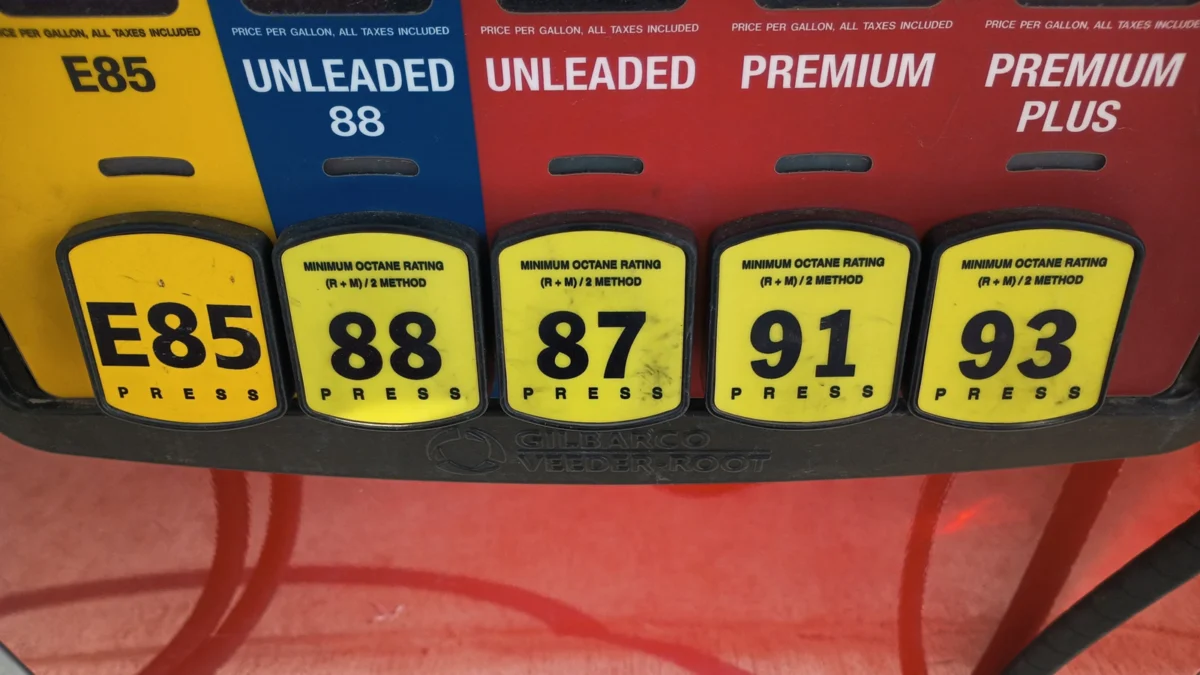
Every time you pull up to the pump, you are faced with a series of choices: regular, mid-grade, premium, and, increasingly, E15, often labeled as "Unleaded 88." While the primary concern for most drivers is the price per gallon, the chemical composition of these fuels has a profound impact on how your vehicle performs and how far you can travel on a single tank. To understand the trade-offs of E15, one must look beyond the price tag and examine the science of energy density, the history of biofuels, and the long-term implications for the American automotive landscape.
The Evolution of Fuel: A Brief History of Ethanol
The integration of ethanol into the American fuel supply is not a modern experiment, but rather a return to the roots of the automotive industry. When Henry Ford designed the Model T in 1908, he envisioned it as a flexible-fuel vehicle capable of running on gasoline, ethanol, or a blend of both. Ford famously championed ethanol as "the fuel of the future," believing it would empower farmers and provide a renewable alternative to petroleum.
However, as the 20th century progressed, cheap, abundant petroleum pushed ethanol to the sidelines. It wasn’t until the energy crises of the 1970s that ethanol re-emerged as a strategic necessity. By 1979, the widespread introduction of E10—a blend of 10% ethanol and 90% gasoline—began to reshape the fuel market. This shift was designed to reduce dependence on foreign oil while simultaneously utilizing agricultural surpluses.
The next major milestone occurred in 2011, when the Environmental Protection Agency (EPA) approved the use of E15 (15% ethanol) for light-duty vehicles manufactured in 2001 or later. This decision sparked a decade of debate among environmentalists, the agricultural industry, and automotive engineers, leading us to the current landscape where consumers are increasingly choosing between E10 and E15 at their local service stations.
The Science of Energy Density: Why MPG Drops
To understand why your fuel economy might fluctuate when using E15, one must look at the concept of energy density, measured in British Thermal Units (BTUs). Gasoline is a hydrocarbon-rich substance with high energy density, containing approximately 114,000 BTUs per gallon. Ethanol, however, is a different chemical beast. Because it contains an oxygen atom within its molecular structure, it is inherently less energy-dense, packing only about 76,330 BTUs per gallon.
When you mix these two substances, the resulting energy content of the fuel is a weighted average of its components. Using basic thermodynamic calculations, we can derive the energy difference between common blends:
- E10 (10% Ethanol): Composed of 90% gasoline (102,600 BTUs) and 10% ethanol (7,633 BTUs), the total energy content is approximately 110,233 BTUs per gallon.
- E15 (15% Ethanol): Composed of 85% gasoline (96,900 BTUs) and 15% ethanol (11,450 BTUs), the total energy content drops to approximately 108,350 BTUs per gallon.
This reveals a roughly 1.7% decrease in energy density when switching from E10 to E15. In practical, real-world terms, if your vehicle achieves 30 miles per gallon (MPG) on E10, switching to E15 may result in a loss of roughly 0.5 MPG. While this may seem negligible over the course of a daily commute, the cumulative effect over the life of a vehicle—or across a national fleet—is statistically significant.
Why Do We Use Ethanol?
If ethanol reduces fuel efficiency, why is it mandated and encouraged by federal energy policy? The answer lies in a complex interplay of environmental goals, economic strategy, and engine performance requirements.
Octane Enhancement
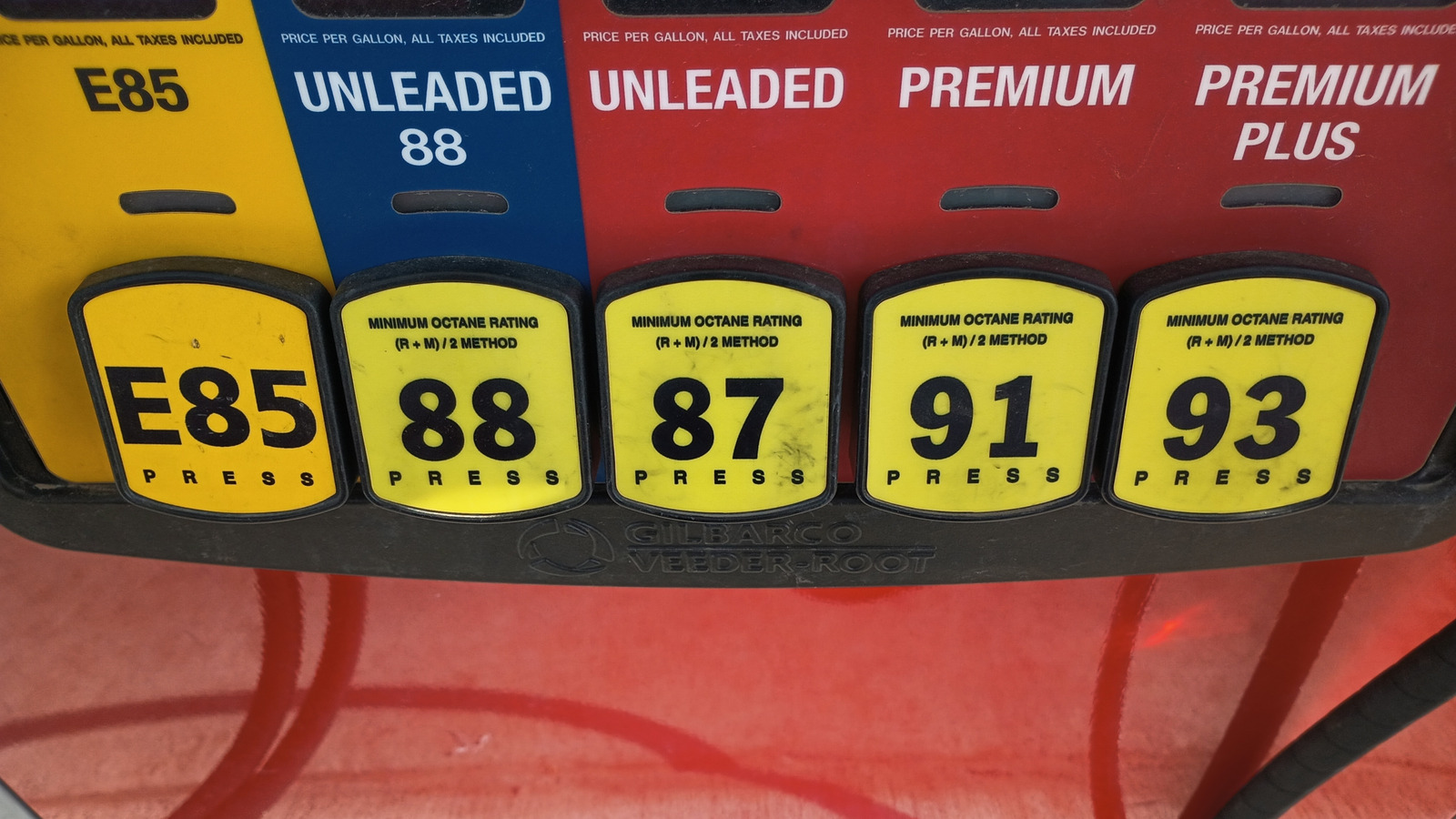
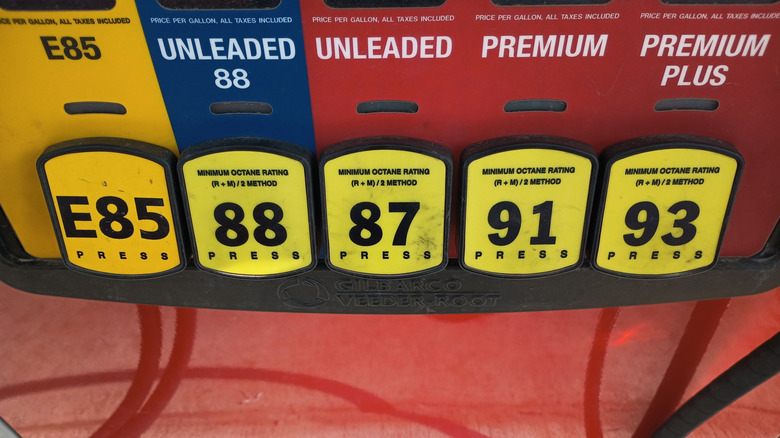
One of the primary benefits of ethanol is its high octane rating. Octane is a measure of a fuel’s ability to resist "knock"—a phenomenon where the air-fuel mixture ignites prematurely in the engine cylinder. By adding ethanol to gasoline, refiners can achieve higher octane ratings without relying on metallic additives or more energy-intensive refining processes. This is why E15 is often marketed as "Unleaded 88"; the number refers to the octane rating, which is higher than the standard 87 octane of regular gasoline. For modern, high-compression engines, this can actually improve performance and engine longevity.
National Energy Security
From a macroeconomic perspective, ethanol serves as a domestic stabilizer. By converting U.S.-grown corn and other biomass feedstocks into fuel, the United States reduces its reliance on volatile global oil markets. This supports the agricultural sector and keeps fuel prices lower at the pump, as ethanol is typically cheaper to produce than refined petroleum.
Emissions and Environmental Impact
Ethanol is often touted as a cleaner-burning fuel. Because it is oxygenated, it helps fuel burn more completely, which can reduce certain tailpipe emissions like carbon monoxide. Furthermore, because the corn used for ethanol absorbs carbon dioxide while growing, the fuel cycle is considered by many proponents to be more sustainable than the extraction, refining, and burning of pure fossil fuels.
Official Stances and Regulatory Nuances
The EPA’s approval of E15 was not a blanket endorsement for every internal combustion engine. The regulatory framework acknowledges that not all hardware is compatible with higher ethanol concentrations.
The agency emphasizes that E15 is safe for light-duty cars, trucks, and SUVs built in 2001 or later. However, the EPA has explicitly warned against using E15 in:
- Motorcycles: The high-performance, air-cooled engines in many motorcycles may not be calibrated for the different combustion characteristics of higher-ethanol fuels.
- Marine Engines: Boat engines are particularly sensitive to the corrosive properties of ethanol, which can degrade fuel lines and gaskets over time.
- Small Off-Road Equipment: Lawn mowers, chainsaws, and generators often utilize older or less sophisticated fuel systems that cannot handle the increased moisture-absorption properties of ethanol.
For owners of these machines, using E15 can lead to fuel system failure, engine stalling, or permanent damage. The "temporary solutions" occasionally proposed during periods of high gas prices are usually intended only for passenger vehicles, and manufacturers often warn that using E15 in non-approved equipment will void warranties.
Implications for the Consumer
As a driver, the decision to use E15 comes down to a simple cost-benefit analysis. If the price difference between E10 and E15 is greater than the roughly 1.7% reduction in energy density, the consumer technically comes out ahead in terms of total fuel costs. However, this assumes that the vehicle’s engine management system (EMS) can effectively compensate for the fuel’s chemical makeup without causing long-term wear.
Most modern vehicles utilize "closed-loop" fuel injection systems with oxygen sensors that constantly monitor exhaust gases. When these sensors detect the slightly leaner burn caused by ethanol, the onboard computer adjusts the fuel injection timing to maintain optimal performance. Consequently, the average driver is unlikely to notice a perceptible difference in "feel" or power output when switching between E10 and E15.
The Future of Biofuels
Looking ahead, the debate over E15 is a microcosm of the larger transition in the transportation sector. As the automotive industry pivots toward electrification, the reliance on liquid fuels—regardless of their ethanol content—will likely decrease over the next several decades.
However, in the near term, the role of ethanol remains a pillar of American energy policy. Research into "second-generation" biofuels, which use non-food biomass such as agricultural waste, cellulose, and wood chips, aims to mitigate the "food vs. fuel" debate and further improve the lifecycle emissions profile of ethanol.
For the everyday driver, the takeaway is clear: E15 is a viable, safe, and often cost-effective fuel for the vast majority of modern vehicles. While the laws of physics dictate a slight reduction in mileage due to lower energy density, the broader economic and strategic benefits continue to drive the adoption of higher ethanol blends. As always, consulting your vehicle’s owner’s manual remains the most important step before making the switch, ensuring that your engine—and your fuel economy—remain in top condition.












No comments yet. Be the first to join the conversation!