

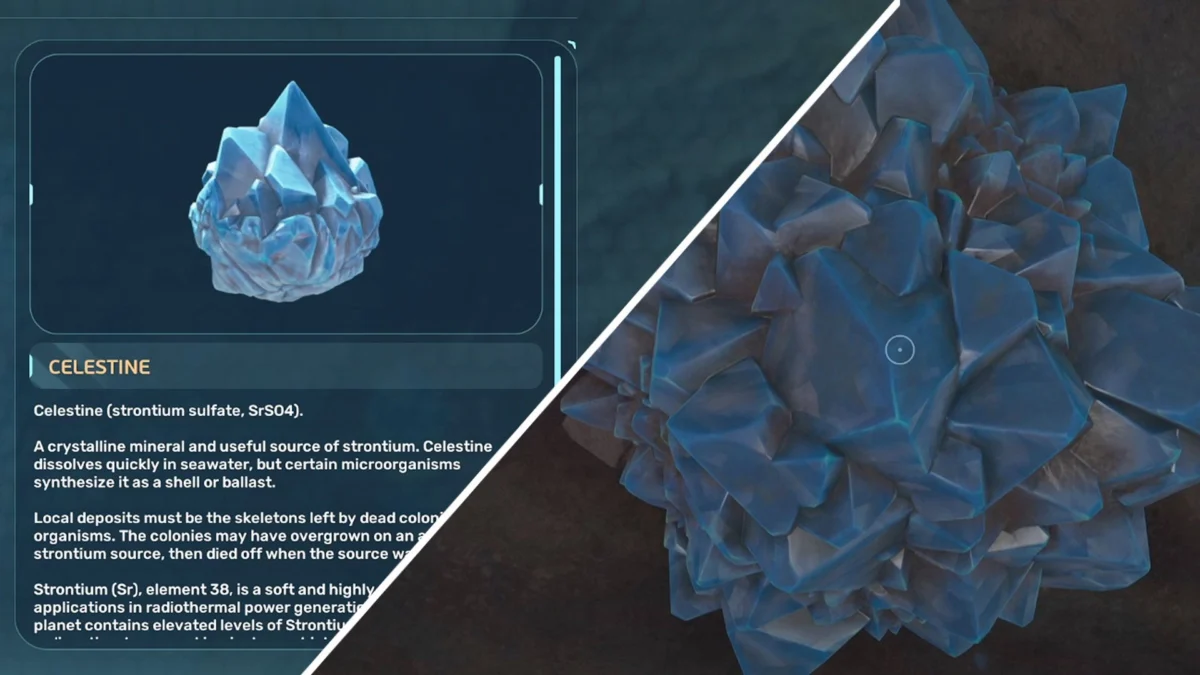
In the vast, alien oceans of Subnautica 2, the pursuit of raw materials is the heartbeat of survival. Much like its acclaimed predecessors, the sequel demands that players scour the seabed, harvest rare minerals, and synthesize complex alloys to survive the harsh, underwater environments of an uncharted world. Among the most sought-after resources in the current Early Access build is Celestine, a versatile metal that serves as a cornerstone for both technological advancement and base infrastructure.
While Celestine is vital, locating it can prove a daunting task for even the most seasoned divers. As you descend into the depths, navigating the treacherous topography of the planet’s crust, you will find that Celestine remains elusive to the uninitiated. This guide aims to demystify the harvesting process, providing you with the exact coordinates and environmental cues necessary to secure a steady supply of this critical material.
The Strategic Importance of Celestine
Before delving into the "where," it is essential to understand the "why." In Subnautica 2, resource management is not merely about accumulation; it is about strategic progression. Celestine functions as a high-tier crafting component, bridging the gap between mid-game survival and late-game exploration.
Crafting Applications
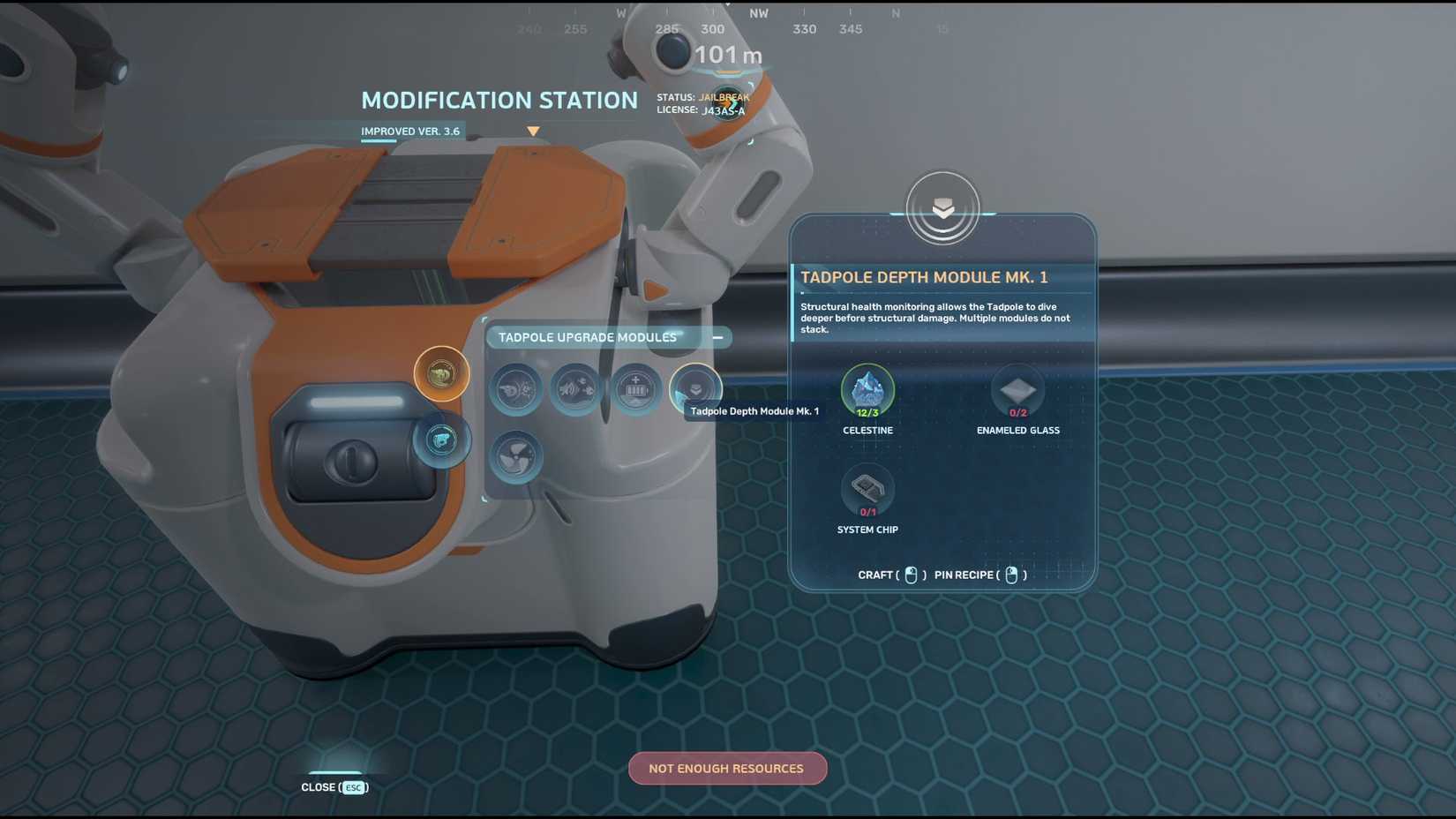
The primary utility of Celestine lies in its role as a precursor to advanced engineering. Players will find it mandatory for the construction of the Modification Station, a pivotal piece of equipment that unlocks the ability to upgrade your existing gear. Furthermore, Celestine is a core ingredient in the Tadpole Depth Module Mk. 1, an essential upgrade for any player looking to push beyond the initial 250-meter depth limit. By utilizing this module, you can extend your operational range to 450 meters, effectively doubling your exploration potential.
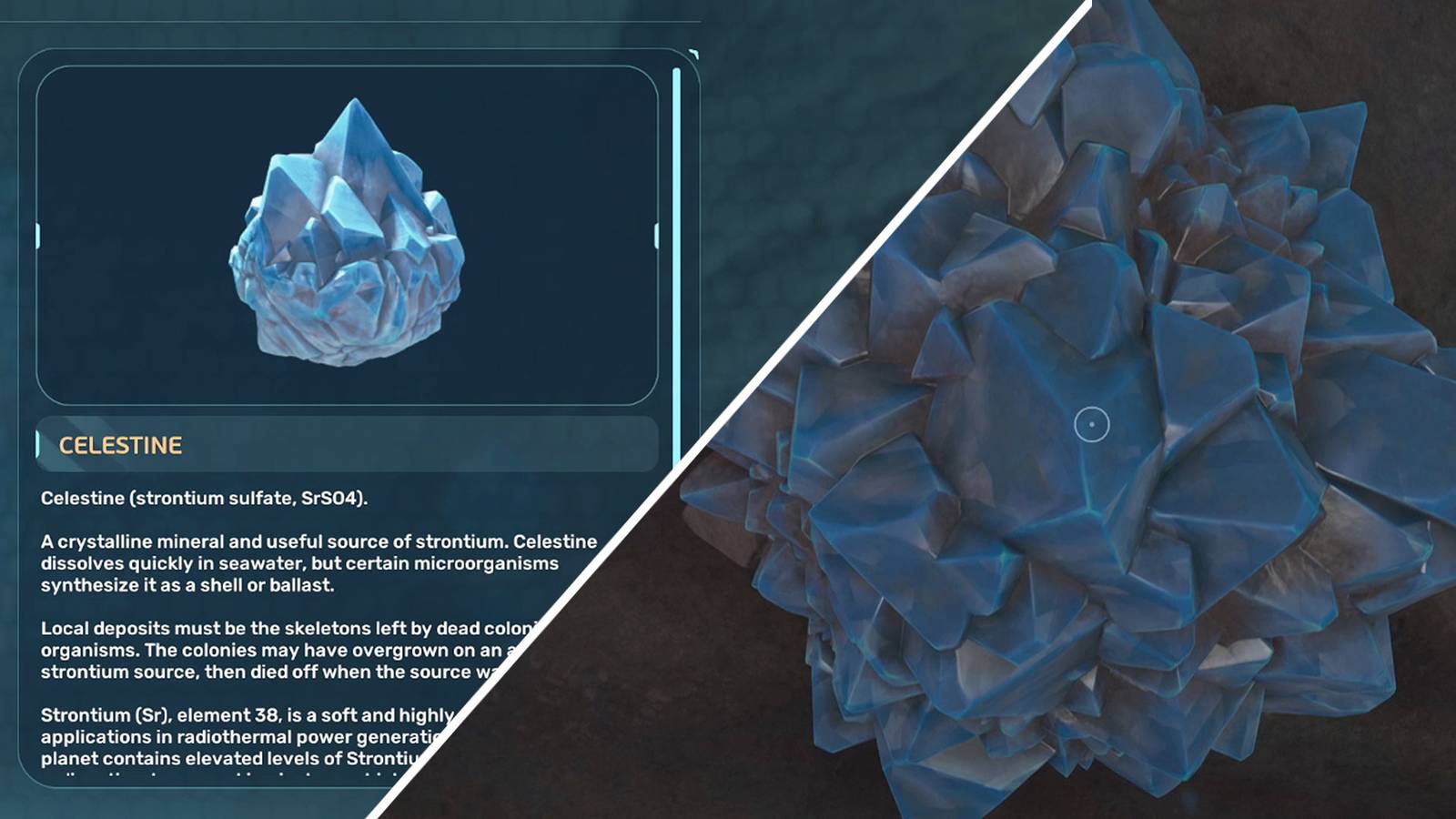
Beyond these staples, Celestine is required to produce Strontium—a refined ingot created by processing two units of Celestine. Strontium is the backbone of advanced manufacturing, utilized in the construction of the Feedback Resonator, the Tadpole Haul Chassis, and specialized combat and mobility modules such as the Strike Armor and the Cavitation Muffler. Without a consistent Celestine supply chain, your ability to traverse deep-sea biomes remains severely hampered.
A Chronological Approach to Resource Acquisition
Progression in Subnautica 2 is rarely linear, but the availability of materials often mirrors the player’s ability to survive in deeper, more dangerous biomes. Celestine is a mid-to-late game resource that becomes increasingly accessible as your equipment improves.
Early Encounters: The Graveyard-Observatory Corridor
Players will first encounter Celestine while exploring the transition zones between the Graveyard and the Observatory. Positioned roughly 850 meters from your initial Lifepod spawn and resting at a depth of approximately 260 meters, this area acts as the player’s introduction to the mineral.
However, this is not an ideal "farm" location. The geography is characterized by a sharp, vertical drop-off from a cliffside, leading into a bioluminescent blue region. While the material is present, the low yield and the constant presence of the predatory Collector Leviathan make this a high-risk, low-reward environment. It is recommended that players treat this area as a source for "incidental collection" rather than a dedicated harvesting zone.

Mid-Game Expansion: Observatory to Power Plant
As you progress further, the stretch between the Observatory and the Power Plant regions offers a more sustainable yield. Located approximately 1,400 meters from the Lifepod at a depth of 280 meters, this corridor is where the true search for Celestine begins to yield dividends. Here, the mineral adheres to the sides of massive, submerged rock formations. While the density of the resource is higher than the Graveyard corridor, the terrain is complex, requiring precise maneuvering of your vehicle to avoid damage.
The Optimal Extraction Site: Root Canyon
For players looking to maximize their efficiency, the Root Canyon region is the definitive location for Celestine. Situated roughly 2,000 meters east of the Lifepod and reaching depths of up to 400 meters, this biome is a goldmine. The area is easily identified by its intense ambient lighting and the presence of a Feedback Resonator on the canyon floor.
The resource density in Root Canyon is unmatched, allowing for rapid collection. Furthermore, its proximity to a known metal-processing hub to the north makes it an ideal logistics point for long-term base operations. If you are preparing for deep-sea expeditions, prioritizing a transit route to Root Canyon is the most efficient strategy.
Supporting Data and Environmental Logistics
To succeed in gathering Celestine, one must respect the environmental hazards that accompany it. Subnautica 2, developed by Unknown Worlds Entertainment and published by Krafton, utilizes the Unreal Engine 5 to create a dynamic, often hostile, underwater world.
Navigational Hazards
The transition from the shallow, sun-drenched waters to the dark, high-pressure depths where Celestine is found requires more than just curiosity—it requires upgrades. As noted, the Tadpole Depth Module Mk. 1 is the single most important tool for any diver attempting to access these sites. Without it, the structural integrity of your vehicle will be compromised, leading to costly repairs or the total loss of your equipment.
The Role of the Feedback Resonator
The Feedback Resonator is not just a tool; it is a signpost. In the deepest, most resource-rich areas of the game, its presence indicates that you have arrived in a sector where high-end minerals are abundant. Players should keep their eyes peeled for this device, as it often marks the center point of the richest mineral deposits in a given canyon.
Official Perspectives and Industry Context
Since the game’s launch into Early Access on May 14, 2026, the development team at Unknown Worlds has emphasized that the resource economy of Subnautica 2 is designed to encourage exploration. In early design diaries, developers noted that they wanted to move away from the "static" resource placement of the original game, opting instead for a system that rewards players for venturing into high-risk zones.
While no official "patch notes" have specifically adjusted the spawn rates of Celestine, the community sentiment has been clear: the rarity of the mineral is intended to gate certain technological milestones. This "gating" serves as a narrative and mechanical check, ensuring that players master the basics of depth management and vehicle maintenance before they are permitted to access the more powerful end-game technology.

Implications for Future Gameplay
The necessity of Celestine has significant implications for how players structure their campaigns. By requiring such a rare mineral for essential upgrades, the game effectively forces the player to engage with the environment rather than simply avoiding it.
The Shift in Base-Building
The reliance on Celestine for items like the Axum Wall Lamp and various chassis modules suggests that Subnautica 2 places a higher premium on aesthetic and functional complexity in base building. Players are no longer just building for shelter; they are building for efficiency. Establishing a forward operating base near the Root Canyon, for instance, becomes a logical step for players looking to master the late-game content.
Future-Proofing Your Save File
As the game continues through its Early Access lifecycle, it is highly likely that more uses for Celestine will be added. Players who take the time now to map out the mineral-rich sectors of the world—particularly the expansive deposits in Root Canyon—will find themselves at a significant advantage as new updates arrive. Building a robust inventory of raw materials is the best way to ensure that you are ready for whatever the developers introduce next, whether it be new leviathan-class threats or more advanced propulsion systems.
Final Thoughts on Exploration
Subnautica 2 continues the legacy of its predecessor by rewarding curiosity. While this guide provides the "where" and "how," the true joy of the game remains in the discovery. The deep, blue silence of the planet is as dangerous as it is beautiful, and every unit of Celestine you harvest is a testament to your growing mastery over the deep. Whether you are battling the pressures of the abyss or upgrading your Tadpole for the next great journey, remember that in this world, knowledge is the most valuable resource of all.

Keep your oxygen levels high, watch your depth gauge, and happy diving.












No comments yet. Be the first to join the conversation!