Siti Muinah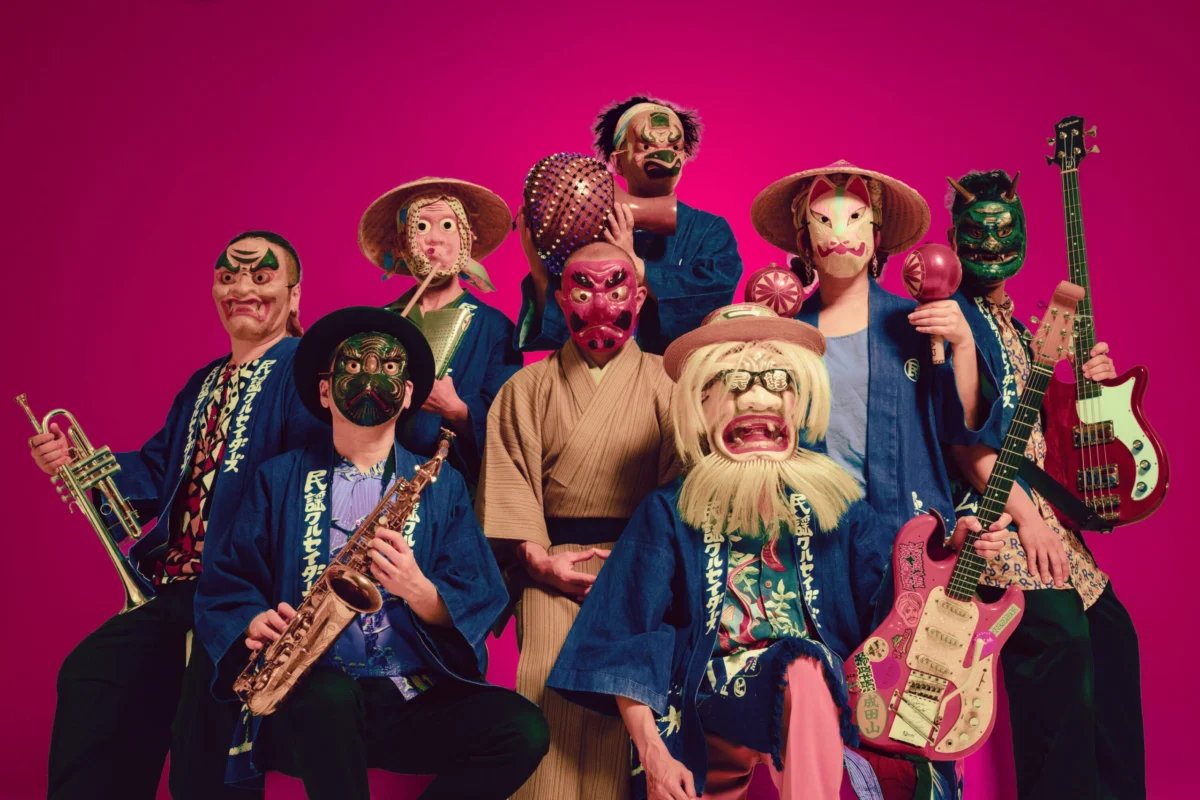
In the quiet town of Fussa, a musical revolution has been brewing—one that draws its strength from the distant, rhythmic echoes of the past. The Minyo Crusaders, an experimental ensemble that has spent the last decade defying genre conventions, are breathing new life into minyo, the traditional Japanese folk songs that once served as the heartbeat of the nation’s agrarian and maritime labor. By weaving these ancient melodies with the vibrant, syncopated textures of calypso, reggae, Afrobeat, and Latin music, the Crusaders have created an electric, global soundscape that feels both profoundly local and daringly modern.
As the band prepares for the June release of their latest album, From Japan With Love, under the prestigious Blue Note label, they stand at the forefront of a cultural movement that seeks to redefine what "Japanese music" truly means in an interconnected world.
The Genesis: From Disaster to Discovery
The story of the Minyo Crusaders began not in a high-tech recording studio, but in the aftermath of a national tragedy. In 2011, the Great East Japan Earthquake left the country reeling, prompting a collective period of introspection. For guitarist Katsumi Tanaka, the catastrophe served as a catalyst for a deep, personal inquiry into his own identity.
“Following the Tohoku earthquake, I reflected on my life, work, and identity,” Tanaka explains. “I began searching for Japanese roots music I could identify with.”
Seeking solace and connection, Tanaka invited an eclectic group of musicians to a jam session held in an old U.S. military house in Fussa. It was here, amidst the weathered walls of a structure that stood as a testament to Japan’s complex relationship with the West, that the Minyo Crusaders were born. The ensemble’s goal was simple yet radical: to strip away the "stagnant" layers that had calcified around traditional folk songs and return them to their original function—as "songs of the people."
A Chronology of a Cultural Revival
- 2011: The Tohoku earthquake inspires Katsumi Tanaka to search for authentic Japanese roots, leading to the formation of the band in Fussa.
- 2017: The release of their debut album, Echoes of Japan, catapults the group into the international spotlight, garnering critical acclaim for their genre-bending approach.
- 2020–2024: The group solidifies their status as global ambassadors of Japanese folk-fusion, completing multiple tours across Europe and solidifying a fan base in jazz and world music circles.
- 2025: The ensemble successfully completes their fifth major European tour, showcasing the resilience of their sound.
- June 2026: The band announces the upcoming release of From Japan With Love via Blue Note, marking a milestone in their professional trajectory.
- July 2026: A two-night residency at Tokyo’s premier jazz venue, the Cotton Club, is scheduled to celebrate their latest creative chapter.
The Anatomy of Minyo: More Than Just Melody
To understand the significance of the Minyo Crusaders, one must understand the nature of minyo. Unlike Western pop music, which is often tethered to the cult of personality and individual authorship, minyo is anonymous.
“I think what makes minyo so unique is that it’s music whose creator is unknown,” says saxophonist Koichiro Osawa. “There isn’t a single author behind it; rather, it has been nurtured over long periods of time within the everyday lives of people in each region.”

For centuries, these songs served as the rhythm of the soil and the sea—lullabies for children, chants for rice planting, and sea shanties for hauling nets. They were functional, tactile, and deeply embedded in the climate and social fabric of Japan. As Japan modernized rapidly during the 20th century, these songs were pushed to the margins, replaced by the shiny, synthetic allure of pop and rock. The Minyo Crusaders do not merely "cover" these songs; they restore their functionality by re-anchoring them to the rhythms of the global dance floor.
Bridging the Gap: The Creative Ethos
The band’s success stems from a philosophy that rejects the idea of culture as a static museum piece. By blending minyo with the grooves of the African diaspora and the Caribbean, the Crusaders tap into a shared human experience.
“I used to think of minyo songs as something rigid,” Tanaka admits. “But then I realized that, like the vibrant popular music of the Caribbean, Latin America, and Africa, they share the same essential feeling of being ‘songs of the people.’ By bringing these traditions together, I felt they could be transformed into something that truly lives in the present.”
Tanaka draws inspiration from the postwar era, pointing to legendary Japanese artists like Hibari Misora and Chiemi Eri. These icons did not fear the influence of jazz or Latin music; rather, they embraced it as part of Japan’s recovery and reconstruction. The Minyo Crusaders see themselves as the spiritual successors to this era, using musical fusion as a tool for healing and identity-building.
Global Resonance and the Future of Tradition
As interest in Japanese culture reaches an all-time high, the Minyo Crusaders are careful not to lean into exoticism. Their performance style is intentionally inclusive.
“When performing for international audiences, we’re conscious of presenting the music not as ‘traditional music from a distant country,’ but in a way that people can enjoy as something of their own,” Osawa notes.
This is the core of their appeal: the realization that the "Japanese-ness" of the music is not a barrier to entry, but a point of connection. When the group plays at venues like Tokyo’s Cotton Club or at European festivals, they are not presenting a museum exhibit. They are creating a space where the listener’s body can react to the rhythm, regardless of whether they understand the lyrics or the specific history of the folk song being played.
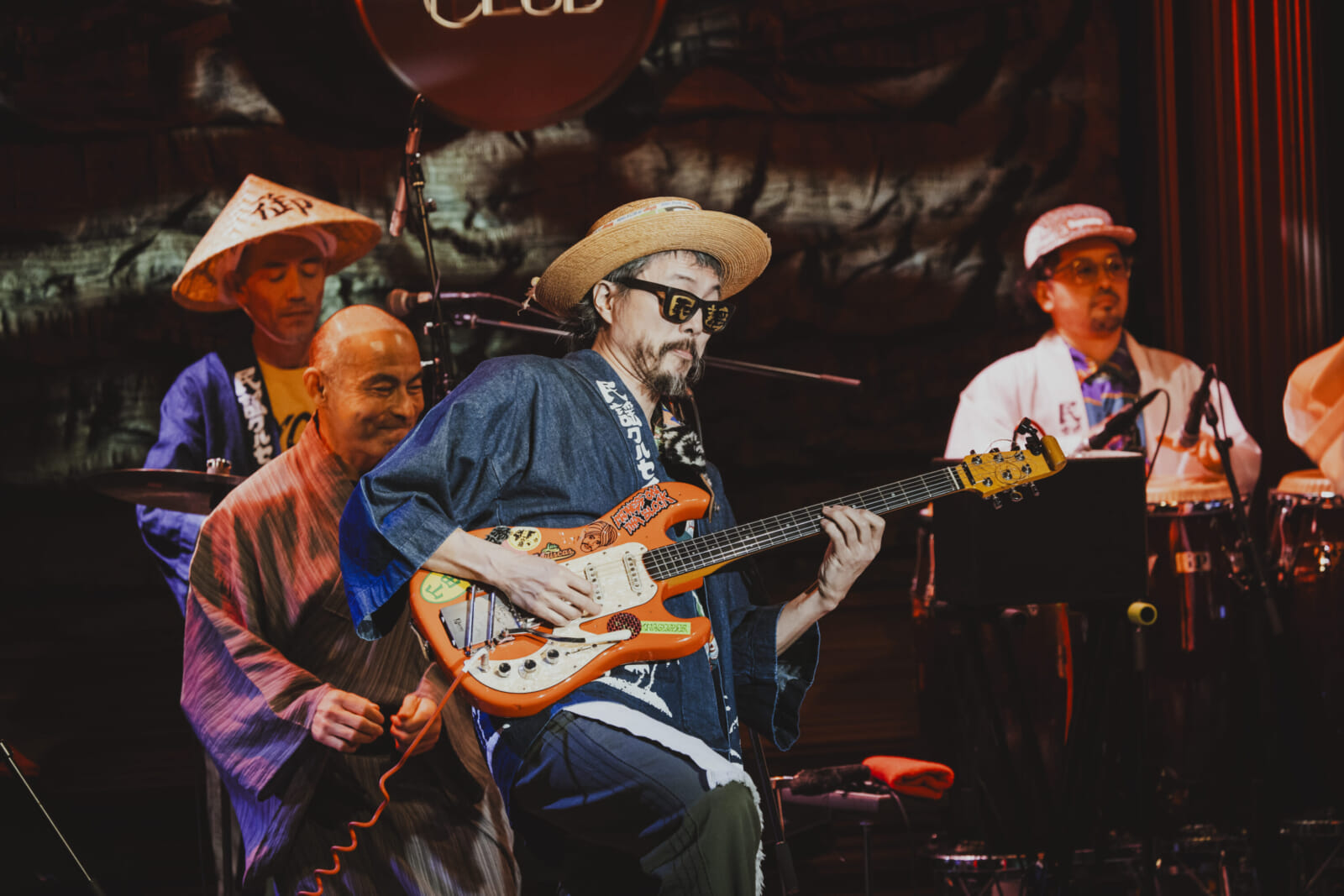
“Rather than trying to deliver a specific message, we want to offer the experience itself,” says Osawa. “The idea that even different cultures can resonate with one another.”
Implications: A New Paradigm for Heritage
The rise of the Minyo Crusaders carries significant implications for how we view cultural preservation. In an era of globalization, there is a tendency to fear that local traditions will be swallowed by Western monoculture. The Crusaders prove that the opposite can be true: that traditional forms can act as a foundation for global innovation.
By signing with Blue Note—a label synonymous with the evolution of jazz—the band has validated the idea that minyo is not merely an ethnomusicological curiosity, but a viable, evolving art form. They have successfully stripped away the "folk" label that often relegates such music to academic archives and placed it firmly back into the hands of the audience.
For the listener, the takeaway is simple but profound: culture is not a fixed point in the past. It is a living, breathing, and above all, flexible entity. As the Minyo Crusaders continue their journey, they invite us all to participate in the conversation—to hear the echoes of the Japanese past not as a fading whisper, but as a vibrant, pulsing rhythm for the future.
Interested in experiencing the sound of the future of folk?
The Minyo Crusaders will perform a two-night special at the Cotton Club in Tokyo on July 26 and 27, 2026. Reservations can be made through the official Cotton Club website. For more information on the band’s tour dates and discography, visit their official website.


 Neng Nana
 Asro
Asro