

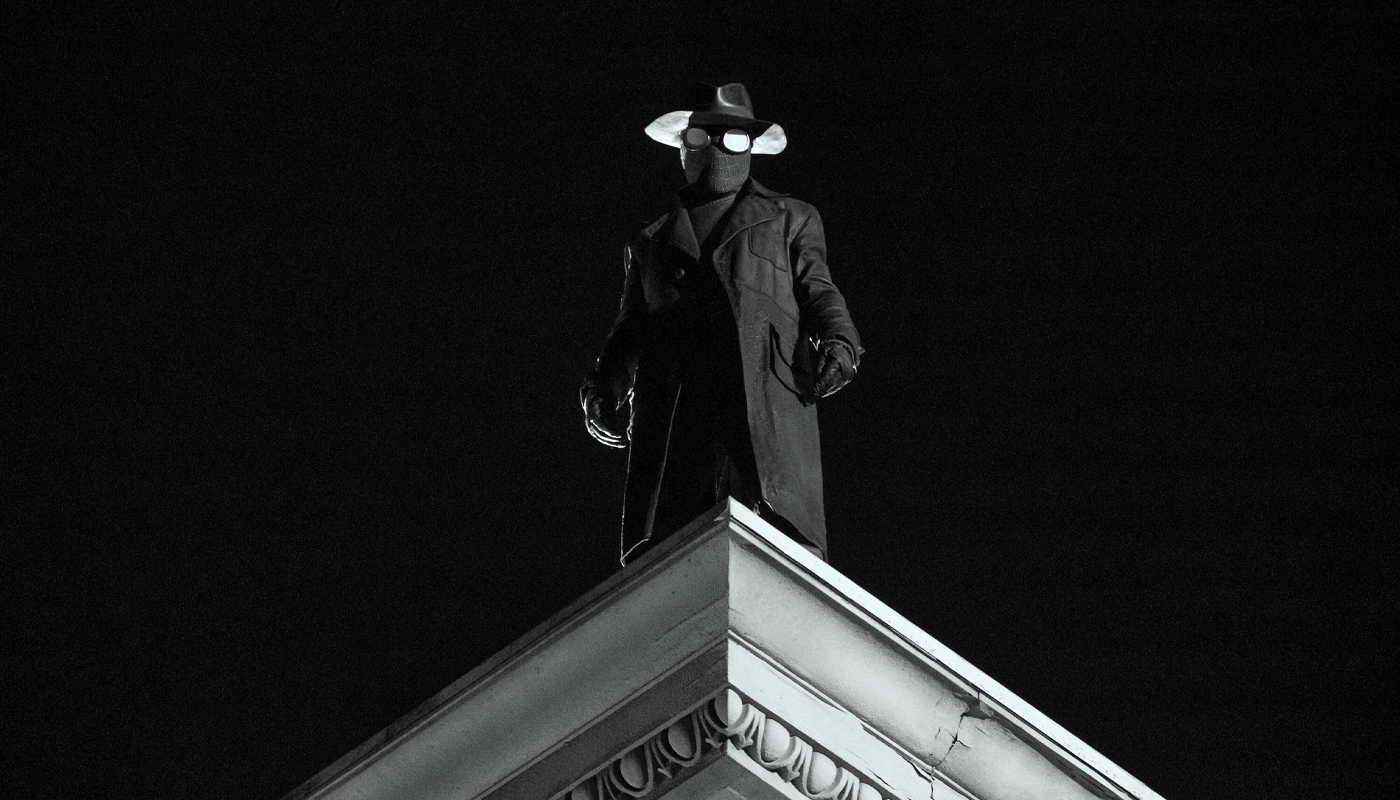
In the sprawling, often hit-or-miss landscape of modern superhero adaptations, the trajectory of Spider-Noir stands as a singular anomaly. It is a project that, by all industry metrics, should never have existed. Born from a niche experiment in the late 2000s, resurrected by a freak occurrence of pop-culture synergy, and finally brought to life through a gritty, genre-bending television series on Amazon Prime, Spider-Noir has evolved from a throwaway comic concept into one of the most critically lauded superhero narratives of the decade.
The Origins: A Depression-Era Experiment
The character’s roots can be traced back to the "Marvel Noir" line of comics published between 2009 and 2010. During this period, Marvel Comics experimented with transplanting its most iconic heroes into the bleak, atmospheric setting of the Great Depression. Alongside the wall-crawler, readers were treated to reimagined, noir-inflected versions of the X-Men, Daredevil, Iron Man, Luke Cage, and the Punisher.
While the line enjoyed a brief moment of prestige, it was eventually shuttered, and the characters faded into the periphery of Marvel lore. It wasn’t until the 2014 "Spider-Verse" event—a multiversal crossover that unified various iterations of Spider-Man—that the Noir version gained a second wind. Alongside fan-favorites like Miles Morales and the newly introduced Spider-Gwen, the black-and-white private eye found a new audience.
However, the character’s true "big break" came in 2018. The animated masterpiece Spider-Man: Into the Spider-Verse introduced a wider audience to a version of the character voiced by Nicolas Cage. With his monochrome aesthetic and a peculiar, hilarious fixation on a Rubik’s Cube, Cage’s vocal performance transformed a minor curiosity into a breakout star. The character’s popularity soared, leading to a resurrection in the comics—including miniseries in 2020 and 2025—and ultimately, a live-action series that would test the limits of superhero television.
Chronology: From Page to Prime Video
The journey of Spider-Noir from the drawing board to the screen is a story of creative perseverance. After the character’s successful animation debut, the demand for a live-action project grew, leading to the development of the eight-episode series now streaming on Prime Video (following an initial preview on MGM+).

- 2009-2010: The initial "Marvel Noir" comic run establishes the tone and aesthetic.
- 2014: The "Spider-Verse" comic event cements the character as a key multiversal player.
- 2018: Spider-Man: Into the Spider-Verse provides the cultural impetus for a revival.
- 2020-2025: Marvel releases new comic miniseries, keeping the character in the public eye.
- 2026: Spider-Noir premieres, marking the first time the character takes the lead in live-action.
The series, which drops all eight episodes at once, offers a bold viewing choice: the option to watch in either black-and-white or full color. While many purists opted for the monochromatic experience, the color version reveals a vibrant, meticulously crafted New York City of the 1930s. Rather than relying on the grainy, dark tropes associated with historical film, the production team leaned into the reality that the era was, in fact, lived in color.
The Creative Pivot: A Departure from Canon
Spider-Noir is notable not just for its visual style, but for its narrative structure. It is a thematic adaptation rather than a direct one. The show discards much of the traditional "Spider-Man" mythology, focusing instead on a protagonist named Ben Reilly. In the source material, Reilly was a clone of Peter Parker; here, the name serves as a distinction for a man who is clearly not the teenage wall-crawler audiences expect.
The protagonist operates not as "Spider-Man," but simply as "The Spider," a title that draws inspiration from 1930s pulp fiction characters. The costume, too, acts as a homage to the original pulp Spider character, acknowledging the roots of the superhero genre before the era of spandex.
The narrative leans heavily into the noir genre: a private investigator with a long-suffering secretary, a femme fatale, systemic corruption, and bootleg liquor. However, it also grounds the story in the reality of the 1930s. The show addresses the crushing poverty of the era, the presence of "Hoovervilles," and the harsh, often ignored realities of racism—as seen in the treatment of reporter Robbie Robertson at the Daily Bugle.
Supporting Data: Why the Show Works
The series succeeds where other recent Sony-adjacent projects have failed. Unlike the critically panned Morbius or Madame Web, Spider-Noir finds its footing by focusing on character dynamics rather than CGI spectacles.

The "Spidershit" Factor
The series utilizes Nicolas Cage’s penchant for the eccentric. The origin of the powers—genetic experiments conducted by Germans on American POWs during WWI—allows for a plot-driven explanation of the protagonist’s "weirdness." The bite from a transformed spider leaves Reilly with an urge to move like a creature, forcing him to study old films (James Cagney, Humphrey Bogart) to mimic human behavior. It is a brilliant way to justify Cage’s intense, erratic acting style within the confines of a gritty, noir world.
The Supporting Cast
The chemistry between the leads is the show’s beating heart. Karen Rodriguez’s portrayal of secretary Janet Ruiz is a standout; she provides the emotional anchor for the series, offering a perspective rarely seen in traditional noir. Her dynamic with the cynical Reilly and the driven Robbie Robertson (Lamorne Morris) creates a believable camaraderie that drives the series through its eight-episode arc.
Implications for the Genre
The success of Spider-Noir has significant implications for future superhero adaptations. It proves that there is a massive appetite for "genre-blending"—taking established comic book tropes and filtering them through the lens of specific film genres, such as the noir thriller.
Furthermore, the series serves as a case study in pacing. By eschewing the "filler" episodes that plague many streaming services, Spider-Noir maintains a consistent intensity. The narrative is taut, the stakes feel personal rather than cosmic, and the resolution of the eight-episode arc feels earned rather than forced.
Despite some minor flaws—such as the historically inaccurate reference to tai chi in the 1930s and a somewhat strained understanding of federal versus local law regarding Prohibition—the series remains a cohesive, compelling piece of television.

Conclusion: A Turning Point for Sony
For years, the "Sony-adjacent" brand of superhero films has been associated with mediocrity. With Spider-Noir, the studio has finally hit paydirt. It is a love letter to a bygone era of pulp storytelling that manages to capture the fundamental essence of a "Spider-Man" story: the idea that a hero is someone who steps up to fight, even when the world has stacked the deck against them.
The "Parker luck"—or in this case, the "Reilly luck"—may be defined by constant misfortune, but the resilience shown by the protagonist is what makes the show resonate. As the final credits roll, it is clear that Spider-Noir is not just a triumph of style; it is a testament to the fact that when you treat a character with depth, respect, and a willingness to embrace their weirdest origins, the results can be nothing short of fantastic.
It has been a long time coming, but for the first time in recent memory, a live-action Sony Spider-project has finally, truly, stuck the landing.










No comments yet. Be the first to join the conversation!