

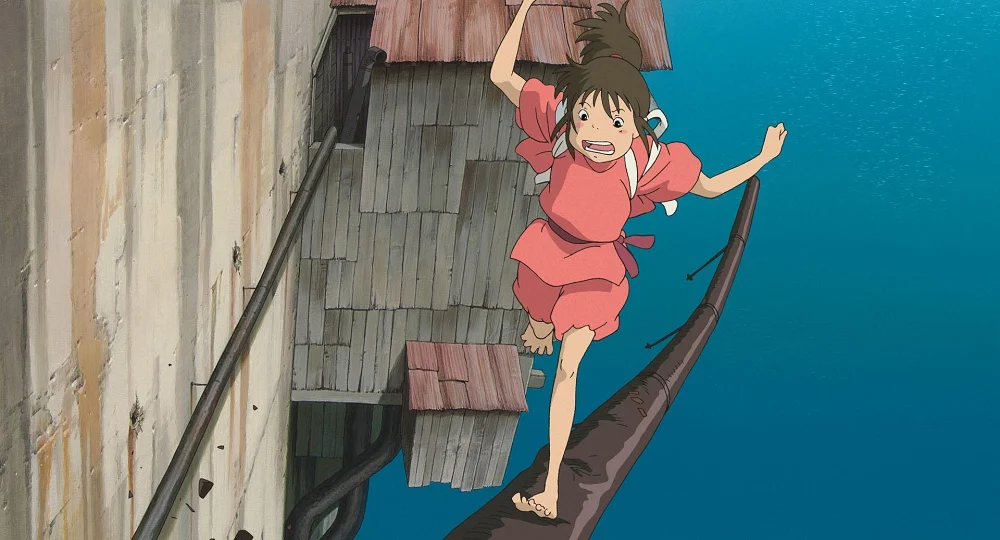
In the era of "on-demand everything," where global audiences expect instant access to cinematic catalogs at the touch of a button, Studio Ghibli remains a resolute outlier in its home country. While fans in the United States, Europe, and elsewhere enjoy the convenience of streaming classics like Spirited Away and My Neighbor Totoro on platforms like Max and Netflix, the Japanese market remains conspicuously empty of such options.
This digital blackout is not a technological failure or a licensing oversight; it is a calculated, strategic choice. Despite the rapid decline of physical media and the rise of Japanese streaming services like Hulu Japan, Studio Ghibli—now a subsidiary of Nippon TV—maintains a strict policy against streaming its catalog domestically. As the world pivots toward a digital-first future, the tension between the studio’s traditionalist philosophy and modern consumer expectations has never been higher.
The Chronology of an Unlikely Holdout
Studio Ghibli’s relationship with digital distribution has always been characterized by a profound sense of hesitation. For decades, co-founders Hayao Miyazaki and the late Isao Takahata maintained a firm belief in the "sacredness" of the theatrical and physical experience. They viewed their films not as content to be consumed in the background, but as artistic events to be savored.
The studio’s initial resistance to the streaming wave was legendary. While major Hollywood studios rushed to sign multi-billion dollar output deals with Netflix and Amazon, Ghibli remained silent. It was not until 2019 that the studio finally softened its stance for international markets. A landmark deal with HBO Max (now Max) brought the bulk of the library to North American viewers. Shortly thereafter, in 2020, a similar arrangement was made with Netflix for international territories, excluding the United States and Japan.
However, even as these deals brought Ghibli to the global stage, the Japanese domestic market remained untouched. The only exception to this rule is Grave of the Fireflies, which, due to a unique historical quirk in its production rights, exists outside of Ghibli’s direct control. For the rest of the collection, the "Ghibli vault" in Japan remains firmly locked.
The Digital Divide: Why Japan is Different
To understand why Ghibli remains offline in Japan, one must understand the unique media ecosystem of the country. Unlike the West, where physical video rental stores have almost entirely vanished, Japan still maintains a lingering, albeit shrinking, retail footprint for physical media. More importantly, however, is the role of television.
In Japan, "appointment viewing" remains a cultural touchstone. The Friday Roadshow (Kinyo Roadshow) on Nippon TV serves as a national event. When a Ghibli film airs, it dominates social media conversation, bringing millions of viewers together in a shared, synchronized experience. This is a far cry from the solitary, individualized experience of binge-watching on a smartphone.
The Acquisition and the Corporate Strategy
The dynamic shifted significantly in 2023 when Nippon TV officially acquired Studio Ghibli as a subsidiary. Many observers speculated that this corporate marriage would lead to the immediate migration of Ghibli films to Hulu Japan, which is also owned by the broadcaster. Yet, that transition never materialized.
In a press conference held on May 25, 2026, Hiroyuki Fukuda, President of Nippon TV, addressed the persistent inquiries regarding this digital absence. His response clarified that the lack of streaming is not a result of oversight, but a shared mission between the broadcaster and the animation house.
Official Stance: Preserving the "Specialness"
Addressing the concerns of fans who fear that the newer generations might lose touch with Ghibli’s legacy, Fukuda was candid about the studio’s philosophy.
"Presently, Studio Ghibli and Nippon TV are of the shared belief that we want to preserve the specialness of Ghibli’s films appearing on broadcast TV through our Friday Roadshow program," Fukuda stated. He acknowledged the rising tide of public demand for streaming access, noting, "We are of course aware of the various requests for and different opinions regarding streaming, and this is a matter we intend to continue discussing moving forward."
The core argument is one of scarcity. By limiting the availability of these films to specific broadcast windows or physical purchases, the studio ensures that every viewing remains an "event." They are concerned that if My Neighbor Totoro or Princess Mononoke were available at any time on a streaming service, the films would lose their cultural gravity, transitioning from "classics" to "disposable content."
Supporting Data: The Multi-Pronged Approach to Relevance
If the studio is not relying on streaming to maintain its relevance, how does it stay at the forefront of the public consciousness? The answer lies in a sophisticated, physical-world ecosystem that emphasizes tangible engagement over digital convenience.
- The Ghibli Museum and Ghibli Park: These physical locations act as cathedrals for the brand. By requiring fans to travel to Mitaka or Nagoya, the studio creates a "pilgrimage" mentality that reinforces the value of their intellectual property.
- Traveling Art Exhibitions: Ghibli’s touring museum-style exhibits allow fans to walk through physical recreations of their favorite scenes. These events generate localized buzz that keeps the films in the news cycle without the need for a streaming release.
- Theatrical Adaptations: From the acclaimed kabuki production of Nausicaä of the Valley of the Wind to the upcoming stage adaptation of Princess Mononoke, the studio is constantly re-contextualizing its stories in new mediums.
- Physical Media: Japan remains one of the world’s most robust markets for Blu-ray and DVD sales. Collectors continue to purchase high-quality physical releases, which the studio treats as definitive, permanent versions of the films.
Implications: A Calculated Risk or a Dying Strategy?
The debate over Ghibli’s streaming policy highlights a fundamental tension in modern media: the conflict between accessibility and exclusivity.
Critics argue that by refusing to stream, Ghibli is courting irrelevancy. As the demographic of younger viewers in Japan shifts toward digital-native consumption, the lack of a streaming presence risks creating a "knowledge gap." If a child cannot find a Ghibli movie on their tablet, will they grow up with the same emotional connection to the studio that their parents did?
However, there is a counter-argument that Ghibli’s current strategy protects its brand equity. In a global market flooded with endless content, Ghibli is one of the few entities that still commands "event status." By refusing to let their films be treated as mere library filler, they ensure that when a Ghibli movie is on, the entire country pays attention.
The Path Forward
The relationship between Nippon TV and Studio Ghibli appears to be one of partnership rather than top-down corporate control. Nippon TV understands that if they were to force the studio into a streaming deal against its will, they would risk damaging the very creative spirit that makes the Ghibli brand valuable.
Whether the studio will eventually cave to market pressure remains an open question. For now, they are betting that the "old-fashioned way" is not just a relic of the past, but a sustainable model for the future. As long as the Friday Roadshow ratings remain high and the Ghibli theme parks stay crowded, the studio will likely continue to view the digital streaming era with a polite, but firm, "no thank you."
For the Japanese fan, the message is clear: if you want to enter the world of Spirited Away, you will have to wait for the next broadcast, buy the disc, or make a trip to the park. The magic, in Ghibli’s eyes, is only as strong as the effort required to find it.












No comments yet. Be the first to join the conversation!