Nana
Nana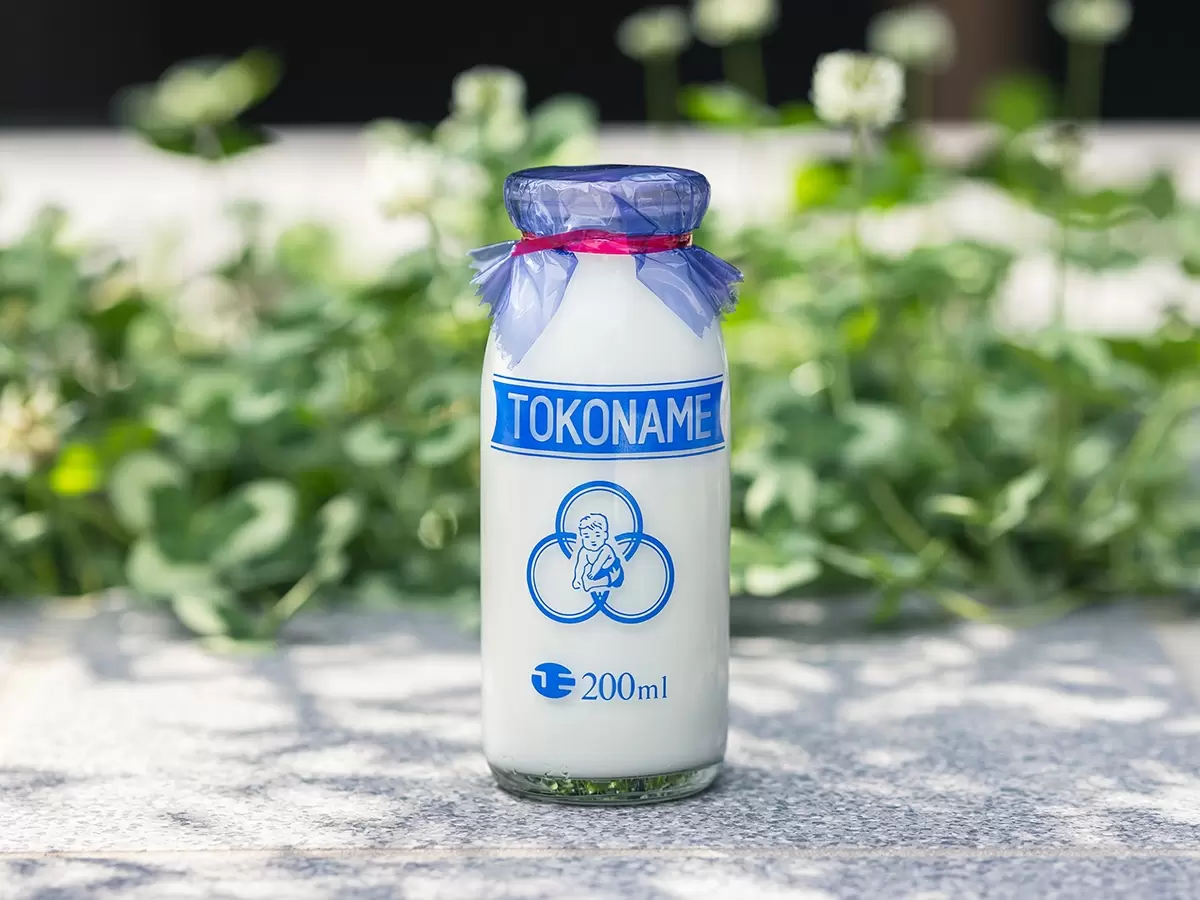
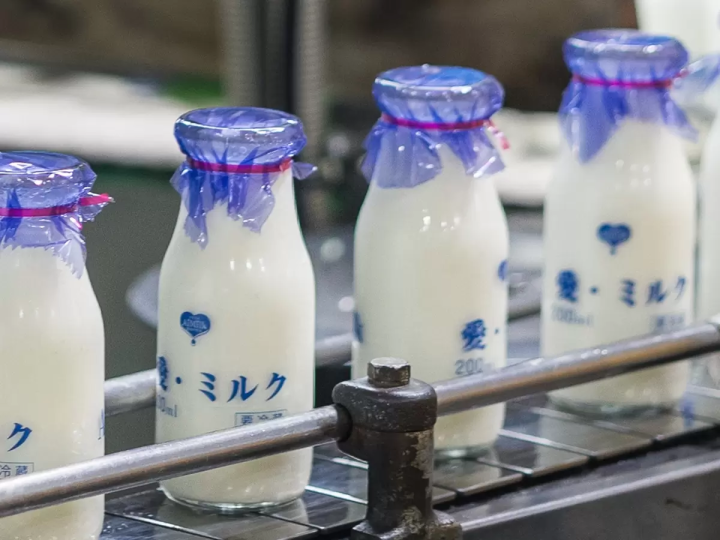
For the residents of Tokoname City on the Chita Peninsula, the term "soul food" does not refer to a complex dish or an elaborate meal. Instead, it is a simple, humble staple: Tokoname Milk. To those who grew up in this coastal region of Aichi Prefecture, the sight of the retro-designed glass bottle or the classic carton is synonymous with childhood, school lunches, and a sense of home. However, this regional dairy product is currently undergoing a renaissance, attracting a new generation of food enthusiasts drawn to its uncompromising quality and a production process that remains rooted in tradition.
The Core Facts: A Tradition of Purity
At the heart of the Tokoname Milk phenomenon is its unique pasteurization process. Unlike high-temperature short-time (HTST) processes common in mass-market commercial dairy, Tokoname Milk is processed at "85°C for 15 minutes." This specific thermal profile allows the milk to retain a mellow, natural sweetness and a pure, unadulterated flavor profile that modern industrial processing often strips away.
The result is a product that is creamy without being heavy, and refreshing without being thin. It is this balance that has made the brand a darling of local pastry chefs, bakers, and restaurateurs who seek to elevate their creations by utilizing the freshest, locally sourced ingredients.
Chronology: From Humble Beginnings to Regional Icon
The story of Tokoname Milk is a reflection of the economic evolution of the Chita Peninsula.
- The Early Showa Era (Showa 1): The company was founded as "Sanwa Milk" in the Sanwa district of Tokoname. In its infancy, the operation was markedly different, focusing on the sale of goat’s milk to the local community.
- The Mid-Century Shift: As dairy farming, specifically the introduction of Holstein cattle, began to take hold across the Chita Peninsula, the company pivoted to bovine dairy. This transition allowed for larger-scale production and cemented the brand’s position as a regional supplier.
- The School Lunch Era: The brand’s growth was deeply tied to the Japanese school lunch system. For decades, 70–80% of the company’s production was dedicated to supplying milk for local schools. This ensured that generations of residents were raised on the flavor profile of Tokoname Milk, creating a lasting cultural attachment.
- Modern Day: Today, while the company continues its commitment to school nutrition, it has diversified its reach. Its products are now staples in local supermarkets and specialty retailers, and the brand has gained a reputation as a premium ingredient for the artisanal culinary scene in Aichi.
The Emblem of Growth
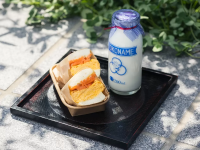
The iconic logo—a child standing amidst three rings—is more than just a brand mark. It was designed to represent the company’s foundational values: the three rings symbolize the company’s name at the time, while the central figure of a child stands as a visual promise. The logo encapsulates a warm, enduring wish: "that children will drink milk and grow up healthy and strong." This sentiment remains the cornerstone of the company’s corporate philosophy, even as it navigates the complexities of the 21st-century food market.

Culinary Implications: The "Tokoname Milk" Gourmet Movement
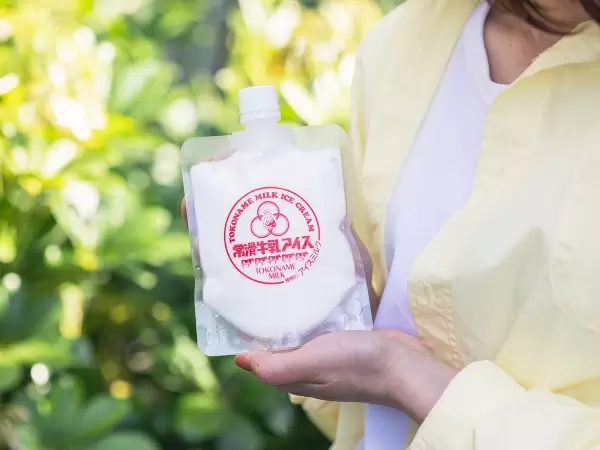
The resurgence of the brand is largely driven by its integration into high-end local sweets and gourmet treats. Pastry chefs and restaurant owners across Tokoname have turned to this milk not just as a commodity, but as a defining flavor component.

Patisserie Horyu: The Art of Seasonality
At Patisserie Horyu, the owner-patissier—a self-proclaimed soft-serve ice cream enthusiast—has mastered the art of balancing Tokoname Milk. The shop’s signature soft-serve ice cream is a study in precision. Recognizing that milk is a living product, the kitchen finely adjusts the sugar and cream ratios according to the season. In summer, the focus is on a light, clean finish, while winter recipes emphasize a richer, more decadent mouthfeel.
Recipewo: The Egg Farmer’s Vision
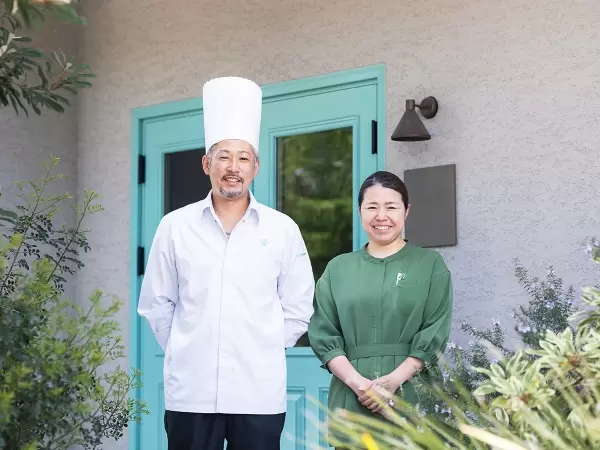
The philosophy at "Recipewo," a restaurant founded by an egg farmer, is simple: to share the raw, unadulterated beauty of farm-fresh eggs. By pairing their eggs—laid within 24 hours of use—with fresh Tokoname Milk, they have created a menu that feels like a tribute to the Chita Peninsula’s agricultural prowess.

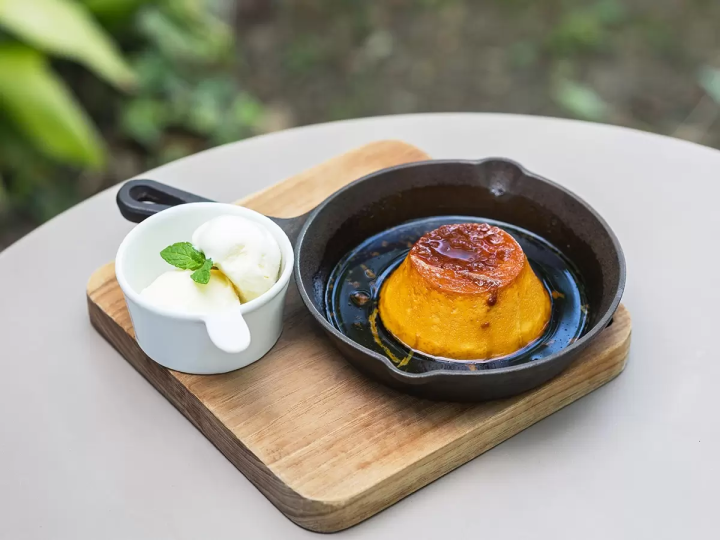
Their "Egg Jam" milkshake is a testament to this, offering a rich, savory-sweet profile that finishes with a refreshing, clean note. Similarly, their puddings—ranging from warm, "freshly baked" classics to cold à la mode variations—highlight the natural, refreshing richness that is the hallmark of the local dairy.
BAKER’s WORKS: The Koppepan Revolution
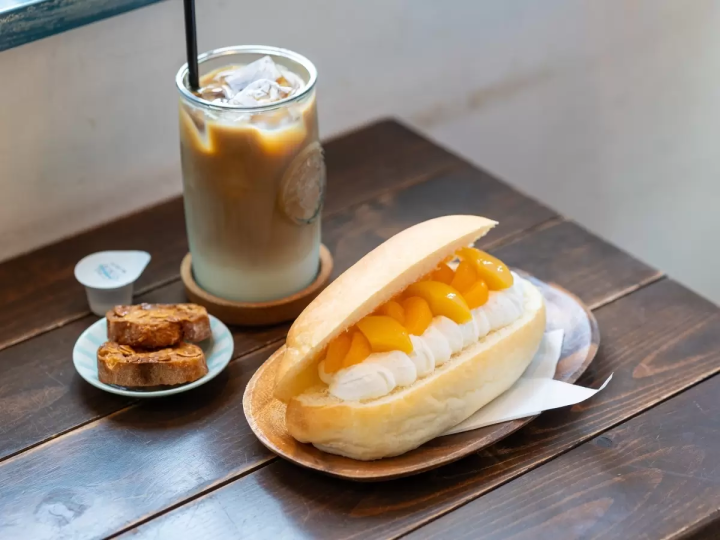
For those who prefer a savory or carb-based experience, BAKER’s WORKS has successfully incorporated Tokoname Milk into their famous koppepan (soft rolls). The milk acts as a natural sweetener and tenderizer, resulting in a bread texture that is remarkably soft. When these rolls are paired with fresh, made-to-order fillings, they become a quintessential Tokoname experience. Their café au lait, naturally, uses the same local milk, providing a cohesive, comforting flavor profile that draws crowds from across the region.

Yamahei Hanare: Heritage and Hospitality
Yamahei Hanare, housed in a traditional setting, demonstrates the versatility of the milk in refined culinary applications. Their French toast, soaked in a rich custard base of Tokoname Milk, is a centerpiece of their breakfast and lunch menus. The dish serves as a masterclass in balance, pairing the sweetness of the milk-soaked bread with the sharp, salty contrast of prosciutto and mozzarella.

Official Responses and Quality Assurance
While the company remains a smaller, regional entity, its commitment to the "85°C for 15 minutes" process is a point of professional pride. Industry analysts suggest that this dedication to a "low-stress" pasteurization method is the primary reason the milk has maintained such a loyal following. By not pushing the temperature to the levels required for longer shelf-life (UHT) milk, the company preserves the protein structures and fat globules that give the milk its "mellow and pure" taste.

From an organizational standpoint, the company views itself as a custodian of local health. By maintaining the supply chain for schools while simultaneously fostering partnerships with local artisanal businesses, they have successfully positioned their product as both an essential daily staple and a luxury ingredient.

Implications for the Future of Local Food Systems
The story of Tokoname Milk is a case study in the power of "hyper-local" branding. In an era where global supply chains dominate, the success of this local dairy highlights a growing consumer demand for transparency and regional identity.
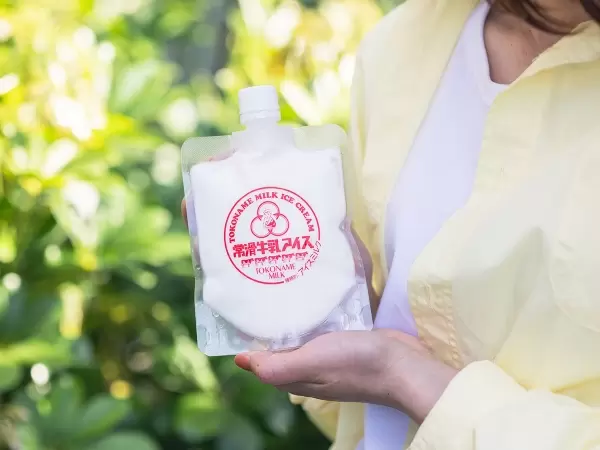
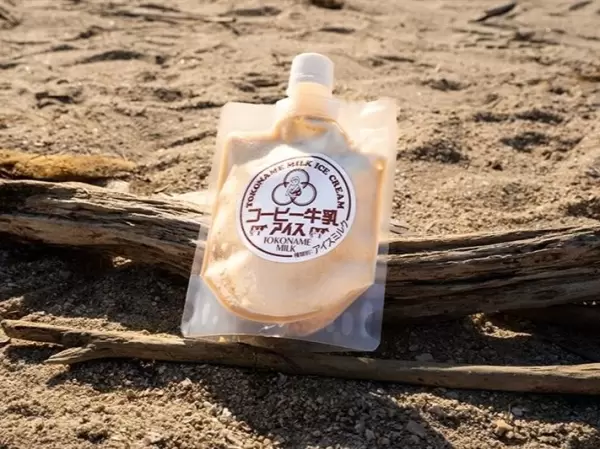
The "Tokoname Milk Feature" is not merely about a beverage; it is about the preservation of a regional identity. As tourists walk the famous "Pottery Footpath"—navigating the scenic slopes and historic clay pipe walls—the presence of these local dairy-based treats provides a tangible connection to the land. Whether it is a refreshing milk-based dessert after a long walk or a souvenir cookie featuring the local "Tokonyan" mascot, the product reinforces the narrative that Tokoname is a city that cares deeply about the quality of what it produces and consumes.
Conclusion: A Journey of Taste
For anyone visiting the Chita Peninsula, Tokoname Milk is more than just a refreshing drink—it is a mandatory cultural experience. It represents a bridge between the industrial history of the region and its vibrant, modern culinary scene.
As we look toward the future, the brand’s ability to remain "pure white"—a symbol of consistency and quality—suggests that it will continue to nurture the people of Tokoname for generations to come. Whether you are a long-time resident or a first-time visitor, we invite you to take a delicious journey through these local flavors. It is a rare opportunity to taste the dedication, history, and pure, creamy goodness of a region that treats its milk as a soul food, and its food as an art form.


 Neng Nana
 Asro
Asro