

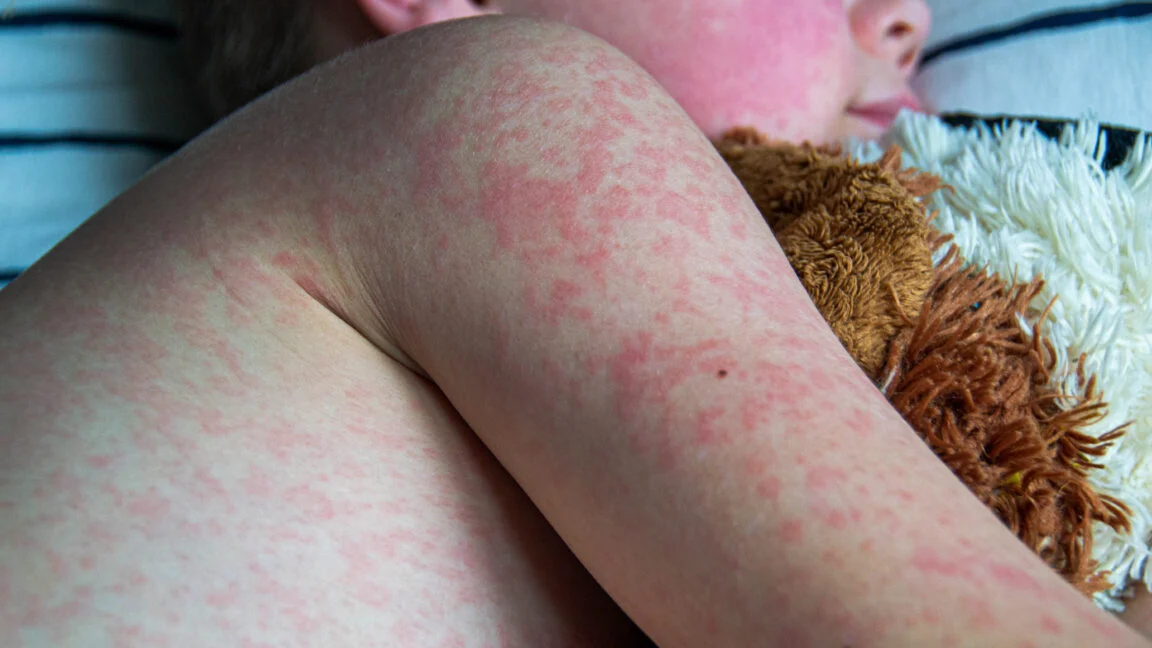
As the United States grapples with its most significant measles surge in decades, new clinical data emerging from recent outbreaks paints a harrowing picture of the virus’s severity. Once considered a disease of the past, measles is re-emerging with a virulence that challenges the common misconception that it is merely a "childhood rite of passage." A comprehensive analysis of 54 hospitalized patients from a recent outbreak provides a sobering look at how this highly contagious pathogen can devastate even those with no underlying health risks, turning a manageable illness into a fight for survival.
Main Facts: The Severity of Modern Measles
The clinical data derived from 54 hospitalized patients during a recent outbreak serves as a stark reminder of the virus’s destructive potential. Among these patients, the demographic profile defies the assumption that only the chronically ill are at risk. Remarkably, only six of the 54 patients possessed underlying medical conditions that would typically predispose them to severe disease, and none of the patients were immunocompromised. This suggests that the measles virus is capable of inflicting profound systemic damage on otherwise healthy individuals.
The complication rate is staggering: 87 percent of these hospitalized patients (47 individuals) suffered from severe secondary issues. Pneumonia—the most common cause of death in children with measles—affected 72 percent of the cohort. Other complications included severe dehydration (46 percent) and debilitating diarrhea (39 percent). Furthermore, 31.5 percent of patients suffered from secondary co-infections, as the measles virus often suppresses the immune system, leaving the body vulnerable to opportunistic pathogens. Consequently, over half of the patients (52 percent) required treatment with antibiotics to combat these secondary bacterial invasions.
The respiratory impact was particularly severe. Roughly 70 percent of patients required supplemental oxygen, and 68.5 percent experienced hypoxia, a dangerous state where the body’s tissues are deprived of adequate oxygen. The crisis reached its zenith for four pediatric patients who required intensive care unit (ICU) intervention, including two who were placed on mechanical ventilation. Ultimately, the outbreak claimed the life of at least one child, with a second pediatric death occurring shortly after the study period, underscoring the tragic, irreversible cost of declining vaccination rates.
Chronology: A Trajectory Toward Elimination Failure
The current situation in the United States is not an isolated event but rather the culmination of a multi-year decline in public health vigilance. In 2025, the U.S. recorded 2,288 confirmed cases of measles—the highest annual total reported since 1991. This figure was a clear warning sign that the nation’s protective barrier against the virus was fraying.
The acceleration in 2026 has been nothing short of alarming. Less than six months into the current year, the country is already nearing the 2025 annual total. As of May 28, 2026, the Centers for Disease Control and Prevention (CDC) has confirmed 1,983 cases across 40 different jurisdictions. With 30 new, distinct outbreaks identified since January, public health experts warn that the United States is rapidly approaching a tipping point where it may officially lose its status as a "measles-eliminated" nation—a designation it has held since 2000.
This chronology reflects a systemic erosion of herd immunity. As vaccination coverage in various pockets of the country continues to dip below the 95 percent threshold required to prevent community spread, the virus has found fertile ground in which to proliferate, moving from isolated cases into widespread, multi-state outbreaks.
Supporting Data: The Vulnerability of Pregnancy and Infancy
Perhaps the most distressing facet of the recent data concerns the impact of measles on pregnant women and their newborns. Among the five adults hospitalized in the study group, four were pregnant. The clinical outcomes for these women were fraught with danger. Two of the women gave birth during their hospitalizations, and both infants were born with active measles infections.
The long-term implications for these infants are severe. One of the newborns later developed symptoms consistent with acute measles meningoencephalitis—a life-threatening inflammation of the brain. This highlights the "vertical" danger of measles: when a mother is infected during pregnancy, the consequences can cascade through the generations, leading to preterm births, low birth weights, and potentially lifelong neurological damage for the child.
These cases illustrate that measles is not merely a respiratory ailment; it is a systemic infection that can cross biological barriers and impact the most vulnerable stages of human development. The fact that infants too young to be vaccinated are being forced to battle the virus at birth is a direct consequence of the community-wide loss of immunity.
Official Responses and Clinical Perspectives
Public health officials and infectious disease experts are responding with increasing urgency. The consensus among the medical community is that the "mild" narrative surrounding measles is both outdated and dangerous.
"Although many cases of measles are mild, approximately one in five persons with confirmed measles in this outbreak required hospitalization," the authors of the study concluded. The data suggests that when measles breaks through, it does so with a ferocity that strains the capacity of local hospitals. The reliance on supplemental oxygen, intensive care units, and mechanical ventilation underscores that even in a modern healthcare setting, the virus remains a formidable adversary.
The CDC continues to emphasize that the Measles, Mumps, and Rubella (MMR) vaccine is the single most effective tool for preventing the disease. Health officials are calling for a renewed focus on "catch-up" vaccination campaigns, particularly in communities where immunization rates have plummeted. There is a growing emphasis on school-entry requirements and the need for public education to combat the misinformation that has contributed to vaccine hesitancy.
Implications: The High Cost of Immunity Gaps
The implications of this data extend far beyond individual medical charts; they represent a significant challenge to the public health infrastructure of the United States.
The Strain on Healthcare Systems
Each hospitalization for measles is resource-intensive. The need for oxygen, specialized ICU care, and isolation protocols places a significant burden on hospitals already struggling with staffing shortages and seasonal surges of other respiratory illnesses. When 20 percent of measles patients require inpatient care, as this study suggests, a large-scale outbreak can quickly overwhelm regional medical systems.
The Erosion of Public Health Milestones
Losing the "measles-eliminated" status would be a massive blow to the U.S. public health system. This status, achieved through decades of rigorous vaccination efforts, signifies that the virus is not "endemic" to the country. If the U.S. loses this status, it implies that the virus is circulating constantly within the population, requiring a shift in strategy from reactive outbreak containment to long-term, intensive management of an endemic disease.
Re-evaluating Risk Perception
The data serves as a corrective to the complacency that has set in regarding vaccine-preventable diseases. For a generation that has never seen the ravages of measles, the virus has lost its "boogeyman" status. However, the 2026 data shows that the virus has not changed; our immunity to it has. The shift from "preventable disease" to "public health crisis" is fueled by a gap in the collective memory of the severity of measles.
The Path Forward
To reverse this trend, public health experts argue that the response must be multi-pronged. It requires:
- Aggressive Catch-up Initiatives: Targeted efforts to identify and vaccinate children and adults who missed their doses during the pandemic and the subsequent years of declining uptake.
- Addressing Misinformation: Combating the digital spread of anti-vaccination rhetoric with clear, data-driven communication that highlights the reality of hospitalizations and complications.
- Strengthening Legislation: Reviewing and potentially tightening medical and non-medical exemption policies to ensure that school-aged children are protected within their learning environments.
- Clinical Vigilance: Ensuring that pediatricians and emergency room clinicians remain trained to recognize the symptoms of measles early, even as the disease becomes more common, to prevent further spread and ensure prompt treatment.
In conclusion, the data from this recent outbreak is a clarion call. It moves the conversation beyond statistics and into the realm of human cost—the oxygen-dependent child, the pregnant woman facing the risk of miscarriage or newborn infection, and the strain on the medical system. As the nation faces the prospect of losing its measles-free status, the path back to safety is clear: it lies in the renewed commitment to the scientific evidence that has protected humanity for over half a century. The window to act is closing, but the mechanism for prevention—a safe, effective, and widely available vaccine—remains our most potent weapon against this preventable tide of illness.












No comments yet. Be the first to join the conversation!