


Welcome to Indie App Spotlight, our weekly series dedicated to uncovering the most innovative tools crafted by independent developers. This week, we explore the latest evolution of NextThere, a transit utility that is changing how commuters and travelers perceive the "messy" reality of public transportation.
Navigating the labyrinthine public transportation systems of modern metropolises is a universal pain point. Whether you are a local commuter battling the morning rush or a tourist attempting to decipher the complex grid of a foreign city, standard mapping applications often fall short. While they excel at basic point-to-point navigation, they frequently fail to provide the granular, real-time, and historical context necessary to make informed travel decisions.
Enter NextThere, a transit-focused application that has recently undergone a major transformation with its 4.1 update. By moving beyond the limitations of standard navigation software, NextThere is carving out a niche for itself as the "power user’s" guide to public transit.
Main Facts: The New Standard for Transit Data
NextThere is not merely a timetable app; it is a comprehensive transit intelligence platform. The latest version, 4.1, marks a significant departure from its origins as a regional tool in Australia and New Zealand, expanding its reach into major North American markets.

The application distinguishes itself through three core pillars:
- Departure Analytics: Unlike standard apps that provide a static "arrival time," NextThere offers deep-dive analytics into how that time is calculated, factoring in historical performance.
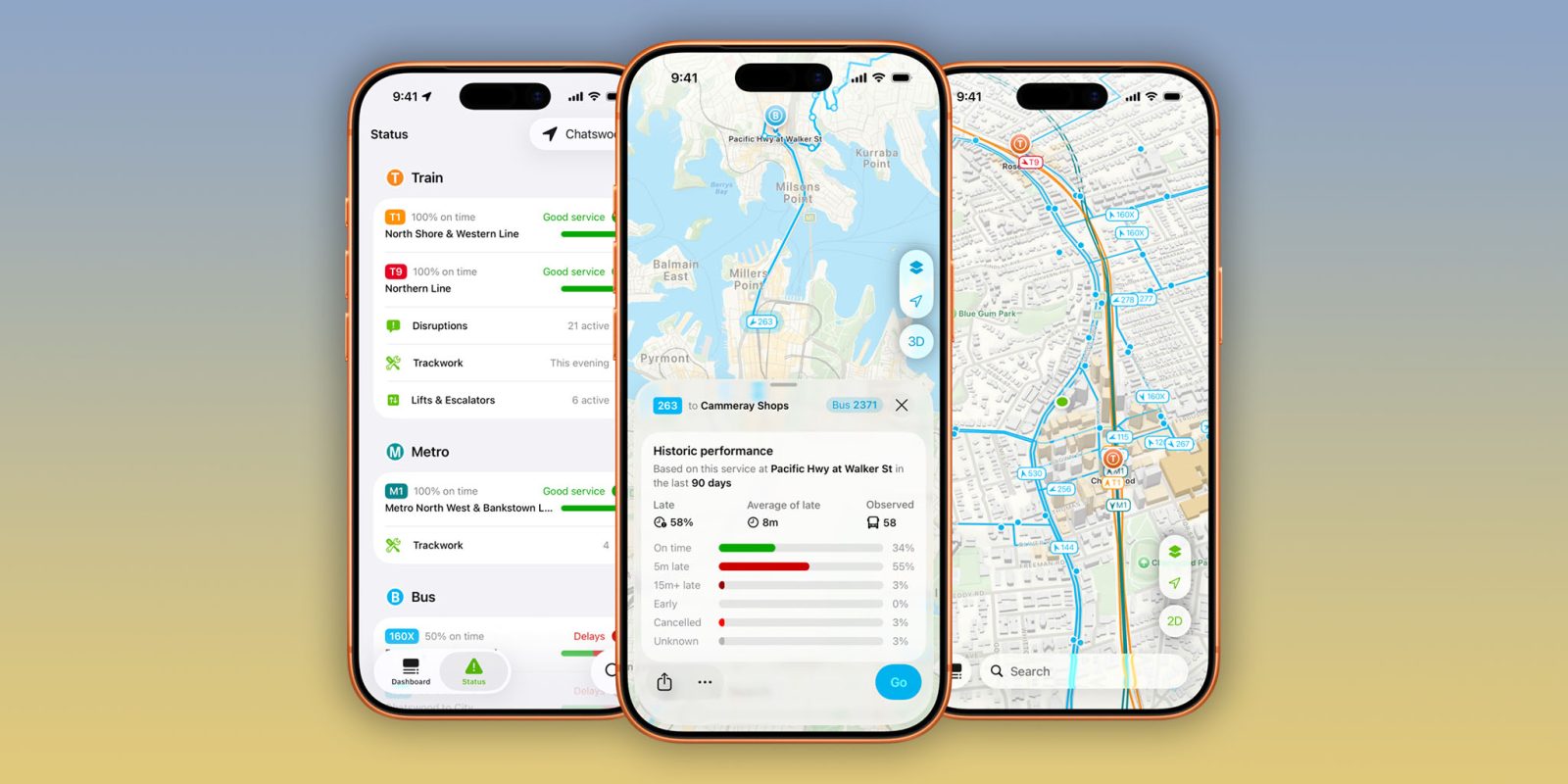
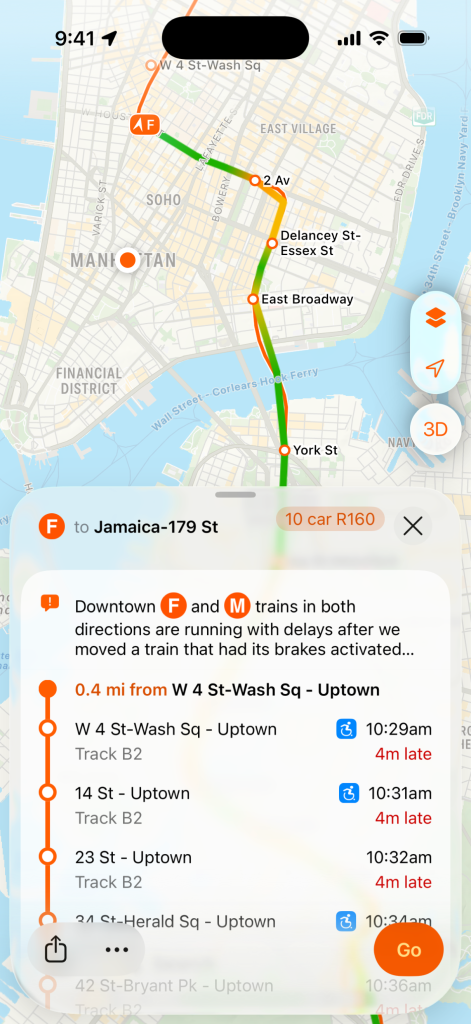
- Real-Time Vehicle Tracking: Users can watch buses and trains move across a live map. The inclusion of "vehicle traces" allows users to see exactly where a specific vehicle has been, including instances where it slowed down or became caught in traffic bottlenecks.
- Cross-Platform Ecosystem: The app offers native support for iPhone, iPad, and Apple Watch, supplemented by a robust web-based portal, ensuring that data is accessible regardless of the device at hand.
The app is available for free on the App Store for devices running iOS 15.6 or later, with a "Pro" tier ($1.99/month or $12.99/year) that unlocks advanced features like deep-level vehicle tracing and extended historical performance data.
Chronology: From Regional Utility to Global Challenger
The journey of NextThere began with a focus on solving the fragmented nature of transit data in Oceania. For years, the app served as a boutique utility for commuters in Australia and New Zealand, earning a reputation for its clean UI and reliable data sourcing.
Key Milestones:
- The Early Years: Development centered on aggregating disparate GTFS (General Transit Feed Specification) data to create a unified, readable interface for local commuters.
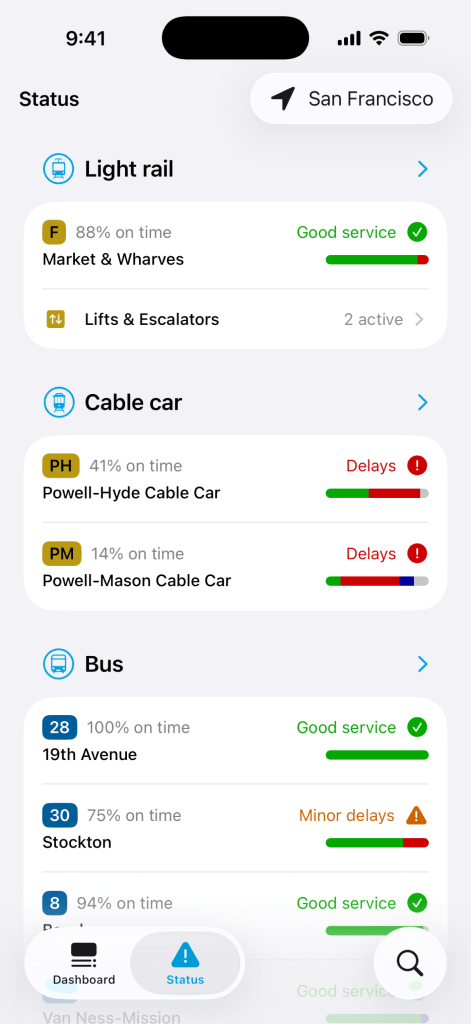
- The 4.1 Expansion: This update represents the largest architectural shift in the app’s history. It saw the integration of high-density US regions, including New York, Los Angeles, Chicago, San Francisco, Portland, Boston, and Hawaii, as well as Ontario, Canada.
- The Feature Pivot: The shift from simple arrival times to "predictive intelligence"—incorporating historical delays and real-time vehicle movement—marked the transition from a passive information tool to an active decision-making aid.
Supporting Data: Why "Generic" Mapping Fails
In the current digital landscape, tech giants often offer a "one-size-fits-all" transit experience. However, public transportation is inherently local and unpredictable. Data suggests that the primary reason for commuter anxiety is not the existence of a delay, but the lack of transparency surrounding it.
NextThere’s approach to this is rooted in transparency. By displaying the "trace" of a vehicle, the app allows users to infer the cause of a delay. If a bus is stuck in a specific intersection, a commuter can look at the map and see the bottleneck in real-time. This level of visual confirmation empowers the user to make an alternative choice—such as taking a different route or opting for a ride-share—before they reach the station.
Furthermore, the integration of historical performance data allows the app to calculate the probability of a "ghost bus"—a vehicle that appears on a digital schedule but never actually arrives. By analyzing years of service logs, NextThere provides a level of predictive reliability that standard GPS-based maps often lack.
Official Responses and Developer Insight
While NextThere is currently unavailable in select major transit hubs like Atlanta, Washington D.C., and Philadelphia, the development team has emphasized that their expansion strategy is one of quality over quantity.
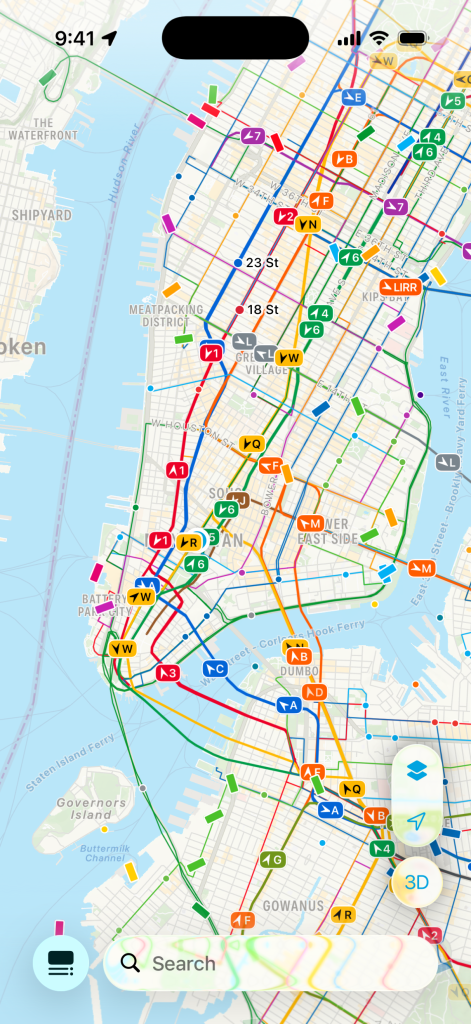
In discussions regarding the 4.1 update, the focus has remained on "deep integration." The developers argue that simply importing a transit authority’s feed is insufficient. To provide a high-quality experience, the app must "clean" and "contextualize" that data to account for the unique quirks of each city’s infrastructure. This explains the current, selective rollout: the team prefers to provide an elite experience in a few regions rather than a mediocre, error-prone experience in dozens of cities.
For the end user, this means that when you open NextThere in a supported city like New York or Chicago, the data feels native. The widgets are responsive, the Live Activities on the iPhone lock screen provide up-to-the-second updates, and the haptic feedback on the Apple Watch makes navigating busy stations significantly less stressful.
Implications: The Future of Urban Mobility
The success and evolution of apps like NextThere signal a broader shift in the "Smart City" movement. As urban populations continue to grow, the ability to manage personal transit time effectively is becoming a premium asset.
The End of the "Blind Commute"
We are moving away from an era where commuters blindly trust a single arrival time displayed on a platform sign. The expectation today is for "total visibility." If an app cannot show you where the train is, why it is delayed, and how that delay compares to typical performance for that time of day, it is increasingly being viewed as obsolete.
The Role of Independent Developers
NextThere is a prime example of why independent developers remain the engine of innovation in the App Store ecosystem. Large corporations are often hindered by the need to standardize experiences across global platforms. An indie developer, by contrast, can afford to be opinionated. They can choose to focus on the "traces" of a bus or the "historical performance" of a train because they are not beholden to the same UI constraints as a trillion-dollar company.
The Sustainability of the Subscription Model
The adoption of a tiered subscription model (Pro) also speaks to the economic reality of maintaining high-quality transit apps. Accessing, cleaning, and hosting real-time transit data is expensive. By offering a subscription that provides clear, tangible value—such as removing friction from the daily commute—NextThere is demonstrating that users are willing to pay for "peace of mind" and time-saving features.
Conclusion: Is NextThere Right for You?
If you are a casual traveler who only takes the subway once a month, a standard map application might suffice. However, for the daily commuter, the student, or the frequent traveler who values precision, NextThere is a significant upgrade.
The app’s ability to combine real-time telemetry with historical context makes it one of the most sophisticated transit tools currently available on iOS. While the current list of supported cities is not exhaustive, the attention to detail in the cities it does support makes it an essential download for anyone looking to reclaim their time in the urban jungle.
As the app continues to mature, it will be fascinating to see if the development team can maintain this level of quality as they inevitably expand into more US and international markets. For now, NextThere stands as a masterclass in how to take a common, frustrating daily problem and solve it with elegant, data-driven design.
Quick Links:
- Download: NextThere on the App Store
- Web Portal: NextThere.com
- Compatibility: Requires iOS 15.6 or later.
Follow our weekly Indie App Spotlight for more deep dives into the tools that define the future of mobile productivity.
(FTC: We use income-earning auto-affiliate links. More information can be found on our about page.)












No comments yet. Be the first to join the conversation!