Neng Nana
At Computex 2026, the technology world witnessed a significant shift in the portable computing landscape. Dell, long a titan of the Windows laptop ecosystem, unveiled the latest iteration of its flagship ultralight, the Dell XPS 13 (2026). Positioned as a direct, aggressive challenger to the MacBook Neo, this new device aims to redefine what consumers should expect from a "budget-friendly" premium laptop.
With a starting price of just $699—and a student-friendly $599 entry point—the 2026 XPS 13 manages to pack high-end build quality, a stunning 2.5K display, and the latest Intel architecture into a chassis that defies industry standards for weight and portability.
Main Facts: A New Benchmark for Portability
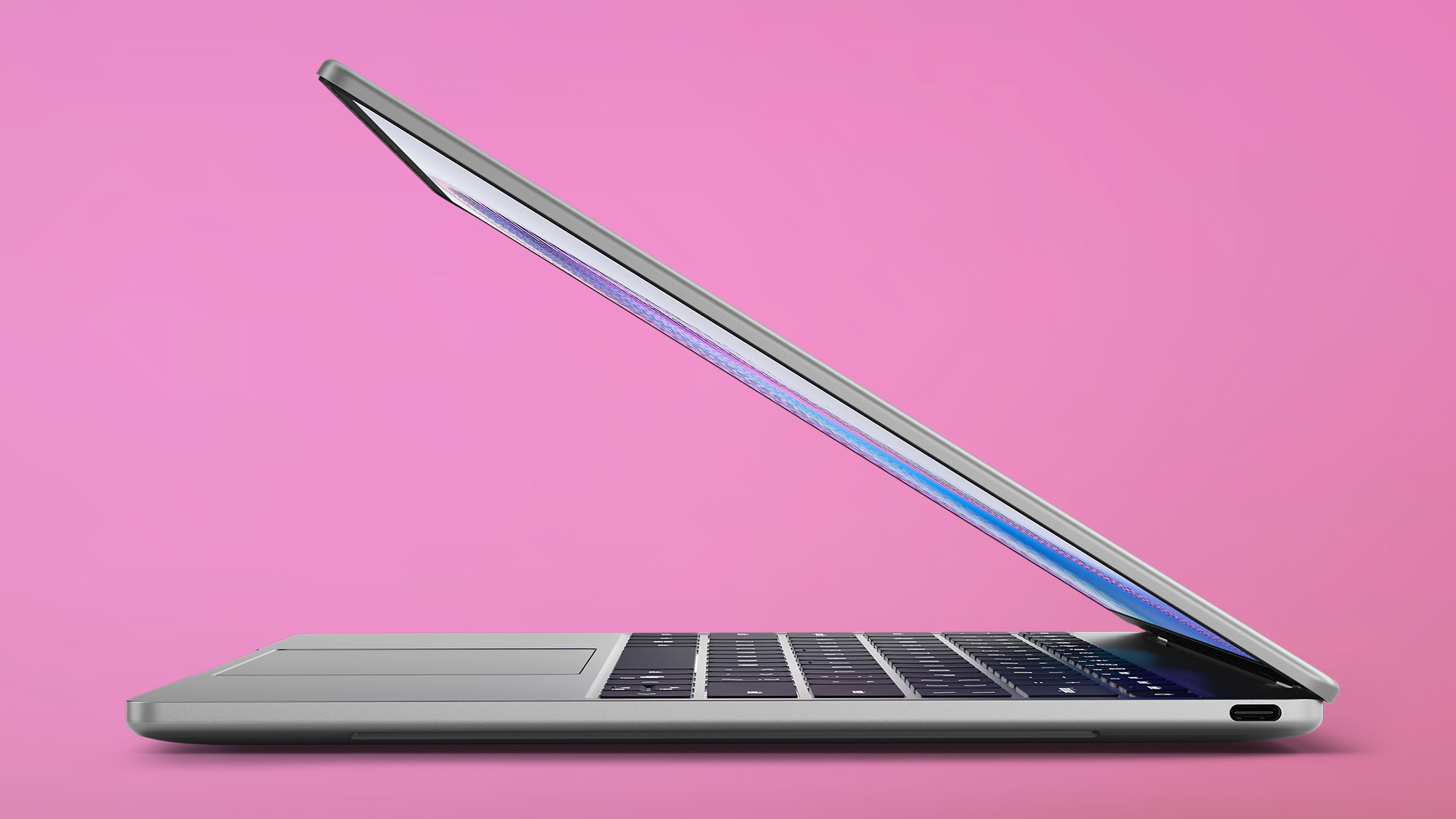
The headline feature of the 2026 XPS 13 is undoubtedly its form factor. Weighing in at a mere 2.2 pounds, it significantly undercuts both the MacBook Neo and the MacBook Air, which sit at approximately 2.7 pounds. This reduction in mass does not come at the expense of structural integrity; the device retains the signature CNC-machined aluminum chassis that has become the hallmark of the XPS line.

For the mobile professional or the student navigating a busy campus, the 2026 model offers a compelling proposition: the premium "feel" of a luxury ultrabook at a price point typically reserved for plastic-heavy, mid-tier machines. Key specifications include:
- Processor: Intel Core Series 3 "Wildcat Lake" CPU.
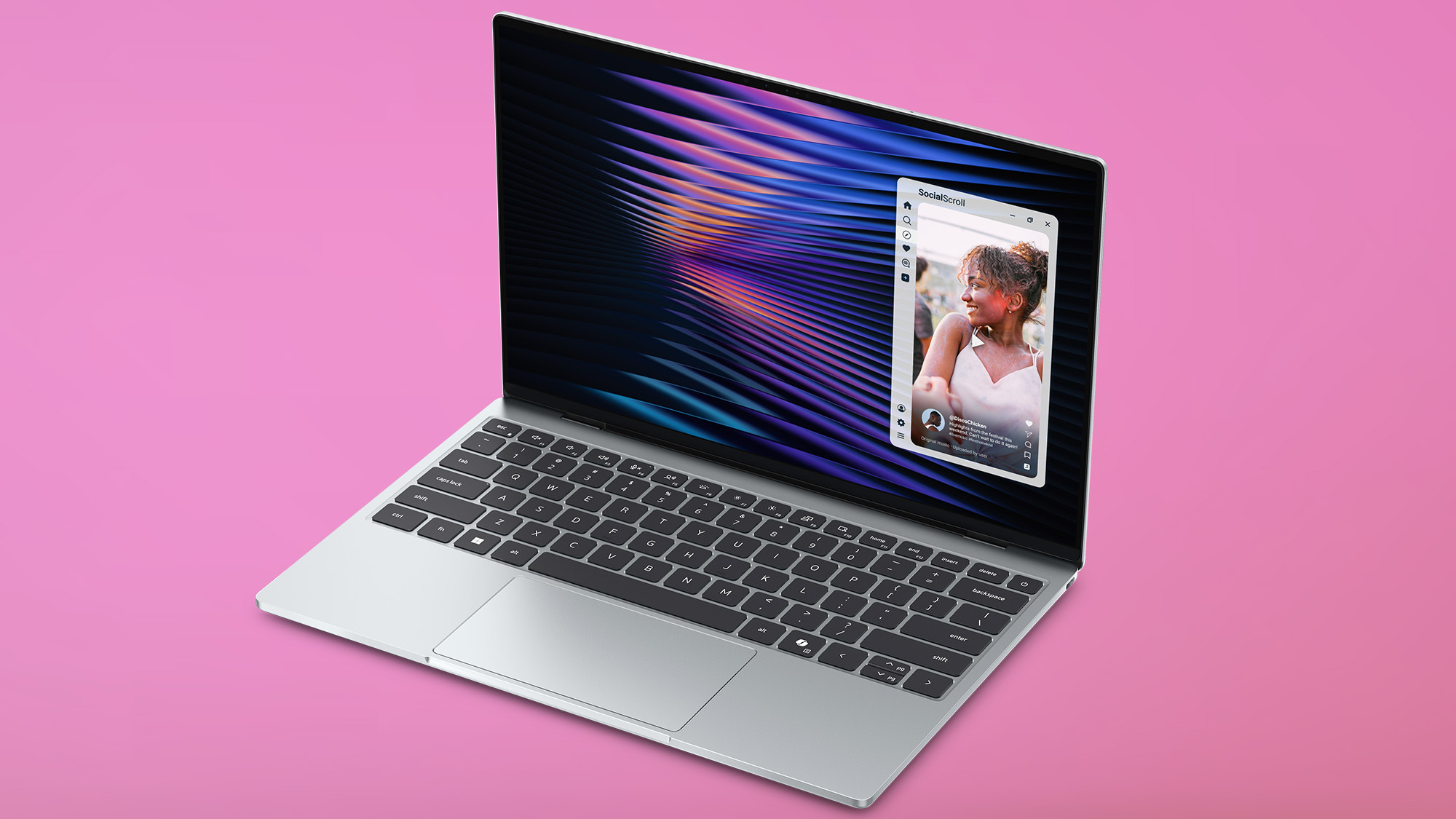
- Display: 13.4-inch 2.5K (2560 x 1600) InfinityEdge touch panel.
- Memory: Up to 32GB of RAM.
- Storage: Up to 1TB SSD.
- Battery Life: Rated for up to 17 hours of streaming playback.
Chronology: From Concept to Computex Reveal
The development of the 2026 XPS 13 is part of what industry insiders have dubbed Dell’s "XPS Apology Tour." Following mixed receptions for the experimental design choices found in the 2024 and 2025 iterations—specifically the zero-lattice keyboards and hidden haptic touchpads—Dell has spent the last 18 months refining its design philosophy.
- Early 2026: Leaks began surfacing regarding a "reimagined" entry-level XPS intended to disrupt the sub-$800 market.
- Computex 2026 (June): Dell officially unveiled the device, confirming the move to a more traditional, ergonomic keyboard layout and the adoption of the Wildcat Lake processor architecture.
- Late Summer 2026: A secondary launch phase is scheduled to introduce higher-performance models featuring Intel’s forthcoming Panther Lake processors, signaling a tiered strategy that allows users to scale their investment based on computing needs.
Supporting Data: Performance and Display Metrics
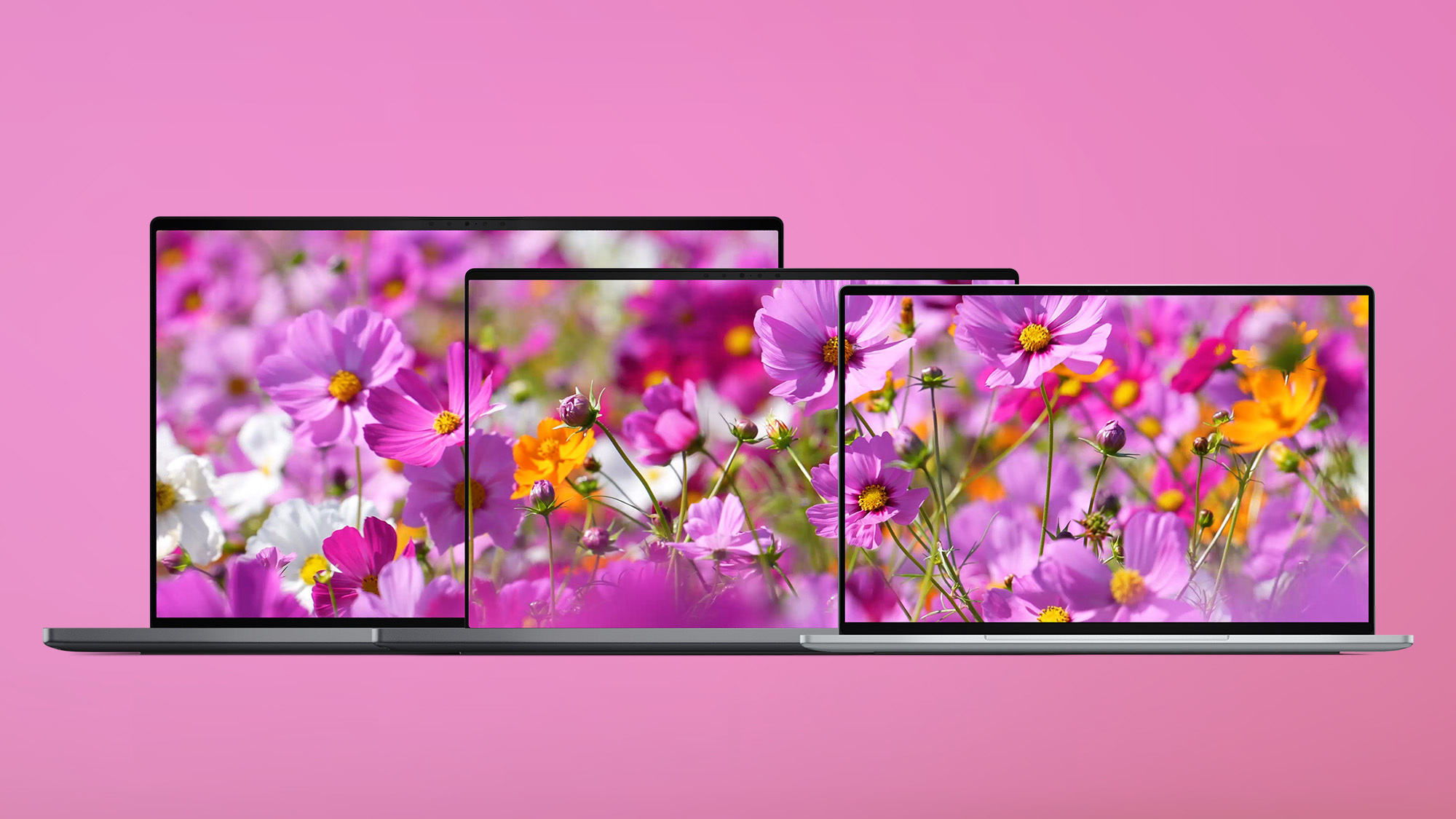
The XPS 13’s display is perhaps its most impressive feature. While many competitors at the $600–$700 price point are stuck with standard 1080p panels, Dell has opted for a 13.4-inch 2.5K InfinityEdge screen. Beyond the raw resolution, the panel covers 100% of the DCI-P3 color gamut, making it a viable tool for entry-level content creators and photo editors. The integration of a variable refresh rate (switching between 30Hz and 120Hz) ensures that the visual experience is both smooth for media consumption and power-efficient for document editing.

Internal Hardware Capabilities
The shift to the Intel "Wildcat Lake" CPU series marks a departure from the power-hungry chips of previous years. While initial benchmarks are still being validated, the architecture is designed specifically for "frictionless multitasking." Paired with up to 32GB of RAM, the device is built to handle the modern web-heavy workflow, where dozens of browser tabs and background applications are the norm.
The battery life claim of 17 hours is ambitious. In our industry, such figures are often based on optimized streaming scenarios. However, even if real-world usage drops by 20–30%, the laptop remains a leader in its class. By contrast, the MacBook Neo, while powerful, often struggles to maintain such longevity under heavy multitasking loads, giving the XPS 13 a potential edge for users who spend their days away from a power outlet.
Official Responses and Strategic Vision
Dell executives at Computex emphasized that the XPS 13 is not a "stripped-down" version of their premium lineup, but rather a "democratization" of the XPS brand. By utilizing a more efficient manufacturing process for the CNC aluminum frame, they have been able to pass cost savings directly to the consumer.
"Our goal was to ensure that the student, the freelancer, and the road warrior have access to the same design language and build quality as our flagship enterprise machines," a Dell representative noted during the keynote. "The choice to return to a standard keyboard layout was driven by direct user feedback, proving that we are listening to the community."
The strategy is clear: Dell is leveraging its massive supply chain to create a product that makes the MacBook Neo look overpriced, particularly when factoring in the touch-screen functionality—a feature Apple has famously resisted incorporating into its laptops.
Implications: The Impact on the Market
The launch of the XPS 13 (2026) sends a clear message to the industry: the "budget" laptop market is no longer a place for compromise.
1. Pressure on Apple
For years, the MacBook Air and the emerging MacBook Neo have dominated the premium-portable space. By matching the aesthetic appeal of a MacBook while offering a superior display (touch-enabled) and a more user-friendly keyboard at a lower price point, Dell is effectively challenging Apple’s stronghold on the student and professional demographic.
2. A Return to Form for Dell
The decision to ditch the controversial "zero-lattice" keyboard found in the XPS 14 and 16 indicates that Dell is willing to walk back design experiments that hindered productivity. This "back to basics" approach is likely to rebuild brand loyalty among power users who felt alienated by the futuristic, yet impractical, design shifts of the previous two years.
3. The Future of Mid-Range Computing
As Intel continues to iterate on the Panther Lake and Wildcat Lake architectures, we are entering an era where the divide between "workstation" and "ultrabook" is narrowing. The 2026 XPS 13 demonstrates that a laptop doesn’t need to be expensive to be premium. If this device succeeds in the market, we can expect a chain reaction where other manufacturers are forced to improve their build materials and display technologies at the $600 price point to stay competitive.
Outlook: The Path Forward
The success of the XPS 13 will ultimately hinge on its real-world thermal management and the stability of the new Intel drivers. While the paper specifications are industry-leading, the user experience will be the true test.
Should the device deliver on its promise of a 17-hour battery life and consistent performance, it will undoubtedly become the default recommendation for anyone looking for a reliable, portable, and aesthetically pleasing machine. Dell has successfully turned the page on its recent design controversies. The XPS 13 (2026) is not just an update; it is a tactical strike at the heart of the ultraportable market, and the competition is now officially on notice.
As we move toward the late summer release of the more powerful Panther Lake-equipped versions, the narrative will shift toward how these devices hold up under sustained creative workloads. For now, however, the Dell XPS 13 stands as a triumph of industrial design, offering a compelling argument for why consumers should demand more from their hardware, regardless of the price tag.

 Asro
Asro
 Rifan Muazin