Layla Zulfa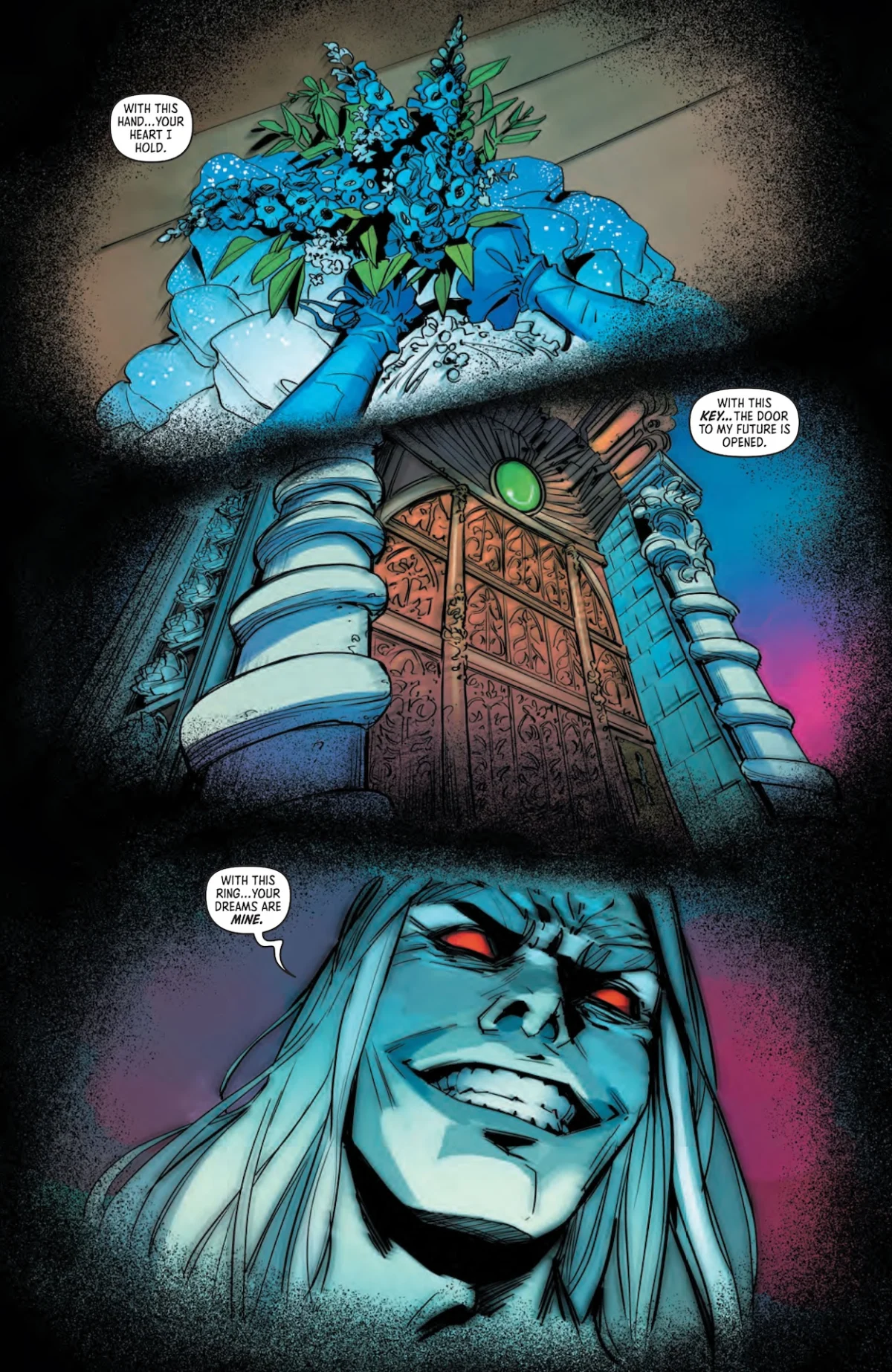
In the modern landscape of comic book publishing, "celebration" issues—often released to commemorate Pride Month, Black History Month, or other cultural milestones—have historically taken the form of bloated, disjointed anthologies. While these collections offer a platform for diverse voices, they often lack the narrative cohesion required to leave a lasting impact on a character’s journey. DC Comics has effectively disrupted this format with the conclusion of its four-part weekly miniseries, Justice League: Dream Girls — A DC Pride Event.
The fourth and final issue, released this week, serves as a masterclass in how to integrate meaningful representation into the high-stakes, action-oriented world of superhero continuity. By focusing exclusively on the bond between Galaxy and Dreamer, the creative team has delivered not just a thematic celebration, but a gripping, essential chapter in the evolving DC Universe.
The Core Conflict: A Narrative Breakdown
The finale of Justice League: Dream Girls picks up at the precipice of total defeat. Dreamer, having been subjected to the manipulative machinations of the classic Justice League adversary, The Key, finds her will fractured. The Key’s objective throughout this series has been to systematically break down Dreamer’s defenses to exploit her unique connection to the cosmic fabric of the DC Universe, effectively weaponizing her to unlock universal secrets.

The issue opens on a somber note, portraying the isolation of a hero who has been stripped of her autonomy. However, the narrative arc shifts abruptly with the arrival of Galaxy. Her refusal to abandon her friend provides the emotional anchor for the entire series. Writers Jadzia Axelrod and Nicole Maines utilize this dynamic to move beyond typical "hero vs. villain" tropes. While the issue does feature the requisite superhero confrontation, the true conflict is interpersonal. The dialogue between Galaxy and Dreamer in this climactic moment is written with a raw, palpable sense of love and devotion that elevates the stakes from a generic battle to a poignant rescue mission of the spirit.
Artistic Direction and Technical Execution
The visual storytelling in Justice League: Dream Girls #4 is a collaborative triumph. Artists Rosi Kämpe and the team at Brandt&Stein handle the action sequences with a kinetic energy that emphasizes the gravity of the encounter. Despite the story being relatively light on sprawling, multi-page combat, the framing is exceptional. The heroes are depicted in iconic, high-impact poses that feel both grand and grounded.
Furthermore, the "talking head" sequences at the conclusion of the issue deserve special mention. Following the intensity of the conflict, the art shifts to focus on the expressive, joyful faces of the characters. Seeing these heroes process their trauma and find solace in one another is a visual reward for the reader after the heavy emotional lifting of the preceding weeks.
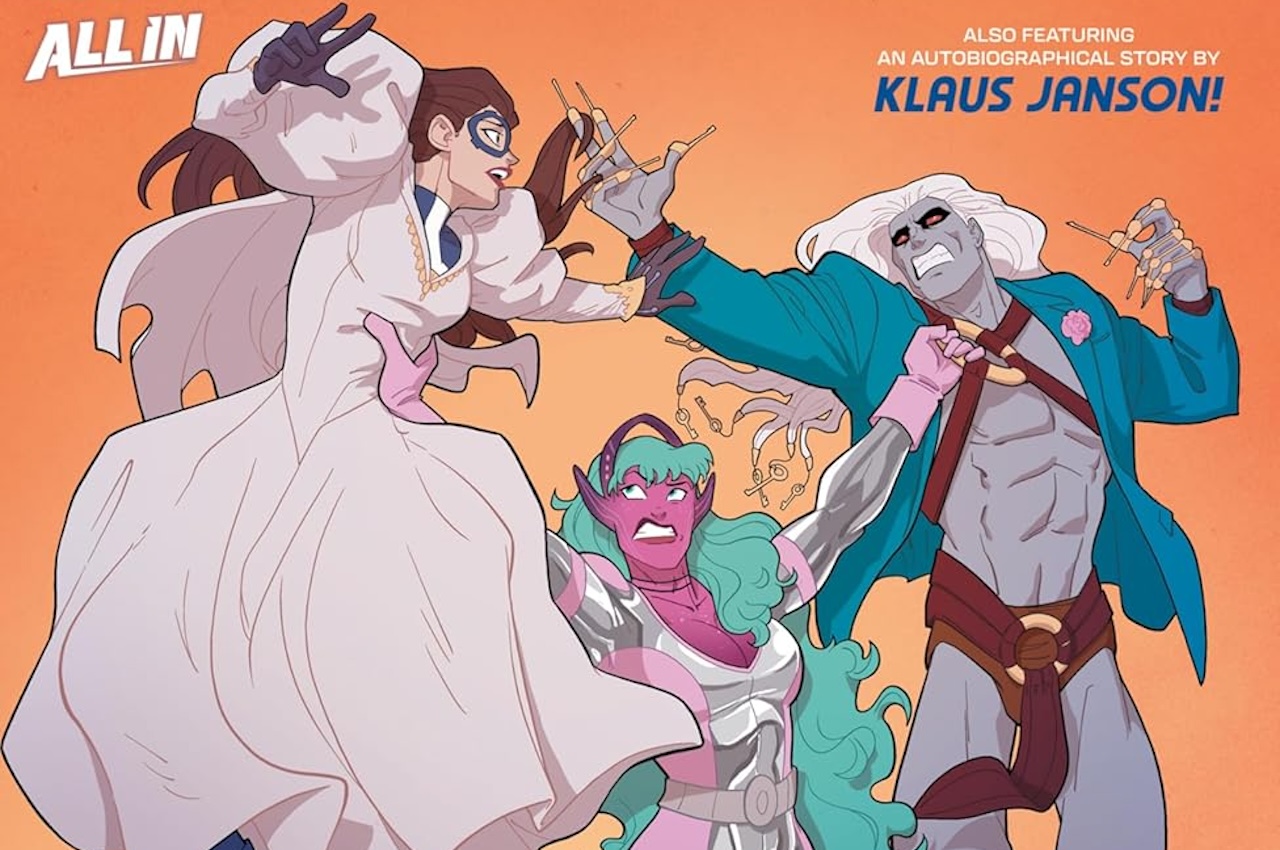
The lettering team, consisting of Jodie Troutman and Frank Cvetkovic, provides a vital layer to the experience. Their work during the dream sequences is particularly noteworthy; the dynamic, energetic font choices and placement enhance the feeling of surreal danger, ensuring that the reader remains disoriented and engaged in the same way the characters are.
Continuity and the Greater DC Universe
For readers who prioritize shared-universe continuity, Justice League: Dream Girls #4 offers significant developments that extend well beyond the scope of this mini-event. Throughout the series, the role of the Green Lantern Corps has been scrutinized; however, this final issue sees the creative team doubling down on the Corps’ position in the interstellar hierarchy.
The implications of Green Lantern foreign policy—unexpectedly established within the pages of a pride-themed event—suggest that DC is positioning this story as a pivot point for larger cosmic narratives. Additionally, the actions taken by the "old guard" of the Justice League during this finale serve to bridge the gap between legacy characters and the newer generation of heroes. This level of integration proves that celebration issues do not need to exist in a vacuum; they can, and should, contribute meaningfully to the broader status quo.

A Legacy Perspective: The Klaus Janson Backup
Perhaps the most surprising and emotionally resonant component of this issue is the autobiographical backup story illustrated and written by legendary artist Klaus Janson. Transitioning from the high-octane superheroics of the main feature to a stark, black-and-white personal history provides a jarring yet necessary tonal shift.
Janson details his journey through life, drawing direct parallels between his struggle to accept his sexuality and his lifelong obsession with the medium of comics. The story does not shy away from the harsh realities of bigotry, even including a necessary trigger warning regarding the language used by his past peers. Yet, the result is a beautiful, intimate portrait of one of the industry’s most prolific figures.
Seeing Janson return to a classic panel layout—devoid of modern digital saturation and instead utilizing selective, calculated pops of color—is a visceral experience for long-time readers. It is a reminder that the history of comics is paved by the lived experiences of those who draw them, and Janson’s inclusion elevates the issue from a standard superhero book to a historical artifact of personal triumph.

The Implications of the "Weekly Event" Format
The success of Justice League: Dream Girls highlights a potential shift in how publishers should approach seasonal content. By opting for a four-part weekly miniseries over a single, dense anthology, DC has allowed the story room to breathe.
Weekly releases create a sustained level of engagement that monthly anthologies cannot match. The "ping-pong" storytelling method, which allowed writers to focus on the individual perspectives of Galaxy and Dreamer, fostered a deeper connection between the reader and the characters. By the time the finale arrived, the emotional payoff felt earned. This format proves that when publishers trust their audience with a serialized, character-driven story, the result is a much more satisfying and memorable reading experience.
Conclusion: Setting a New Bar
Justice League: Dream Girls #4 concludes a bold experiment that has succeeded on every measurable level. It manages to balance the weight of superhero continuity, the importance of character-driven emotional arcs, and the historical significance of its backup features with grace and precision.

The creative team—Jadzia Axelrod, Nicole Maines, Rosi Kämpe, Brandt&Stein, Jodie Troutman, Frank Cvetkovic, and the guest contributor Klaus Janson—deserve immense credit for delivering a story that feels both urgent and timeless. The issue provides a sense of closure that highlights the resilience of its leads while simultaneously setting the stage for future developments in the wider DC Universe.
For fans who were skeptical of "event" books, Justice League: Dream Girls serves as a counter-argument. It is proof that when celebration is treated as a narrative pillar rather than a marketing check-box, the results can define a new standard for the industry. As the dust settles on this four-week run, one thing is clear: the bar for what a celebration issue can be has been significantly raised. Whether you are a fan of the specific characters involved or simply an admirer of high-quality, serialized comic storytelling, this miniseries is a essential addition to any collection.

 Sagoh
Sagoh
 Ammar Sabilarrohman