Asep Darmawan
As summer approaches in Japan, the nation is bracing for another season of extreme heat. With meteorologists and the Japanese government warning of record-breaking temperatures—even prompting the creation of new official terminology to describe the severity of "cruelly hot" days—the urgency for personal cooling solutions has never been higher. While traditional cooling methods like paper uchiwa fans offer a charming, cultural touch, they often prove insufficient against the relentless humidity and rising mercury of a Japanese summer.
Enter Thanko, the Japanese gadget manufacturer renowned for its quirky, problem-solving inventions. The company has once again addressed the consumer need for localized climate control with the launch of the Cold Wind USB Spot Ice Fan. This device promises to bridge the gap between inefficient desk fans and the costly, cumbersome installation of traditional air conditioning units.
The Technology: How the Cold Wind USB Spot Ice Fan Works
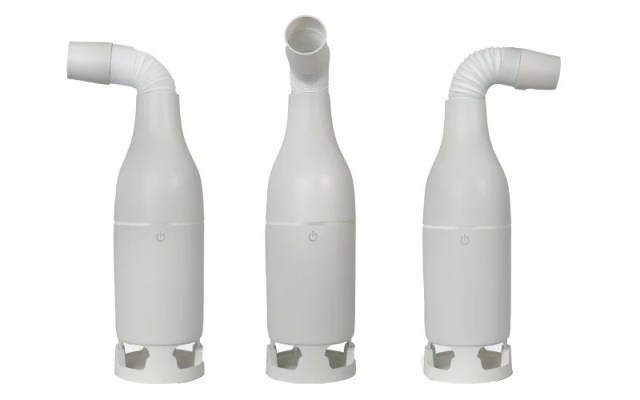
At its core, the Cold Wind USB Spot Ice Fan is a testament to clever, space-efficient engineering. Unlike standard electric fans that merely circulate existing ambient air—often pushing warm, stagnant air around a room—the Thanko device utilizes a physical cooling medium to actively lower the temperature of the output.
The Mechanics of Cooling
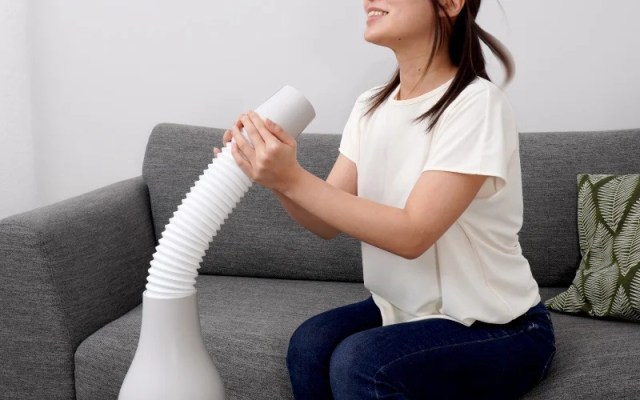
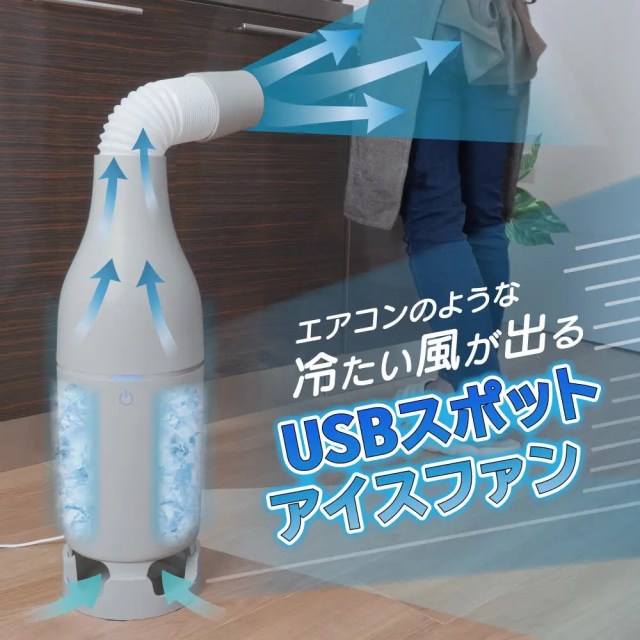
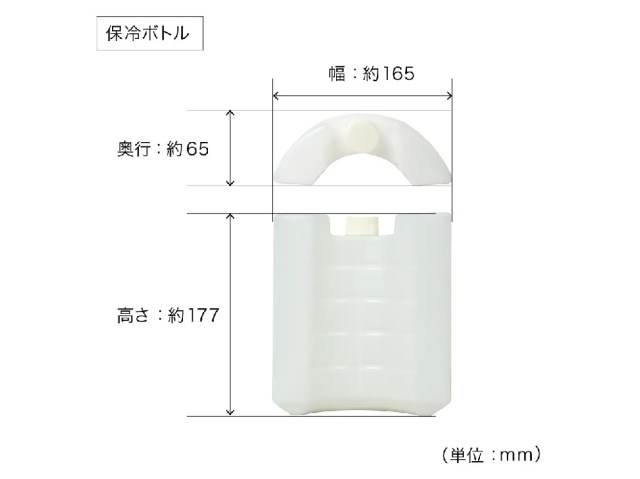
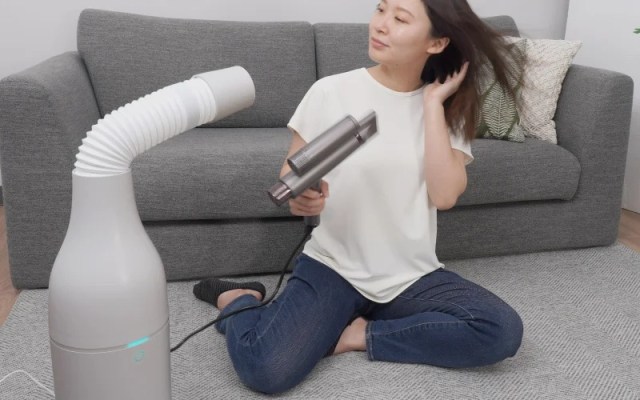
The unit operates through a streamlined intake-and-exhaust process. Ambient air is drawn into the base of the device. As the air moves upward through the internal housing, it is forced to pass through a specialized, reusable ice pack. This interaction transfers thermal energy from the air to the ice, effectively chilling the airflow. Once cooled, the air is compressed and directed through a flexible nozzle at the top of the unit. This design allows for high-precision cooling, enabling the user to aim the blast directly at their face, torso, or a specific workspace, providing a significant "spot cooling" effect that is far more effective than the broad, inefficient breeze of a conventional pedestal fan.
Efficiency and Power
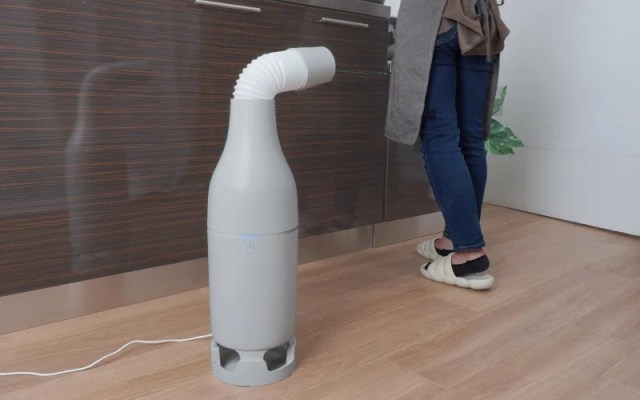
The unit is designed with modern versatility in mind. Powered via a USB-C interface, the device is compatible with both standard AC wall adapters and portable power banks, making it ideal for use in offices, home studies, or even non-traditional spaces like kitchens and hallways. Despite its compact footprint, the fan features three distinct speed settings, allowing users to customize their comfort levels. Thanko claims that the device consumes only one-fifth of the electricity required by a standard household electric fan, yet it is capable of dropping the air temperature by as much as three degrees Celsius (5.4 degrees Fahrenheit) at the point of contact.
Chronology: The Evolution of Personal Cooling in Japan
The rise of gadgets like the Cold Wind USB Spot Ice Fan is not an isolated trend; it is the culmination of years of changing climatic conditions and architectural limitations in Japan.
- Pre-2020: Personal cooling was largely restricted to traditional fans or expensive, installed air conditioning. The "desk fan" market was dominated by basic plastic units with limited utility.
- 2021–2024: As summer temperatures began to consistently break records, Thanko and other "lifestyle tech" brands began experimenting with portable air conditioners, neck coolers, and peltier-effect cooling plates. These years marked a shift toward "wearable" or "personal-space" cooling.
- 2025: The Japanese government intensified its public messaging regarding heatstroke prevention, encouraging the use of active cooling devices in public and private spaces.
- May 2026: Thanko officially announces the Cold Wind USB Spot Ice Fan, timed specifically to reach consumers before the peak of the mid-summer heat. This launch reflects a strategic pivot toward devices that utilize phase-change materials (like the included ice packs) to maximize efficiency without high power consumption.
Supporting Data: Why Localized Cooling is Necessary
To understand the appeal of the Thanko unit, one must look at the unique structural challenges of Japanese housing.
The Infrastructure Gap
Unlike many Western homes that feature centralized HVAC systems capable of regulating an entire building’s climate, the vast majority of Japanese residences rely on individual eakon (air conditioner) units installed in specific rooms. This leads to a systemic issue: "dead zones." Hallways, bathrooms, walk-in closets, and kitchenettes often lack a dedicated AC unit. Installing a new wall-mounted system in these areas is frequently cost-prohibitive, technically difficult, or simply impossible due to space constraints.
Economic Factors
With energy costs fluctuating and the environmental impact of constant, full-room air conditioning becoming a growing public concern, consumers are seeking "micro-solutions." The Cold Wind USB Spot Ice Fan costs approximately 7,980 yen (US$51). When weighed against the costs of installing a secondary wall unit—which can run into the hundreds of dollars, plus professional installation fees—the economic advantage of Thanko’s device is clear.
Official Responses and Public Sentiment
The Japanese government has taken an increasingly active role in managing the public health crisis posed by extreme summer temperatures. Recent directives from the Ministry of the Environment have highlighted the importance of "cooling breaks" and the use of portable technology to mitigate the risk of heatstroke among elderly populations and outdoor workers.
While government officials have not officially endorsed specific consumer gadgets, there is broad support for the proliferation of "heat-countermeasure goods." Public sentiment, as reflected in tech forums and social media, is largely positive. Consumers appreciate the, at times, "bizarre" nature of Thanko’s designs, noting that the company consistently hits a "sweet spot" between functionality and affordability.
One social media user commented, "It’s not meant to cool an entire room, but for someone sitting at a desk in a humid apartment, that direct stream of chilled air is a game-changer."
Implications: The Future of Personal Climate Control
The release of the Cold Wind USB Spot Ice Fan suggests several implications for the future of personal technology and consumer behavior.
1. The Shift to "Personalized Environments"
We are moving away from the "one-size-fits-all" approach to climate control. As global temperatures continue to rise, the ability to control one’s immediate micro-environment—whether through wearable coolers or portable spot-fans—will become a standard expectation.
2. The Sustainability Factor
By prioritizing low-energy-consumption designs, Thanko is tapping into the growing demand for sustainable tech. The ability to achieve a 3-degree drop in temperature using only a fraction of the electricity of a traditional fan is an attractive selling point for environmentally conscious consumers looking to keep their energy bills in check during the summer months.
3. The "Thanko Phenomenon"
Thanko has successfully carved out a niche as the "gadget shop for the eccentric." By consistently releasing items that target very specific, often overlooked inconveniences of daily life, they have cultivated a loyal customer base. Their ability to iterate on these products—moving from simple desk fans to ice-assisted cooling systems—shows a sophisticated understanding of their market’s specific pain points.
4. Broader Market Impact
If this product proves successful, it is likely that we will see a surge in "hybrid" cooling devices. Future iterations could incorporate more advanced thermoelectric cooling, longer-lasting phase-change materials, or even smart-sensors that adjust the fan speed based on the ambient humidity levels in the room.
Conclusion
As Japan faces the prospect of an increasingly punishing summer, the Cold Wind USB Spot Ice Fan represents more than just a quirky office gadget. It is a pragmatic response to the limitations of traditional infrastructure and a reflection of a society adapting to a changing climate.
By combining the simplicity of a desk fan with the thermal efficiency of an ice-cooling system, Thanko has provided a bridge for those who need relief in the "dead zones" of their homes and offices. Whether it is keeping a home office cool during a long day of work or providing a refreshing breeze in a humid kitchen, the device offers a tangible, affordable, and effective solution to the heat. For those who find the official government warnings about summer heat to be a cause for concern, Thanko’s latest invention provides at least a small, refreshing comfort in the face of a warming world.


 Neng Nana
 Asro
Asro