Siti Muinah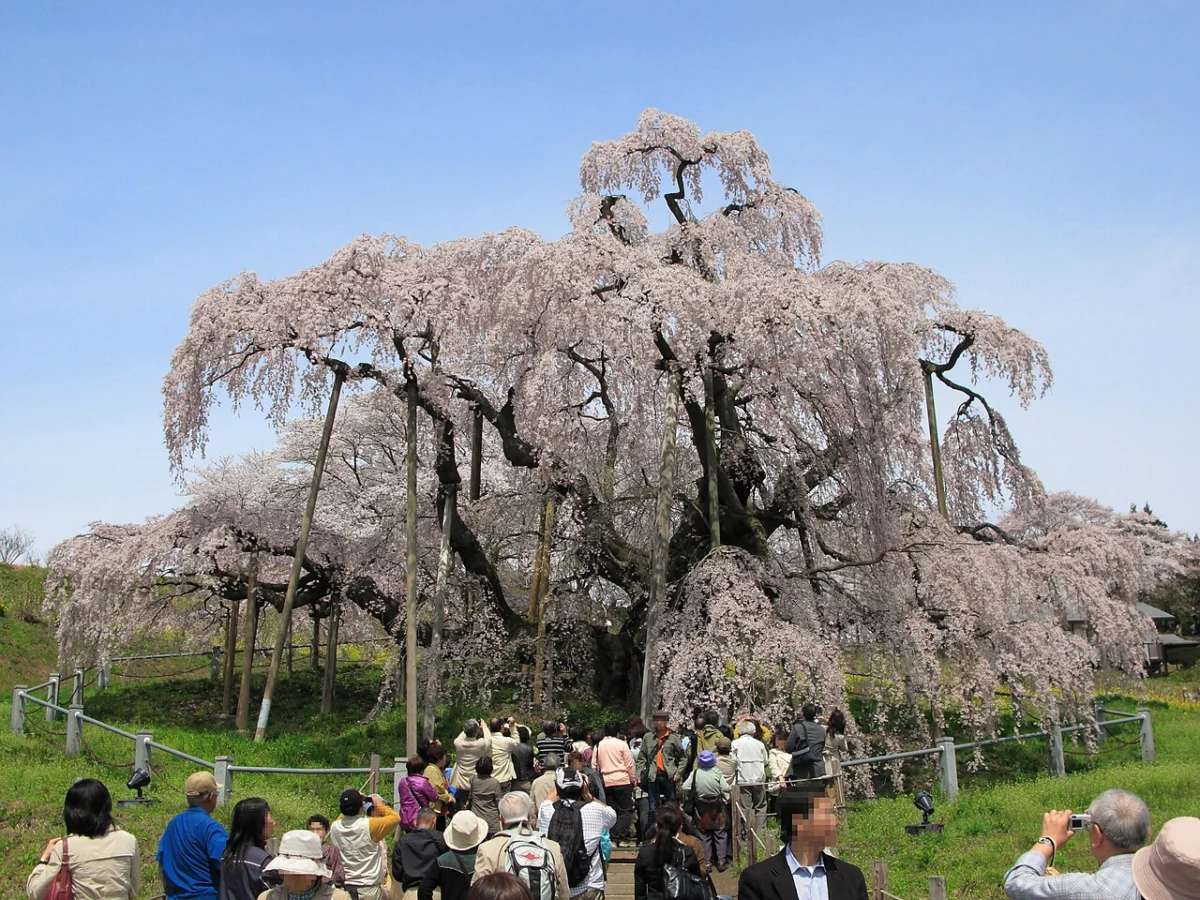
In the rolling, rural landscape of Fukushima Prefecture, there exists a living monument that transcends the typical definition of a tree. The Miharu Takizakura—or "Miharu’s Waterfall Cherry"—is not merely a botanical specimen; it is a cultural icon, a National Natural Monument, and a pilgrimage site that commands a profound, near-silent reverence from the thousands who gather beneath its boughs every April.
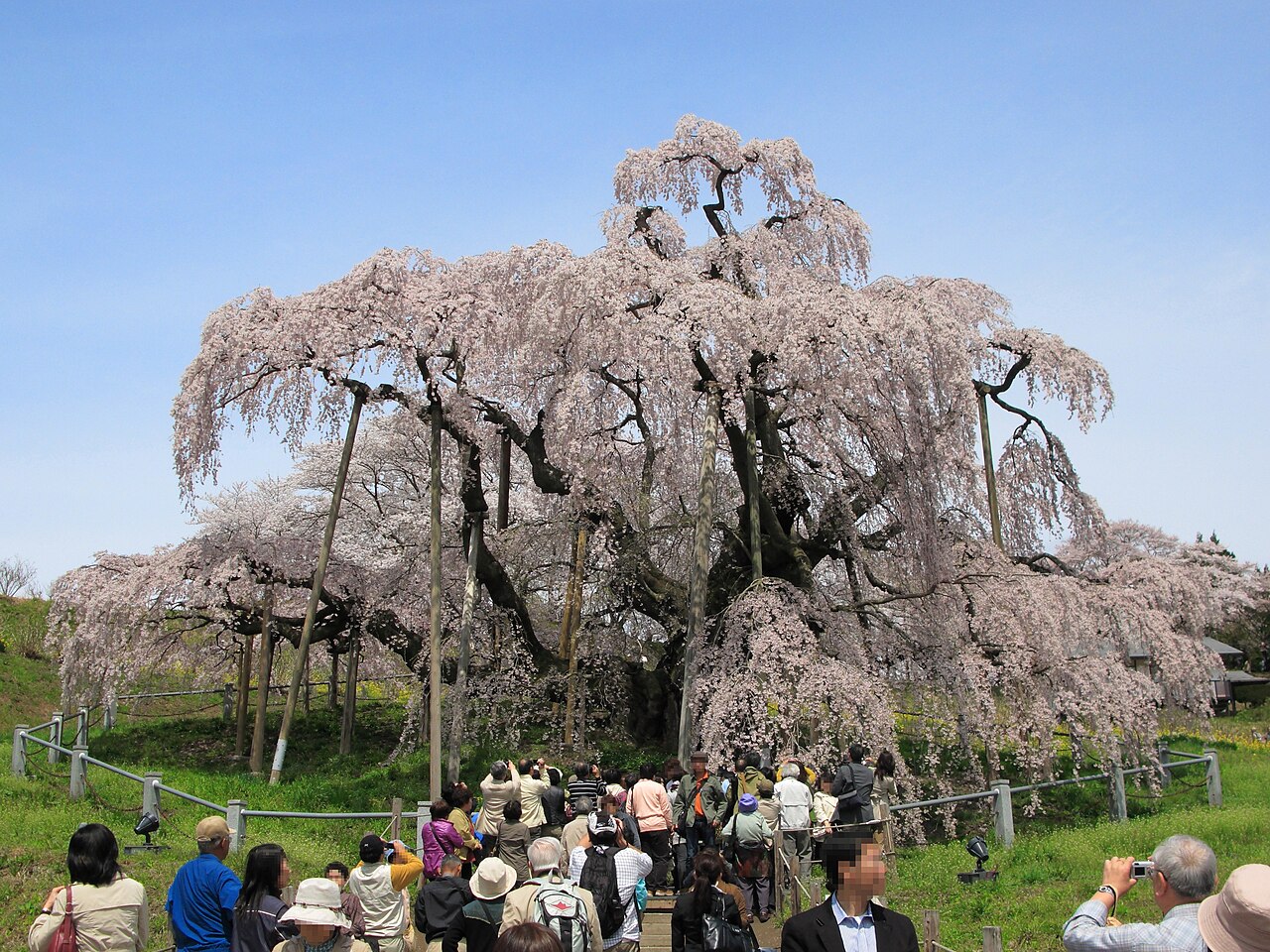
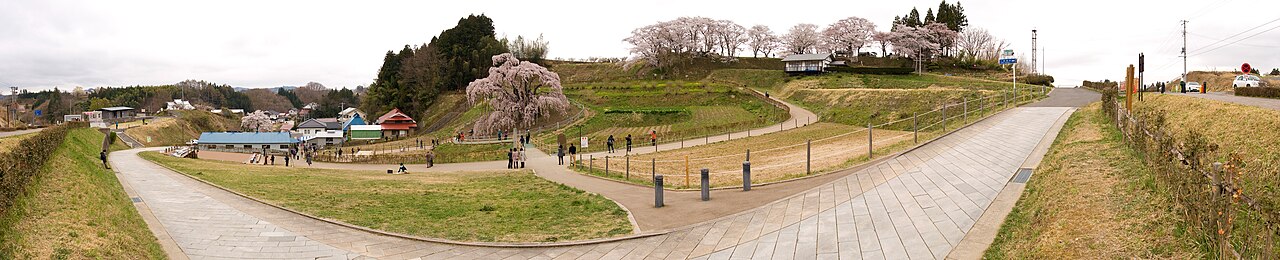
Standing over thirteen meters tall with a branch spread that eclipses a tennis court, the tree is a breathtaking spectacle of beni-shidare (weeping cherry) blossoms. When it hits peak bloom, the tree transforms into a cascading curtain of vibrant pink, a sight so overwhelming that it famously silences the crowds of visitors who make the journey to witness it.
Main Facts: The Anatomy of a Legend
The Miharu Takizakura is recognized as one of the "Three Great Cherry Trees of Japan," standing alongside the Usuzumi-zakura in Gifu and the Yamataka Jindai-zakura in Yamanashi. Unlike the Somei-yoshino—the cloned, white-pink cherry trees that line the streets of Tokyo and have a lifespan of roughly eighty years—the Takizakura is an ancient, seed-grown survivor.
- Estimated Age: Over 1,000 years.
- Dimensions: 13.5 meters in height; 8.1 meters in trunk circumference.
- Canopy Spread: 14.5 meters south, 14.0 meters west, 11.0 meters east, and 5.5 meters north.
- Designation: Designated as a National Natural Monument in 1922—the first cherry tree in Japan to receive this status.
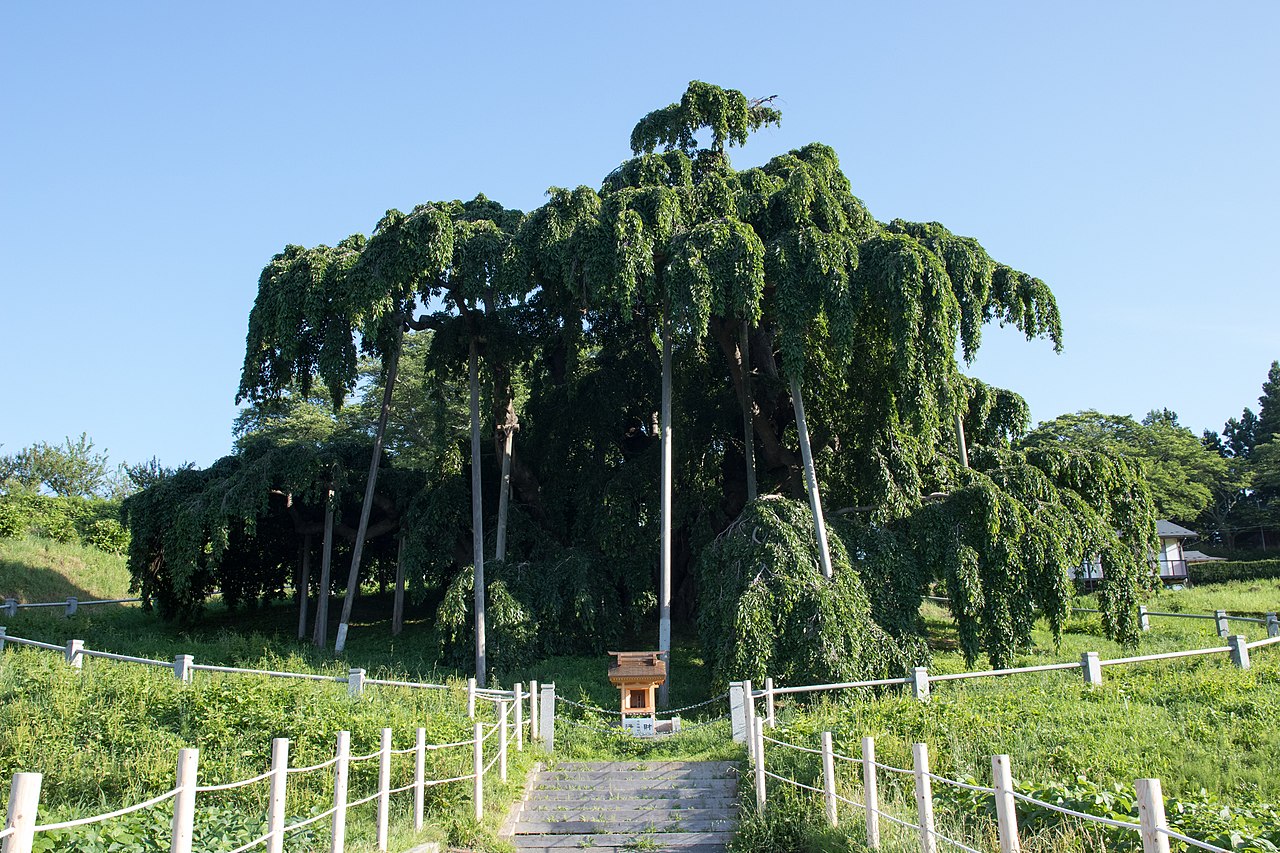
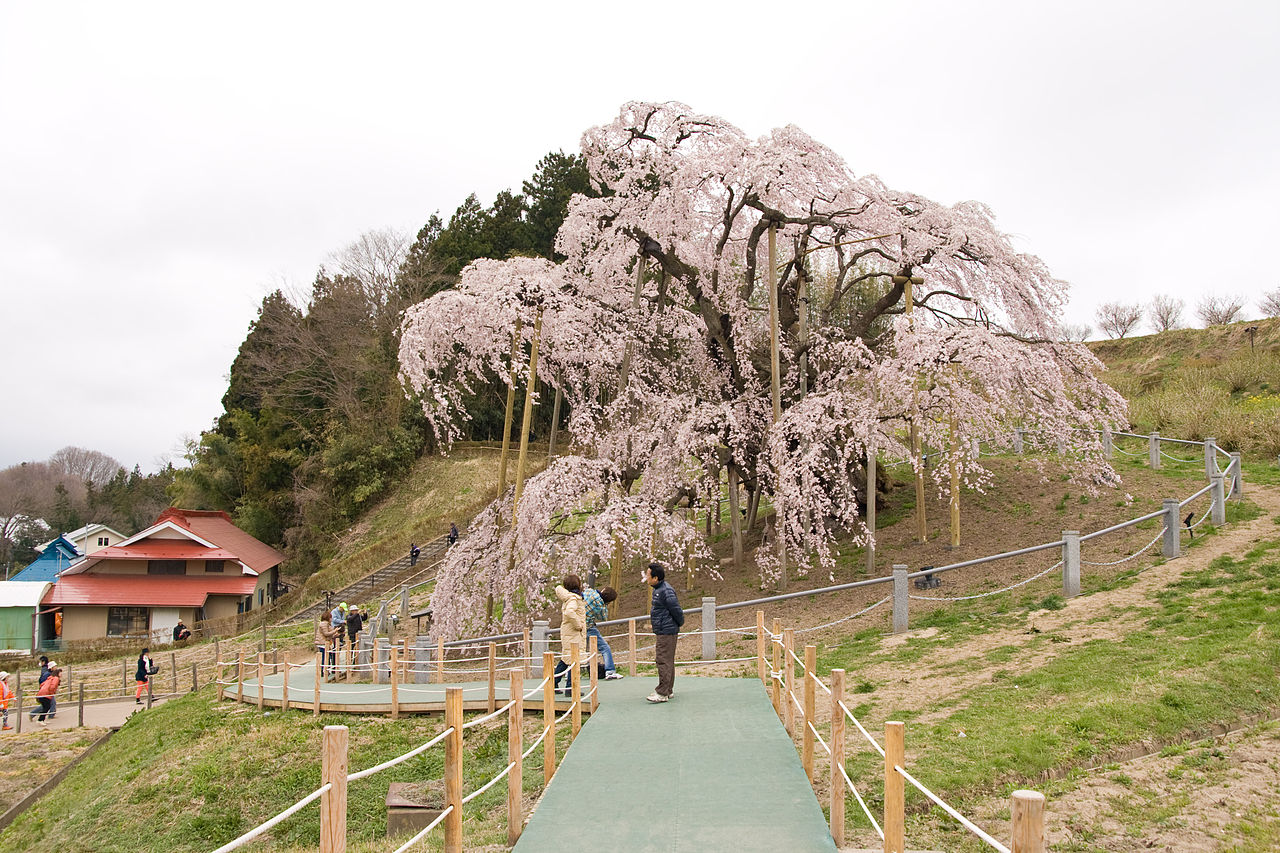
The tree’s distinct, asymmetrical shape is a living record of its history. Having grown on a hillside for ten centuries, it has spent forty generations leaning into the light and bracing against the prevailing winds, resulting in a silhouette that is entirely unique. The heavy, sweeping branches are now supported by a network of permanent poles, a conservation necessity that has been in place since the 1970s to preserve the structural integrity of the massive limbs.
Chronology: A Millennium of Bloom
The history of the Takizakura is a tapestry of folklore and documented observation. While the tree’s exact origin remains lost to time, it has been venerated by local feudal lords since the late Edo period, when it was protected as an oya-boku (official tree).
The tree entered the broader national consciousness in the 1830s, when the poet Kamo no Suetaka immortalized its beauty in verse, describing the blossoms as "reaching to every corner of Oshu." This literary connection solidified its status as a destination for the Japanese literati and commoners alike.
In the modern era, the tree has become a symbol of resilience for the Fukushima region. Despite the 2011 Tohoku earthquake and the subsequent nuclear crisis at Fukushima Daiichi, the Takizakura has remained a steadfast beacon. Situated 60 kilometers inland, the town of Miharu was never part of the evacuation zone, and radiation levels have remained well within safe, background levels for years. The tree continues to bloom, serving as a powerful reminder of the continuity of life in the face of regional hardship.
Supporting Data: Understanding the "Timing Problem"
The window for viewing the Takizakura is notoriously narrow. Peak bloom (mankai) generally lasts only ten days, and its arrival is entirely dependent on the spring weather. In warmer years, the tree may reach full bloom by April 10th; in colder, snow-dusted springs, it may hold off until late in the month.
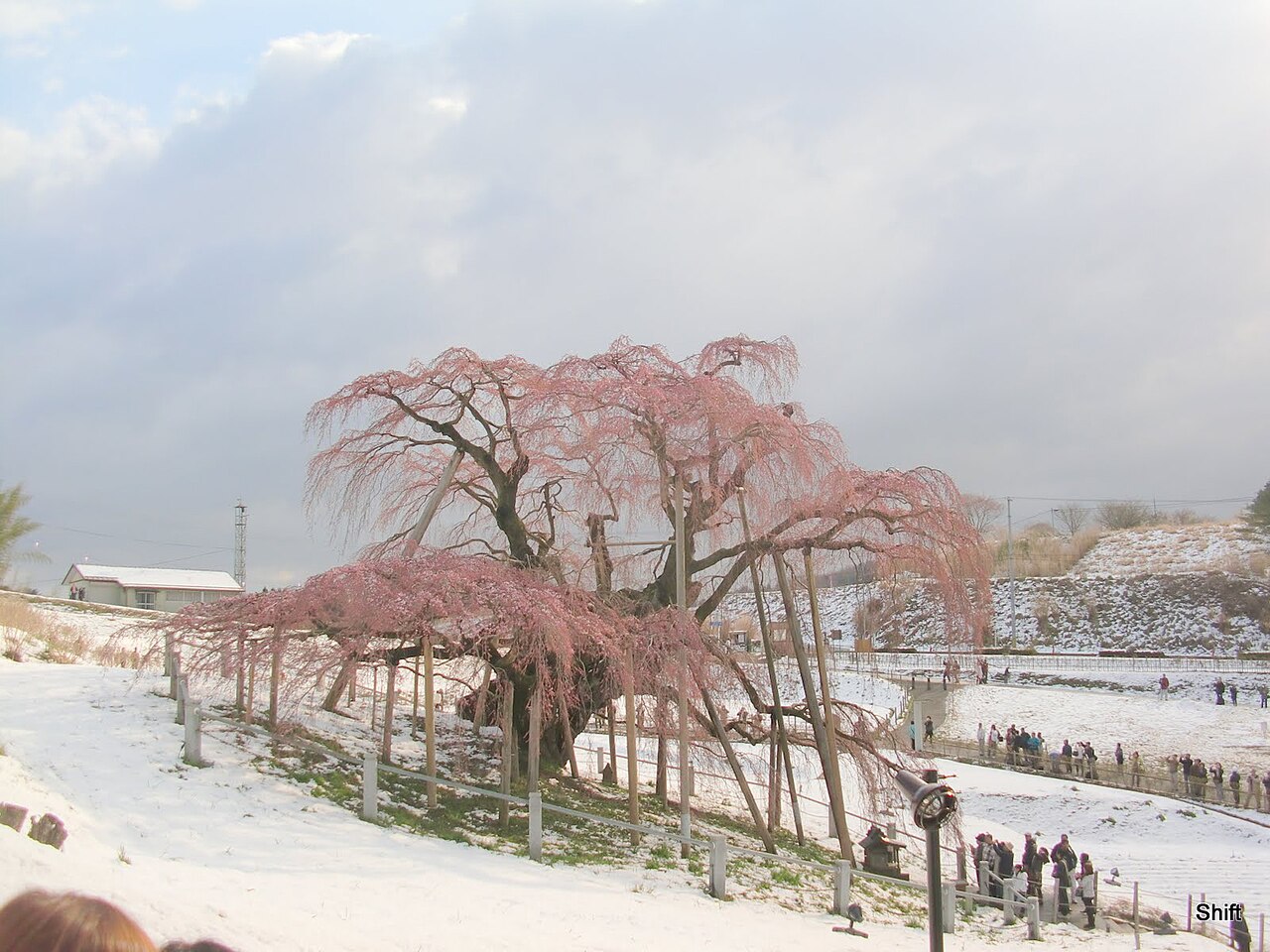
For the international traveler, this creates a significant logistical challenge. The Miharu Tourism Association provides daily updates in Japanese, tracking the progression from tsubomi (buds) to saki-hajime (starting to bloom) and finally mankai.
Strategic Planning for Visitors:
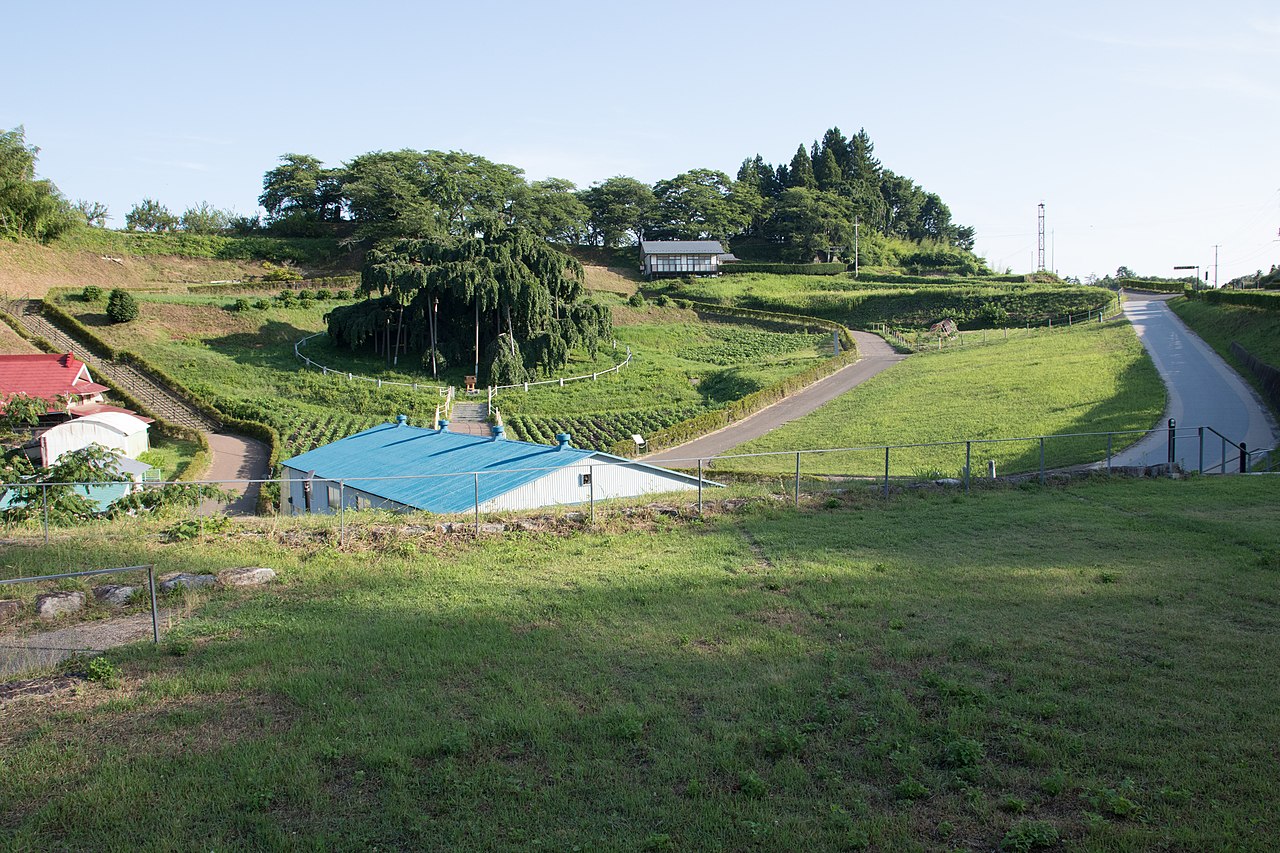
- Flexibility is Key: Avoid booking non-refundable, fixed-date train tickets months in advance. Instead, consider flexible lodging in the nearby city of Koriyama, which is only twelve minutes from Miharu Station by local train.
- The "Buffer" Rule: If you are traveling during a volatile spring, add a two-to-three-day buffer to your itinerary.
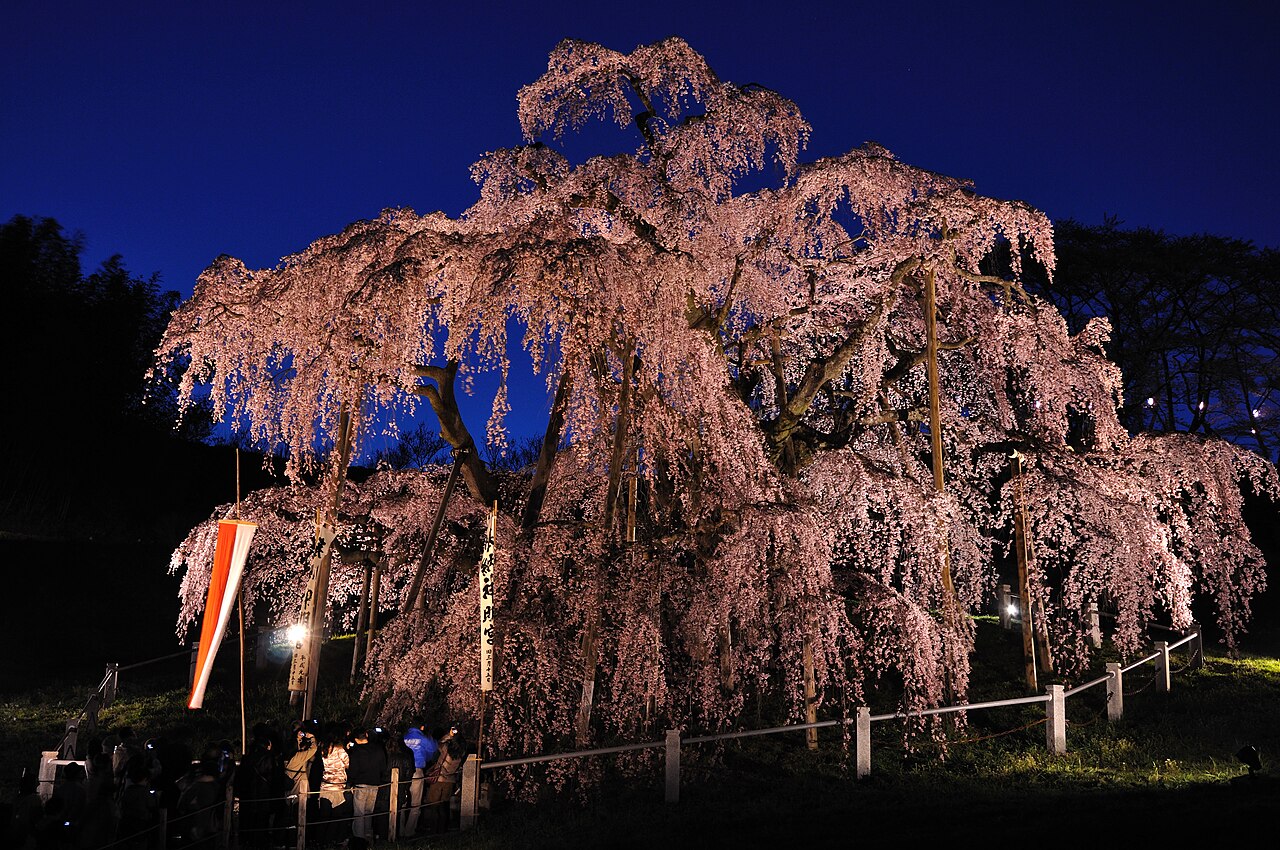
- The Light-Up Advantage: The most magical viewing occurs during the night illumination (typically 18:00–21:00). The warm ground-level lighting turns the blossoms into a luminous, gold-tinted cascade. Because tour buses depart by 17:00, the evening atmosphere is far more intimate and conducive to photography.
Official Responses and Conservation Efforts
The management of the Takizakura is a rigorous exercise in preservation. The Miharu Tourism Association, in coordination with local government, oversees the site’s delicate balance between mass tourism and ecological safety.
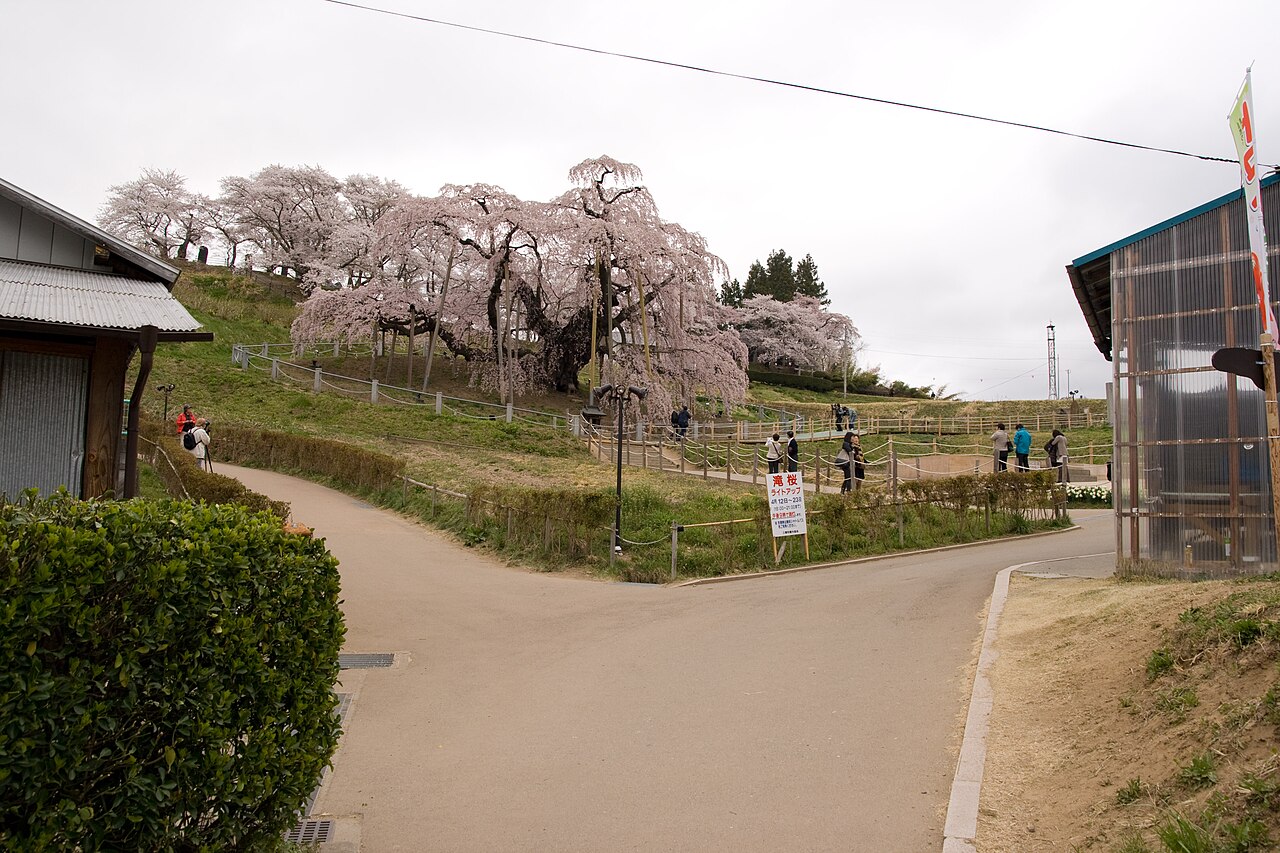
Visitors are funneled through a strict one-way path, which keeps the flow of the 150,000–200,000 annual visitors moving efficiently. Admission fees of ¥300 are collected during the bloom season to fund the volunteer staff and the ongoing maintenance of the site.
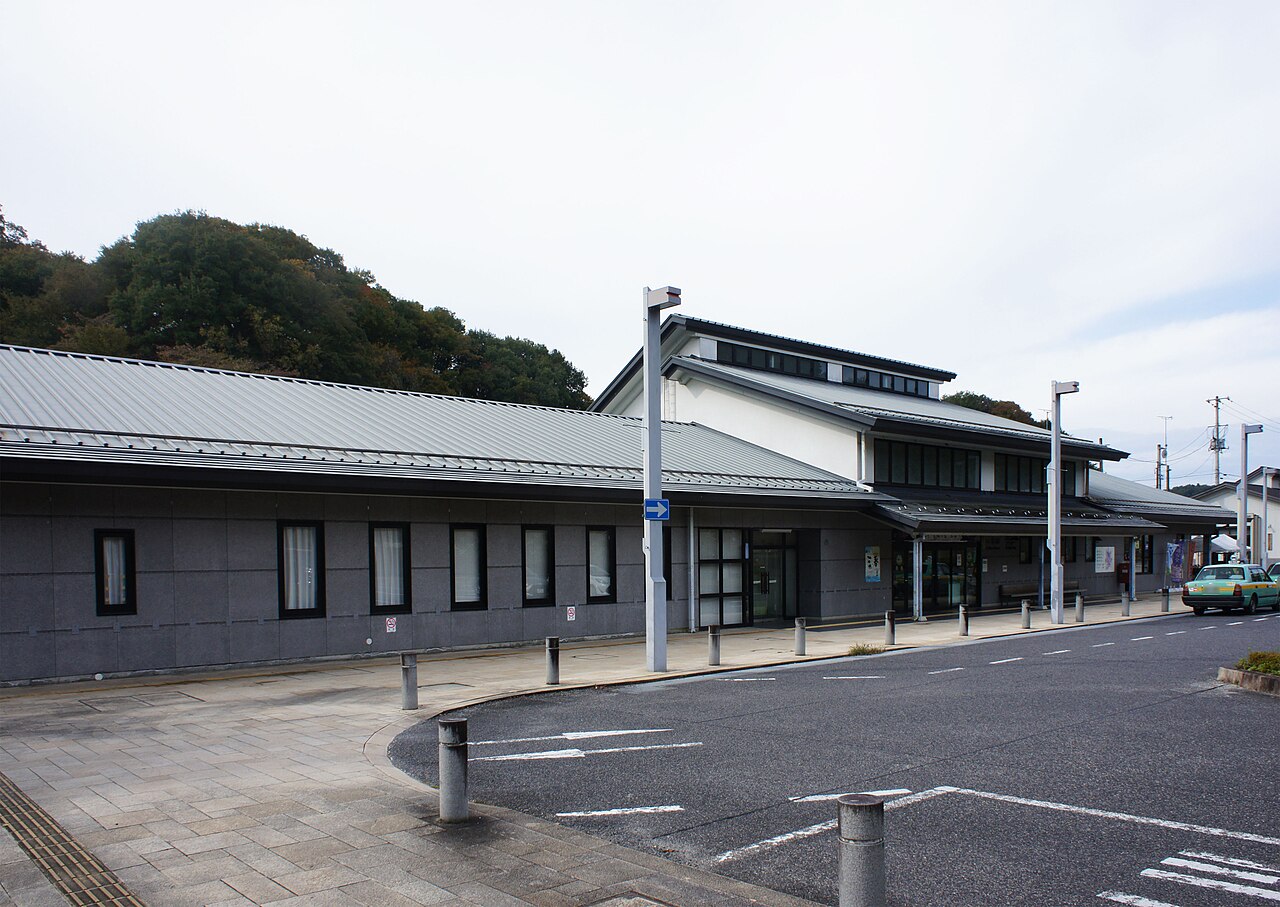
The site also serves as a hub for local environmental education. The nearby "Commutan Fukushima" center provides visitors with a comprehensive look at the environmental recovery of the prefecture. For those interested in the broader context of the region, this center is an essential, albeit sobering, companion to the light-hearted beauty of the cherry blossoms.
Implications: Why the Takizakura Matters
The Miharu Takizakura is not a "convenient" attraction. It requires travel into rural Tohoku, careful monitoring of weather reports, and a willingness to navigate crowds. However, the experience of standing beneath the canopy is transformative.
A Departure from the Standard Cherry Blossom Experience
Most visitors to Japan are familiar with the Somei-yoshino—the uniform, fleeting beauty of Tokyo’s park trees. The Takizakura represents a completely different aesthetic experience. Its deep pink hue and chaotic, organic growth pattern provide a stark contrast to the manicured, cloned nature of urban sakura. It is a wild thing that has survived the rise and fall of shoguns, the modernization of Japan, and the environmental shifts of the 21st century.
The "Sakura-Meguri" (Cherry Tour)
The town of Miharu—whose name literally translates to "three springs" (plum, peach, and cherry)—is home to nearly forty other notable cherry trees. For the serious traveler, the true value of the trip lies in exploring this wider network. By moving beyond the headline tree, visitors can escape the crush of the main viewing platform and find quiet, profound moments in the surrounding paddy fields and orchard lands.
Cultural Integration
Beyond the trees, the town offers a deep dive into Japanese folk history. The Miharu-goma (wooden horse figurine) is one of the nation’s three great folk toys, and visiting the Takashiba Dekoyashiki craft village offers a glimpse into the artisanal traditions that have sustained this region for centuries. When paired with the natural beauty of Lake Sakura and the limestone formations of the nearby Abukuma Cave, the Miharu area transforms from a "one-tree stop" into a comprehensive cultural destination.
Final Verdict: Is the Pilgrimage Worth It?
If you are a casual traveler on a tight schedule, the logistics of the Takizakura might prove daunting compared to more accessible sites like the Takato Cherry Park in Nagano. However, for those who value the "pilgrimage" aspect of travel—the pursuit of something singular, ancient, and undeniably majestic—the Miharu Takizakura is the gold standard.
It is the oldest, largest, and most dramatic of the Three Great Cherry Trees. It rewards the patient, the prepared, and the early-riser. If you can time your arrival to match the mankai and stay for the dusk illumination, you will understand why the local people have held this tree in such high regard for over a thousand years. It is, quite simply, the beating heart of the Japanese spring.


 Neng Nana
 Asro
Asro