Nila Kartika Wati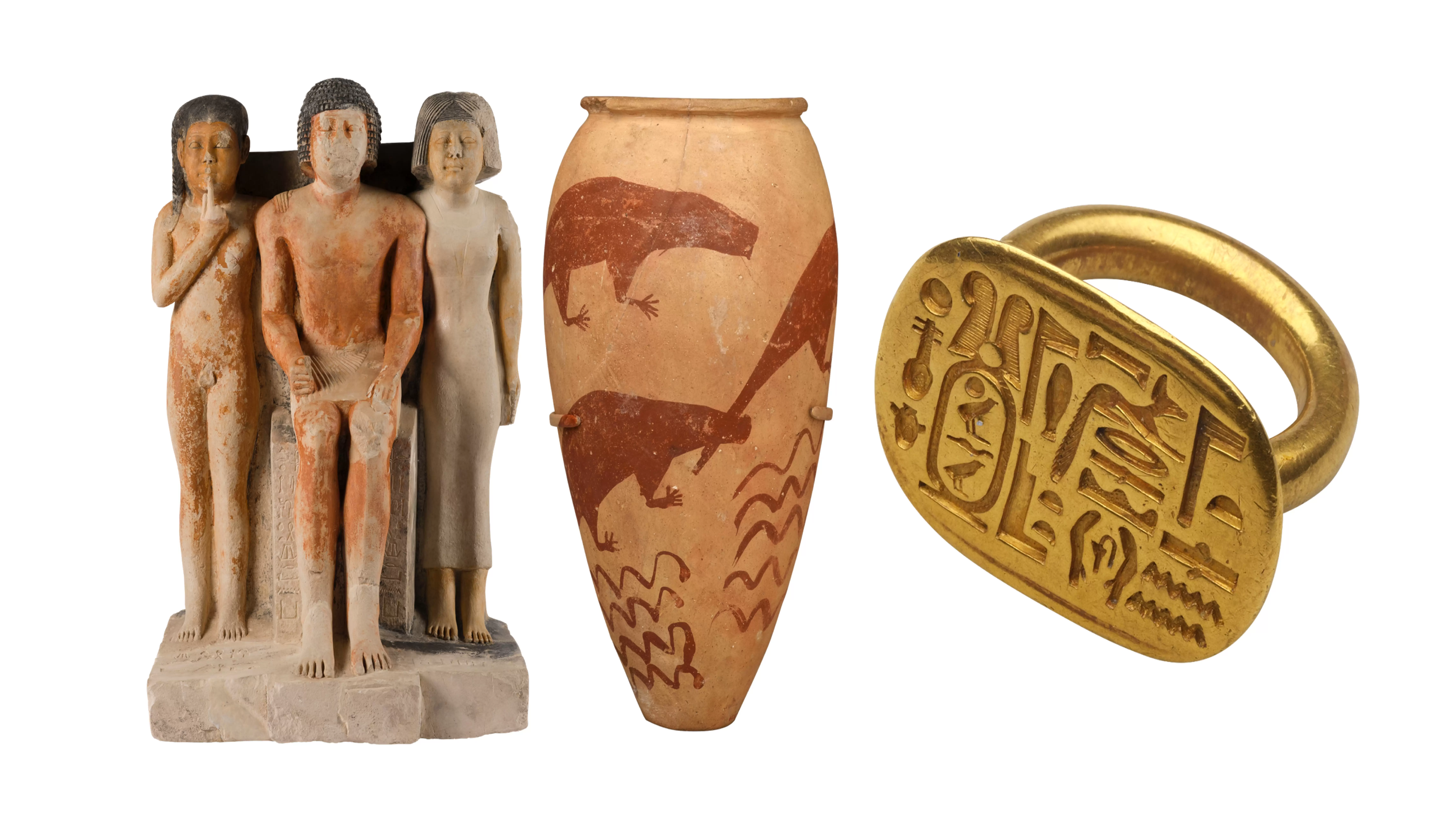
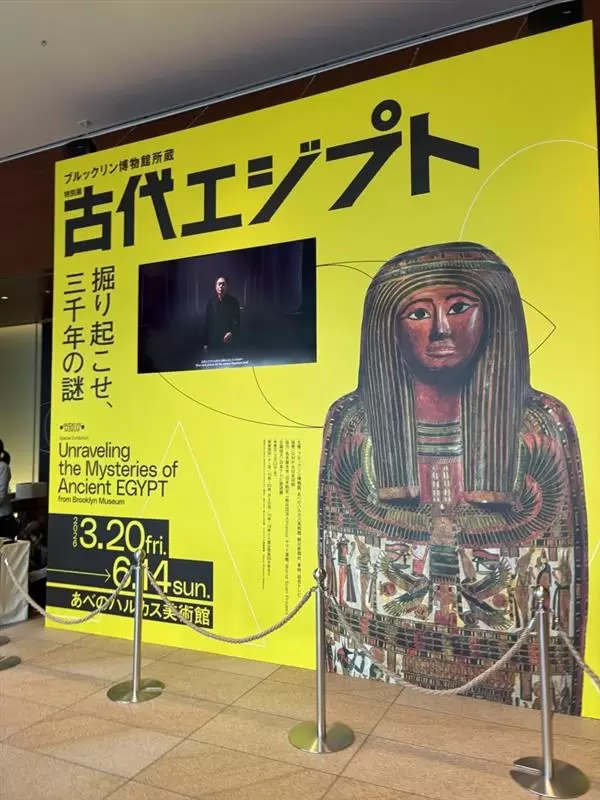
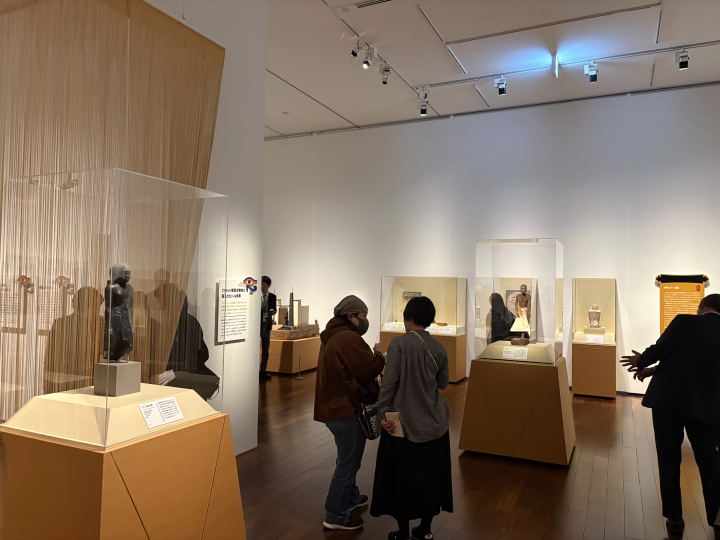
Perched 300 meters above the bustling streets of Osaka, the Abeno Harukas Art Museum—located on the 16th floor of Japan’s tallest skyscraper—has long served as a cultural bridge between the local community and the global art scene. Currently, the museum is playing host to a monumental exhibition that transports visitors across five millennia, deep into the heart of the Nile Valley. As the exhibition approaches its final dates, it has solidified its reputation as a must-visit destination for history buffs, art aficionados, and casual travelers alike.
Main Facts: A Window into Ancient Life
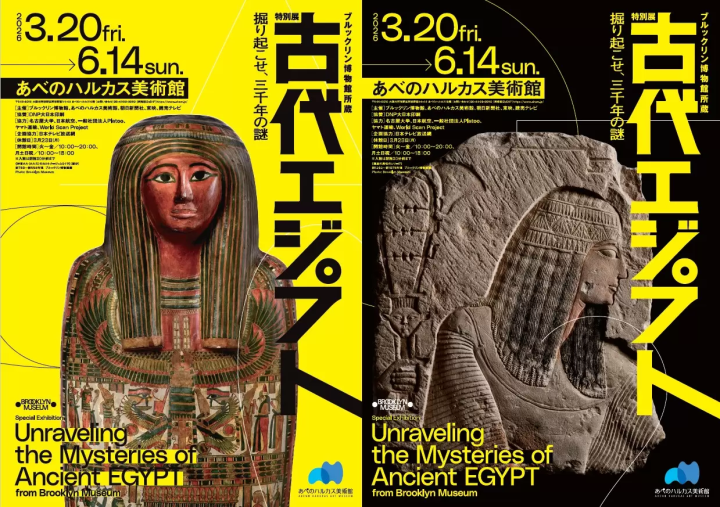
The exhibition, titled Ancient Egypt: The Brooklyn Museum Collection, brings an extraordinary assembly of approximately 150 artifacts to Osaka. These pieces, curated from one of the most significant Egyptian collections in the United States, provide a rare, intimate look at a civilization that has captivated the human imagination for centuries.
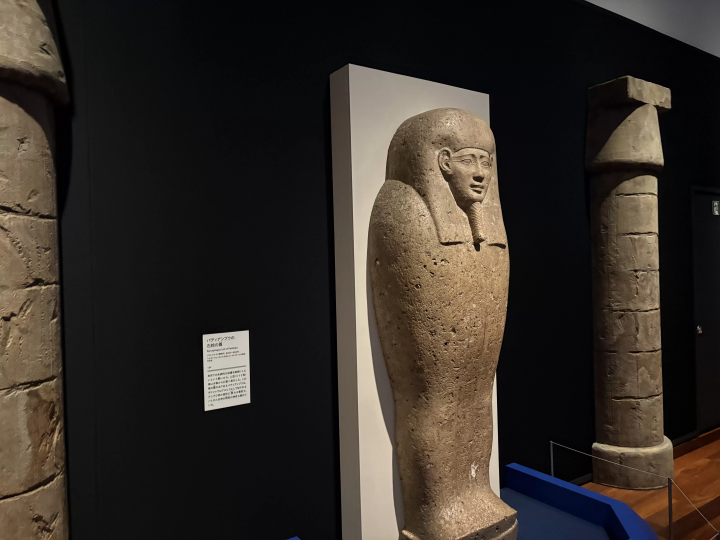
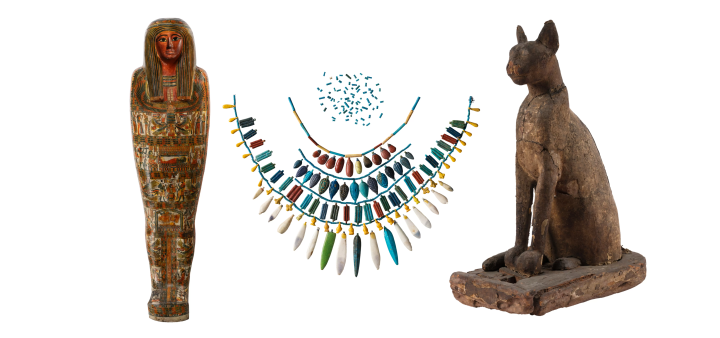
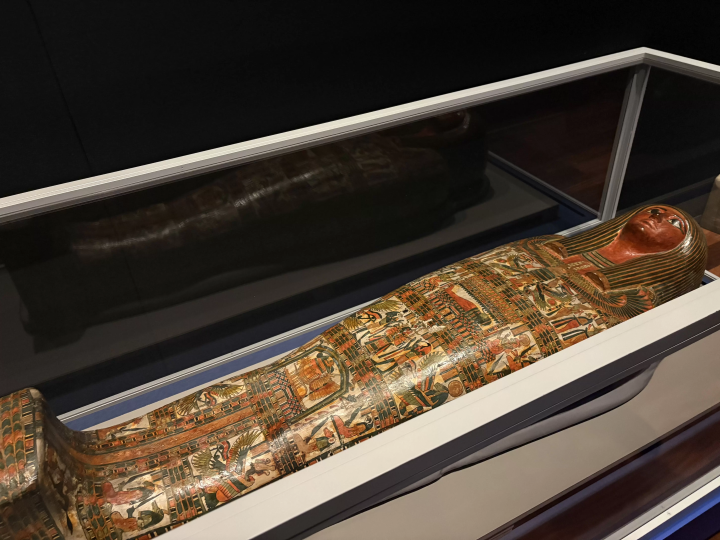
The collection is not merely a display of gold and grandiosity. It includes the visceral remnants of a lost world: intricate jewelry, ceremonial coffins, everyday household tools, and the mummified remains of both humans and sacred animals, including cats. By bridging the gap between the mundane and the divine, the curators have succeeded in humanizing a culture often shrouded in the cold, distant mystery of pharaonic monuments.
Chronology and Historical Context
To understand the scope of this exhibition, one must look at the timeline it spans. The artifacts range from the Predynastic period to the Ptolemaic dynasty, covering roughly 3,000 years of dynastic history.
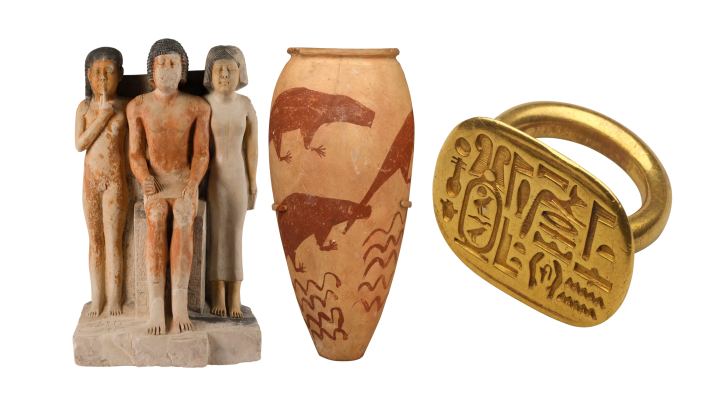
- Pre-Dynastic to Early Dynastic (c. 3000 BC): The exhibition begins by contextualizing the rise of the Egyptian state, exploring how early communities evolved into a unified, sophisticated civilization.
- The Age of the Pharaohs (c. 2455–2350 BC): A highlight is the bronze statue Nykere and His Family, which serves as a poignant study of social structure and daily life during the Old Kingdom.
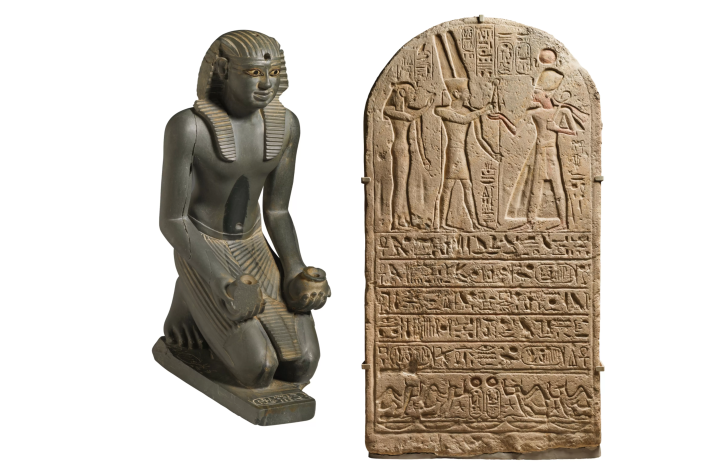
- The Dynastic Peak: The exhibition traces the lineage of twelve influential pharaohs, including the legendary Khufu and the iconic Ramesses II. Through modern archaeological data and cutting-edge forensic technology, the museum offers a deconstructed view of how these rulers governed and how their monumental pyramids were constructed.
- The Late Period and Ptolemaic Era: The final chapters focus on the shifting cultural landscape of Egypt as it interacted with Greek and Roman influences, eventually transitioning into the world as it was known before the modern era.
Supporting Data: Science Meets History
One of the most compelling aspects of the Abeno Harukas presentation is its reliance on the latest archaeological research. The exhibition moves beyond traditional storytelling to incorporate:
- Forensic Insights: By utilizing advanced imaging and DNA analysis, researchers have peeled back the bandages of history. The exhibition features two human mummies, analyzed in ways that reveal the health, diet, and physical condition of the individuals.
- Pyramid Reconstruction: Using 3D modeling and structural engineering simulations, the exhibition clarifies long-standing myths regarding how the pyramids were built. It challenges the "alien architect" tropes with evidence of the immense human labor and logistical genius of the ancient Egyptians.
- Linguistic Resurrection: In an immersive sensory experience, the exhibition recreates the sounds of the ancient Egyptian language. Visitors can hear the hauntingly solemn recitations of the Pyramid Texts—the oldest known funerary writings—which provide a rare auditory connection to the spiritual anxieties of a people living 5,000 years ago.
Official Perspectives: The Curator’s Vision
The exhibition is supervised by Dr. Shozo Kawae, a renowned Egyptologist who has been instrumental in utilizing digital technology to document the Giza Plateau. In the official exhibition catalog, Dr. Kawae emphasizes that the goal of this showcase is to move away from the "curiosity cabinet" approach.
"We wanted to focus on the ‘lived’ experience," Dr. Kawae notes. "While the gold of the pharaohs is spectacular, understanding how an ancient mother raised her child, how a laborer ate his midday meal, or how a scribe practiced his calligraphy makes the civilization relatable. We are not just looking at objects; we are looking at mirrors of our own human experience."
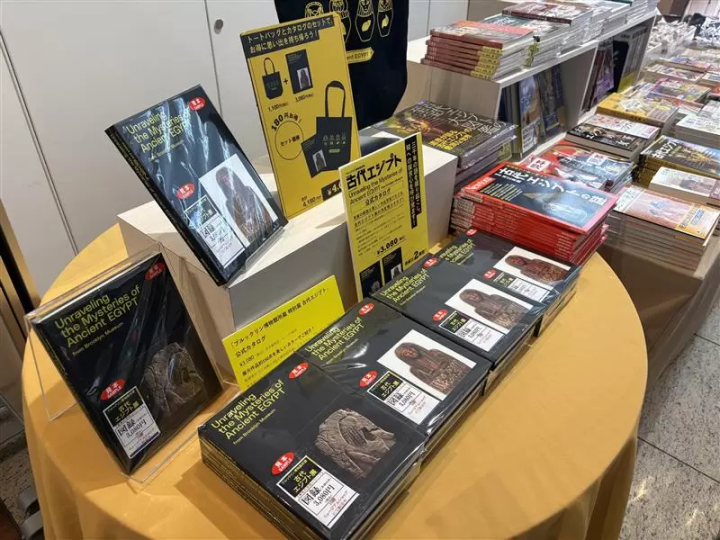
The inclusion of the Brooklyn Museum’s collection is also a testament to international cooperation. The exhibition catalog features detailed essays from researchers at both the Brooklyn Museum and the Abeno Harukas Art Museum, outlining the history of the collection and the rigorous conservation efforts required to transport these delicate antiquities across the globe.
Implications: A New Era for Museum-Going
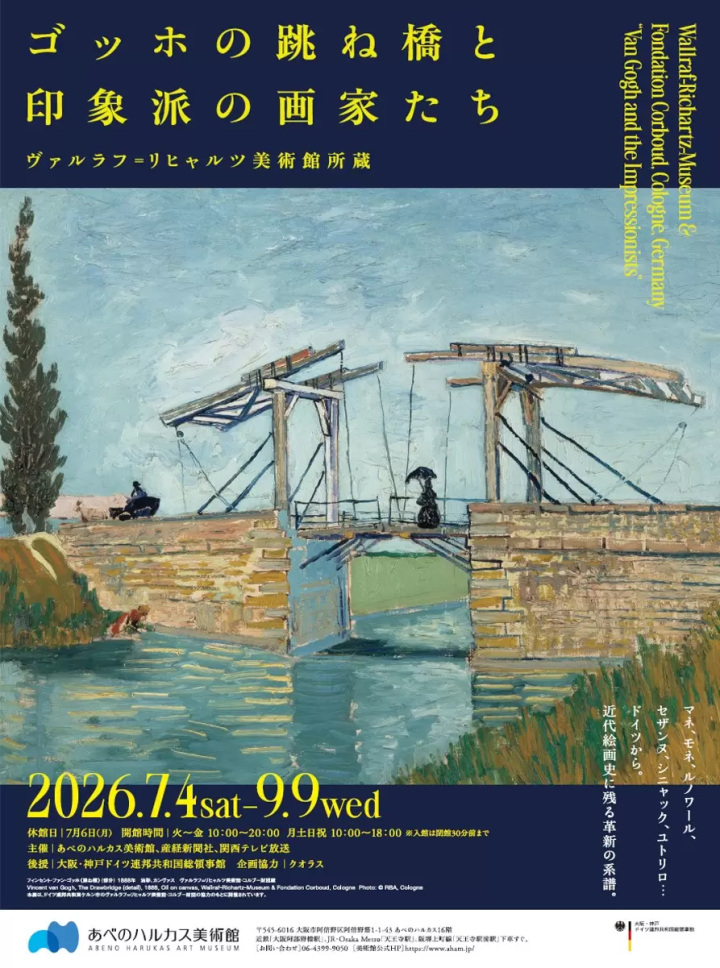
The success of the Ancient Egypt exhibition, coupled with the museum’s concurrent focus on French Impressionism—featuring 70 works by 42 masters like Manet, Monet, and Renoir—signals a shift in the role of the modern art museum.
The Cultural Nexus
By pairing the ancient world with the radical shift of 19th-century Impressionism, the Abeno Harukas Art Museum is encouraging a dialogue about the nature of "modernity." Just as the ancient Egyptians sought to capture the eternal through stone and ritual, the Impressionists sought to capture the fleeting light of a changing world. This juxtaposition allows visitors to reflect on how art serves as a record of human progress and a response to the pressures of time.

The Rise of "Museum Retail" as Education
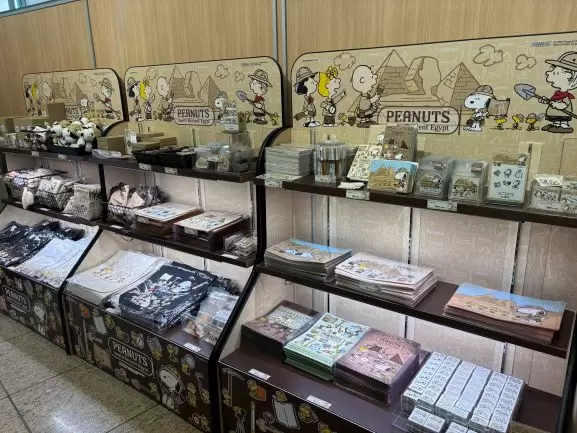
The exhibition has also drawn attention for its thoughtful approach to merchandise. Moving beyond standard tourist trinkets, the museum has collaborated on high-quality goods, such as the "Snoopy Expedition" line—which uses the popular character to teach children about excavation tools—and sophisticated stationery that reflects the exhibition’s black-and-yellow aesthetic. By offering these items, the museum creates a "take-home" experience, allowing the lessons of the exhibition to permeate the daily lives of the visitors.
Accessibility and Future Impact
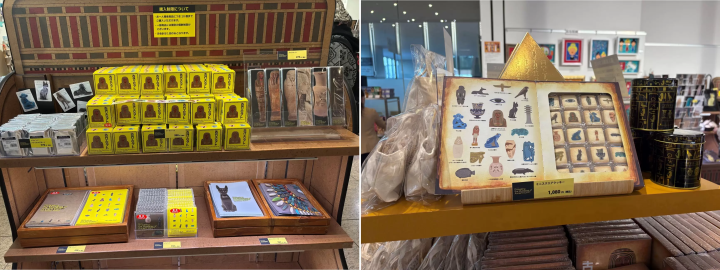
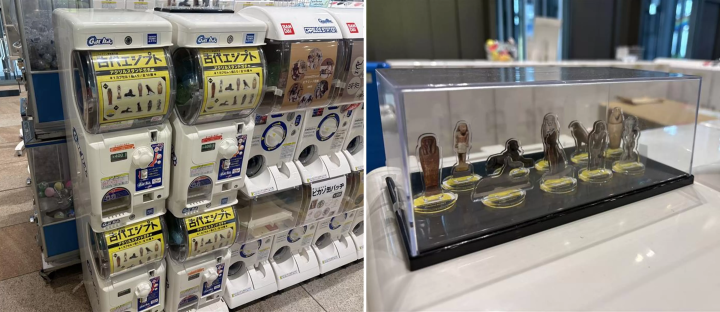
The integration of digital audio-visual aids and interactive "gacha" figurines (which provide small, collectible insights into Egyptian mythology) reflects a broader trend of "gamifying" museum education. By making history tactile and accessible, the Abeno Harukas Art Museum is ensuring that the next generation of museum-goers remains engaged with the past.
Concluding Reflections
As the exhibition draws to its conclusion on June 14th, the impact on the Osaka arts scene is palpable. Visitors leaving the 16th floor of Abeno Harukas often find themselves looking at the city skyline with a renewed sense of perspective. Whether contemplating the life of an ancient pharaoh or the brushstrokes of a Monet, the museum serves as a vital reminder of our shared human history.
For those planning to visit, the exhibition is more than just a display of artifacts; it is a profound journey into the fundamental questions of life, death, and the legacies we leave behind. With its blend of rigorous research, stunning presentation, and thoughtful curation, the Abeno Harukas Art Museum has set a high bar for cultural institutions worldwide.
For those interested in further information or planning their visit, please consult the official Abeno Harukas Art Museum website. Please note that some exhibition materials and programming may be subject to availability as the closing date approaches.


 Neng Nana
 Asro
Asro