Basiran
In the world of Japanese pop culture, the concept of the "anime pilgrimage"—or seichi junrei—has evolved from a niche hobby into a powerful engine for regional revitalization. While many locations across Japan have benefited from the popularity of animated series, few have achieved the depth of synergy seen in Numazu. Nestled along the sun-drenched coast of Shizuoka Prefecture, this quiet city has become the real-world stage for LoveLive! Sunshine!!, a multimedia project that has fundamentally reshaped the city’s economic, social, and cultural identity over the last seven years.
The Genesis of an Idol Phenomenon
LoveLive! Sunshine!! is a spin-off of the juggernaut Love Live! franchise, centering on a group of high school students who form an idol group named "Aqours." Their mission: to save their beloved school, Uranohoshi Girls’ Academy, from the threat of closure. Since its inception, the project has spanned music, gaming, and television. The anime television series debuted in 2016, with a second season following in 2017, effectively putting Numazu on the global map for millions of fans.
The narrative of the series is intrinsically tied to the geography of Numazu. By utilizing the city’s actual coastal vistas, harbors, and local businesses as the backdrop for the characters’ personal growth, the producers created an immersive environment that invited fans to step out of their homes and into the story. As the franchise continues to evolve—notably with the 2023 fantasy spin-off Yohane of the Parhelion: Sunshine in the Mirror—the bond between the city and the fanbase remains remarkably resilient.

Chronology of a Seven-Year Symbiosis
The relationship between Numazu and the LoveLive! franchise is defined by a consistent, mutually beneficial evolution.
- 2016–2017: The anime’s initial run triggered the first wave of "pilgrims." Businesses in the Uchiura area began to see an influx of visitors. Local entrepreneurs, recognizing the potential, began displaying fan-made art and official merchandise.
- 2018–2019: The "pilgrimage" matured. What began as casual tourism turned into a structured industry. Official maps were produced, and the city began hosting themed events, concerts, and collaborations. The 2019 film, Love Live! Sunshine!! The School Idol Movie Over The Rainbow, solidified local businesses like the Tsuji Photo Studio as canonical landmarks.
- 2020–2022: Despite the global pandemic, which restricted domestic travel, the spirit of the pilgrimage persisted. Digital engagement skyrocketed, and local stakeholders noted that the desire to visit remained undimmed. During this period, the city’s infrastructure for hosting fans became more refined, with businesses creating "support systems" for visitors.
- 2023 and Beyond: The release of the fantasy-themed Yohane of the Parhelion signaled a new chapter, proving that the synergy is not merely tied to the original plot but to a sustained cultural partnership.
Economic and Social Implications
The economic impact of the project is visible in the revitalization of local shops and services. The city has transitioned from a traditional fishing and tourist destination into a hybrid hub where local commerce and fandom intersect.
"LoveLivers," as the fans are affectionately known, are not traditional tourists. They are active participants in the local economy. Businesses have categorized their engagement into four distinct tiers: those featured in the show, those acting as official merchandise hubs (stamps, badges), those creating "pilgrimage spots" through community engagement, and those that simply display support as a gesture of local goodwill.
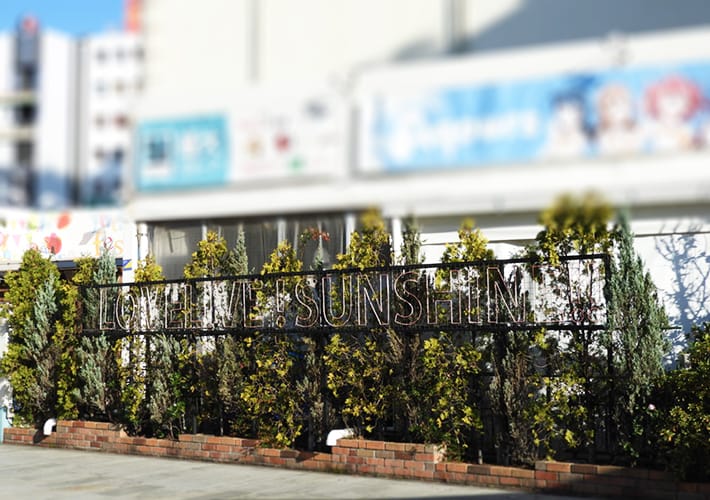
This integration has turned Numazu into one of Japan’s most successful examples of "anime-induced regional development." Unlike other locations that struggle with "over-tourism" or friction between residents and visitors, Numazu has largely navigated these waters through open communication and active civic participation.
Official Perspectives: Governance and Community
To understand the mechanics of this success, we interviewed key figures within the city who have been at the heart of this transformation.
The View from the City Council
Ryuo Ozawa, a Numazu City councilman and an avowed fan of the series, emphasizes that the integration of the anime into city life has been overwhelmingly positive. Addressing early concerns regarding potential friction—such as incidents of vandalism or unwanted attention toward students—Ozawa notes these were isolated "hiccups."

"The impact has been a source of community pride," Ozawa explains. He points to the way the anime has bridged generational gaps. It is not uncommon to see octogenarians who have become fans of the series simply because it highlights their hometown, nor is it unusual to see local political leadership—including the mayor—actively supporting the franchise’s milestones and voice actor events. The series has become a shared language that unites the city’s residents, regardless of age.
The Role of Local Business: Tsuji Photo Studio
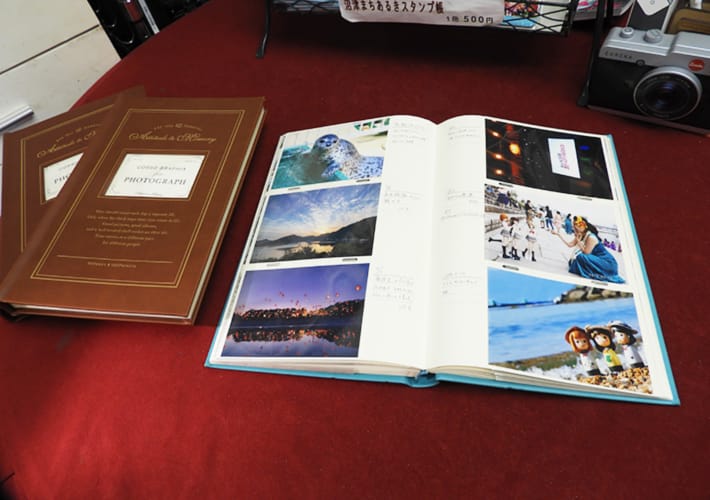
Tomomi Mine of the Tsuji Photo Studio offers a poignant look at how individual businesses have acted as the "heart" of the pilgrimage. Initially a modest family business, the studio became a sanctuary for fans. Mine’s decision to post a map and a communal blackboard for fan art transformed the studio into a hub for community interaction.
"The albums we keep, filled with photos from visitors, serve as a bridge between the past and the future," Mine says. By providing a physical space for fans to leave their mark, the studio turned from a commercial entity into a community center, a role so significant that it was eventually immortalized in the series’ own film production.
Confectionery and Commerce: Shougetsu
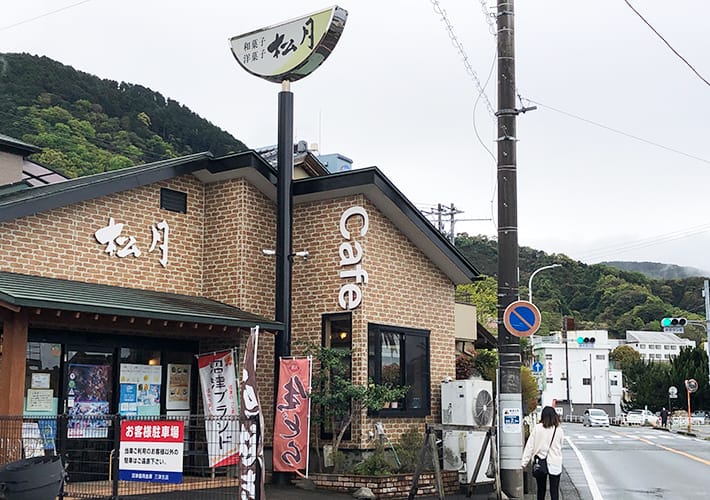
Kiminobu Segawa, owner of the confectionery shop Shougetsu, notes that the anime provided a lifeline during uncertain economic times. By creating limited-edition, character-inspired sweets for birthdays and other milestones, Shougetsu has turned product consumption into a commemorative act. Segawa notes that even during the height of the pandemic, the loyalty of the fans remained a pillar of his business, with visitors traveling from as far as Northern Japan to show their support.
The Intersection of Faith and Fandom: Numazu St. John’s
Perhaps the most unique aspect of the Numazu pilgrimage is the intersection of the anime with the city’s religious landmarks. The character Yoshiko Tsushima uses the name "Yohane"—the Japanese name for John the Apostle—which led fans to the Numazu St. John’s Anglican Church.
Father Paul Masato Kubota, the resident priest, has embraced this curiosity. Rather than viewing the interest as a distraction, he uses it as a pedagogical tool. By drawing parallels between the themes of the anime and religious values, Father Kubota has successfully engaged younger congregants who might otherwise feel disconnected from the church. "If it helps bring more interest to the church, it’s a positive thing," he notes, extending a welcoming hand to fans and pilgrims alike.
Conclusion: A Model for Future Pilgrimages
The success of Numazu is not an accident of geography, but a result of intentional collaboration. The city government, local business owners, and the fans themselves have created a feedback loop where the success of the series directly fuels the health of the city.
As Numazu looks toward the future, the "LoveLive! Sunshine!!" project remains a cornerstone of its tourism strategy. By fostering a culture of mutual respect and active participation, Numazu has proven that when a community embraces the creative works that represent them, the result is more than just a spike in revenue—it is a lasting, living cultural legacy. For those seeking to understand the future of regional development in Japan, all roads, it seems, lead to the sunny shores of Numazu.


 Neng Nana
 Asro
Asro