

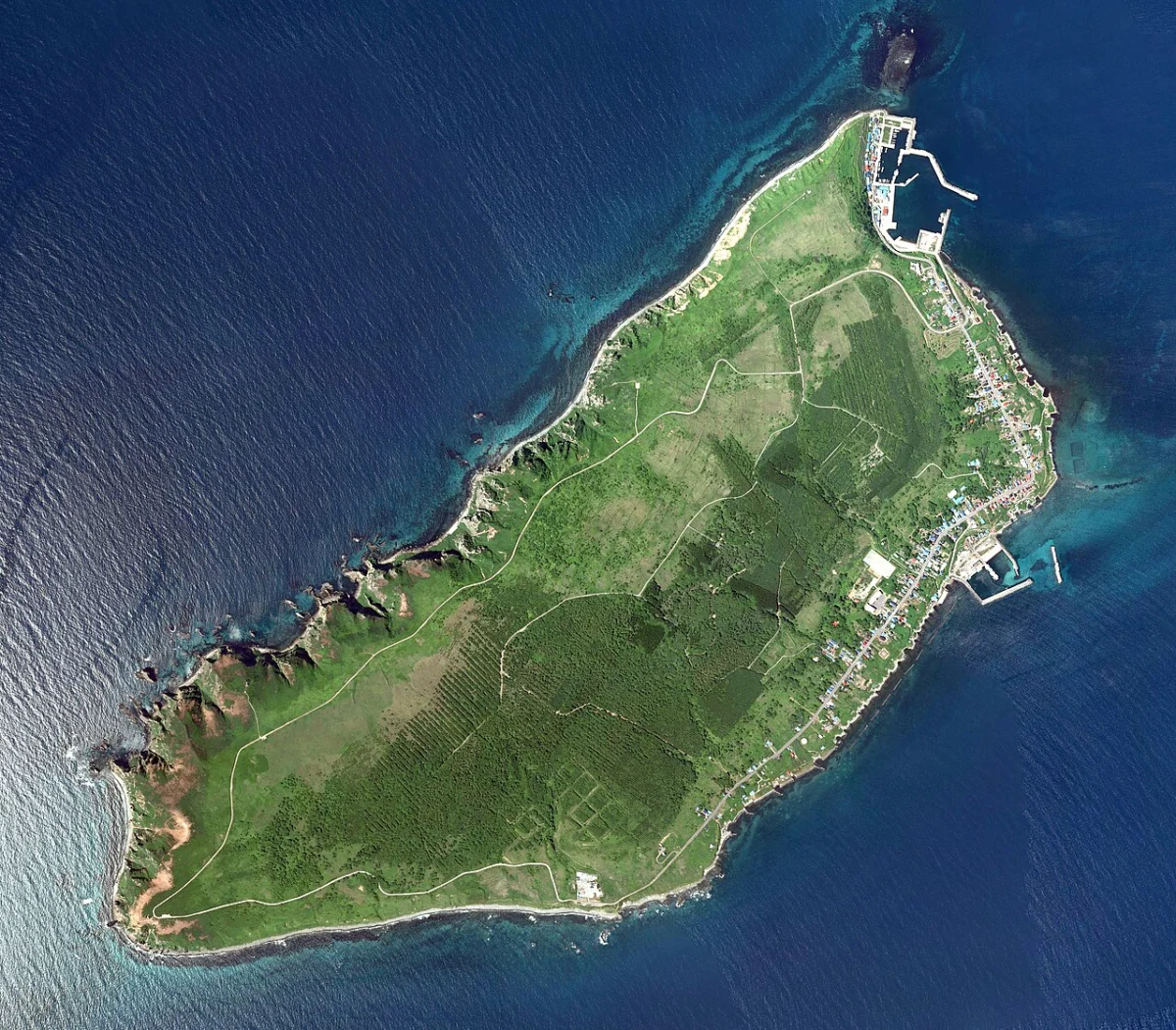
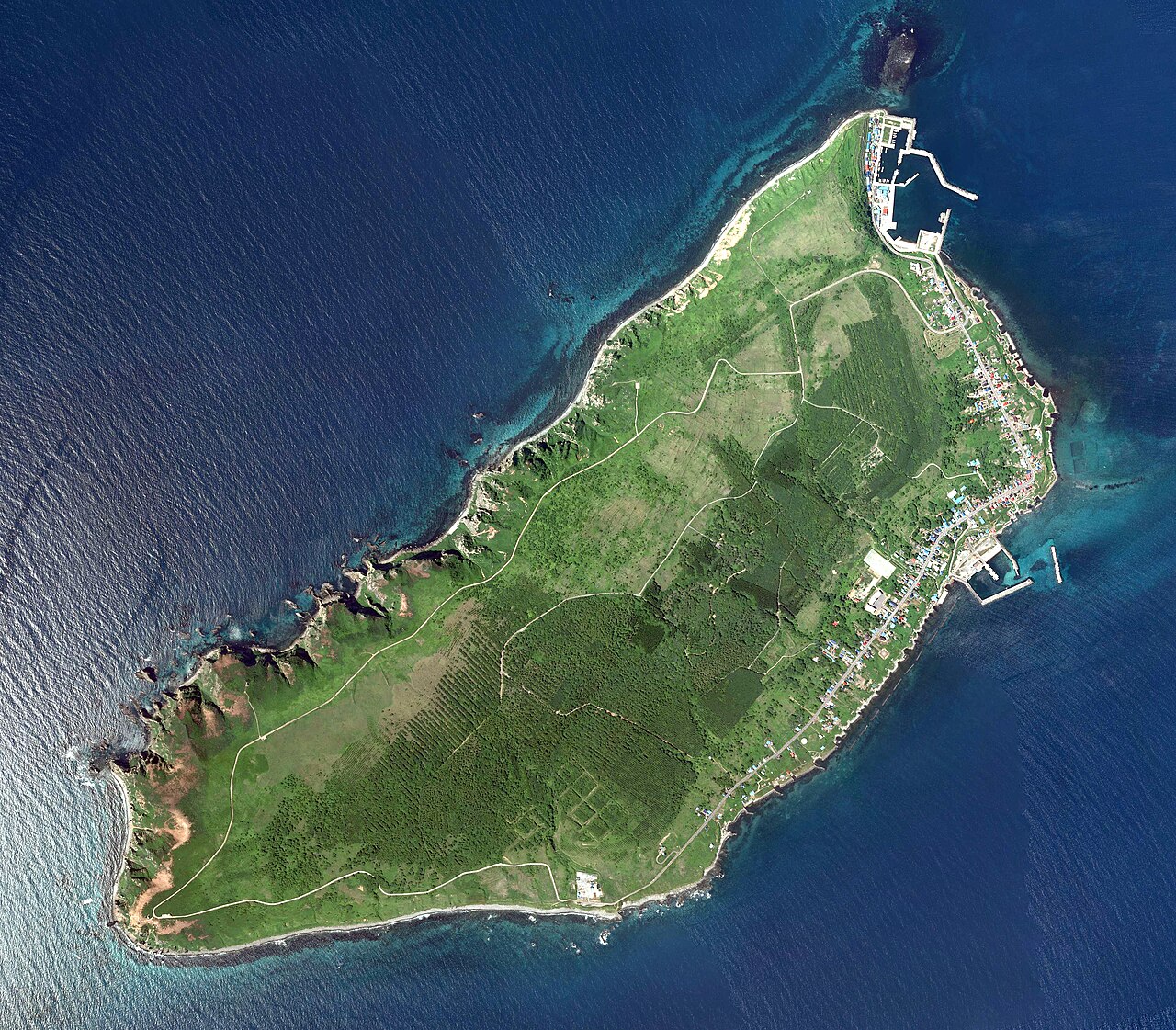
Halfway up the rugged Japan Sea coast of Hokkaido, roughly 200 kilometers north of Sapporo, lies the modest fishing town of Haboro. While it may appear to be just another quiet port on the map, Haboro commands an outsized presence in the global scientific community. Twenty kilometers offshore, where the nutrient-rich, frigid waters of the Tsushima Current collide with the continental shelf, two islands—Teuri and Yagishiri—host what is arguably the most significant concentrated seabird breeding colony in Japan.
This is a destination for the "deep-traveler"—the birder, the naturalist, and the intrepid photographer who has exhausted the standard tourist loops and is looking for a landscape that remains largely untouched by the frenetic pace of modern Japanese tourism.
Main Facts: The Ornithological Heartland of the North
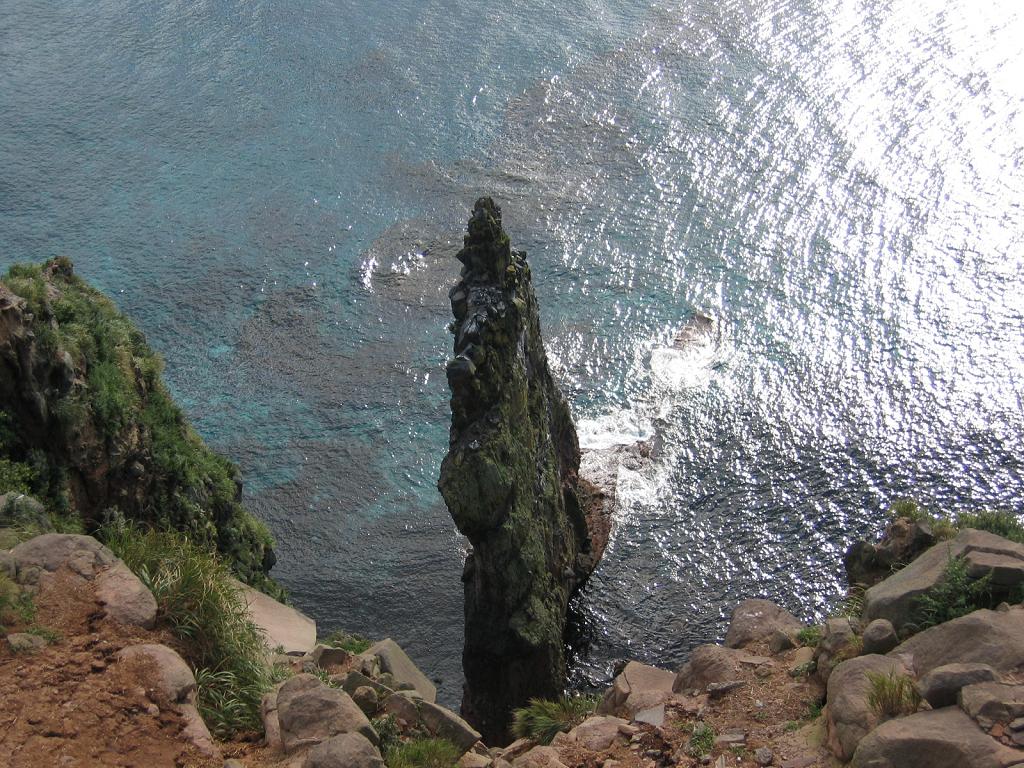
Teuri Island, a mere 12 kilometers in circumference, acts as the primary nesting ground for an staggering 800,000 rhinoceros auklets (Cerorhinca monocerata). Each spring, these birds transform the island’s basalt cliffs into a bustling metropolis of wings and burrows. They are joined by eight other species, including common murres, pelagic cormorants, spectacled guillemots, and black-tailed gulls.
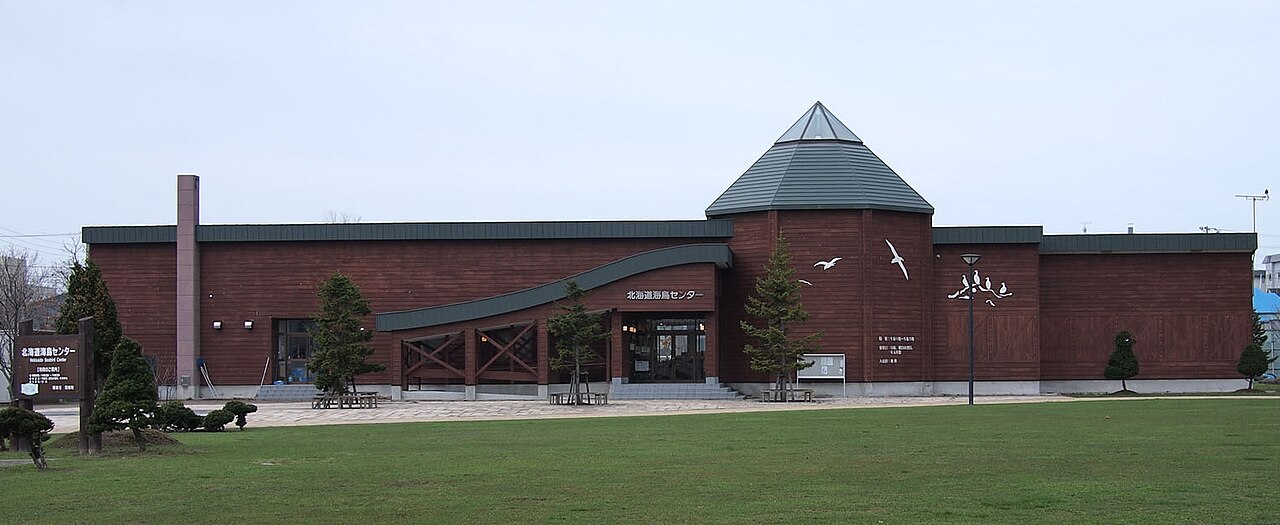
The logistical anchor for this ecosystem is the Hokkaido Seabird Center, located on the mainland in Haboro. Since its inception in 1997, the facility has functioned as a dual-purpose entity: a public education museum and the vital field office for the Ministry of the Environment’s seabird-colony monitoring program. For those seeking to understand the delicate interplay between human industry and avian survival, this center serves as the essential gateway.
Chronology: A History of Coexistence and Conservation
The relationship between the people of Haboro and the avian population of the offshore islands has not always been harmonious. The history of this region is defined by the struggle to balance the local fishing industry with the environmental demands of the seabird colonies.
- Pre-1970s: The islands were largely left to their natural state, though traditional fishing practices often intersected with the foraging routes of local seabirds.
- 1970s–1980s: A period of ecological crisis. The local tufted puffin population, once a staple of the Teuri cliffs, began a terminal decline, largely due to bycatch in commercial longline fisheries.
- 1997: The establishment of the Hokkaido Seabird Center. This marked a paradigm shift in how the local government approached the environment, prioritizing research and public awareness.
- 2010: The last confirmed breeding pair of tufted puffins was recorded on Teuri. This event served as a sobering reminder of the vulnerability of the colony, leading to intensified conservation efforts.
- Present Day: The Center operates in a continuous cycle of monitoring, community education, and bycatch mitigation strategies, fostering a unique partnership between modern researchers and local fishing fleets.
Supporting Data: Why Teuri Matters
To grasp the scale of the Teuri colony, one must look at the data provided by the Ministry of the Environment. During the breeding window—typically from mid-April through late August—the island is a hive of activity.
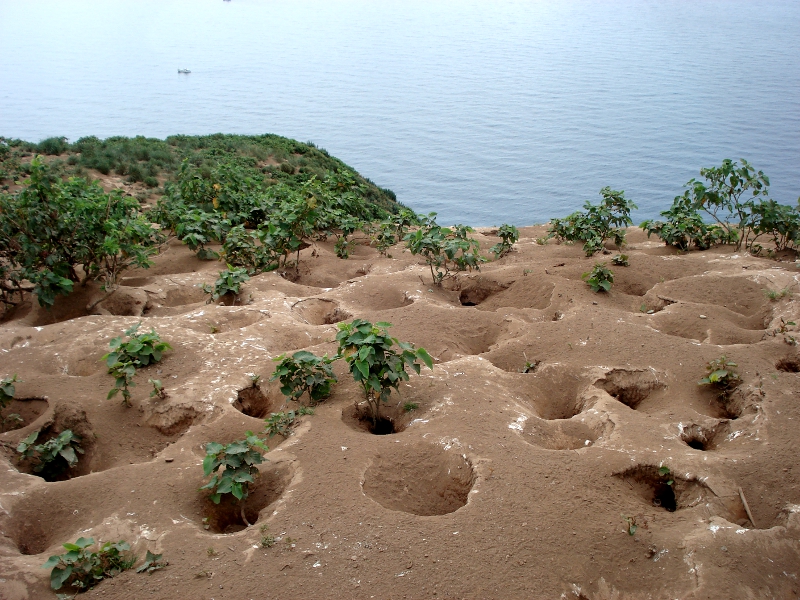
The rhinoceros auklet, the crown jewel of the island, is a master of timing. During the day, they fish in the bountiful waters of the Tsushima Current, only to return to their cliff-side burrows at dusk. The spectacle is breathtaking: for a 30- to 45-minute window, the sky is filled with thousands of birds returning in synchronized, high-speed flight.
Key Breeding Metrics:
- Peak Season: Late May to mid-July offers the highest frequency of sightings.
- Colony Density: In certain sections of the cliff-top turf, the density of burrows is so high that researchers and visitors must walk with extreme caution to prevent the ground from collapsing.
- Species Diversity: Eight distinct species of seabirds share the cliffs, each occupying specific strata of the rock face based on their nesting preferences—basalt overhangs for some, tuff cavities for others.
Official Responses and Conservation Efforts
The Hokkaido Seabird Center does not merely observe; it acts. One of the most significant aspects of their work involves "fishery-seabird conflict resolution." By working directly with the Haboro fishing fleet, the center has helped develop gear modifications and awareness programs aimed at reducing incidental bycatch of birds like the rhinoceros auklet.
"The goal is not to exclude the fishing industry, but to integrate it into a sustainable landscape," says a representative of the research team. The Center’s exhibits candidly display the challenges, including the history of the lost puffin colonies, using these stories as cautionary tales for current conservation initiatives.
Implications: The Future of Remote-Island Tourism
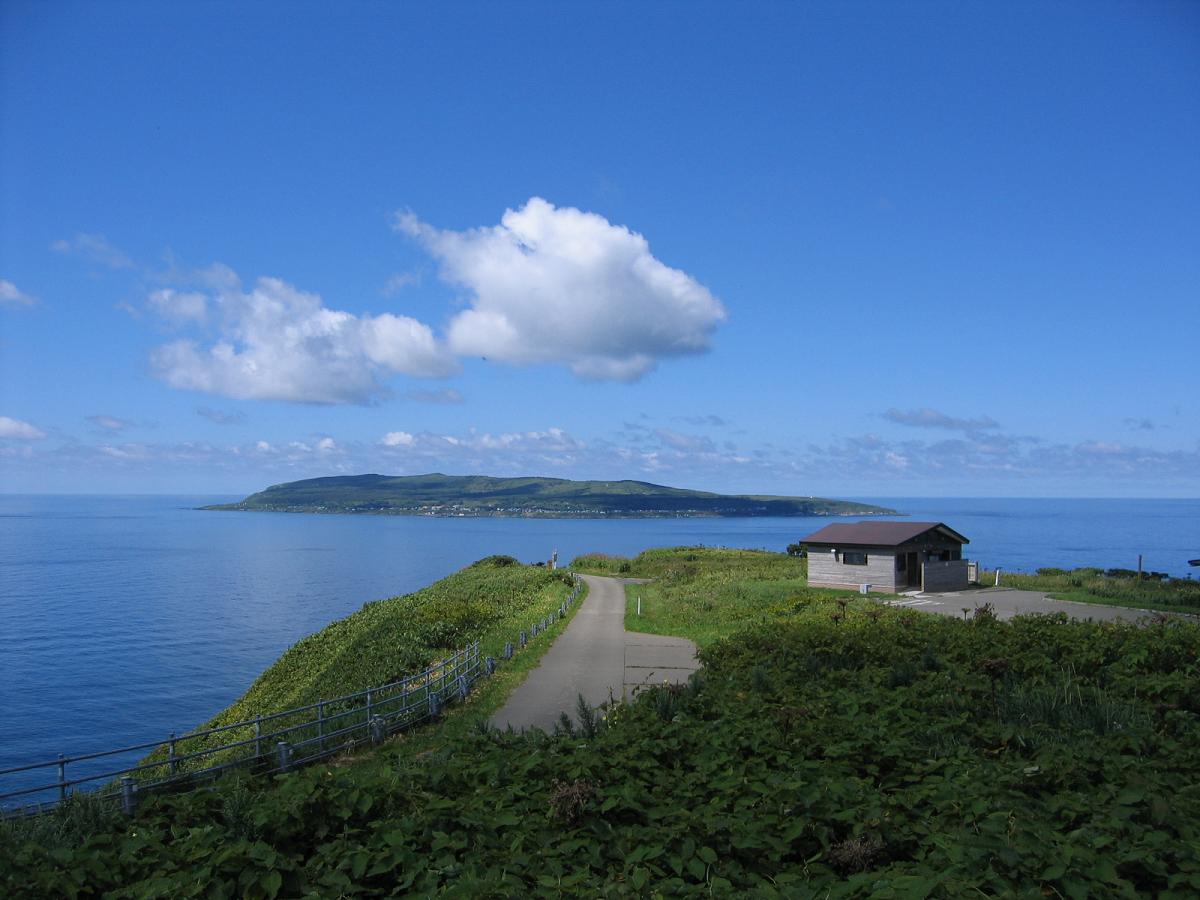
For the visitor, the implications of this ecosystem are significant. The region is not a "tourist trap"; it is a working, living environment where the infrastructure is secondary to the needs of the wildlife.
The Teuri Experience
Teuri is the smaller, more rugged sibling of the two islands. Visitors come here for the "Seabird Breeding Ground Guided Tour" and the "Rhinoceros Auklet Night Guide." These programs, priced modestly at ¥1,500 to ¥2,000, ensure that birdwatching is conducted in a manner that minimizes human impact. The Akaiwa Observatory, intentionally left unlit to protect the nocturnal habits of the birds, offers a visceral, raw experience that is increasingly rare in the modern world.
The Yagishiri Alternative
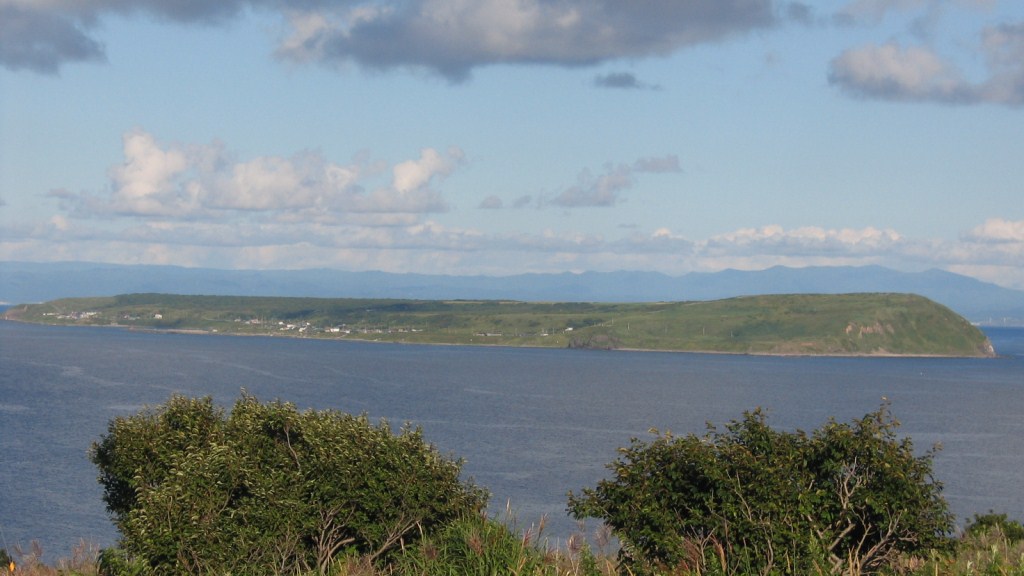
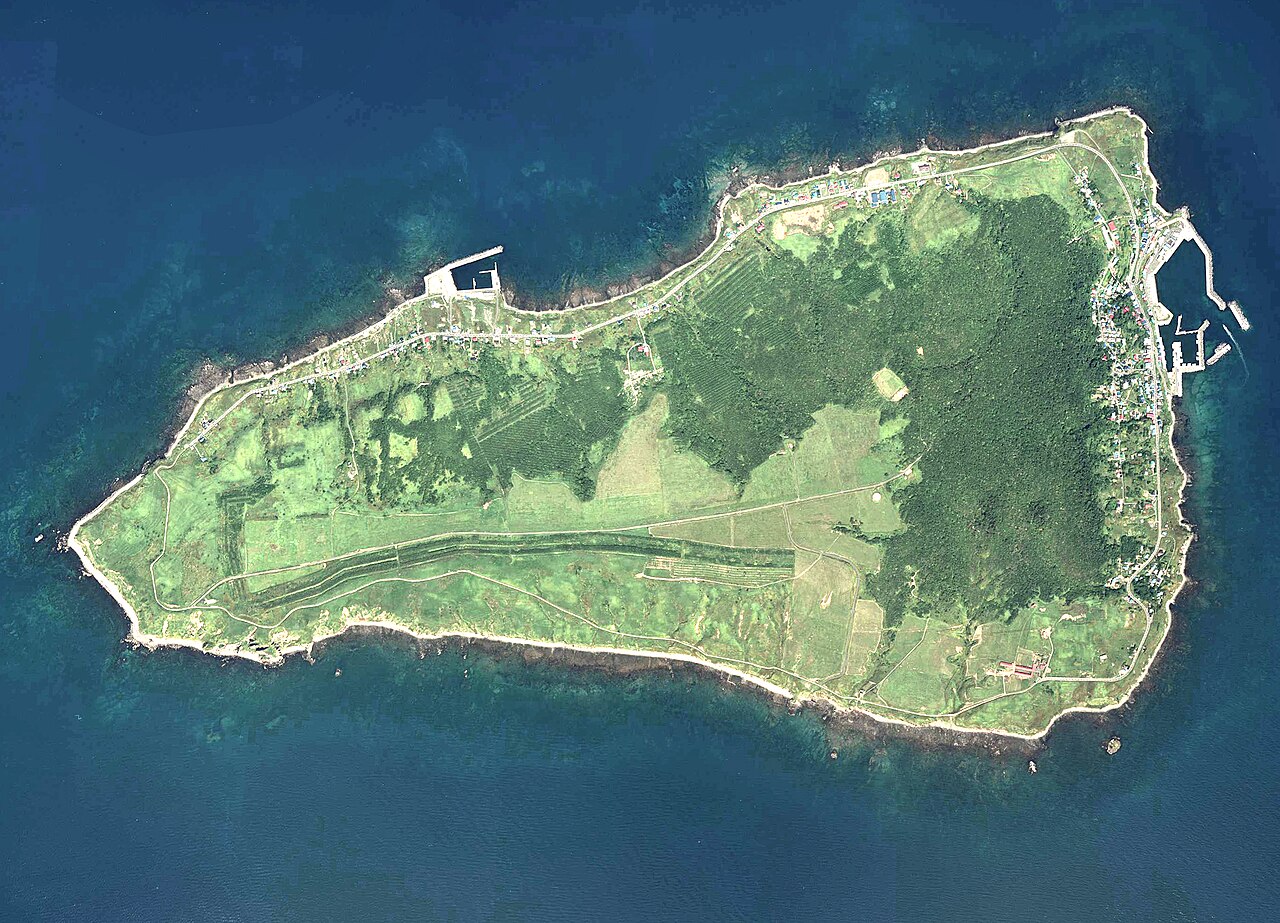
While Teuri is for the birder, Yagishiri is for the wanderer. Dominated by a central primeval forest—the only northern-latitude broadleaf deciduous woodland of its kind in Japan—the island offers a serene contrast. The Yagishiri Sheep Farm, the only commercial sheep farm in Hokkaido, provides a unique glimpse into the agricultural history of the region. Its wool and lamb products have become a premium export, highlighting another way the islanders have found to thrive in a remote setting.
Navigating the Logistics
Accessing this corner of Hokkaido requires patience. The Haboro Enkai Ferry is the lifeblood of the islands. In the summer, three daily round-trips connect Haboro to both Teuri and Yagishiri. In the winter, however, weather conditions dictate the schedule, with frequent cancellations common.
Traveler’s Checklist:
- Transportation: Take the Chuo Bus from Sapporo Station (4 hours) to Haboro. If driving from Asahikawa, anticipate a 2.5-hour journey.
- Accommodation: Haboro offers standard business hotels, while the islands feature traditional minshuku (family-run guesthouses). For the islands, direct phone booking is often the only method, underscoring the need for basic Japanese language skills or the use of translation services.
- Preparation: If visiting in winter, plan for at least two buffer days. If visiting for the auklets, bring a red-filtered headlamp for the nighttime observation sessions.
Final Reflections
Is a trip to Haboro, Teuri, and Yagishiri worth the logistical challenge? For the general tourist, perhaps not. But for those who value the rare, the remote, and the ecologically significant, it is a journey that ranks among the most rewarding in the North Pacific.

The islands represent a microcosm of the global struggle for conservation. By visiting, one is not merely observing birds; one is participating in a small, quiet, yet vital movement to ensure that these sentinels of the Japan Sea continue to return to their cliffs for generations to come. Whether you find yourself cycling the flat perimeter of Yagishiri or watching the sunset over the auklet-filled cliffs of Teuri, you are witnessing a side of Japan that few will ever see—a place where the rhythm of the tide and the flight of the bird still dictate the pace of life.












No comments yet. Be the first to join the conversation!