

For decades, the alien invasion sub-genre has served as a mirror for humanity’s collective anxieties. Whether reflecting Cold War fears of infiltration, environmental dread, or the existential terror of being watched from the stars, stories about visitors from beyond have anchored the science fiction landscape. From the terrifying, low-budget roots of "The Blob" to the global, high-octane spectacle of "Independence Day," these narratives have consistently dominated the box office.
However, the history of cinema is littered with "invasion" stories that failed to capture the zeitgeist upon their initial release. Some were buried by poor timing, others by modest budgets, and a few were simply misunderstood by critics of their time. As streaming platforms and VOD services continue to provide a second life for forgotten media, it is time to re-evaluate five alien invasion films that have aged remarkably well.
1. Evolution (2001): The Comedic Underdog
Directed by Ivan Reitman, a titan of 1980s comedy known for Ghostbusters, Evolution arrived at a strange inflection point in blockbuster history. By 2001, the audience appetite for high-concept sci-fi was immense, but Evolution struggled to find its identity between a raucous comedy and a serious creature feature.
Chronology and Reception
Released in the summer of 2001, Evolution was positioned as a major DreamWorks tentpole. It featured a star-studded cast including David Duchovny, Julianne Moore, Seann William Scott, and Orlando Jones. Despite its pedigree, the film was dismissed as a "swing-and-a-miss" by critics who found its tone inconsistent. It grossed just enough to be considered a disappointment rather than a disaster, and it quickly faded into the background of the early 2000s cinematic landscape.
Why It Holds Up
Twenty-five years later, Evolution has aged into a cult classic. Its reliance on a mix of practical effects and early-2000s CGI creates a tactile, vibrant visual experience that feels distinct from the sterile digital environments of modern blockbusters. The premise—a meteor crashing into the Arizona desert carrying extraterrestrial life that evolves at an accelerated rate—is pure B-movie fun, executed with an A-list budget. The chemistry between the leads, particularly the comedic timing of Orlando Jones and the physical comedy of Seann William Scott, anchors the film, making it a "junk food" cinema masterpiece that remains as entertaining today as it was on release.
2. Monsters (2010): The Blueprint for Modern Indie Sci-Fi
Before Gareth Edwards became a household name for directing Godzilla (2014) and Rogue One: A Star Wars Story, he was a one-man visual effects powerhouse. His debut, Monsters, remains a masterclass in independent filmmaking.
Supporting Data
Produced for less than $500,000, Monsters is a testament to the idea that necessity is the mother of invention. Edwards famously handled the majority of the visual effects himself on a standard laptop, creating a sprawling, post-invasion world that felt massive despite the micro-budget.
Implications for the Genre
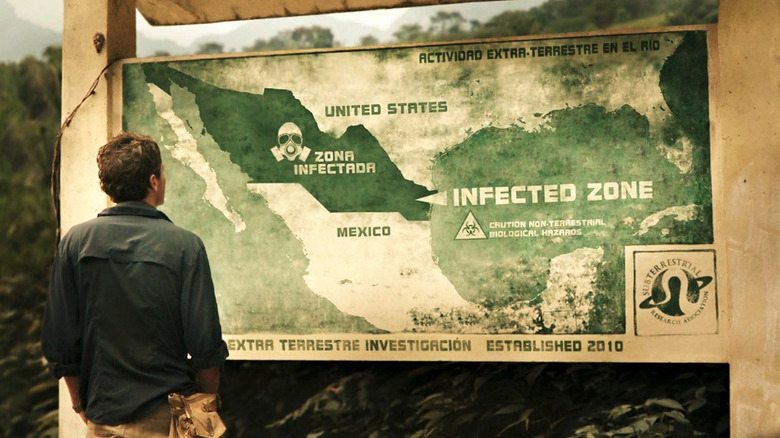
The film’s "boots on the ground" perspective—focused on a photojournalist (Scoot McNairy) escorting his employer’s daughter through a quarantined "Infected Zone" in Mexico—shifted the focus away from global war and toward personal human stakes. By refusing to show the "invasion" as a series of explosions, Edwards focused on the atmosphere of a world irrevocably changed. Monsters proved that audiences didn’t need to see the White House explode to feel the tension of an alien presence; they just needed to see the haunting, quiet majesty of the creatures in their natural, albeit invasive, habitat.
3. The Watch (2012): The Comedy of Circumstance
Perhaps no film on this list suffered more from external pressures than 2012’s The Watch. Directed by Akiva Schaffer of The Lonely Island, the film was initially titled Neighborhood Watch.
Official Context and Marketing
The film’s promotional cycle was tragically derailed by the real-life killing of Trayvon Martin in Florida. The coincidental timing of the title and the sensitive nature of the news cycle forced 20th Century Studios to pull marketing materials and rush a title change to The Watch. This damaged the film’s theatrical prospects, and a wave of negative critical reception cemented its fate as a commercial failure.
A Re-evaluation
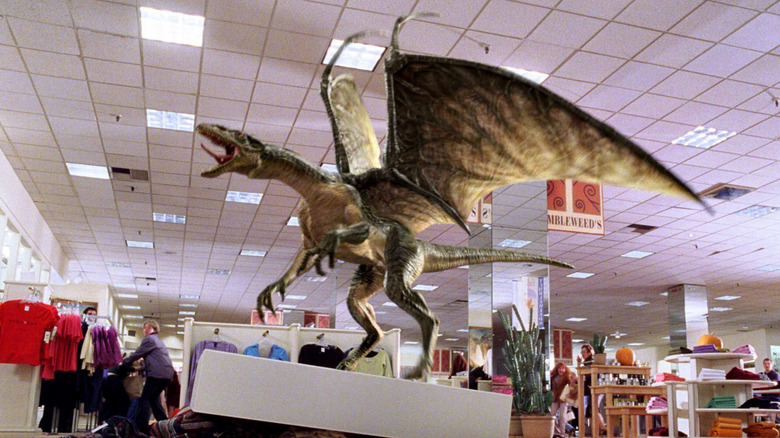
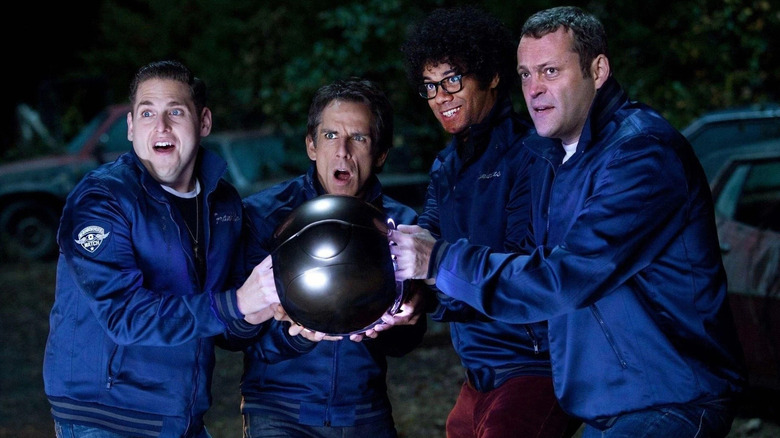
Removed from the baggage of its release, The Watch is a sharp, funny, and surprisingly competent sci-fi comedy. With a cast featuring Ben Stiller, Vince Vaughn, Jonah Hill, and Richard Ayoade, the film possesses a natural, improvisational chemistry that is rare in modern studio comedies. Beyond the laughs, the visual effects for the alien threats are surprisingly high-quality. It stands as a relic of a dying breed: the mid-budget, R-rated theatrical comedy, and it serves as a reminder that a film’s quality is often disconnected from the circumstances of its debut.
4. The Vast of Night (2020): Auditory Tension
The COVID-19 pandemic caused a total disruption of the film distribution model, leading many films to be released quietly onto streaming platforms. The Vast of Night, directed by Andrew Patterson, was one of the most prominent victims of this "lost" period.
Technical Brilliance
Set in 1950s New Mexico, the film follows a switchboard operator and a radio DJ who intercept a mysterious, otherworldly audio signal. Eschewing traditional spectacle, Patterson uses long, tracking shots and rich, period-accurate dialogue to build a sense of dread. The film is a triumph of pacing and sound design, proving that sci-fi horror can be just as potent when it lives in the ears of the audience as it does on the screen.
Critical Implications
The Vast of Night is a prime example of how limited resources can force a filmmaker to become more creative. By focusing on the mystery of the invasion rather than the mechanics of it, the film achieves a level of immersion that most big-budget spectacles fail to reach. It is a quintessential "hidden gem" that has gained a slow, steady following through word-of-mouth recommendations.
5. Arcadian (2024): The Survivalist Thriller
The most recent entry on our list, Arcadian, represents the current state of the sub-genre: high-concept, lean, and intensely personal.
Narrative and Performance
Starring Nicolas Cage, Arcadian follows a father and his twin sons surviving in a post-apocalyptic landscape where blind, hyper-aggressive creatures emerge after dark. While it draws clear parallels to A Quiet Place, Arcadian differentiates itself through its grittier, more visceral approach to creature design and its focus on the fractured, yet loving, dynamic of a father trying to keep his family alive.
Official Reception and Legacy
Despite a strong performance from Cage and praise for director Benjamin Brewer’s tension-building, Arcadian was largely ignored by mainstream audiences upon its 2024 release. In an era where audiences are increasingly fatigued by massive, franchise-linked cinematic universes, Arcadian offers a self-contained, satisfying, and terrifying experience. It is a film that rewards those who look past the "derivative" label to find a taut, well-acted piece of genre fiction that proves the alien invasion sub-genre still has room for new, chilling ideas.
Conclusion: The Value of the Revisit
The films listed above share a common thread: they were all hindered by the conditions of their release or the limitations of their budget. Yet, they remain vital components of the science fiction canon. In an age of algorithm-driven content, there is immense value in returning to these "forgotten" stories. Whether it is the slapstick sci-fi of Evolution or the eerie, radio-wave tension of The Vast of Night, these films prove that the best stories about humanity’s contact with the unknown aren’t always the ones that make the most noise at the box office. They are the ones that, long after the credits roll, leave the viewer looking up at the sky, wondering what else might be out there.











No comments yet. Be the first to join the conversation!