


In a rare and profound meeting of creative minds, Hideaki Anno, the visionary creator of Neon Genesis Evangelion, and Takashi Yamazaki, the Academy Award-winning director of Godzilla Minus One, have sounded an alarm regarding the structural integrity of the Japanese entertainment industry. While the world consumes Japanese media at record rates, Anno argues that the domestic industry is cannibalizing its own future by abandoning its youngest audiences and failing to preserve its historical foundations.
Speaking to Forbes Japan regarding the government’s ambitious "Cool Japan" initiative, the two directors provided a sobering counter-narrative to the triumphalism often associated with the global "anime boom." Their dialogue revealed a sector caught between massive economic potential and a crumbling internal infrastructure that threatens to stifle the next generation of creators.
Main Facts: The Dwindling Frontier of Children’s Media
The central thesis of Hideaki Anno’s critique is a stark one: Japan is failing to produce high-quality, dedicated content for children. For a nation whose global soft power was built on the backs of series that captured the imaginations of youth—such as Kamen Rider, Ultraman, and the early works of Studio Ghibli—this shift represents a foundational crisis.
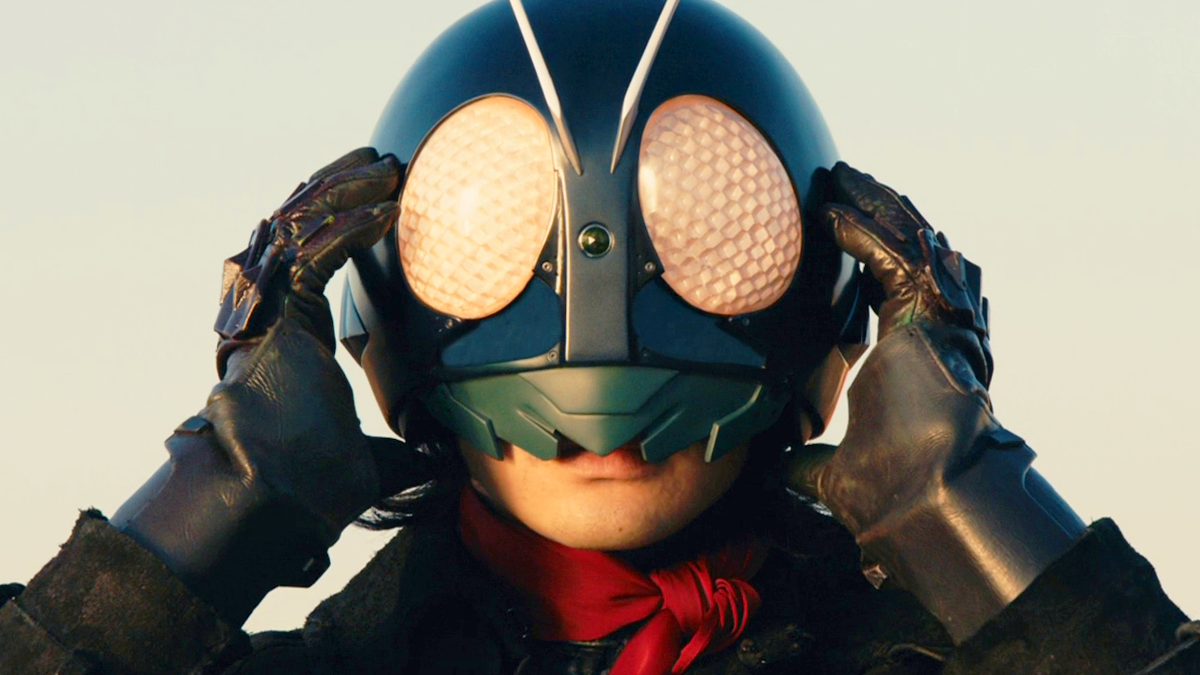
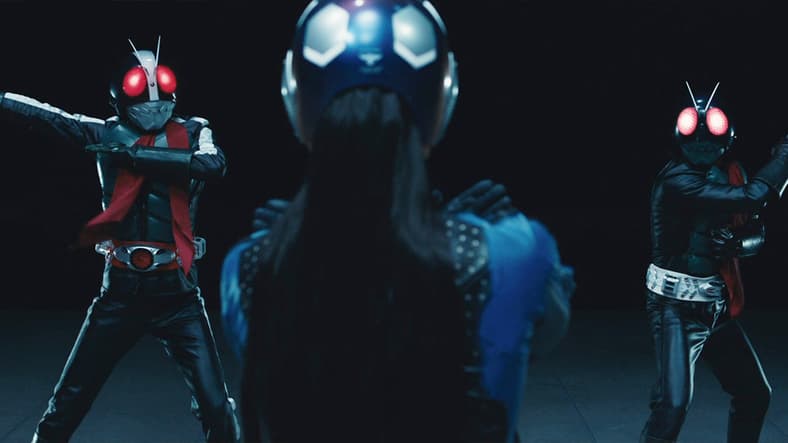
Anno, who recently completed his "Shin" tetralogy (Shin Godzilla, Shin Evangelion, Shin Ultraman, and Shin Kamen Rider), noted that the landscape of his childhood was "overflowing" with programming aimed at younger age groups. Today, however, the "prime time" slots once reserved for tokusatsu (special effects live-action) and educational animation have been largely supplanted by "variety shows"—low-cost, celebrity-driven talk programs that offer little in the way of narrative inspiration or artistic cultivation.
This lack of kid-specific work is not merely a creative preference but a "compound problem," according to Anno. He cited Japan’s declining birthrate as a primary driver, leading production committees to pivot toward the "otaku" demographic—adult fans with higher disposable income—at the expense of the general youth population. The result is a specialized, often insular market that may lack the broad-based "sensibility formation" required to sustain the industry’s cultural relevance in the long term.
Chronology: From Post-War Soft Power to the "Cool Japan" Era
To understand the weight of these concerns, one must look at the trajectory of Japanese media over the last eight decades. Takashi Yamazaki contextualized this by referencing the post-World War II era, noting how American media, such as the sitcom Father Knows Best, transformed the Japanese perception of the United States.

"People watched these dramas and thought, ‘Wow, Americans live such wonderful lives,’" Yamazaki remarked. This realization of "content as a weapon" eventually fueled Japan’s own cultural exports.
The Golden Age (1960s–1980s)
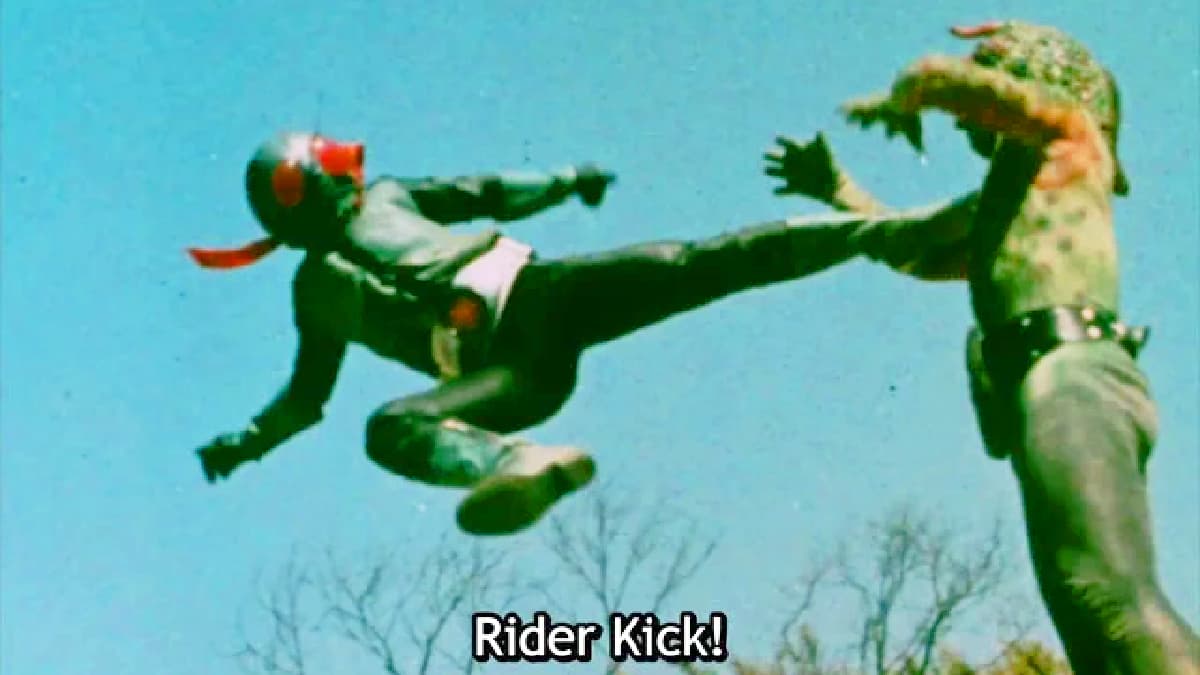
During this period, Japan established its domestic dominance through a robust ecosystem of children’s programming. Figures like Eiji Tsuburaya (the father of Godzilla and Ultraman) and Shotaro Ishinomori (creator of Kamen Rider) utilized television to instill a sense of wonder and morality in the "baby boomer" and "Gen X" generations. This era provided the "sensibility" that Anno credits for his own career.
The Late-Night Pivot (1990s–2010s)
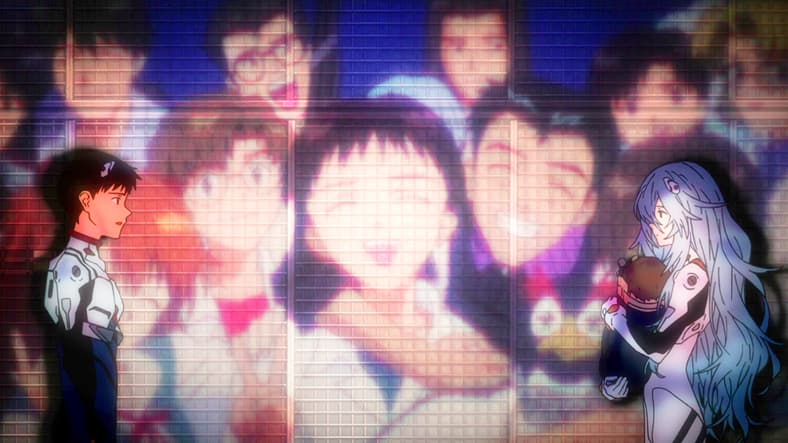
The success of Neon Genesis Evangelion in the mid-90s proved that animation could tackle complex, adult psychological themes. However, this success also signaled a shift. Production shifted toward late-night time slots to target older audiences, and the "apprentice system"—where young animators learned under masters—began to fray under the pressure of grueling schedules and low wages.
The Modern Expansion (2020–Present)
Today, Japan finds itself in the midst of a global surge. The "Cool Japan" initiative, launched with renewed vigor in 2024, aims to triple overseas media sales from $38 billion to approximately $131.4 billion (¥20 trillion JPY) by 2033. Yet, as Yamazaki and Anno argue, this economic ambition is disconnected from the reality of the production floor.
Supporting Data: The "Tent Pole" Economy and Archival Gaps
The financial health of the Japanese film and animation industry is often described by insiders as a "gambling" venture. Yamazaki utilized the industry term "tent pole" to describe the precarious nature of the business.
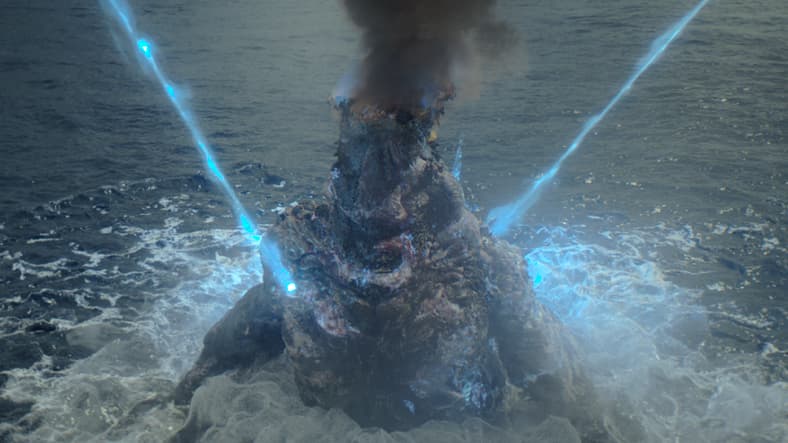
"The film industry itself is always running a deficit," Yamazaki explained. "Occasionally, there’s a major hit that supports it… when things are bad, they’re extremely bad." This reliance on rare, massive hits like Godzilla Minus One or Demon Slayer: Mugen Train means that mid-budget projects and experimental works for children often struggle to find funding.
Furthermore, Anno highlighted a critical lack of "media stewardship." Despite the global value of Japanese IP, there is no centralized, state-led effort to archive the history of tokusatsu, anime, and manga.
- The Problem: Intermediate production outputs (storyboards, original cels, suits, and props) are often discarded or sold into private collections.
- The Impact: Without these archives, the "discoveries" of how things were made—which inspire the next generation of creators—are lost. Anno currently puts personal effort into private archives but insists this is a burden the state must shoulder to ensure the industry’s longevity.
Official Responses and Creative Critiques
The dialogue between Anno and Yamazaki serves as a direct critique of the Japanese government’s current approach to the "Cool Japan" strategy. While the government focuses on "money" and "export value" (noting that media exports have surpassed steel in some metrics), Anno believes the focus should be on the low cost and high efficiency of cultural transmission.
The Tax Burden
One of the most pragmatic points raised by Anno was the issue of taxation. "Taxes really are high," he stated bluntly. He argued that the high tax environment, combined with a lack of credits for "developing human resources," has led to the collapse of the traditional apprentice system. Without tax incentives to train new staff, the "production floor" remains too tight to allocate labor toward mentorship.

The Role of Critics
Anno also lamented the lack of "critics with real insight." He suggested that the industry lacks historians and intellectuals who can comprehensively organize the history of Japanese film and guide the industry’s future direction. Without a clear historical narrative, the industry risks becoming a series of disconnected hits rather than a sustained cultural movement.
Implications: A Culture at Risk of Becoming an "Invasive Species"
The warnings from Anno and Yamazaki carry weight beyond the borders of Japan. If the world’s leading exporter of animation stops producing content for the next generation, the global cultural landscape will shift.
1. The Loss of Domestic Identity
If Japanese children grow up watching variety shows or imported Western content rather than domestic works, the unique "Japanese sensibility" that defines the medium could vanish. Anno’s fear is that the industry is losing its ability to "form" the creators of tomorrow. If children aren’t inspired today, there will be no one to build the "tent poles" of 2050.
2. Economic Fragility
The "Cool Japan" goal of $131 billion is highly ambitious. However, if the industry continues to run on a deficit-and-gamble model, it may become susceptible to foreign acquisition or creative stagnation. The "tight production floor" mentioned by Anno leads to burnout and a "brain drain," where talented artists leave for higher-paying tech or gaming sectors.
3. The Need for State Intervention
Both directors agreed that the government must move beyond seeing media as a mere export commodity. Yamazaki’s comparison of content to a "powerful weapon" for national image suggests that the state should treat animation and tokusatsu as essential national infrastructure, akin to energy or defense. This includes:
- Tax Credits: Incentivizing the training of new animators and directors.
- National Archives: Creating a "Smithsonian-style" repository for pop culture history.
- Educational Funding: Encouraging the creation of science and narrative programs for youth.
Conclusion: A Call for Cultural Stewardship
The conversation between Hideaki Anno and Takashi Yamazaki reveals a paradox: Japanese media has never been more popular, yet its creators have never been more concerned. By focusing on the "money" rather than the "makers" and the "audience," Japan risks hollowed-out success.
As Anno concluded, the goal should be to ensure that when a new generation sees the works of the past, they are filled with "emotion and inspiration" and think, "I want to make something like this too." Without a concerted effort to support children’s media and industry infrastructure, that cycle of inspiration—the very engine of the Japanese miracle—may finally grind to a halt.










No comments yet. Be the first to join the conversation!