

The most recent PlayStation State of Play event served as a definitive manifesto for the future of the PS5. While the showcase was punctuated by bold, innovative titles like God of War: Laufey, The Lost Wild, and the enigmatic Kemuri: Hunt the Unseen, the real discourse among the gaming community centered on a massive wave of revivals. By bridging the gap between legacy classics and modern technical standards, Sony is positioning its platform as the ultimate home for both groundbreaking risk-taking and the respectful, high-fidelity reimagining of gaming history.
The event confirmed that the industry’s appetite for "remakes" has evolved. We are no longer looking at simple high-definition upscales or texture packs; we are seeing ground-up reconstructions that challenge our memories of the original experiences. With the unveiling of Tomb Raider: The Legacy of Atlantis and Rayman Legends Retold, the conversation has shifted from "Is this necessary?" to "How far can the original vision be pushed?"
A Chronology of Reimagining: From Pixels to Photorealism
The history of the remake has been fraught with inconsistency, but the titles showcased this week suggest a maturation in developer philosophy.
Tomb Raider: The Legacy of Atlantis
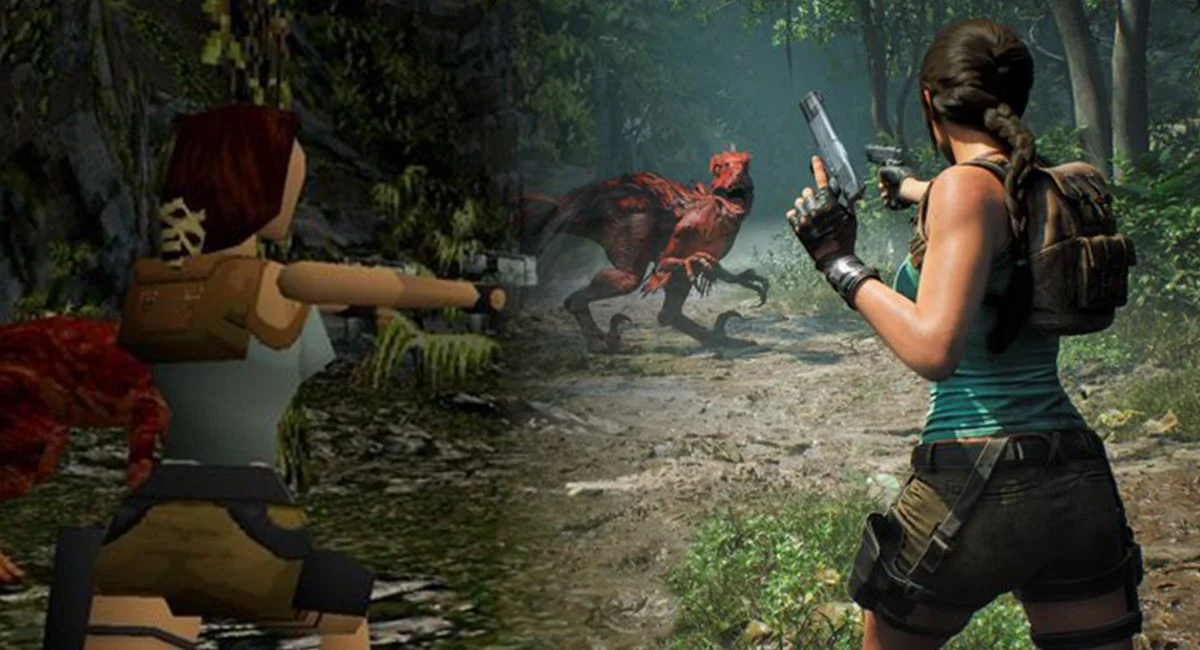
Tomb Raider (1996) is perhaps the most significant "archaeological dig" in gaming history. The leap from the original, grid-based PlayStation title to the Unreal Engine 5-powered Legacy of Atlantis is nothing short of seismic. In the original, players navigated static, isolated rooms defined by strict technical limitations. The Legacy of Atlantis, however, expands these into semi-open, interconnected environments that breathe life into the lore of Atlantis.
Rayman Legends Retold
Conversely, Rayman Legends Retold takes a different approach. Choosing to remake the 2013 title—a game many consider a modern classic already—was a strategic decision by Ubisoft. According to Loïc Gounon, Ubisoft’s brand manager, the goal was not to "fix" a broken game, but to utilize the most complete entry in the franchise as a vessel to reintroduce the character to a new generation. By transitioning from 2D to a "2.5D" aesthetic using the Snowdrop engine, the developers are treating the game more like a digital, playable stage production than a standard platformer.
Technical Evolution and Aesthetic Shifts
The discourse surrounding these titles is largely driven by side-by-side visual comparisons, which have become a staple of modern gaming culture. These comparisons highlight the diverging philosophies of the two projects.
The Unreal Engine 5 Realism
For Tomb Raider, the community reaction has been a mix of awe and skepticism. When placed against the 1996 original, the contrast is absolute. Modern lighting, volumetric fog, and complex character modeling transform Lara Croft from a low-poly icon into a realistic, tangible adventurer. This transition allows for the "cinematic scope" that fans have always imagined existed in their childhood memories, even if the hardware of the 90s couldn’t support it.
However, some vocal critics have expressed concern that the game feels too similar to the modern "Survivor" trilogy (Rise of the Tomb Raider and Shadow of the Tomb Raider). Critics pointed to animations—such as the ambush mechanics, swinging, and grappling—as evidence that the developers are leaning heavily on established modern tropes rather than inventing new gameplay identities.
The Snowdrop 2.5D Approach
Rayman Legends Retold is being praised for a different kind of technical achievement. While the original relied on a flat, painterly 2D style, the remake’s use of the Snowdrop engine creates a "physical" quality to the platforming. Ambient lighting and layered depth have turned a simple side-scroller into a world that feels as though it has weight and texture. It is a transition from a comic-book aesthetic to a "playable theater," where every element in the background feels active and alive.
Official Responses and Developer Intent
The developers involved have been clear about their motivations. Ubisoft, in particular, has leaned into the transparency of its development process. Loïc Gounon’s interview with Polygon highlighted that the choice of Rayman Legends was dictated by its mechanical perfection. By adding narrative depth, voice-acted cinematics, and new realms, Ubisoft is effectively attempting to "re-launch" the brand.
For the Tomb Raider project, the messaging from the creative leads suggests a "faithful expansion" rather than a complete overhaul of the core game loop. They argue that the core pillars of the original—dinosaur encounters, Atlantean mystery, and exploration—are timeless. The goal, they claim, is to bridge the gap between the rigid, grid-based puzzle design of 1996 and the fluidity of modern third-person action games.
The Broader Implications for the Industry
The success of these remakes poses significant questions about the future of the video game industry.
The Risk of Aesthetic Homogenization
There is a growing fear among some purists that as developers move toward engines like Unreal Engine 5, all games will eventually look the same. The "photorealistic" standard can sometimes strip away the stylistic identity of the original work. While Tomb Raider seems to be leaning into this photorealism, the success of Rayman Legends Retold suggests that there is still a massive market for stylized, vibrant, and expressive art directions.
Nostalgia as a Business Model
The financial success of remakes is no longer a gamble; it is a proven pillar of the gaming economy. By utilizing existing intellectual property (IP), companies reduce the risk associated with new, unproven concepts. However, the State of Play also highlighted that these remakes are serving as a "gateway" for players. By introducing a new generation to Rayman or Tomb Raider through high-end production, these companies are building a pipeline for future original sequels and spin-offs.
The "Playable Theater" Trend
The shift toward more cinematic, narrative-heavy platforming in Rayman Legends Retold suggests a trend toward "prestige gaming." Developers are increasingly focused on the player’s experience of the environment as much as the mechanics themselves. This represents a move away from the "pure" gameplay of the early 2000s toward a more immersive, atmosphere-first design philosophy.
Conclusion: A Delicate Balance
The PlayStation State of Play showcased a industry that is currently obsessed with its own history. The challenge for developers moving forward will be to ensure that these remakes do not become a crutch. While Tomb Raider: The Legacy of Atlantis and Rayman Legends Retold have generated immense excitement, the long-term health of the medium relies on the "aesthetic risk-taking" mentioned at the beginning of the showcase.
We are currently in a golden age of digital preservation, where classic games are being resurrected with the fidelity of modern blockbusters. Yet, the true test of this era will be whether these remakes can stand alongside original, innovative titles as equals, rather than simply as ghosts of the past. As we look toward the release of Rayman Legends Retold on October 1st and the highly anticipated Legacy of Atlantis in February 2027, the gaming public will finally be able to judge whether these modern upgrades have truly honored their predecessors, or if the original magic was something that simply cannot be replicated by a modern engine.
For now, the message is clear: PlayStation is committed to its legacy, and it is willing to spend the time, budget, and creative energy to make sure the past looks just as good as the future.









No comments yet. Be the first to join the conversation!