Pevita Pearce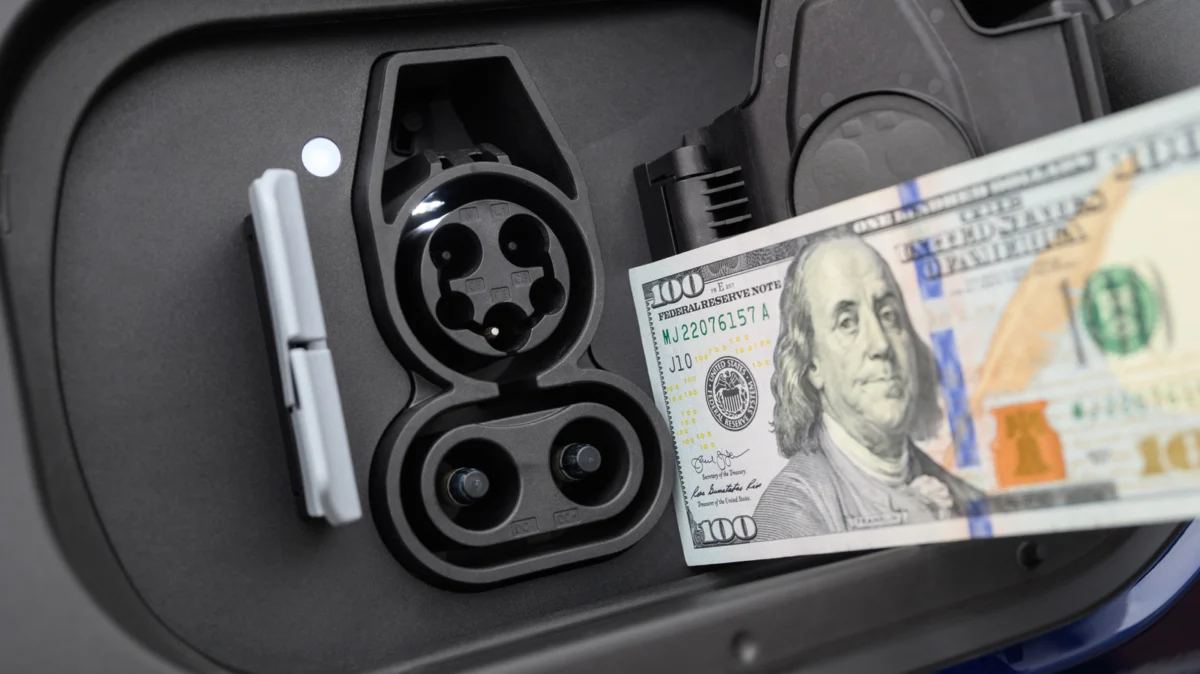
For the modern consumer, the transition to electric mobility is often presented as a forward-thinking investment in both the environment and future technology. However, there is a stark financial reality lurking beneath the surface of the showroom floor. While proponents of electric vehicles (EVs) focus on the long-term savings on fuel and maintenance, the immediate economic impact of purchasing a new EV—specifically the rapid loss of asset value—is often overlooked.
Industry data indicates that the average electric vehicle loses approximately 59% of its value within the first five years of ownership. When compared to the 40–50% depreciation curve typical of internal combustion engine (ICE) vehicles, the financial disparity becomes difficult to ignore. For those investing in luxury EVs with six-figure price tags, this depreciation isn’t just a rounding error; it is a profound capital loss, often exceeding $50,000 in half a decade.
The Mechanics of Depreciation: Why EVs Sink Faster
The steep depreciation of EVs is driven by a unique confluence of factors that do not affect the traditional automotive market in the same way.
Rapid Technological Obsolescence
Unlike mechanical combustion engines, which have seen incremental improvements over decades, EV technology is currently in a state of hyper-evolution. Advancements in battery chemistry, energy density, and charging architecture mean that an EV produced today will likely be rendered obsolete by a new model released only three years later. This rapid pace of innovation discourages long-term ownership and makes older used models less attractive to prospective buyers who prioritize range and charging speed.
Price Volatility and Market Saturation
The EV market has been subject to aggressive price-cutting strategies from major manufacturers, most notably Tesla. When a manufacturer slashes the MSRP of a new vehicle to stimulate demand, it effectively pulls the rug out from under the resale value of every existing unit on the road. Consequently, the secondary market becomes flooded with vehicles that must compete with cheaper, brand-new alternatives, driving prices down across the board.
The Luxury Segment Trap
High-end EVs suffer from a "luxury premium" that evaporates the moment a car is titled. Much like premium mechanical watches or luxury electronics, the depreciation is front-loaded. When a car starts at $100,000, the market for its resale is significantly smaller, and buyers in that tier often prefer the newest features and warranties, further depressing the value of older, high-end electric models.
Chronology of Market Shifts: The Rise and Fall of Values
The current depreciation crisis is not an overnight phenomenon; it is the result of years of market maturation.
- 2018–2020: The "Early Adopter" phase saw relatively stable used prices as demand for premium EVs like the Model S and Jaguar I-Pace outstripped supply.
- 2021–2022: Supply chain constraints and post-pandemic inflation caused a temporary bubble, where used EVs held value—or even appreciated—due to scarcity.
- 2023–2024: As supply chain issues resolved and interest rates climbed, the market corrected sharply. Manufacturers increased production, leading to the current surplus.
- 2025–2026: The current era is defined by widespread model discontinuations and a consumer pivot toward hybrid vehicles, which has further accelerated the decline in pure-EV resale values.
Case Studies: The "60% Club"
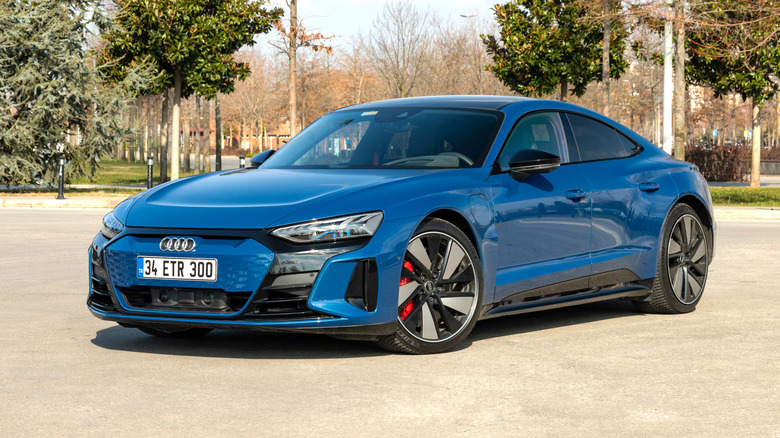
1. The Audi e-tron GT
The e-tron GT is a technical marvel, sharing much of its DNA with the Porsche Taycan. However, the market has not been kind to it. With five-year depreciation rates estimated between 60% and 72.3%, this vehicle represents a significant financial loss for initial owners. The decline is attributed to the shrinking market for low-slung, four-door performance coupes and aggressive inventory discounting by Audi dealers, which has eroded the "prestige" value of used units.
2. The Jaguar I-Pace
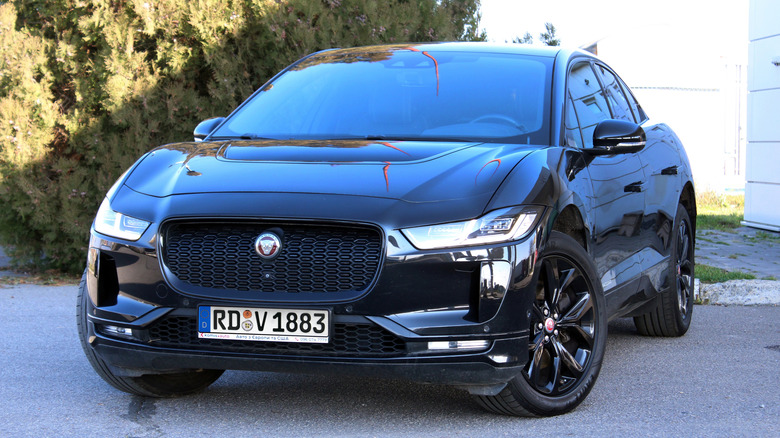
Jaguar’s first foray into the mass-market EV space has struggled to maintain its footing. Currently, the I-Pace faces a catastrophic 70–72% depreciation rate. Beyond the standard issues of luxury-segment devaluation, the I-Pace has been hampered by a lack of software updates, concerns regarding Jaguar’s future production viability, and a polarizing brand rebrand that has left current owners questioning the long-term support for their vehicles.
3. The Tesla Model S
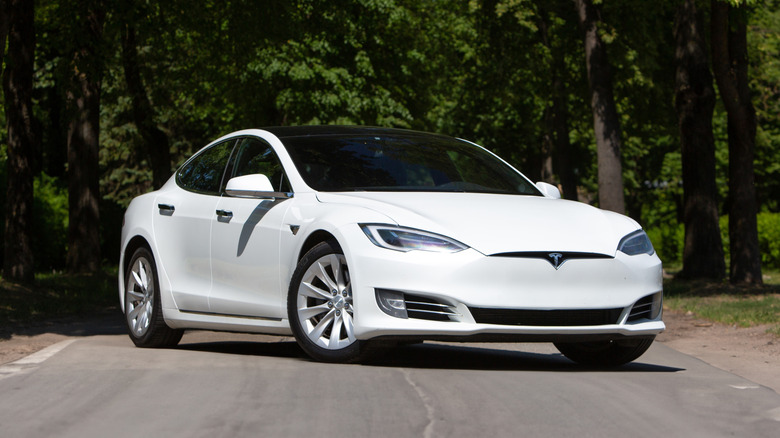
As the pioneer of the luxury electric sedan, the Model S has faced a long, slow decline in value. Data suggests a 62–69% depreciation rate over five years. As Tesla moves toward discontinuing the model in 2026, the secondary market is bracing for further volatility. The reliance on centralized, software-locked features and the company’s history of aggressive price adjustments have made it difficult for the Model S to retain the kind of classic-car value associated with traditional luxury sedans.
4. The Nissan LEAF
The LEAF serves as a cautionary tale that luxury is not the only factor in depreciation. Despite its affordability, the LEAF loses 62–66% of its value in five years. Its primary weakness has historically been its reliance on older battery cooling technology and limited range compared to modern competitors. While the 2026 update promises improvements, the "baggage" of the previous generation’s reputation continues to weigh down resale prices.
5. The Tesla Model X
The Model X occupies the luxury SUV space, which typically holds value better than sedans, yet it still falls into the 60% depreciation category (61–67%). The vehicle’s complexity—specifically the Falcon Wing doors and high-tech interior—can become a liability as the vehicle ages and the warranty expires. With the model facing discontinuation, potential buyers are increasingly wary of the long-term costs of maintaining such a complex, aging platform.
Official Responses and Industry Perspectives
Manufacturers have largely remained quiet regarding the specific issue of depreciation, focusing instead on "Total Cost of Ownership" (TCO) metrics that highlight energy savings and lower maintenance costs. However, analysts at firms like CarEdge and iSeeCars point out that these TCO calculations rarely account for the massive "capital leakage" caused by depreciation.
Automakers argue that the rapid innovation in battery technology is a "feature, not a bug." By introducing better range and faster charging, they claim to be accelerating the global transition to sustainable energy. From a consumer protection standpoint, however, industry advocates are beginning to call for more transparency regarding expected residual values, suggesting that leasing might be a more financially prudent path than financing a new, high-depreciation EV.
Implications for the Future Buyer
What does this mean for the average driver? The implications are three-fold:
- The "Used EV" Sweet Spot: If you are a buyer, the 60% depreciation of these vehicles is a gift. A five-year-old luxury EV can now be purchased for a fraction of its original MSRP, allowing consumers to access high-performance, premium technology at a price point comparable to a base-model economy car.
- The Shift Toward Leasing: For those who must have the newest technology, purchasing is becoming increasingly irrational. Leasing shifts the burden of depreciation from the owner to the manufacturer, effectively shielding the consumer from the "60% cliff."
- The Need for Long-Term Commitment: If you intend to buy a new EV, do so with the understanding that you are likely keeping it for 8–10 years. By extending the ownership cycle, the initial shock of depreciation is amortized over a longer period, making the financial impact more manageable.
Conclusion
The rapid depreciation of electric vehicles is not a sign of failure for the technology itself, but rather a symptom of an industry moving at breakneck speed. As the market matures and battery technology stabilizes, we may see depreciation curves flatten. Until that time, the "60% Club" serves as a vital reminder to prospective buyers: when it comes to cutting-edge technology, the financial cost of being first is often the highest price of all.


 Jia Lissa
 Asro
Asro