

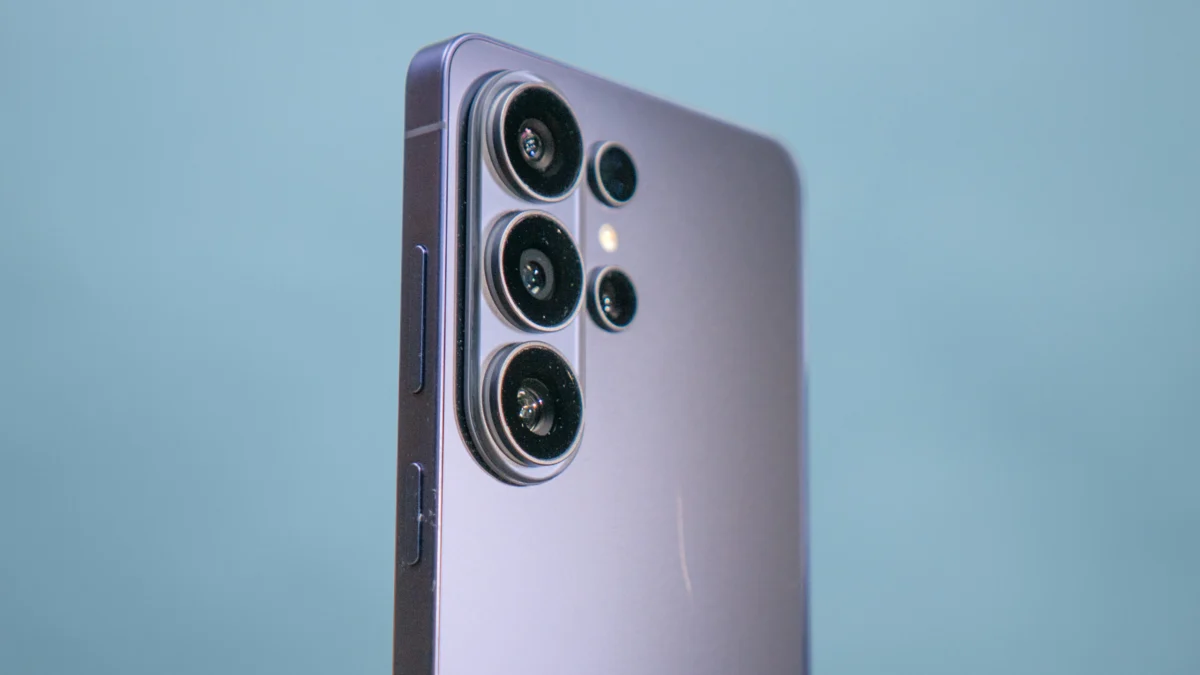
For the past several years, Samsung’s Ultra flagship line has been a masterclass in refinement rather than revolution. While the Galaxy S26 Ultra maintained the company’s position at the top of the Android hierarchy, it largely iterated upon the foundation laid by its predecessor, the S25 Ultra. Aside from the highly discussed "privacy display," the hardware changes were incremental. However, emerging leaks suggest that the upcoming Galaxy S27 Ultra is poised to break this cycle of minor adjustments, potentially introducing the most significant hardware overhauls the series has seen in nearly a decade.
From a massive shift in battery capacity to the experimental integration of advanced thermal management systems, the S27 Ultra is shaping up to be a hardware-heavy powerhouse.
The Core Specs: Breaking the Seven-Year Stagnation
The most startling revelation from recent leaks concerns the device’s power source. For seven consecutive generations—starting with the Galaxy S20 Ultra—Samsung has remained steadfast with a 5,000mAh battery. While optimizations in software and chipset efficiency have managed to squeeze more longevity out of this capacity, the industry has long viewed this as a conservative plateau, especially as competitors embrace silicon-carbon battery technology to push capacities well beyond the 6,000mAh mark.
According to prominent tech analyst and tipster Debayan Roy, the Galaxy S27 Ultra is expected to shatter this ceiling, boasting a battery capacity greater than 6,000mAh. This move signals a shift in Samsung’s strategy, likely acknowledging that in an era of high-refresh-rate displays and intensive AI processing, pure physical capacity is no longer optional.
Beyond the battery, the S27 Ultra is slated for a significant internal architecture upgrade. The proposed inclusion of the 2nm Snapdragon 8 Elite Gen 6 chipset, paired with next-generation LPDDR6 RAM, suggests a leap in both efficiency and raw computational power. Furthermore, reports indicate that Samsung will finally integrate Qi2 charging—a feature long-anticipated by the enthusiast community—bringing magnetic alignment and standardized wireless efficiency to the Samsung ecosystem.
A Chronology of the Ultra Evolution
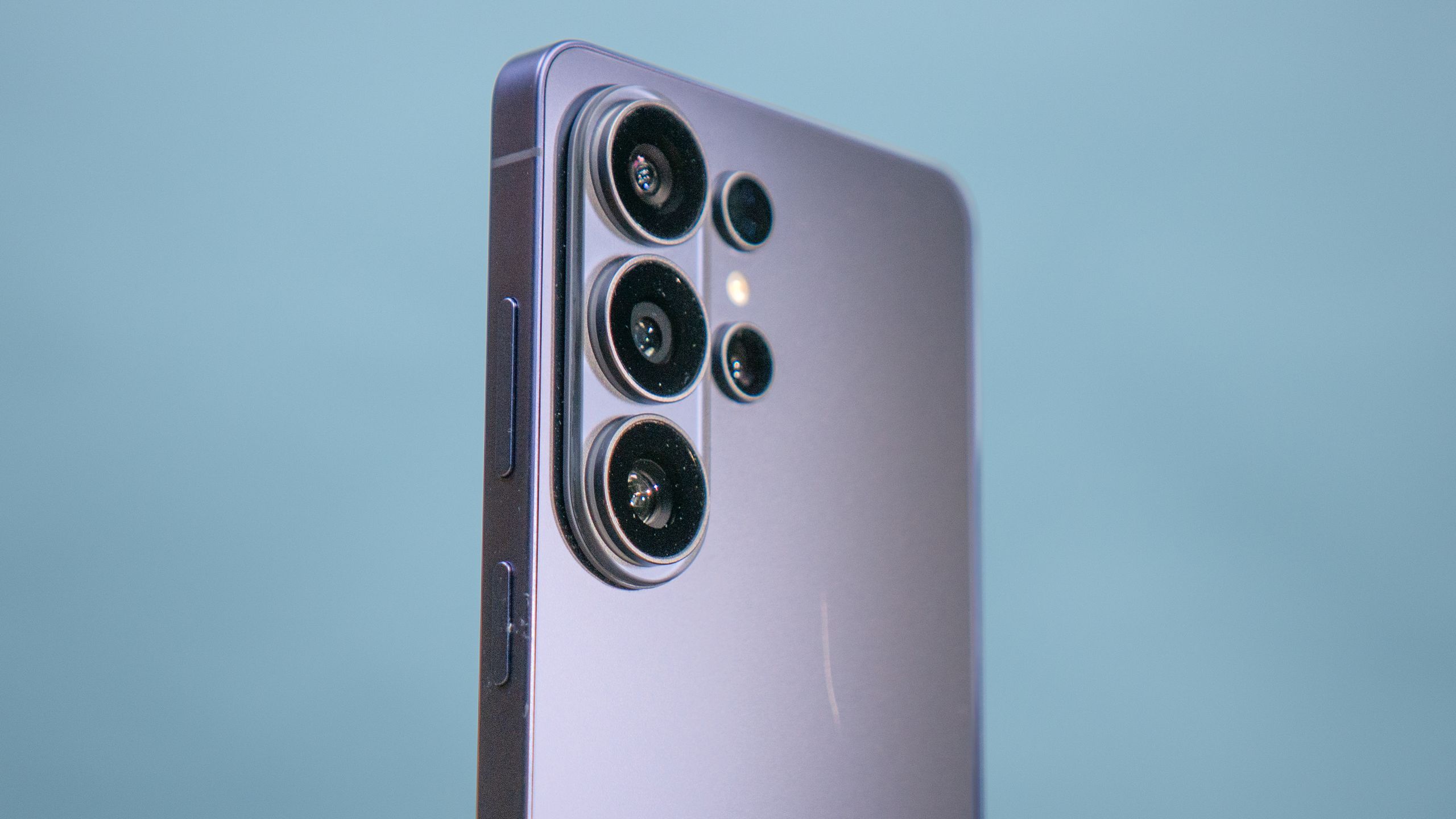
To understand the magnitude of these potential changes, one must look at the trajectory of the Ultra series.
- 2020 (Galaxy S20 Ultra): The dawn of the "Ultra" moniker, introducing the 5,000mAh battery standard that would define the line for years to come.
- 2021–2024: A period of refined camera optics, display brightness improvements, and the transition from the Note-style integration to the current flat-edge design language.
- 2025 (Galaxy S26 Ultra): A year defined by subtle polish and the introduction of privacy-focused display technology, emphasizing user data security over radical hardware shifts.
- 2026 (The S27 Ultra Outlook): The current leaks suggest a departure from the "comfort zone," with major focus areas on thermal management, battery density, and next-gen silicon.
This history illustrates a pattern of long-term stability followed by strategic pivots. If the leaks hold true, 2026 will be remembered as the year Samsung stopped relying solely on software optimization and returned to the "arms race" of raw physical hardware capabilities.
The Cooling Revolution: Liquid Systems Return
Perhaps the most technical and intriguing development is the report from Korean publication Sisa Journal e, which highlights Samsung’s exploration of advanced liquid cooling for the S27 series.
Modern smartphones, particularly those capable of on-device AI tasks, generate significant thermal energy. If not managed properly, this heat leads to thermal throttling, where the processor slows down to protect the hardware. While vapor chambers have become standard, they are passive solutions. Liquid cooling, by contrast, uses a circulating fluid—reminiscent of desktop PC cooling—to dissipate heat far more effectively.
Samsung is not entirely new to this space; the company famously utilized a "water-carbon cooling system" in the Galaxy Note 9 back in 2018. However, the modern implementation is expected to be more sophisticated. As Park Min, a senior researcher at Samsung, noted during a recent industry seminar, the company is focusing on a structure that connects directly to the Application Processor (AP) to maximize performance.
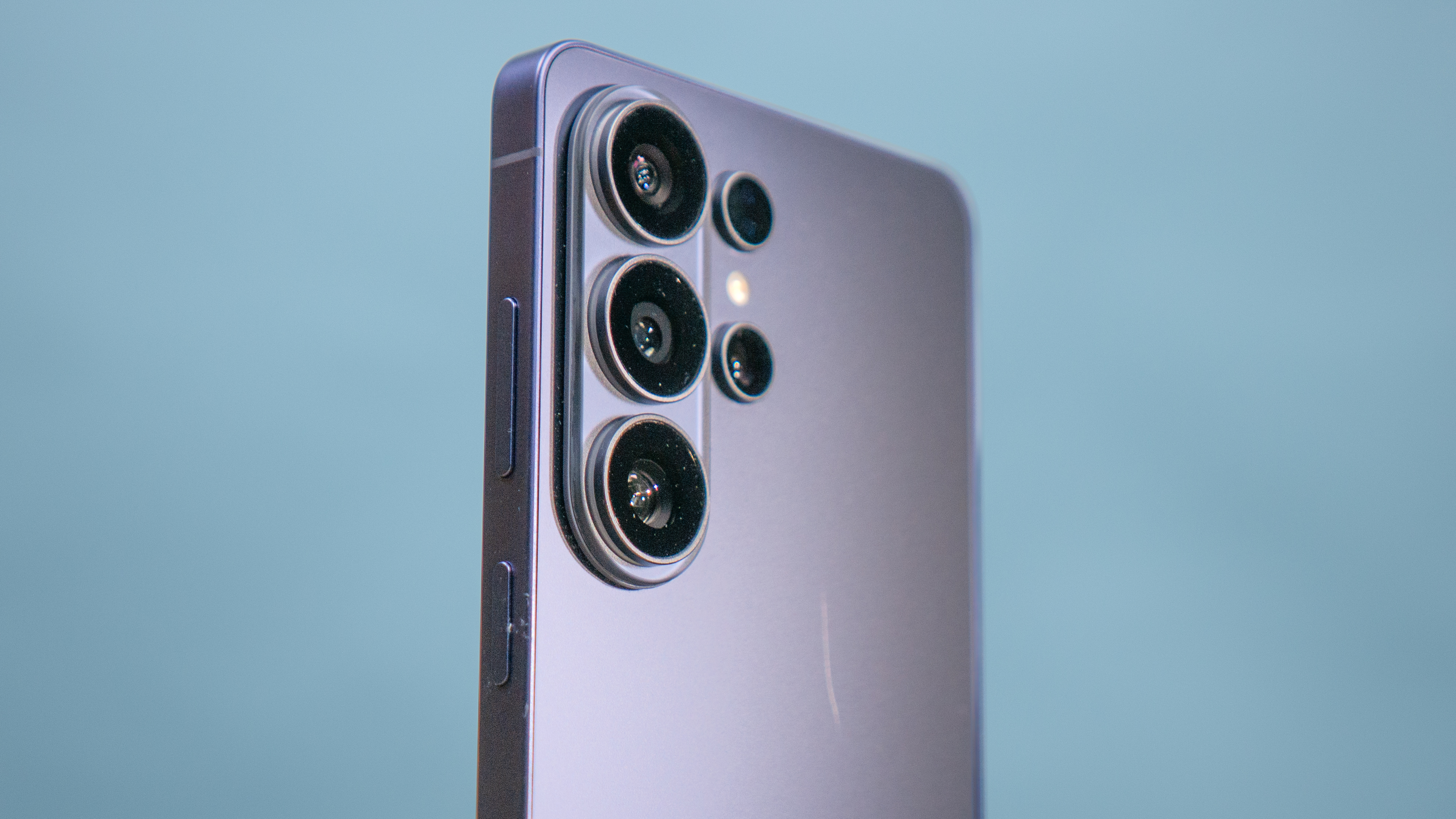
The primary challenge remains the form factor. As Min noted, "Since liquid cooling using cooling fans has noise issues and many other limitations, we are focusing on liquid cooling [that is silent] and are considering a direction to maximize performance through a structure that connects directly to the AP." While air cooling (fans) is technically faster, the trade-off in weight and thickness makes it less palatable for a consumer flagship. The industry is currently watching Apple’s patent filings in this area as well, indicating that the next phase of the smartphone wars will be fought on the battlefield of thermal efficiency.
Comparative Analysis: S27 Ultra vs. S26 Ultra
| Feature | Galaxy S27 Ultra (Projected) | Galaxy S26 Ultra (Current) |
|---|---|---|
| Display | 6.9" LTPO OLED (M16) | 6.9" LTPO OLED (M14) |
| Processor | Snapdragon 8 Elite Gen 6 (2nm) | Snapdragon 8 Elite Gen 5 (3nm) |
| RAM | LPDDR6 | LPDDR5X |
| Battery | >6,000mAh | 5,000mAh |
| Charging | Qi2 Wireless | 60W Wired / 25W Wireless |
| Camera | 200MP + 50MP + 50MP (5x Optical) | 200MP + 50MP + 50MP (3x Optical) |
The transition from a 3nm process to a 2nm process for the chipset, combined with LPDDR6 memory, represents a massive upgrade in power-per-watt efficiency. Even if the processor performs at the same level as the S26 Ultra, the S27 Ultra will be inherently "cooler" and more efficient, further extending the gains provided by the increased battery capacity.
Implications for the Industry
The shift toward larger batteries and active or semi-active cooling systems has profound implications for the mobile industry. First, it acknowledges that "thinness" is no longer the primary driver of consumer demand. Users are increasingly prioritizing battery life and sustained performance—especially for gaming and AI applications—over a phone that is merely a few millimeters thinner.
Second, the move toward liquid cooling suggests that Samsung is preparing for a future where smartphones act as mobile workstations. If a phone can maintain peak performance without thermal throttling, it can support more complex local AI models, advanced video editing, and console-quality gaming.
Finally, the inclusion of Qi2 charging is a massive win for the ecosystem. By adopting a standard that allows for magnetic accessories, Samsung is aligning itself with a universal charging language that benefits the user, moving away from proprietary limitations that have historically frustrated power users.
Conclusion: A Turning Point for Samsung
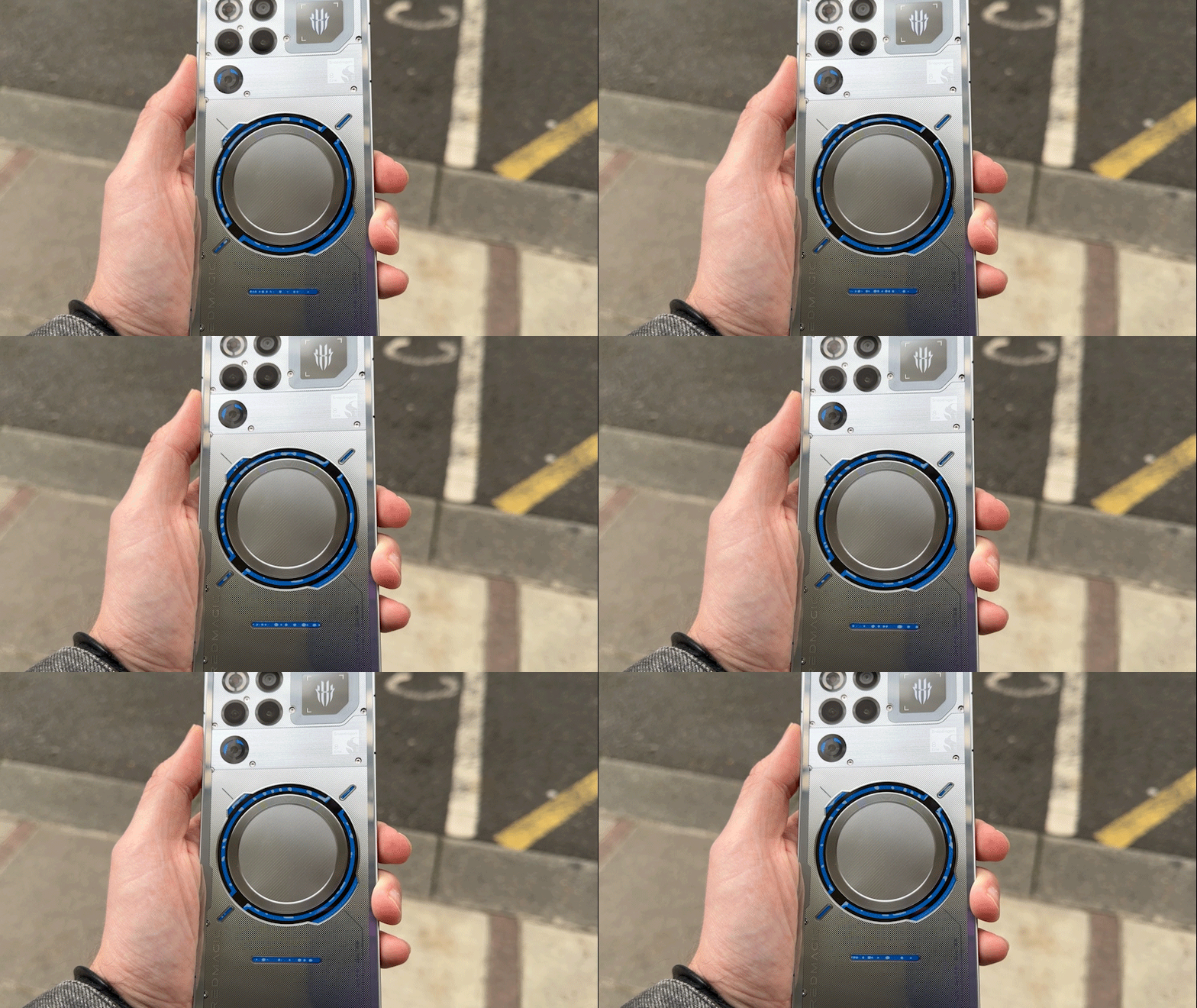
While we must wait for official confirmation, the indicators point toward a device that does not merely iterate, but evolves. The Galaxy S27 Ultra represents a maturation of the flagship concept. By addressing the long-standing "battery barrier" and re-engineering how the device handles heat, Samsung is positioning itself to stay ahead of an increasingly competitive market.
For the average consumer, these changes mean a phone that stays charged longer, runs faster under pressure, and offers a more robust hardware experience. For the tech industry, it marks a pivot away from the era of diminishing returns and back toward the pursuit of genuine, hardware-level excellence. If these leaks are accurate, the S27 Ultra will be the device that finally answers the call for a "true" upgrade.












No comments yet. Be the first to join the conversation!