Iffa Jayyana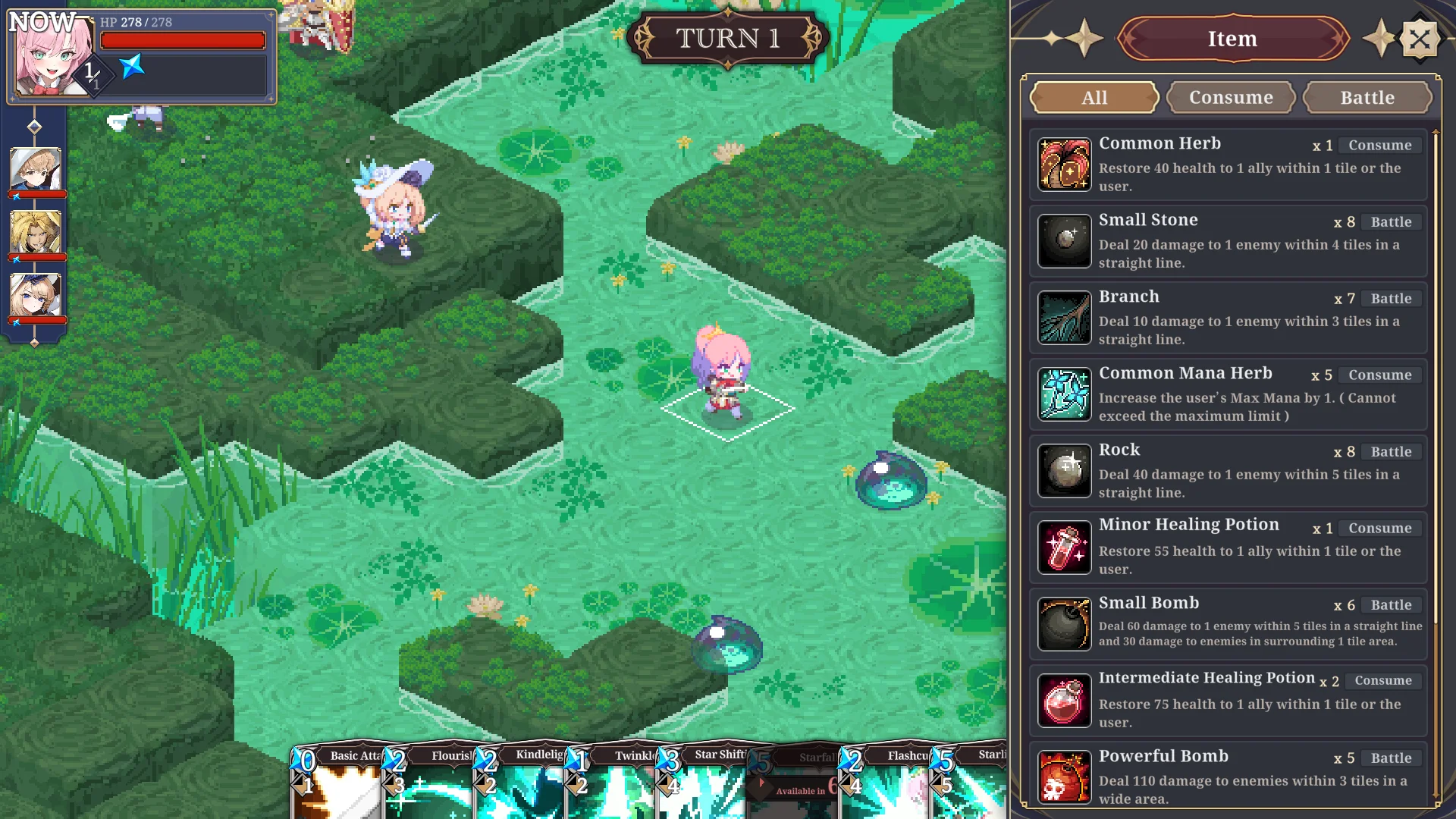
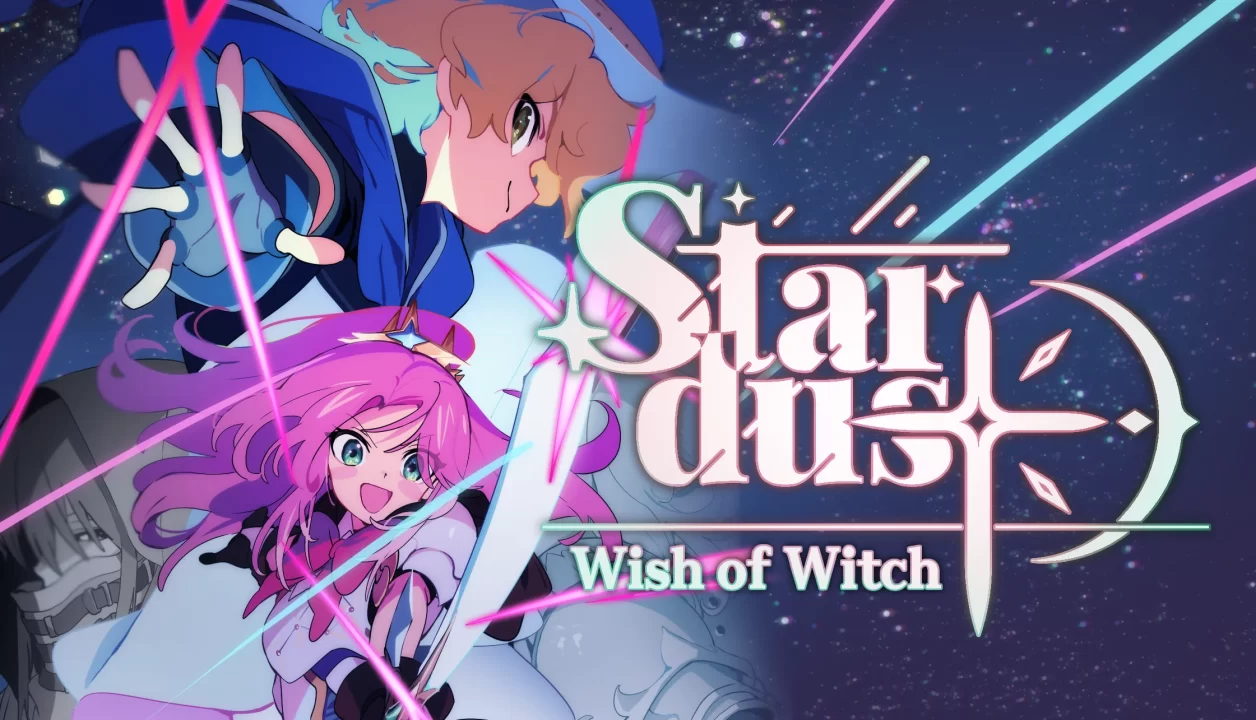
The landscape of indie strategy RPGs is set to welcome a compelling new contender this month. Kniv Studio has officially pulled back the curtain on Stardust: Wish of Witch, a genre-blending title that marries the tactical depth of grid-based positioning with the unpredictable nature of card-driven mechanics. Slated for a May 28th release on PC via Steam, the game promises a charming, "chibi-esque" pixel art aesthetic that belies a complex system of combat and narrative discovery. As the release date approaches, anticipation is building for what could be one of the most mechanically distinct RPGs of the early summer season.
The Core Concept: Tactical Depth Meets Card Synergy
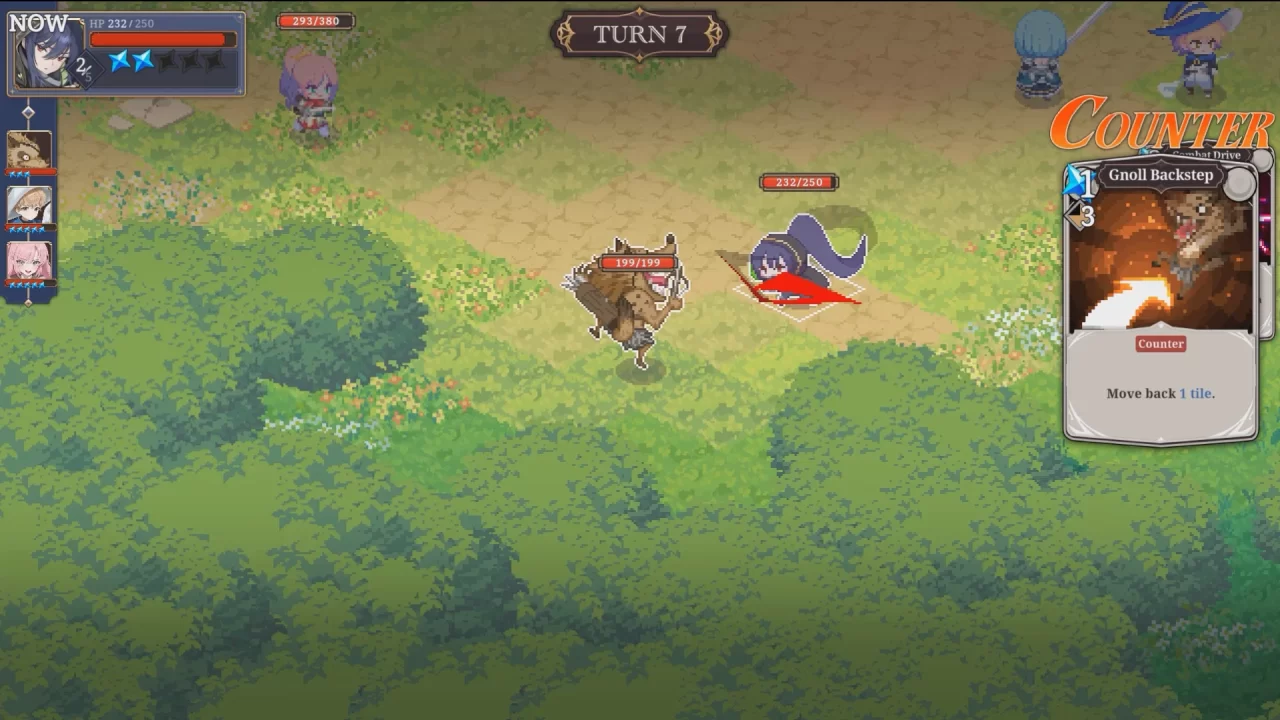
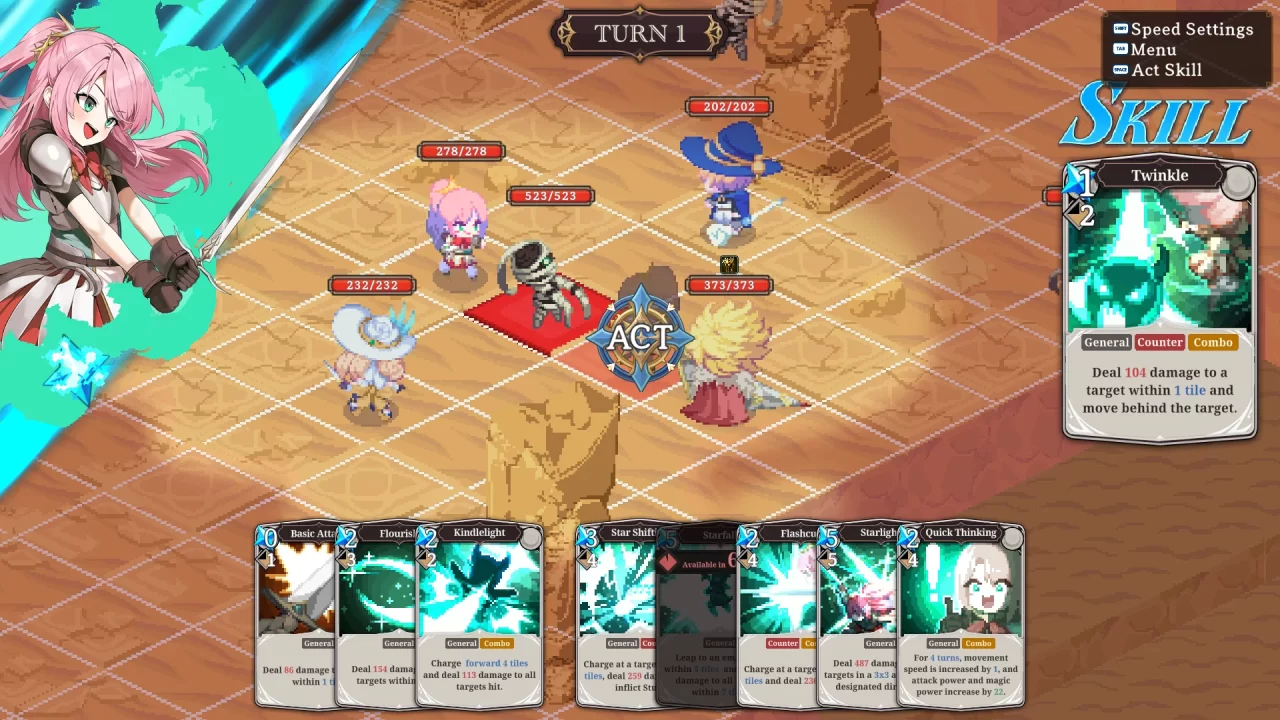
At its heart, Stardust: Wish of Witch is an isometric strategy RPG that demands both foresight and adaptability. Unlike traditional turn-based titles where character abilities are locked behind cooldowns or mana bars, Stardust incorporates a deck-building element that introduces a layer of variance to every encounter.
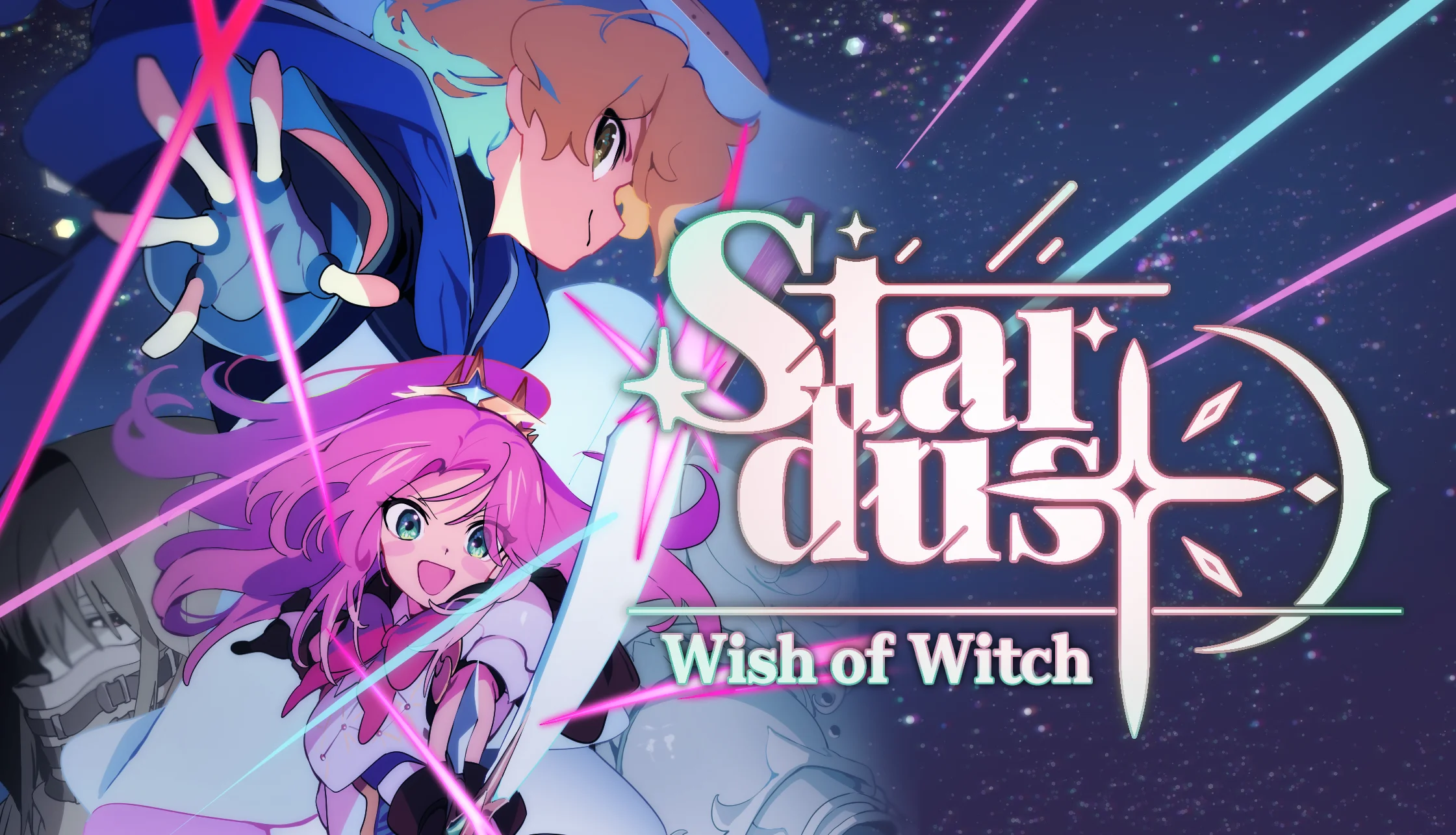
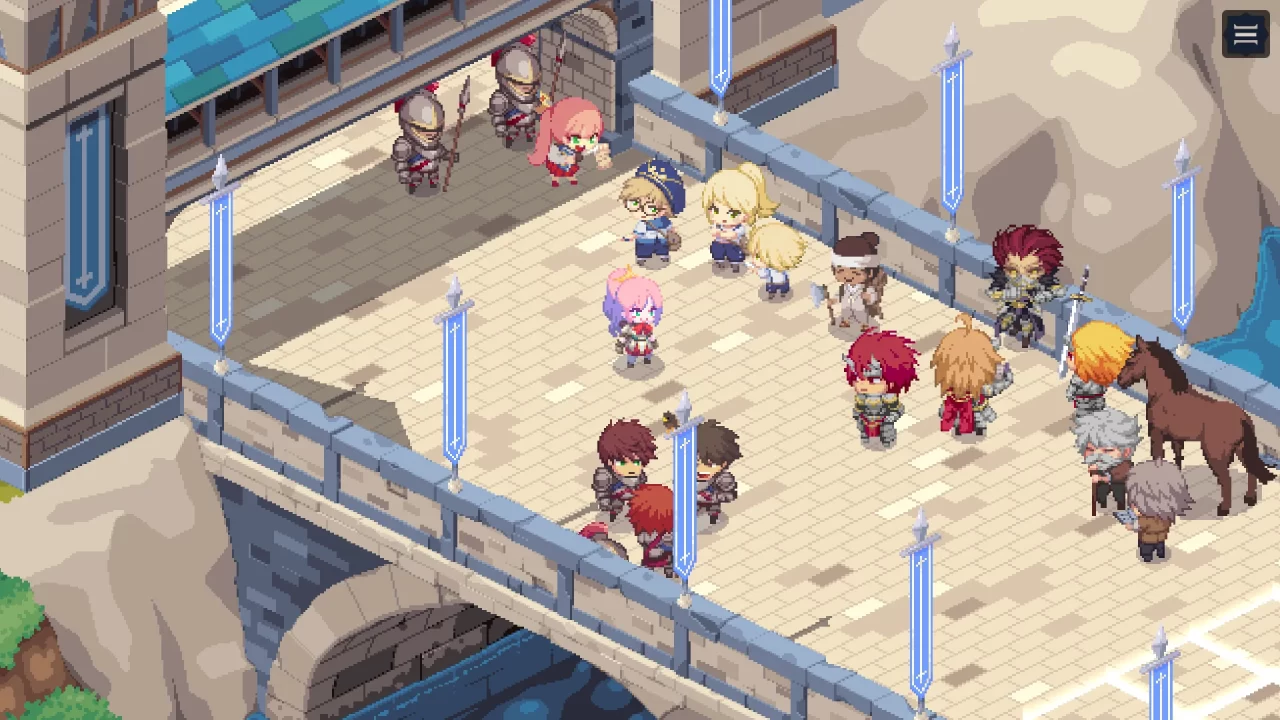
The gameplay loop centers on two primary protagonists, Star and Yu. As childhood friends thrust into a celestial mystery, their journey is far more than a simple quest for power; it is an exploration of the stars and the hidden truths orbiting their world. As they traverse this landscape, they will recruit a diverse cast of allies, each bringing their own tactical utility to the table.

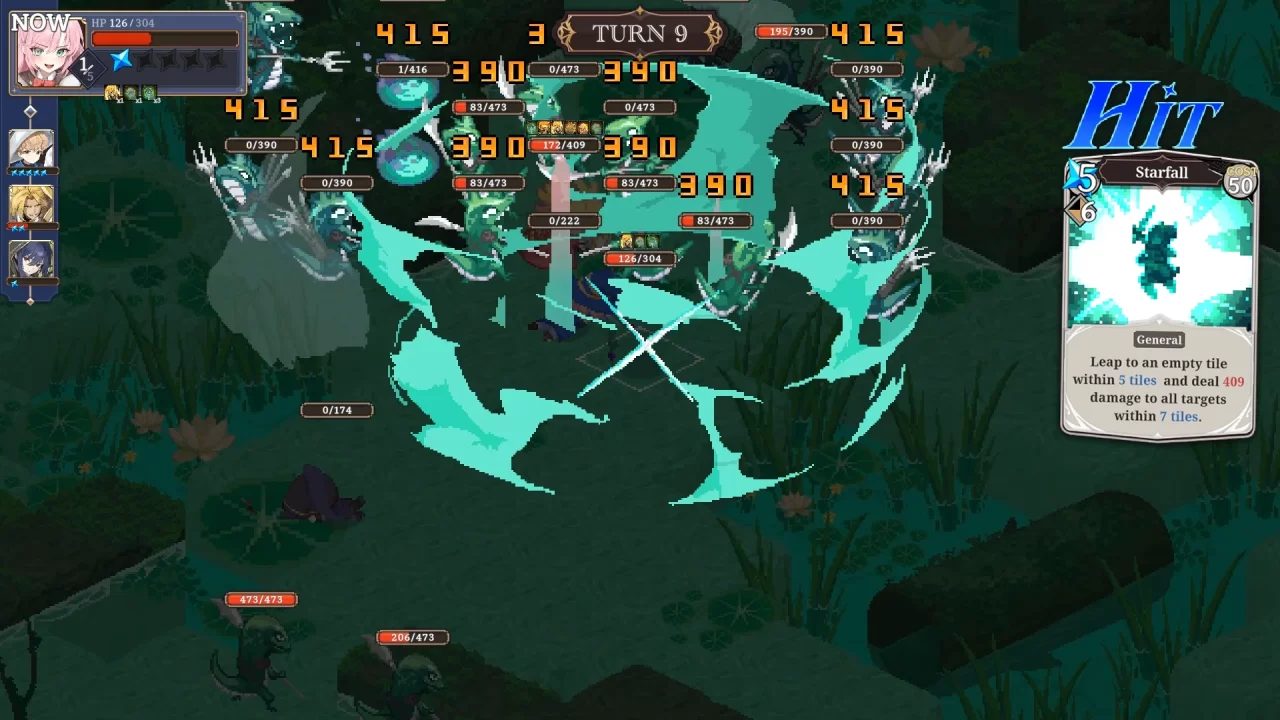
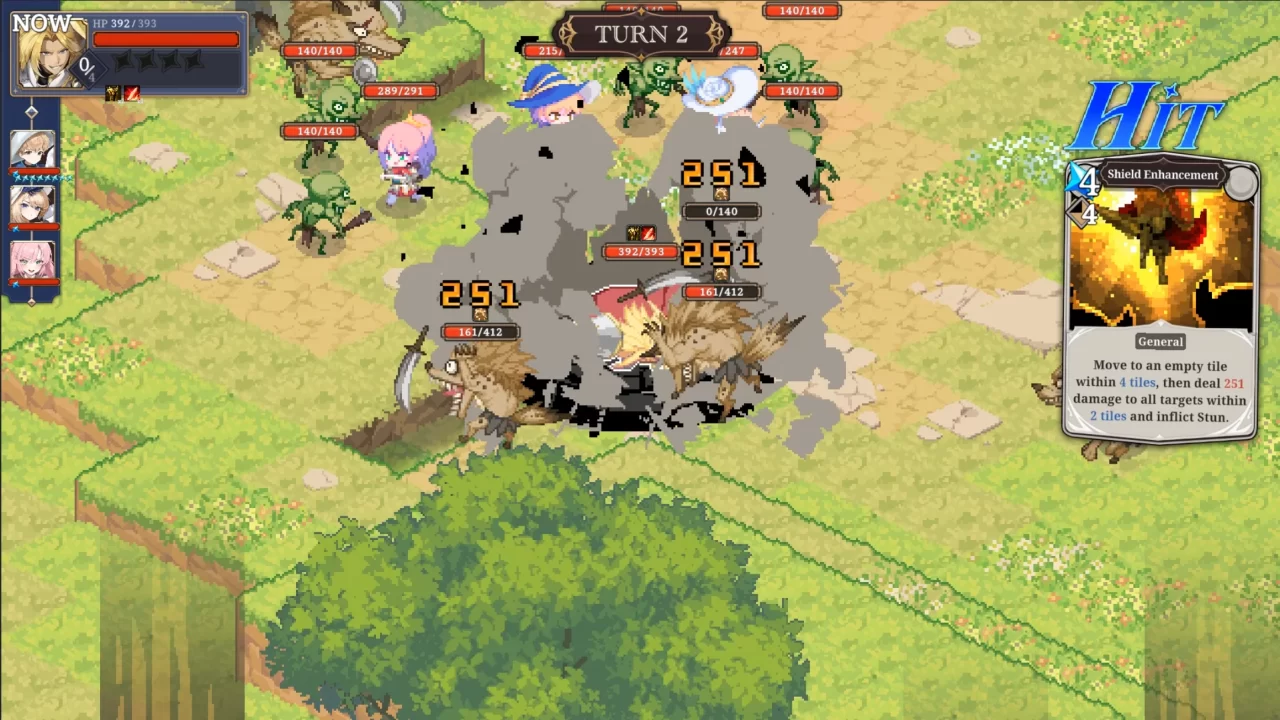
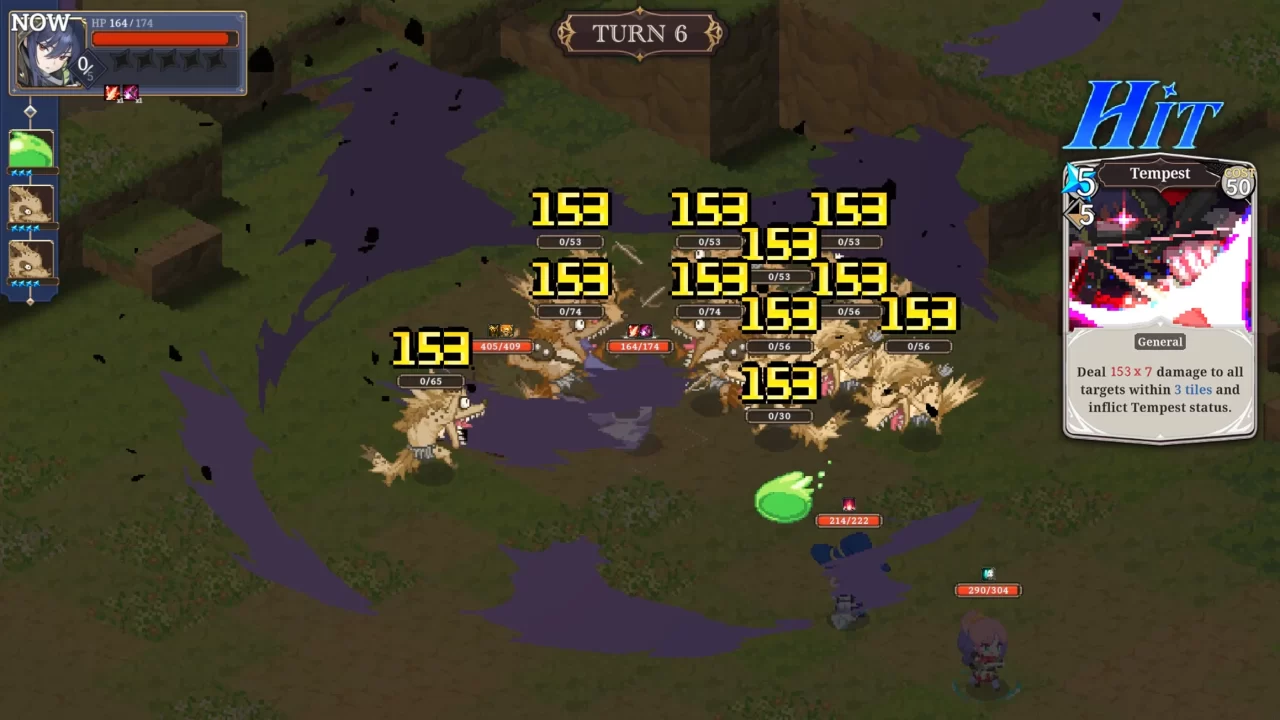
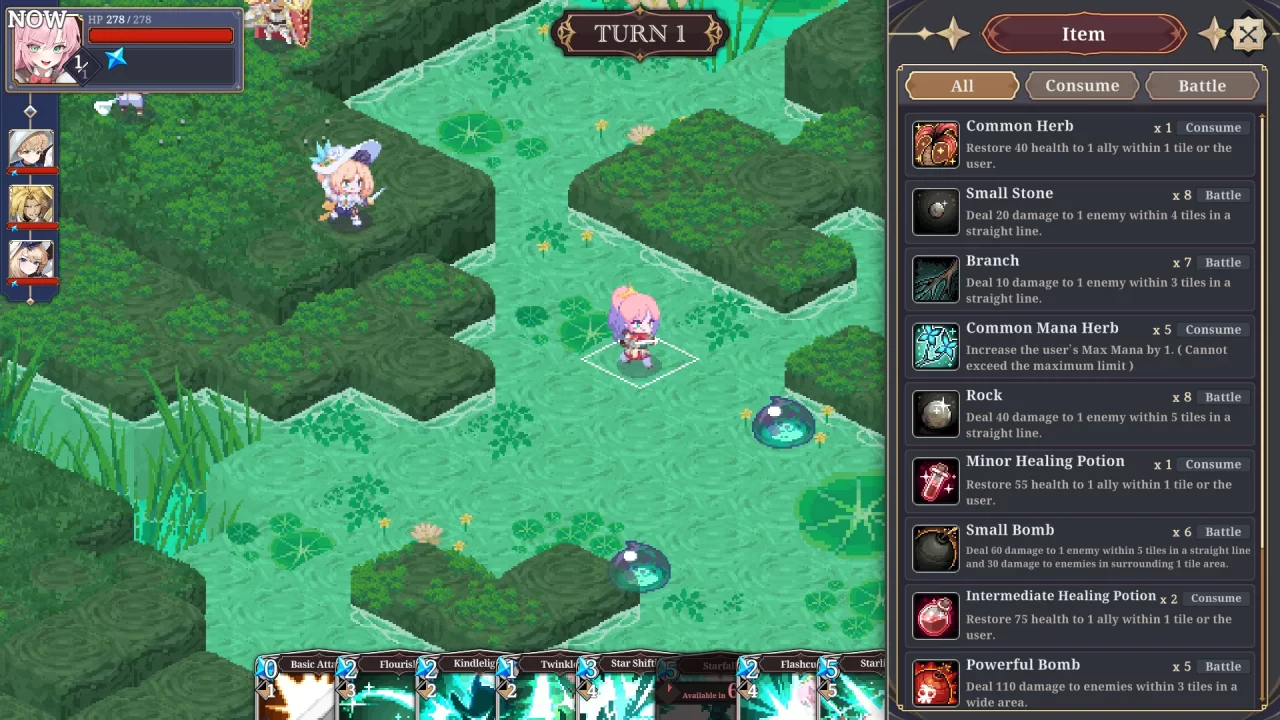
The combat system is the standout feature of the title. Players navigate a grid-based environment, where the positioning of units is paramount to victory. However, executing attacks or defensive maneuvers requires the use of skill cards. By managing a deck of roughly twenty unique cards—ranging from basic strikes to powerful ultimate abilities—players must decide when to hold for a better hand and when to commit resources to break an enemy line. This fusion of spatial awareness and resource management is designed to provide a "high-skill ceiling" experience that feels rewarding for veterans of the strategy genre while remaining accessible to newcomers.
Chronology of Development and Public Reception
The journey to the launch of Stardust: Wish of Witch has been characterized by a measured, transparent development process. Kniv Studio, a relatively fresh name in the indie space, has spent the last year refining the balance between the game’s card mechanics and its turn-based movement.
- Early Conceptualization: The studio initially focused on the core "Star and Yu" narrative, establishing the thematic foundation of a world influenced by celestial phenomena.
- Prototype Phase: During the early months of development, the team experimented with various grid layouts, eventually settling on the isometric view to best highlight the character sprites.
- The Steam Demo Release: In a bid to engage the community, Kniv Studio released a playable demo on Steam, allowing players to dive into approximately 60 to 90 minutes of content. This period was crucial, as it provided the developers with real-time feedback regarding the pacing of combat and the UI’s clarity.
- The Final Polish: Following the demo, the studio focused heavily on localizing the experience, including the integration of full Korean voice acting, which adds a significant layer of immersion to the character-driven narrative.
- Official Launch Announcement: With the release of the final launch trailer in late May 2026, the studio solidified the May 28th release date, signaling that the project has moved into its final state of distribution.
Supporting Data: What to Expect in the Full Release
For those looking to understand the scope of the game, the recent demo provides a clear snapshot of the systems involved. While the full game will undoubtedly expand upon these, the current technical framework includes:
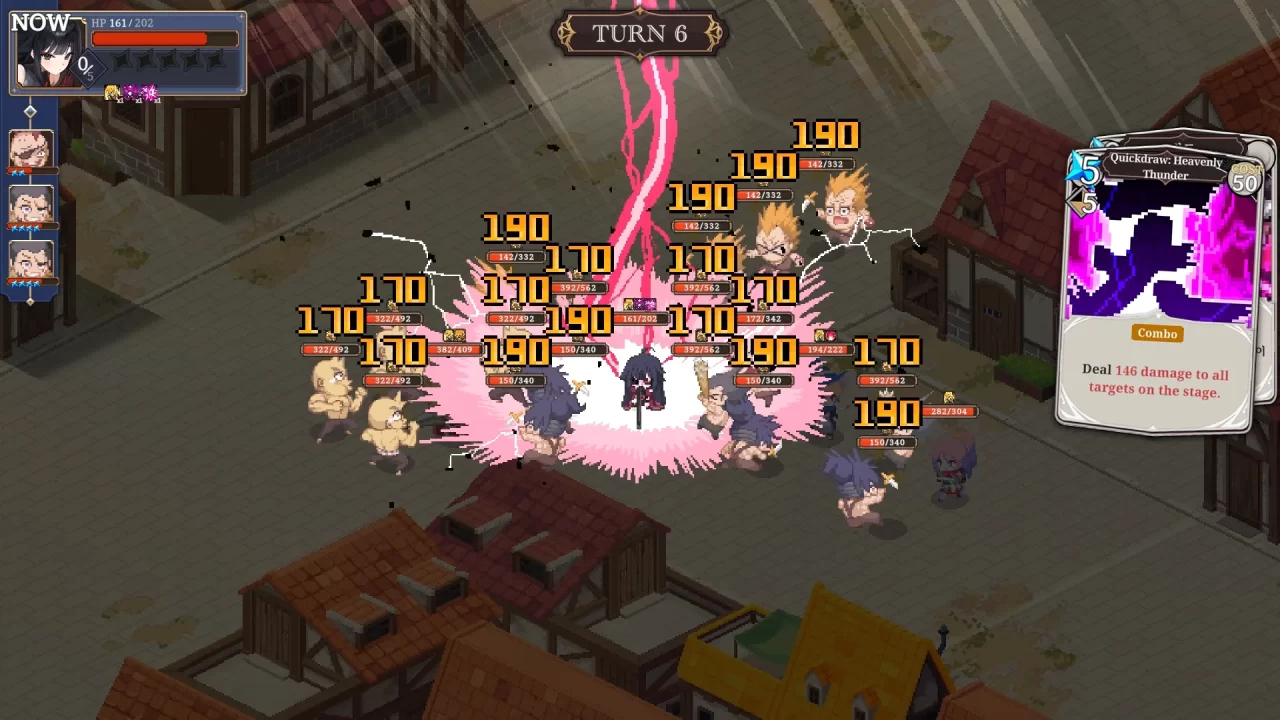
- PVE Battle Intensity: The demo features seven distinct Player-versus-Environment battles, showcasing a variety of enemy archetypes that force the player to change their deck composition.
- Deck and Ability Depth: With twenty initial skill cards and multiple ultimate abilities accessible in the demo, there is a clear focus on player agency. The ability to customize one’s deck prior to battle suggests that replayability will be a core pillar of the game’s design.
- Localization and Accessibility: The decision to include high-quality, full-language voice acting for the Korean market demonstrates Kniv Studio’s commitment to quality-of-life features, a rare and welcome inclusion for a studio of this size.
- System Requirements: The game is optimized for a wide range of PC hardware, owing to its clean, stylized pixel aesthetic. This ensures that the barrier to entry remains low for those who prefer to play on handheld PCs or older hardware.
Official Stance and Studio Philosophy
Kniv Studio has been vocal about their desire to create a game that honors the classic strategy RPGs of the 90s while modernizing the "feel" of the combat. In recent communications, the developers emphasized that they view Stardust: Wish of Witch as a "passion project" that focuses on the harmony between the player’s deck and their tactical decisions.
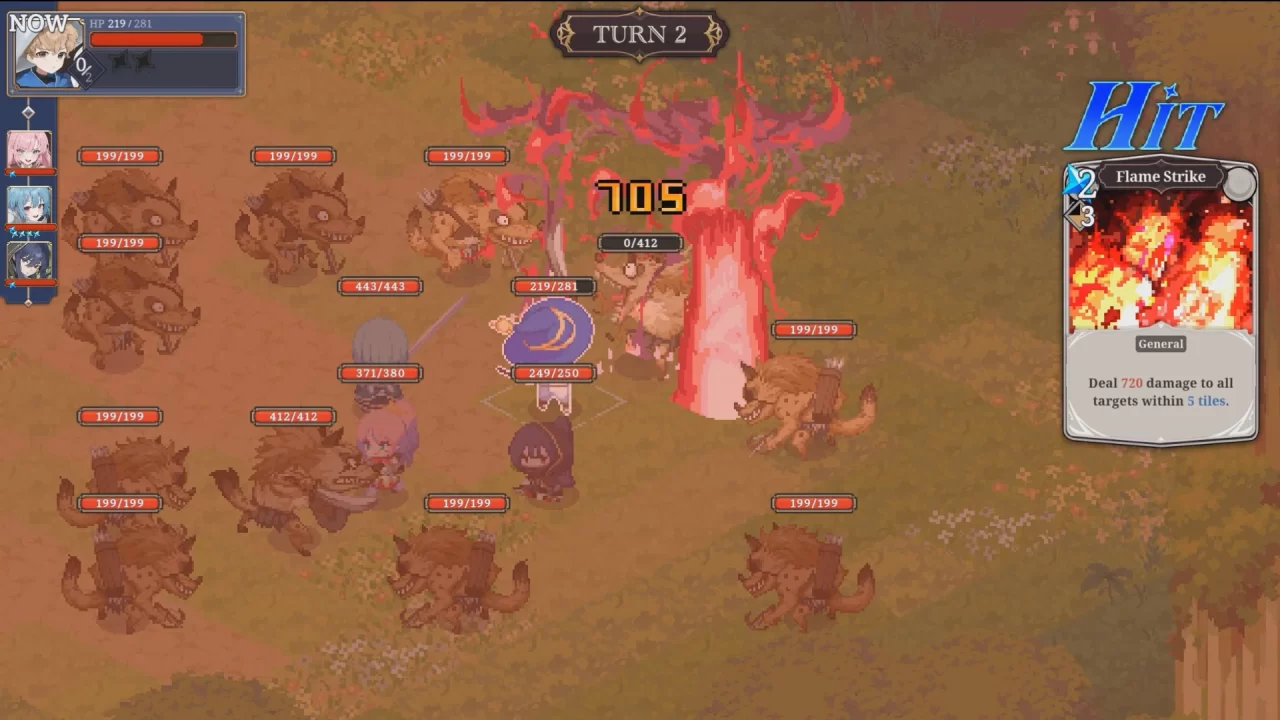
The studio has noted that their design philosophy was to avoid the "repetitive grind" often associated with strategy RPGs. By introducing card-based mechanics, they ensure that no two battles feel exactly the same. Even if a player faces the same enemy layout twice, the shuffle of their deck ensures that they must approach the solution from a different angle.
Furthermore, the narrative team has hinted that the "Wish of Witch" subtitle plays a pivotal role in the game’s endgame. Without spoiling the mystery, the relationship between the stars, the protagonists, and the titular witch serves as the emotional anchor for the mechanical complexity.
Implications for the Indie RPG Market
The release of Stardust: Wish of Witch comes at a time when the genre is experiencing a renaissance. The success of titles like Balatro (in the card-game space) and the continued popularity of traditional tactical games suggest that players are increasingly looking for "genre-mashups" that defy traditional categorization.
If Stardust succeeds, it could set a precedent for future indie developers to feel more confident in combining disparate systems. The industry is currently saturated with "pure" strategy games or "pure" card battlers; by bridging the gap, Kniv Studio is effectively creating a new niche.
Moreover, the successful use of a 90-minute demo to build community trust is a strategy that more mid-tier indie studios should adopt. It creates a "proof of concept" that mitigates the risks of day-one purchases for consumers. If the reception to the full launch mirrors the positive sentiment gathered from the demo, we may see a significant increase in the visibility of Kniv Studio as a developer to watch in the coming years.
Conclusion: A Must-Watch Title
As the clock ticks toward the May 28th launch, the industry remains fixated on whether the full release can maintain the tight balance showcased in the demo. The combination of an endearing, heartfelt narrative and a deep, card-based tactical engine is an ambitious goal for any studio, let alone an indie team.
However, based on the footage released and the positive reception of the demo, Stardust: Wish of Witch appears to be more than just another RPG hitting Steam—it is a carefully crafted experience that understands the strengths of its influences while carving out its own identity. For those who enjoy the marriage of deep strategy and engaging card play, this is a title that should be at the top of the wishlist.
Stay tuned to our ongoing coverage of Stardust: Wish of Witch and other upcoming RPGs as we continue to track the latest in the world of independent development. The stars are aligning for a very busy week in the RPG landscape, and this is undoubtedly one of the brightest spots on the horizon.


 Asro
Asro
 Muslim