

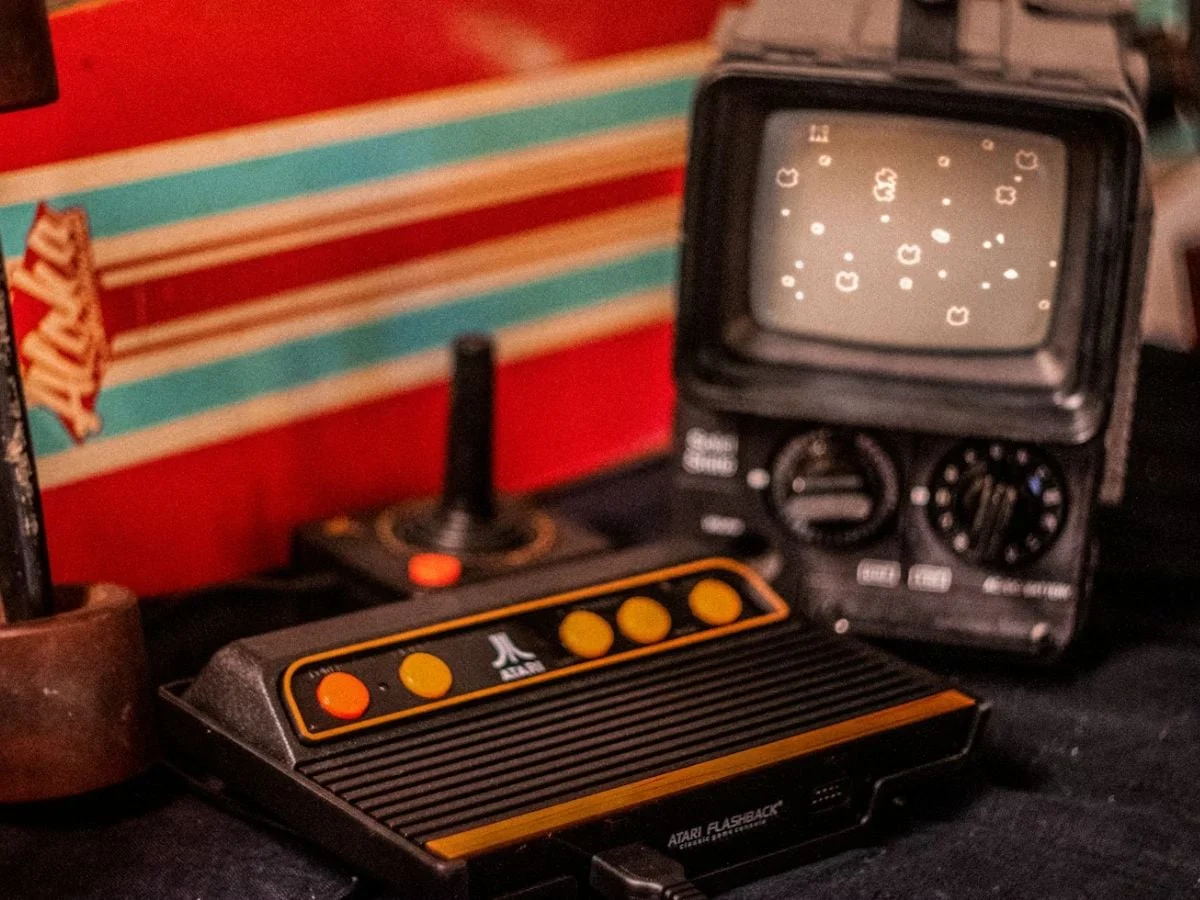
In a monumental move for retro-gaming enthusiasts and the preservation of digital history, Atari has announced the acquisition of the rights to the first five titles of the legendary Wizardry role-playing game (RPG) franchise. This strategic acquisition, finalized in early May 2026, grants Atari exclusive control over the foundational pillars of one of the most influential series in the history of computer gaming. By bringing these titles under its corporate umbrella, Atari aims to revitalize a series that served as the blueprint for the modern dungeon crawler.
The Foundation of a Genre: What Atari Acquired
The acquisition includes the complete intellectual property (IP) rights for the first five entries in the Wizardry saga, a series that famously bridged the gap between tabletop Dungeons & Dragons and the burgeoning world of home computing. The specific titles included in the deal are:
- Wizardry: Proving Grounds of the Mad Overlord (1981)
- Wizardry II: The Knight of Diamonds (1982)
- Wizardry III: Legacy of Llylgamyn (1983)
- Wizardry IV: The Return of Werdna (1987)
- Wizardry V: Heart of the Maelstrom (1988)
While the broader Wizardry brand has seen various iterations and spin-offs—some of which are currently held by Japanese publisher Drecom—Atari’s move focuses on the "classic era" of the franchise. By securing these specific titles, Atari is positioning itself to curate a definitive collection that honors the games that defined the 1980s PC gaming experience.
A Chronology of Innovation
To understand the significance of this acquisition, one must look at the impact Wizardry had on the early gaming landscape. Developed by Robert Woodhead and Andrew Greenberg, the series debuted on the Apple II. At a time when home computers were largely considered productivity tools or experimental hobbies, Wizardry demonstrated that they could serve as portals to complex, immersive worlds.
1981: The Proving Grounds
The launch of Proving Grounds of the Mad Overlord was a watershed moment. It was one of the first RPGs to feature full-color, first-person dungeon crawling with a party-based system. It introduced players to the concept of managing complex statistics, equipment, and character classes in a digital environment. Its punishing difficulty, characterized by the infamous "deadly traps" and the permanent loss of characters, established the "hardcore" RPG sub-genre.
1982–1988: The Evolution of Complexity
The sequels that followed were equally pioneering. The Knight of Diamonds introduced the concept of data importing, allowing players to carry their leveled-up characters from the first game into the second—a radical innovation in 1982. Legacy of Llylgamyn experimented with branching paths and ethical alignments, while The Return of Werdna famously inverted the narrative, tasking players with playing as the villain. By the time Heart of the Maelstrom arrived in 1988, the series had established a loyal cult following that spanned from the United States to Japan, where the series became a cultural phenomenon in its own right.
Supporting Data: Why ‘Wizardry’ Still Matters
The impact of Wizardry cannot be overstated. Alongside contemporary titles like Ultima and Might and Magic, Wizardry provided the fundamental "rules of engagement" for role-playing games. Many of the mechanics that modern gamers take for granted—such as grid-based movement, complex magic systems, and party formation strategies—can be traced back to the code written by Woodhead and Greenberg in the early 1980s.
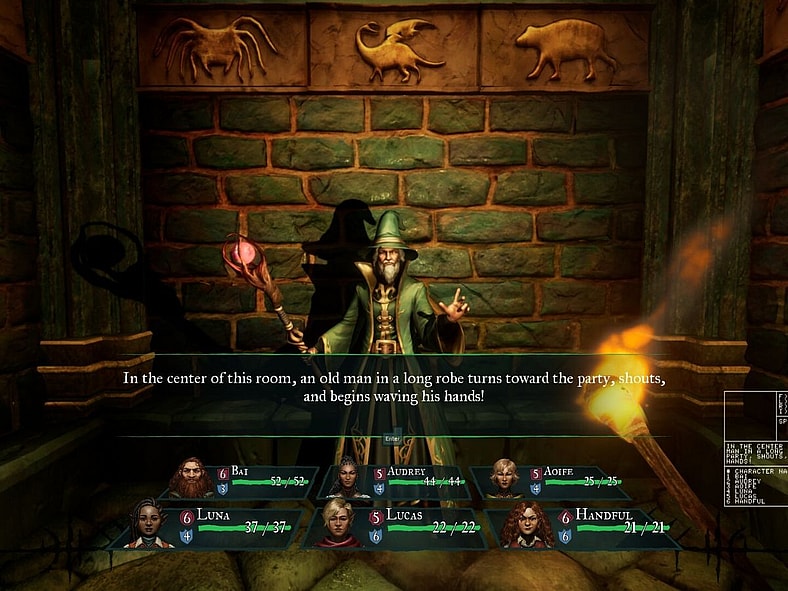
According to market analysts, the "retro-renaissance" in gaming has seen a significant uptick in interest for titles that prioritize depth over hand-holding. The 2024 remake of Proving Grounds of the Mad Overlord by Digital Eclipse served as a successful proof-of-concept. The game received critical acclaim for its ability to preserve the original game’s "brutal" integrity while updating the user interface and visuals to suit modern displays. This success likely served as the primary catalyst for Atari’s decision to pursue full rights to the franchise, proving that there is a viable, profit-generating audience for high-fidelity remasters of classic PC titles.
Official Perspectives: The Creators and the New Custodians
The announcement has been met with optimism from both the original creators and the new owners. Robert Woodhead, reflecting on the journey of his creation, noted, "When Andrew Greenberg and I created Wizardry back in the 1980s, the video game industry was still in its infancy, and the original games were some of the first to bring the role-playing experience to PCs and consoles."
Woodhead’s sentiment highlights the transition of the medium. What began as a hobbyist project in a basement has become a historical artifact worthy of preservation. "As Atari continues to reintroduce the games on new platforms and to new audiences, I’ll definitely be paying attention to the reaction from gamers who decide to take on a real old-school challenge," he added.
Atari’s leadership has echoed this sentiment, emphasizing that this is not merely a branding exercise but a commitment to stewardship. The CEO of Atari expressed, "We are excited to have this rare opportunity to republish, remaster, and bring console ports and physical releases of these early games to market." This indicates a multi-pronged approach: digital accessibility, high-quality remasters, and the physical media collector market, which is currently seeing record growth.
The Implications for the Industry
Atari’s acquisition of the Wizardry IP carries several implications for the gaming industry at large:
1. The Consolidation of Retro IP
Atari is effectively building a "library of classics." By acquiring foundational titles, they are insulating themselves against the volatility of the modern AAA market. For Atari, a company that has spent years rebranding and finding its footing, owning the Wizardry rights provides a stable, high-value asset that requires no expensive new development from the ground up to be monetized.
2. A New Standard for Remastering
The success of the 2024 Wizardry remake has set a new standard for how classic RPGs should be handled. Rather than "reimagining" or "rebooting" these games into unrecognizable modern formats, the trend is moving toward "fidelity-first" remasters. Atari’s involvement suggests that this approach will be the default for the upcoming collection, likely involving modern engines that allow for a toggle between "original" and "remastered" graphics.
3. The Preservation of Gaming Heritage
There is a growing concern in the tech community regarding "digital rot," where early games are lost to time due to incompatible hardware and obsolete software formats. By securing the rights, Atari is legally incentivized to ensure these games remain playable on modern operating systems. This is a massive win for game historians and fans who wish to see these titles survive the transition from the 20th to the 21st century.
4. Market Competition and Licensing
With the Wizardry name now split between Atari (the classic titles) and Drecom (the later franchise elements), we may see a fascinating dichotomy in the market. It remains to be seen if the two companies will collaborate on cross-promotions or if the split will lead to a bifurcated brand identity. Regardless, the competition to capture the interest of the "RPG purist" demographic is heating up.
Looking Ahead: What Comes Next?
The gaming community is already speculating on the nature of the upcoming "collections" and "new releases." Will Atari focus solely on the first five games, or will they leverage the Wizardry name to develop a modern entry in the series?
Given the current trajectory, the most likely path is the release of a "Wizardry Legacy Collection," featuring all five games with quality-of-life updates, modern save-states, and perhaps even a unified launcher. Furthermore, the mention of "physical releases" is particularly exciting for the collector community, which has shown a massive appetite for premium-packaged retro games in recent years.
Ultimately, the acquisition of Wizardry by Atari represents more than just a business transaction; it is a recognition of the franchise’s enduring legacy. As the industry looks back at its roots to find inspiration for the future, the return of the Mad Overlord and his cohorts serves as a reminder that great game design is timeless. For the players who spent countless hours mapping dungeons on graph paper in the 1980s, the future of the Wizardry franchise looks brighter than it has in decades. Atari has the keys to the kingdom; now, it is up to them to ensure that the dungeon remains as compelling today as it was forty years ago.










No comments yet. Be the first to join the conversation!