Sagoh
Sagoh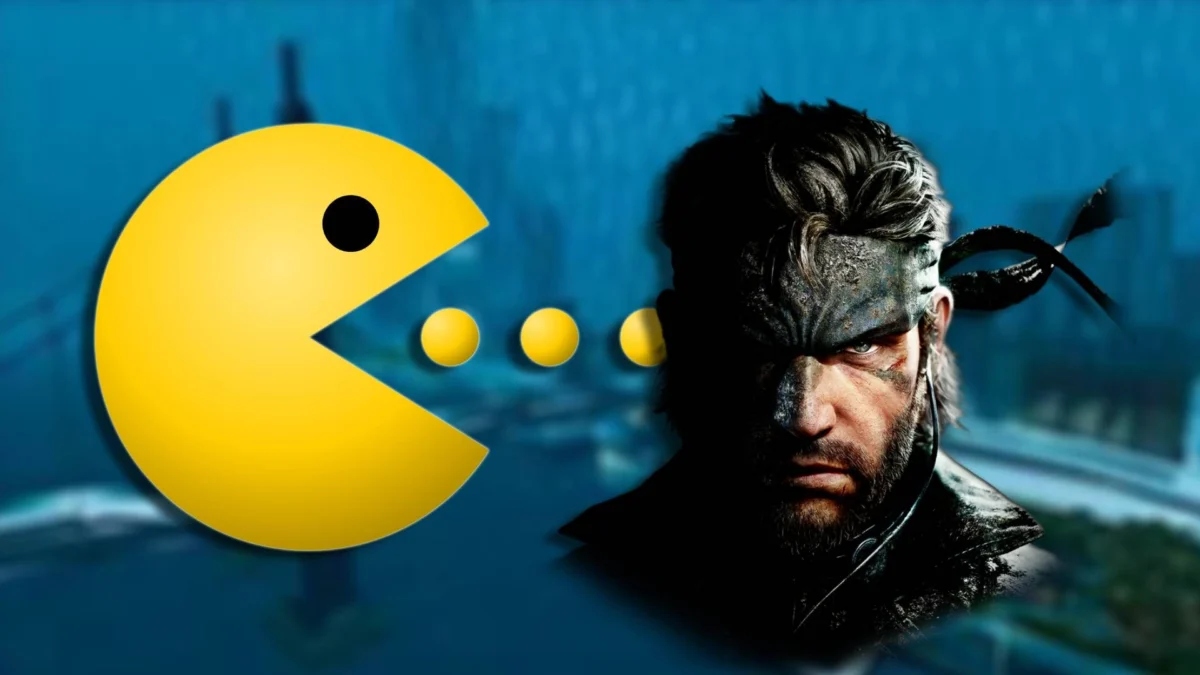
It is a fundamental truth of the modern marketplace: if an idea works, it will be replicated until the consumer is exhausted. In the high-stakes, multi-billion-dollar video game industry, this phenomenon is not merely common—it is an engine of growth, innovation, and, occasionally, blatant legal controversy. When a title captures the zeitgeist, it sets a template that studios worldwide race to mimic. While some developers iterate and improve upon these foundations, others produce "clones" that hit the shelves with breathtaking speed, aiming to siphon off the momentum of a breakout success.
Today, we examine ten seminal titles that did not just change the landscape of interactive entertainment; they forced the industry into a frenzy of imitation. These games were not merely influential—they were the blueprints for their own competition, often seeing direct market rivals emerge within months of their release.
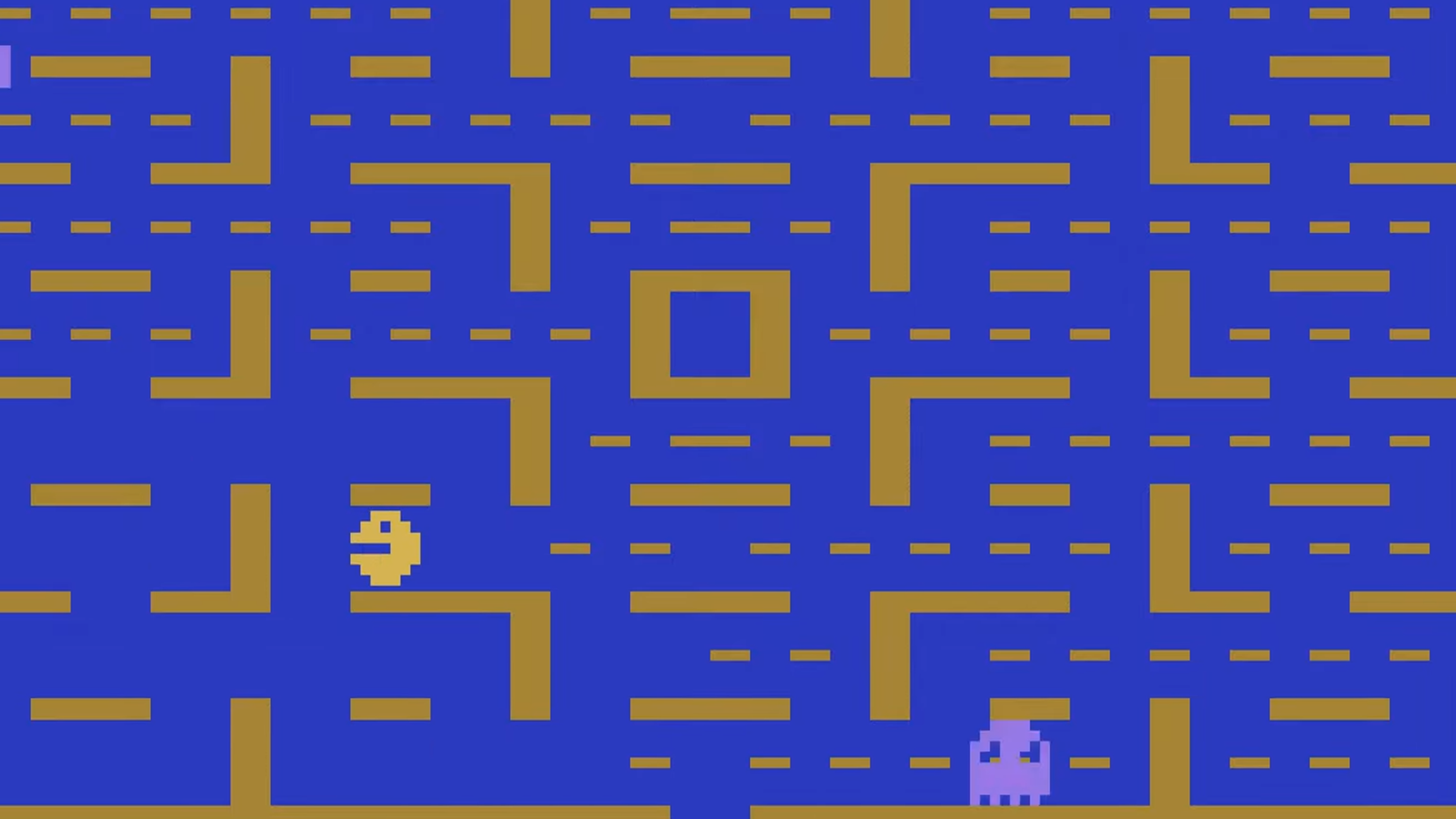
10. Pac-Man: The Maze Craze
Released in July 1980 by Namco, Pac-Man was a cultural tidal wave. While Pong and Space Invaders paved the way for arcade viability, Pac-Man was the first true global phenomenon. It transformed the arcade from a niche space for hobbyists into a mainstream destination.
The Chronology of Imitation
Almost immediately following its 1980 debut, the "maze-chase" subgenre exploded. Arcades were flooded with titles like Lock ‘N’ Chase and Mighty Mouth. However, the home console market was the true Wild West. Titles such as Jawbreaker, Jelly Monsters, and the infamous K.C. Munchkin! arrived within a year. The latter, published by Odyssey, famously resulted in a high-profile lawsuit from Atari, which held the home licensing rights. Records suggest that over the decades, anywhere from 60 to 400 distinct Pac-Man clones have been developed, proving that the simple act of navigating a maze remains one of gaming’s most durable, and copied, mechanics.
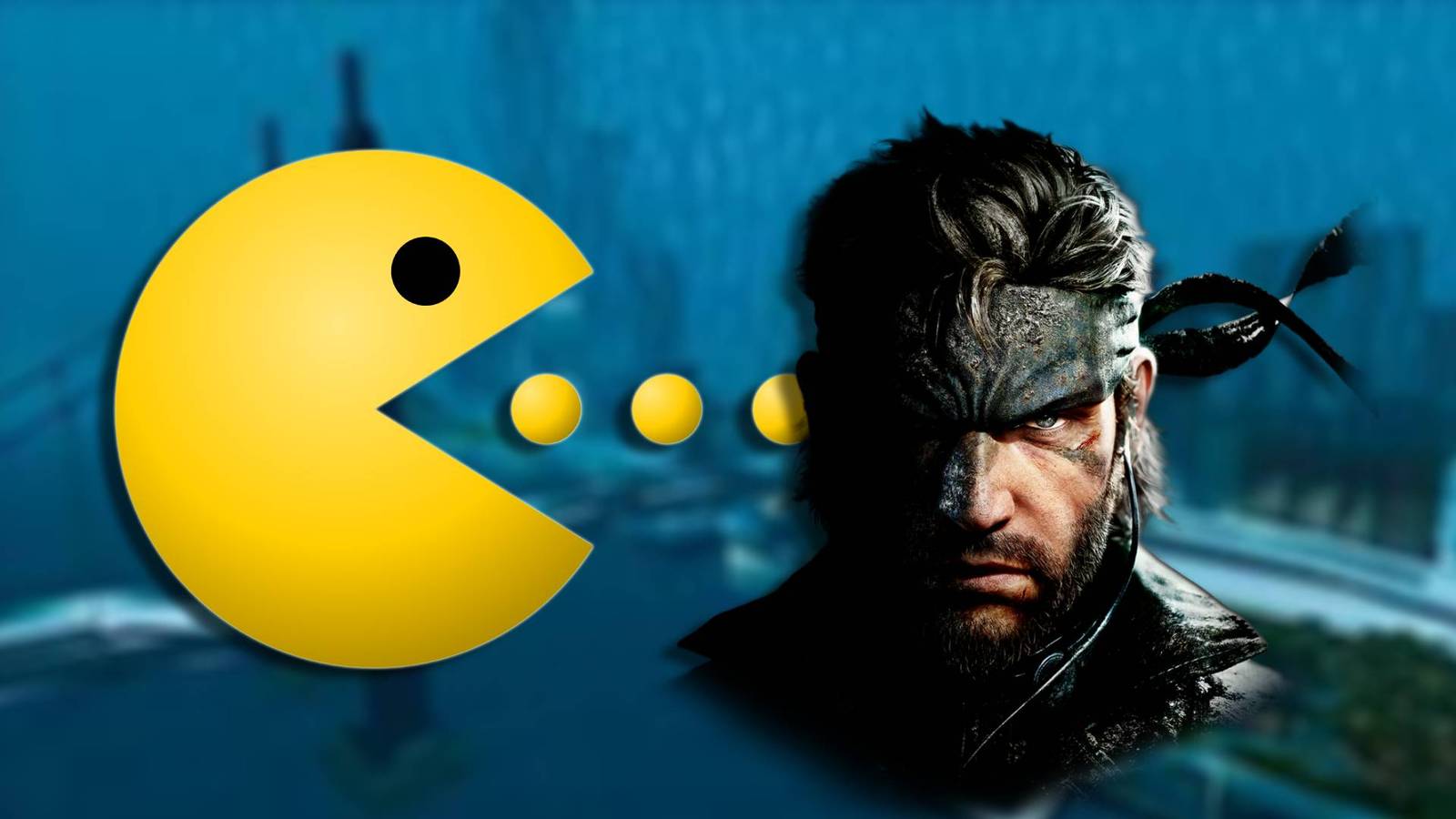
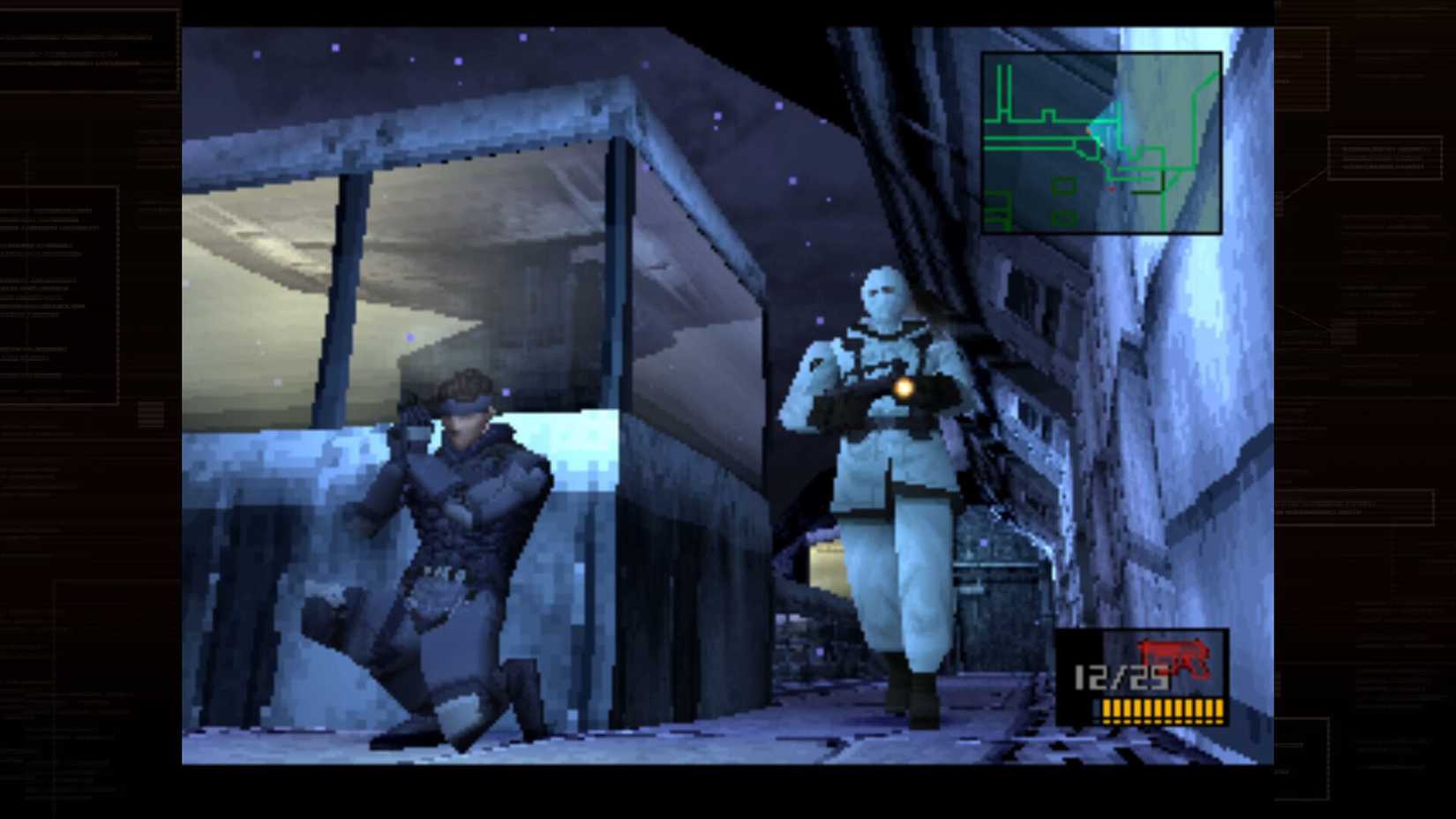
9. Metal Gear Solid: The Birth of the Cinematic Stealth Epic
When Metal Gear Solid hit the PlayStation in 1998, it redefined the relationship between cinematography and interactivity. While the original Metal Gear on the MSX laid the groundwork for the stealth genre, MGS popularized it as a narrative-driven blockbuster.
Implications for the Genre
Metal Gear Solid was an action movie in digital form, blending political intrigue with tactical espionage. Its success created a template for the "lone operative" narrative. Soon, the market saw the rise of Syphon Filter and the arrival of Splinter Cell. Even games that avoided the "stealth" label—such as the underrated gem Spy Fiction or the cover-shooter Winback—clearly drew from the tension and cinematic framing pioneered by Hideo Kojima’s masterpiece.
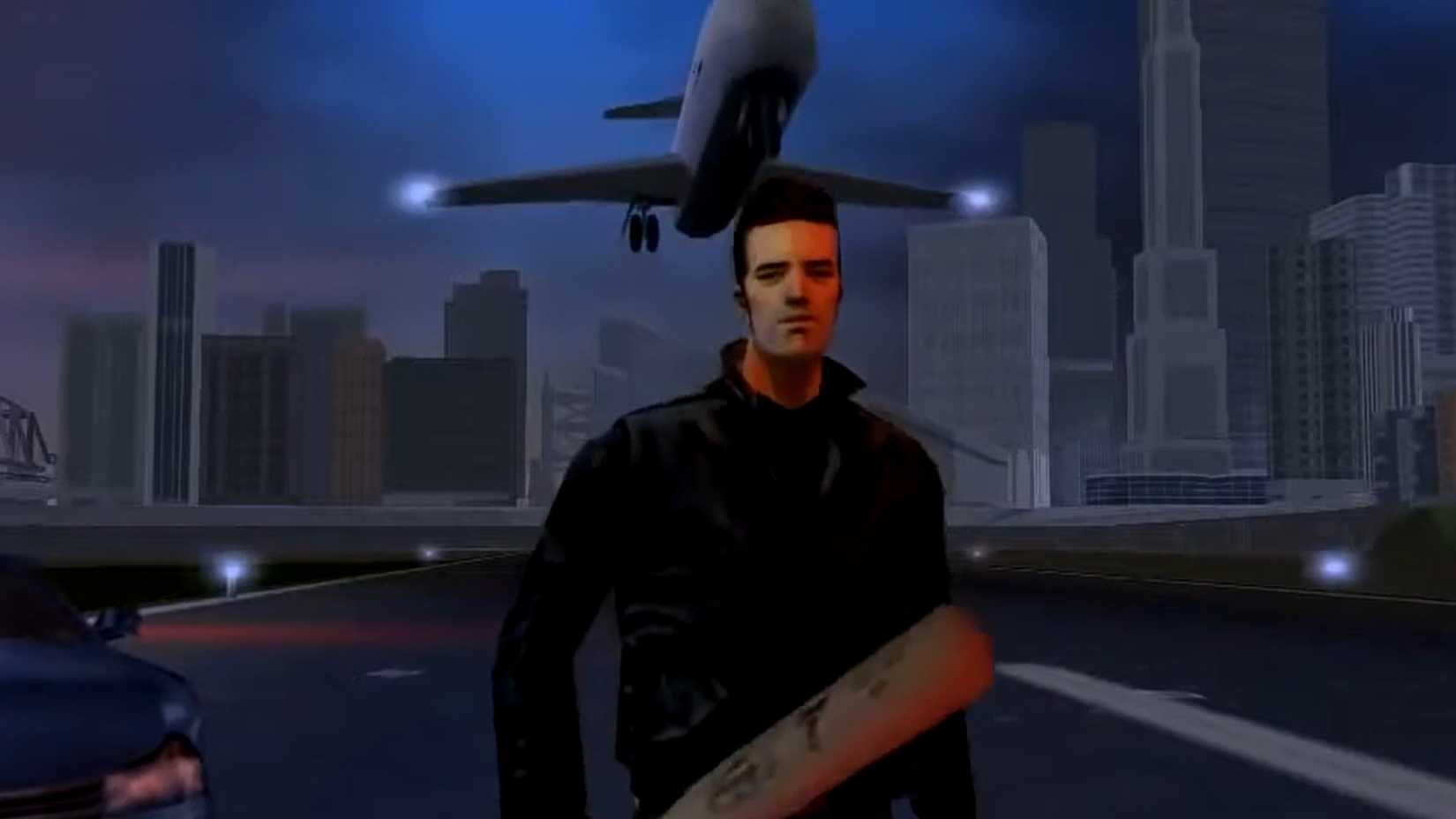
8. Grand Theft Auto III: The Open-World Blueprint
If Die Hard defined the "action in a specific location" trope for 1990s cinema, Grand Theft Auto III did the same for 2000s gaming. By providing a sandbox where players could ignore the narrative to cause chaos, Rockstar Games changed the industry forever.
Market Response
The "GTA-clone" era was a distinct period in gaming history. Developers scrambled to replicate the "open-world, mission-based" formula. True Crime: Streets of L.A. positioned itself as the "police version" of GTA, while platformers like Jak 2 suddenly integrated mission-based city exploration to keep up with the trend. The hunger for adult-oriented, free-roaming violence was so pervasive that even titles that had no business being open-world attempted to graft the GTA philosophy onto their core loops.
7. Doom: The Definition of a Genre
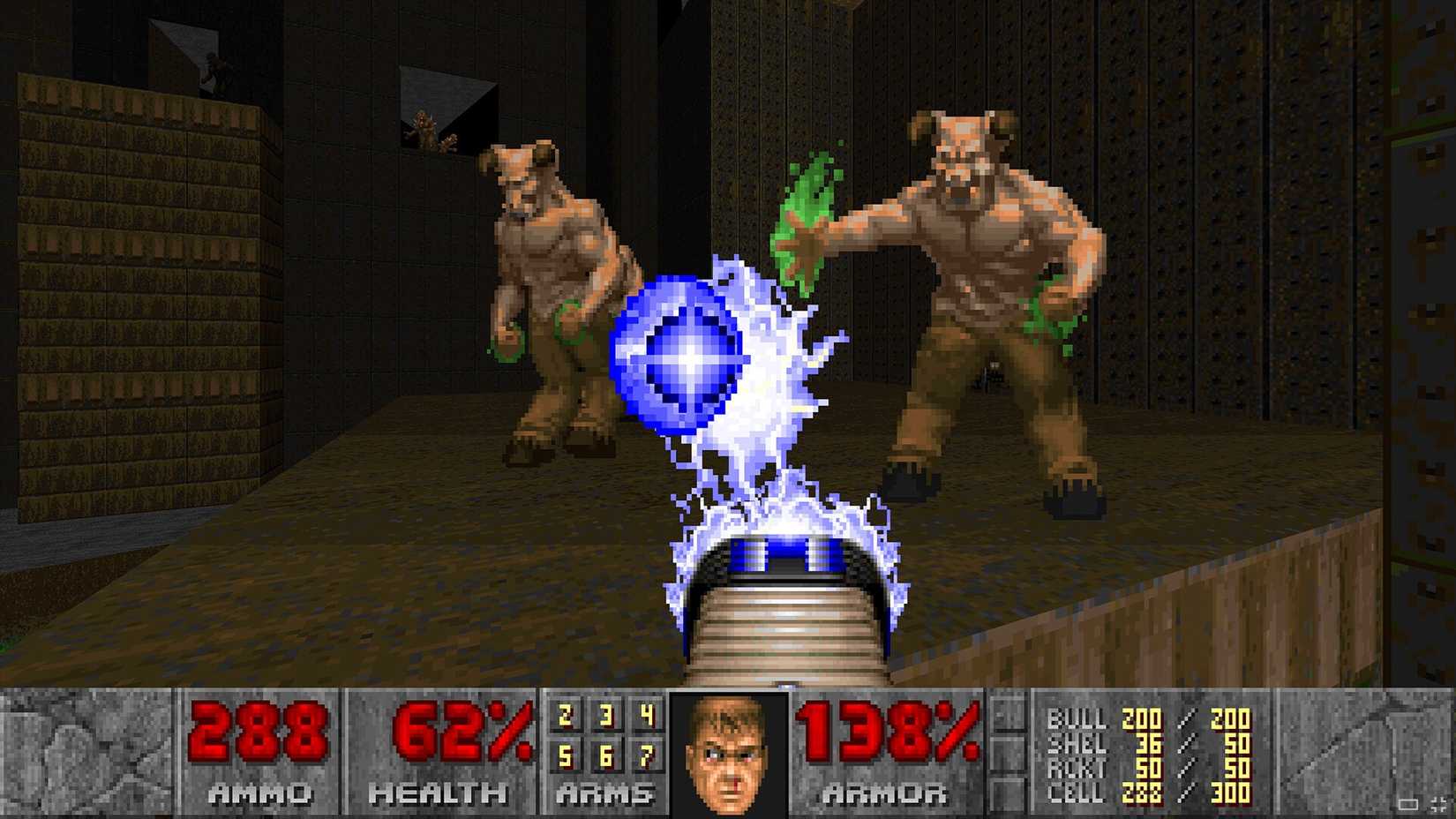
It is a common misconception that Doom was the first first-person shooter (FPS). However, it was the first one that mattered to the masses. When id Software released Doom in 1993, they didn’t just release a game; they released a movement.
The "Doom Clone" Phenomenon
For the better part of the mid-90s, the industry used the term "Doom Clone" as a literal genre descriptor. Star Wars: Dark Forces, Duke Nukem 3D, Heretic, and Hexen were all birthed from the same technical and design DNA. Even the breakfast-cereal-themed Chex Quest utilized the Doom engine, proving that the formula was so robust it could be applied to virtually any theme. The rapid proliferation of these games forced the FPS genre to mature rapidly, eventually giving way to more narrative-heavy experiences like Half-Life.
6. Super Mario Bros.: Setting the Standard
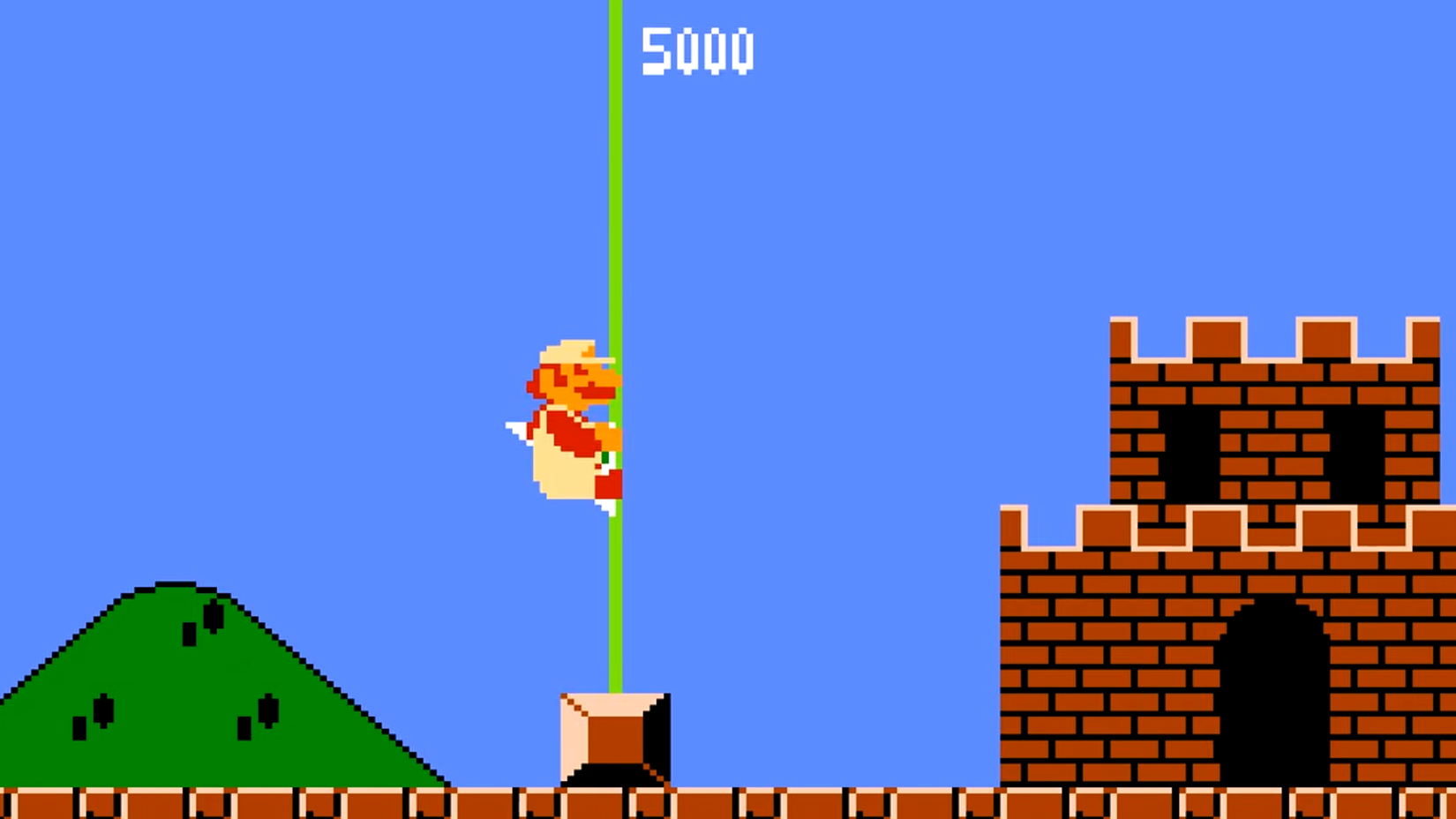
Released in 1985, Super Mario Bros. saved the home video game industry. Its success on the Nintendo Entertainment System (NES) made the side-scrolling platformer the most ubiquitous genre in existence.
Official Responses and Industry Shift
Unlike Doom, which had many direct mechanical clones, Super Mario Bros. inspired a shift in design philosophy. Developers didn’t just want to copy the levels; they wanted to capture the "feel" of Miyamoto’s precision-based platforming. While The Great Giana Sisters was a blatant, legally challenged copy, most developers simply accepted that if you were making a game in the late 80s, it had to be a platformer. The game set a bar for quality that forced every competitor to refine their physics and level design, or risk obsolescence.
5. Street Fighter II: The Competitive Arena
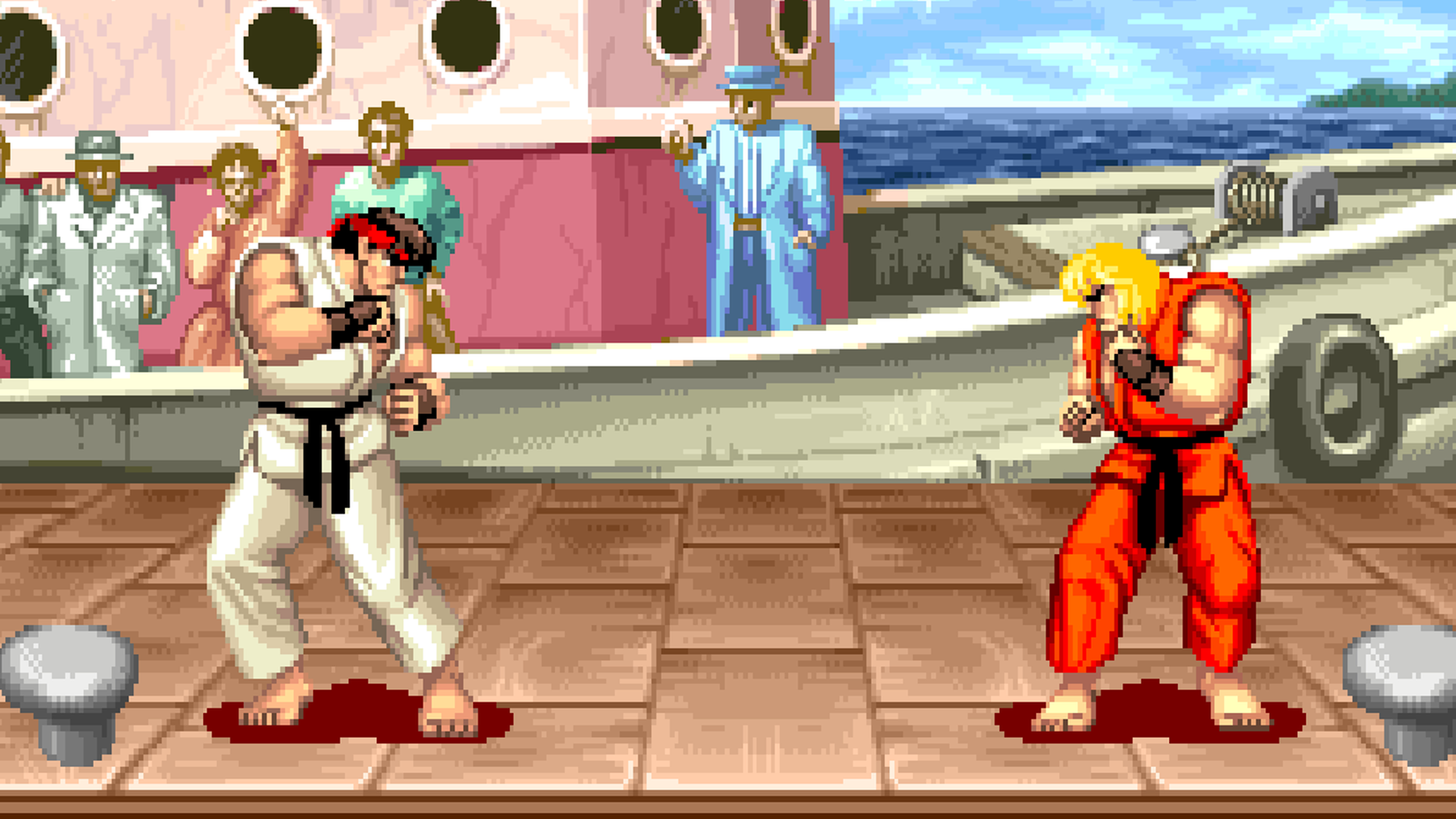
Before 1991, fighting games were rudimentary. Street Fighter II changed that by introducing deep combos, distinct character archetypes, and, most importantly, the thrill of high-stakes, one-on-one human competition.
The Battle for Supremacy
The explosion of 2D fighters in the 90s is legendary. SNK rose to prominence with Fatal Fury and The King of Fighters, while Mortal Kombat introduced digitized graphics and extreme violence to differentiate itself. The imitation was so rampant that Capcom famously sued Data East over Fighter’s History, a game deemed too similar to their own. This era proved that once a competitive format is perfected, the entire industry will rush to carve out a piece of the tournament scene.
4. Wii Sports: The Motion Control Craze
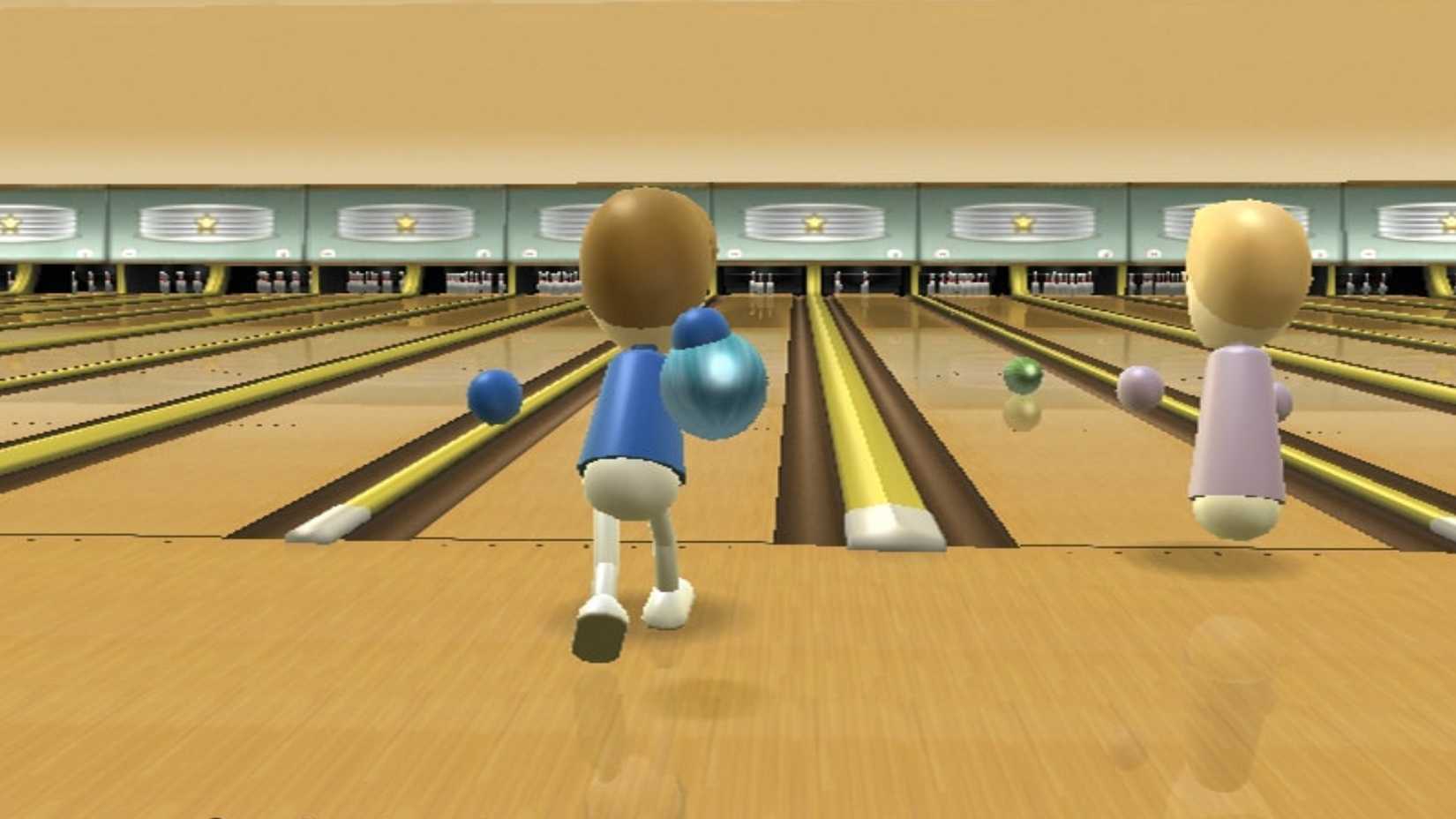
When the Nintendo Wii launched in 2006, it brought motion controls to the living room. Wii Sports was the pack-in title that convinced non-gamers that they, too, could participate in the hobby.
Supporting Data and Implications
The industry reacted with panic and ambition. Sony launched the PlayStation Move, and Microsoft countered with the Kinect. Both systems attempted to replicate the "sports party" success of Wii Sports. However, this era also demonstrated the limits of imitation. While Wii Sports felt intuitive, many of its competitors felt like gimmicks. The movement eventually died out, proving that while players will copy a successful mechanic, they will not sustain a fad if the underlying gameplay lacks the polish of the original.
3. Guitar Hero: The Plastic Instrument Era
Harmonix and RedOctane struck gold in 2005 with Guitar Hero, an experience that made the average gamer feel like a rock god.
The Rise and Fall of Peripheral-Based Gaming
The success of Guitar Hero led to an almost comical expansion of the peripheral market. Rock Band added drums and vocals, causing Guitar Hero to follow suit. Then came DJ Hero (turntables) and Tony Hawk’s Ride (a physical skateboard controller). It was a period of extreme physical excess in gaming, where the living room became a warehouse for plastic instruments. When the fad finally broke, it left the industry with a cautionary tale about the sustainability of hardware-dependent software.
2. Resident Evil: The Horror Renaissance
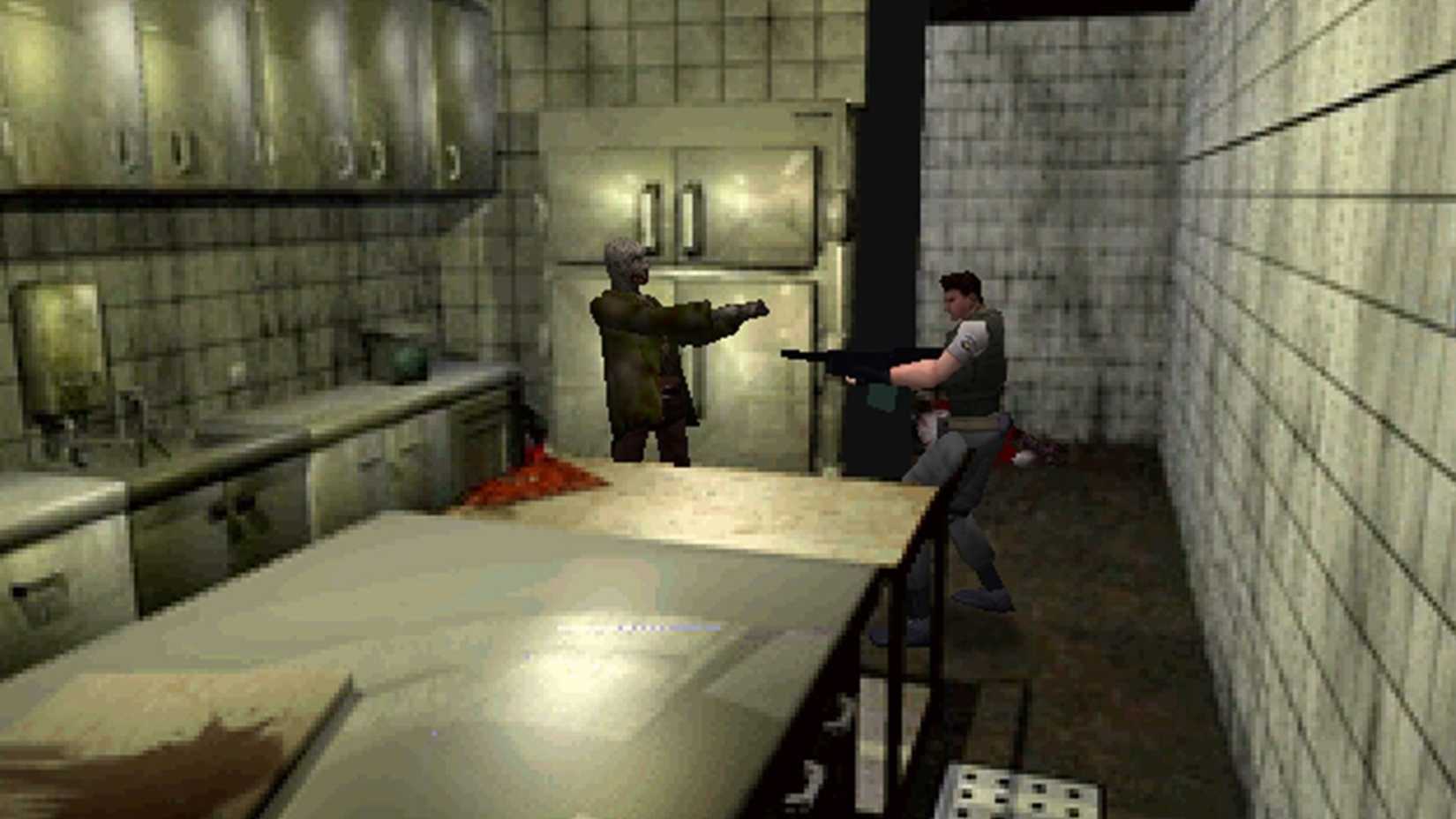
Capcom’s 1996 hit Resident Evil (or Biohazard) did not invent horror, but it did invent "Survival Horror" as a commercial juggernaut.
Chronology of Influence
The game’s focus on resource management, atmospheric dread, and fixed camera angles became the industry standard for a decade. Silent Hill, Fatal Frame, and Siren all emerged in its wake, each attempting to capture the same sense of isolation. Even today, the "RE Engine" continues to set the standard for modern horror, showing that while the imitation cycle began in 1996, the series remains the master of the genre it helped define.

1. Zelda II: The Adventure of Link
Often labeled the "black sheep" of the Legend of Zelda franchise due to its shift to side-scrolling, Zelda II (1988) was a massive commercial success that effectively created an action-RPG subgenre.
The Legacy of the "Black Sheep"
Despite being an outlier in its own series, Zelda II was a template for games like Battle of Olympus, Faxanadu, and even the Rambo NES title. These games combined top-down exploration with side-scrolling combat—a specific blend that dominated the 8-bit era. Its influence is a reminder that even the games we consider "experimental" or "divisive" can become industry standards, provided they sell well enough for other studios to take notice.
Conclusion: The Cycle Continues
From the pixelated mazes of the 1980s to the motion-controlled living rooms of the 2000s, the history of gaming is a history of imitation. While the "clone" label is often used pejoratively, this process of iteration is how genres are born, refined, and eventually perfected. For every failed cash-grab, there is a developer learning from the mistakes of their predecessors, pushing the medium forward one copycat at a time. The business of gaming remains, at its core, a business of building upon what came before, proving that the sincerest form of flattery in the industry is often a retail release.

 Asro
Asro
 Nana Wu