

In the ever-evolving world of lifestyle merchandise, few brands possess the cultural gravity to turn a simple accessory into a nationwide obsession. This summer, Starbucks Japan has done exactly that. By tapping into the burgeoning "mesh aesthetic"—a trend defined by breathability, texture, and minimalist utility—the coffee giant has launched a collection of mesh bags that have sparked a fervor among Japanese consumers, leading to instant sell-outs and a scramble for restock notifications.
What began as a functional item for carrying tumblers has transformed into a high-demand fashion statement, signaling a shift in how consumers perceive branded retail goods.
Main Facts: The Anatomy of the Collection
The collection, released in early June 2026, consists of three distinct variants, each designed to serve a slightly different aesthetic and functional need:
- Large Green Mesh Bag: Retailing at 2,500 yen (approximately $15.66 USD), this model is an online exclusive. It is designed for those who require more substantial storage for daily commutes or beach outings.
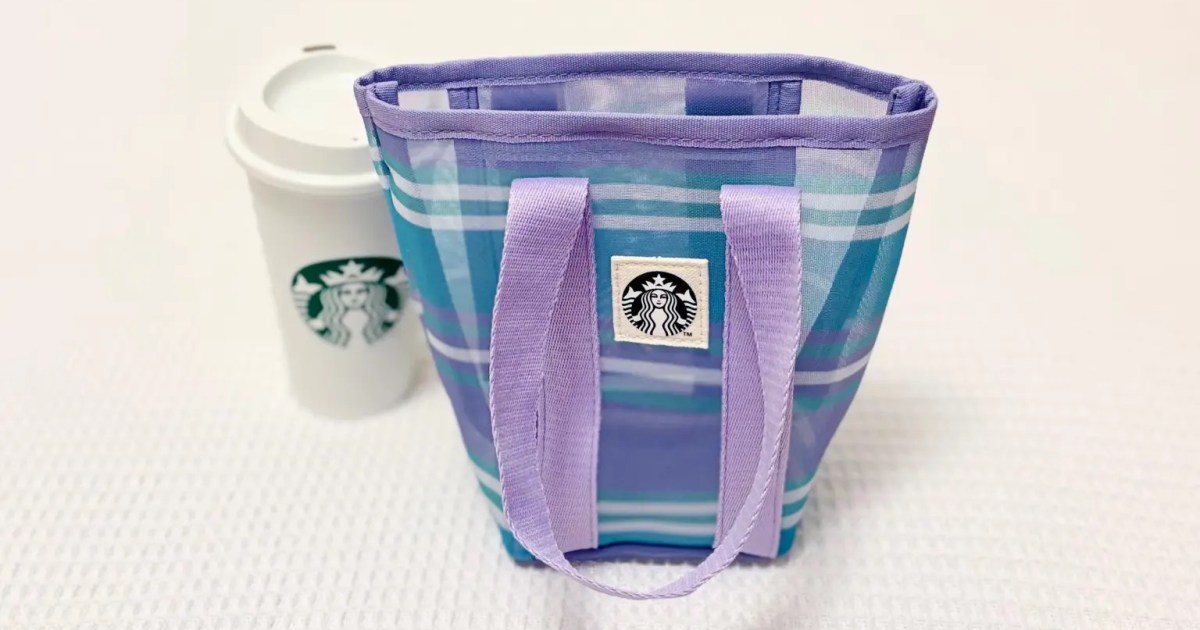
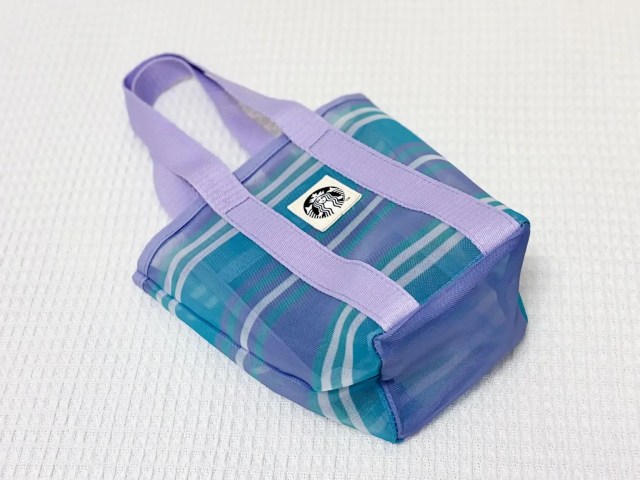
- Small Purple Mesh Bag: Priced at 2,000 yen, this version is also an online-only offering. Its soft, pastel hue has made it the "it" item of the season, leading to rapid depletion of stock.
- Small Green Mesh Bag: The most accessible of the trio, this bag is available both through the Starbucks Japan online store and in brick-and-mortar locations across the country.
Despite their differences in size and color, the bags share a cohesive design philosophy. Each is crafted from a durable, lightweight mesh material that embodies the "breezy" ethos of Japanese summer fashion. Measuring approximately 19 cm in width, 9.5 cm in depth, and 19 cm in height, the smaller iterations are engineered for portability, while the inclusion of an internal pocket provides a surprising level of organizational depth.
Chronology: A Rapid Rise to Stardom
The trajectory of the collection’s success was near-instantaneous.
- Pre-Launch Hype: Rumors of the collection began circulating on social media platforms like X (formerly Twitter) and Instagram, where lifestyle influencers noted a shift toward translucent and mesh-based accessories.
- The Launch (Early June 2026): Upon the official release on the Starbucks Japan online store, traffic surged. Within hours, the Small Purple variant—the standout colorway of the collection—was marked as "out of stock."
- The Physical Rollout: As the Small Green bags hit physical shelves, reports emerged of customers visiting multiple locations to secure their preferred item. The disparity between online-exclusive availability and in-store access created a bifurcated shopping experience, heightening the "scarcity effect."
- Post-Launch Demand: By June 1st, it became clear that supply could not meet the overwhelming surge in demand. The secondary market began to see listings, and the official Starbucks Japan online portal began prompting users to register for restock notifications.
Supporting Data: The Practicality Behind the Hype
The appeal of these bags transcends mere brand loyalty; it is rooted in genuine utility. In a climate like Japan’s, where summer humidity is intense, the lightweight nature of mesh is not just a style choice—it is a functional necessity.
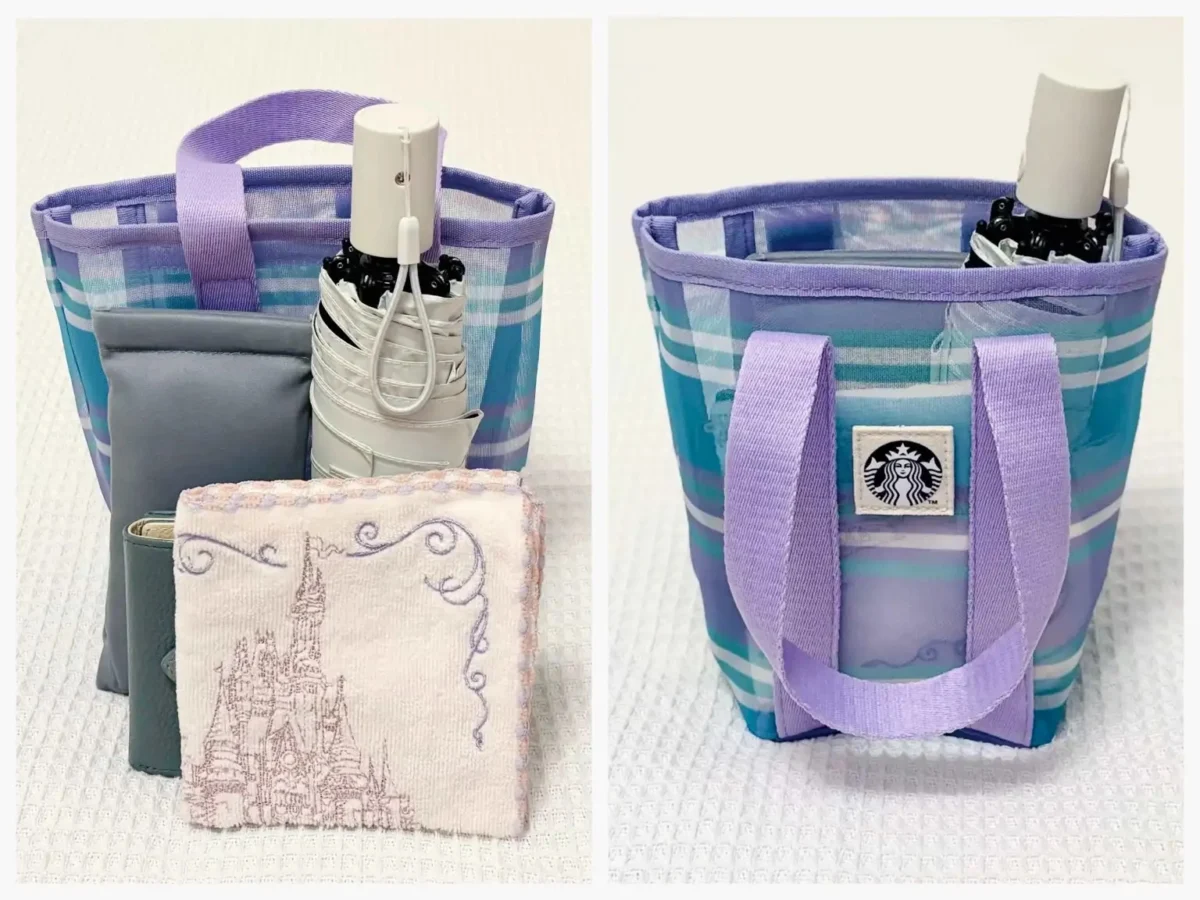
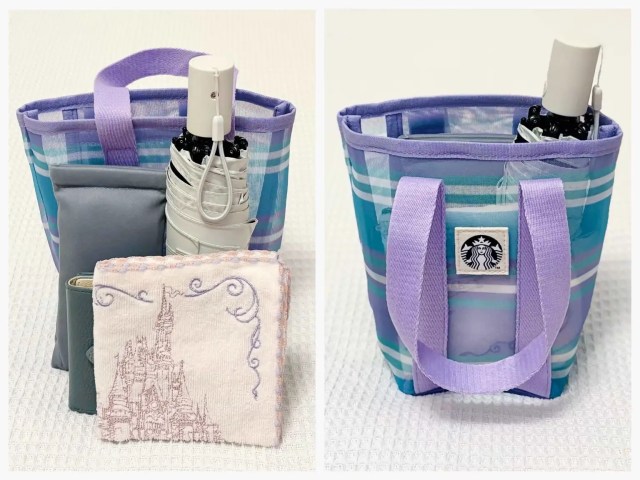
An analysis of the bag’s capacity reveals why it has resonated with urban commuters. Despite its compact footprint, the internal architecture allows for a surprisingly high volume of daily essentials. During testing, the bag proved capable of holding:
- A standard leather wallet.
- A folded personal umbrella (a staple for the Japanese rainy season).
- Sunglasses and a compact case.
- A handkerchief or personal care items.
Perhaps most importantly, the design was explicitly optimized for the Starbucks ecosystem. The base is structured to comfortably cradle a reusable cup or a slim-profile tumbler. By creating a product that serves as an extension of the customer’s existing Starbucks experience—carrying their coffee while remaining lightweight—the brand has effectively created a "loop" of engagement.
Official Responses and Corporate Strategy
Starbucks Japan has remained relatively quiet regarding specific sales figures, adhering to a policy of not disclosing proprietary retail metrics. However, the company’s reaction to the inventory shortage speaks volumes.
As of June 1, 2026, the company issued a soft update via its online store, acknowledging the high volume of interest. The platform began encouraging customers to sign up for "restock alerts," a clear indication that the company is monitoring the data to determine the feasibility of a second production run. Analysts suggest that Starbucks Japan utilizes these limited-edition drops as a barometer for consumer sentiment, allowing them to test product categories with minimal risk. If the volume of registration for notifications remains high, it is highly likely that a replenishment of the "Small Purple" and "Large Green" models will be commissioned.
Implications: The Future of "Lifestyle" Coffee
The success of the mesh bag collection carries significant implications for the broader retail landscape:
1. The Rise of "Quiet Merchandise"
This collection represents a pivot away from the loud, logo-heavy merchandise of the past. The Starbucks branding is present but subtle, allowing the bags to blend into a variety of wardrobes. This suggests that modern consumers, particularly in Japan, are prioritizing "vibe-based" consumption over overt signaling.
2. The Omnichannel Scarcity Model
By restricting certain colors to online sales while keeping the "Small Green" in-store, Starbucks has successfully integrated its digital and physical retail channels. This encourages customers to engage with the app, boosting long-term data collection and customer retention, while keeping foot traffic high at physical cafe locations.
3. Sustainability and Material Innovation
The focus on mesh is not only aesthetic but practical. As global brands look for ways to reduce their reliance on heavy synthetic leathers or single-use plastics, lightweight, durable alternatives like mesh are becoming increasingly attractive. While these bags are not explicitly marketed as "eco-friendly," their longevity and reusability align with a broader consumer desire for durable goods that stand up to daily wear and tear.
Final Reflections
The Starbucks Japan mesh bag phenomenon is a microcosm of modern retail success. It combines the prestige of an international brand with the hyper-localized needs of the Japanese market—compact size, high functionality, and seasonal style.
For those who were unable to secure a bag during the initial release, the path forward remains hopeful. The company’s willingness to consider additional production runs based on consumer registration suggests a flexible supply chain that is responsive to real-time market signals.
As we progress through the summer months, these mesh bags are likely to become a ubiquitous sight in Tokyo’s train stations and office districts. They serve as a reminder that even in a digital age, there is still immense power in a well-designed, physical object that solves a problem—or simply adds a touch of color—to the daily grind.
Whether this becomes a permanent fixture in the Starbucks merchandise catalog or remains a fleeting seasonal trend, one thing is certain: the "Small Purple" bag has secured its place as one of the most coveted accessories of 2026.












No comments yet. Be the first to join the conversation!