

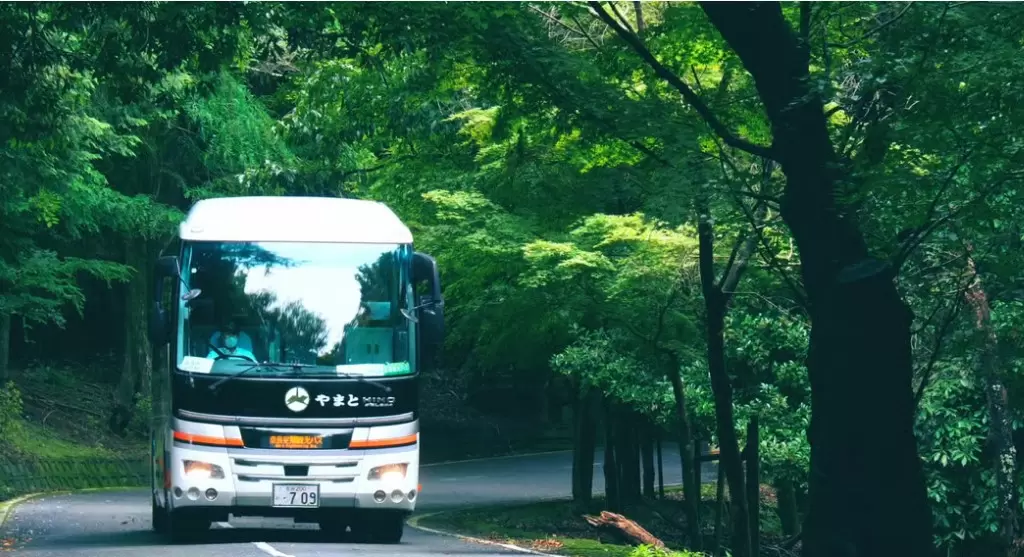
NARA, JAPAN — June 2, 2026 — For generations, the ascent of Mount Wakakusa has been a rite of passage for visitors to Nara—a journey defined by the panoramic majesty of the ancient capital, the gentle presence of free-roaming deer, and the physical exertion required to conquer its slopes. However, the logistical labyrinth often associated with reaching the summit is finally being dismantled.
Starting April 1, 2026, the Nara transportation landscape undergoes a significant transformation with the launch of the "Wakakusa Hilltop Bus." This new, daily direct service promises to bridge the gap between urban convenience and the tranquil beauty of the mountain’s peak, effectively streamlining one of Japan’s most cherished sightseeing experiences.
Main Facts: The New Gateway to the Summit
The "Wakakusa Hilltop Bus" is designed to eliminate the historical friction of reaching the peak. Previously, visitors were forced to navigate complex, fragmented bus routes to reach the base of the mountain, followed by a strenuous 30-minute trek on foot—a daunting prospect for elderly travelers, families with young children, or those carrying luggage.
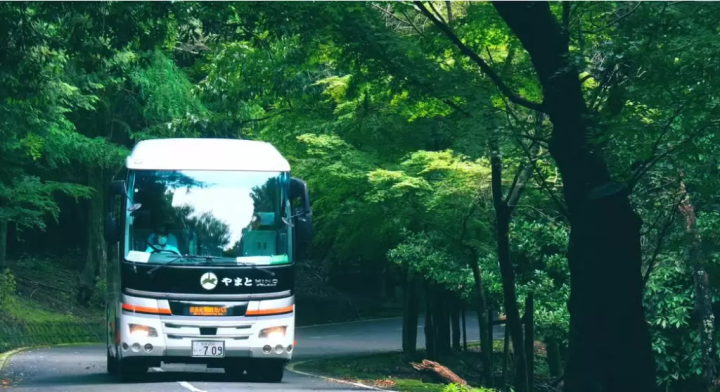
The new service provides a direct, stress-free route. Departing from the heart of the city, the bus whisks passengers to the summit in just 30 minutes.
Key Operational Details:
- Launch Date: April 1, 2026.
- Operating Window: Daily service until December 12, 2026.
- Departure Points: JR Nara Station (East Exit, Platform 4) and Kintetsu Nara Station (Sightseeing Bus Stop).
- Capacity & Comfort: The service utilizes private buses where every passenger is guaranteed a seat, ensuring a comfortable transit experience.
- Accessibility: The service is tailored for the modern international traveler, featuring multilingual automated voice guidance and comprehensive walking maps available upon boarding.
Chronology: A Long-Awaited Solution
The development of this route is the culmination of years of feedback from both local tourism boards and international visitors.
- Pre-2026: Mount Wakakusa was accessible only via a combination of local buses and hiking. The variability of bus schedules and the confusion caused by multiple stops led to a significant "drop-off" in visitors who felt the mountain was too difficult to access.
- Late 2025: Planning for the direct route began in earnest, focusing on the integration of digital ticketing and simplified transport logistics.
- April 1, 2026: The official launch of the "Wakakusa Hilltop Bus," marking the first time in the site’s recent history that a direct, high-frequency transit option to the summit has been standardized for the tourist market.
- Future Outlook: The service is scheduled to operate throughout the peak tourism seasons of 2026, with potential for long-term expansion depending on ridership data collected throughout the year.
Supporting Data: Why the Upgrade Matters
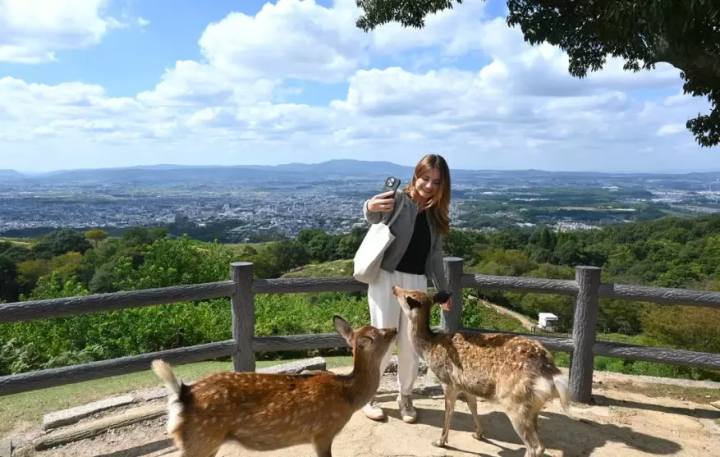
Mount Wakakusa stands at 342 meters above sea level. While modest in height, its gentle grassy slopes offer an unobstructed view of the Nara basin, including the iconic Great Buddha Hall of Tōdai-ji Temple.
The Cost of Convenience
The pricing model has been structured to remain accessible while reflecting the premium nature of a direct service:
| Service Category | Adult Fare (Round Trip) | Children Fare (Round Trip) |
|---|---|---|
| Wakakusa Hilltop Bus | 2,000 JPY | 1,000 JPY |
Note: Travelers who prefer spontaneity can board without a prior reservation if seats are available on the day. The service supports modern payment methods, including transportation IC cards, contactless credit cards, and cash.
The "Hybrid" Sightseeing Model
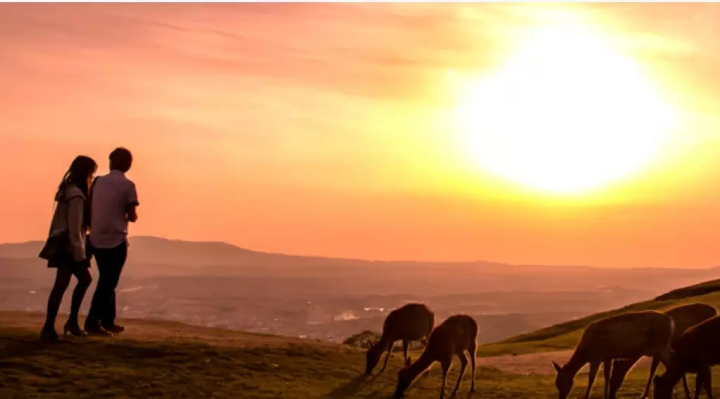
The service introduces a new way to enjoy the mountain: the "Bus-Up, Hike-Down" model. By providing a comfortable ride to the summit, the operator encourages tourists to explore the peak at their own pace and then leisurely descend the mountain on foot. This allows visitors to enjoy the scenery and interact with the mountain’s resident deer population without the exhaustion of an uphill climb.
Official Perspectives: Enhancing the Nara Experience
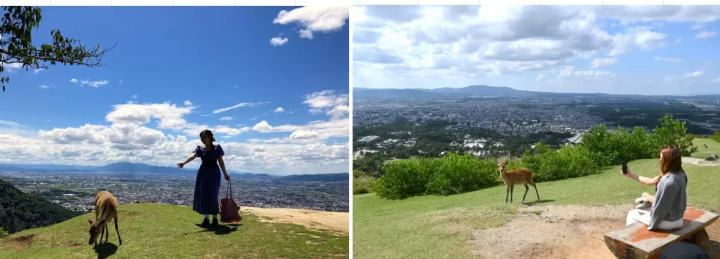
Local tourism officials have championed this initiative as a "necessary evolution" of Nara’s infrastructure. In a recent statement, transit planners emphasized that the primary goal is to ensure that the "fantastical" views from the summit—particularly the crimson sunsets that paint the Nara skyline—are accessible to all, regardless of physical ability.
"The evening view from Mount Wakakusa is arguably one of the most moving sights in Japan," a representative stated. "By removing the barrier of complex navigation, we are inviting the world to witness this tranquil scenery with greater ease and peace of mind."
Furthermore, the integration of multilingual guidance is part of a broader push to make Nara a more welcoming destination for the post-pandemic surge in international tourism. By catering to non-Japanese speakers, the bus service effectively removes the "language anxiety" that often prevents visitors from venturing beyond the central temple districts.
Implications: The Future of Nara Tourism
The introduction of the "Wakakusa Hilltop Bus" carries several significant implications for the region’s tourism economy.
1. Increased Tourist Dispersion
By making the summit of Mount Wakakusa an easily reachable destination, the city hopes to reduce crowding at the base-level attractions. By spreading visitors out, the overall experience becomes more sustainable and pleasant for everyone involved.
2. Efficiency in Itinerary Planning
For many international tourists, time is the most valuable currency. A 30-minute, one-seat ride allows for a "half-day" excursion that was previously impossible without a private car or taxi. This increases the total value of a visit to Nara, as tourists can now fit more activities into their itineraries without feeling rushed.

3. A Focus on "Comfort-Tourism"
The shift toward private, seated bus transport signals a change in how Japan manages its most popular sites. There is a growing understanding that "adventure" should not necessarily imply "hardship." By providing a premium, reliable service, Nara is setting a standard for other regional attractions in Japan that struggle with similar accessibility challenges.
Conclusion: A New Way to See the Sky
As the sun sets over the Nara basin, the view from the summit of Mount Wakakusa remains unchanged—a masterpiece of nature and history. What has changed, however, is the ease with which one can reach this vantage point. Whether you are a solo traveler navigating the city for the first time, a family seeking a gentle nature walk, or a photography enthusiast chasing the perfect golden hour shot, the Wakakusa Hilltop Bus offers a new, seamless connection to one of Nara’s most breathtaking locations.
With its blend of convenience, accessibility, and comfort, the service is not merely a mode of transport; it is an invitation to explore the higher elevations of one of Japan’s most storied cities. For those planning a visit between April and December 2026, the summit is no longer a destination of exertion—it is a destination of ease.

Interested in booking your passage? Apply for the "Wakakusa Hilltop Bus" here to secure your seat and begin your ascent into the heart of Nara.












No comments yet. Be the first to join the conversation!