

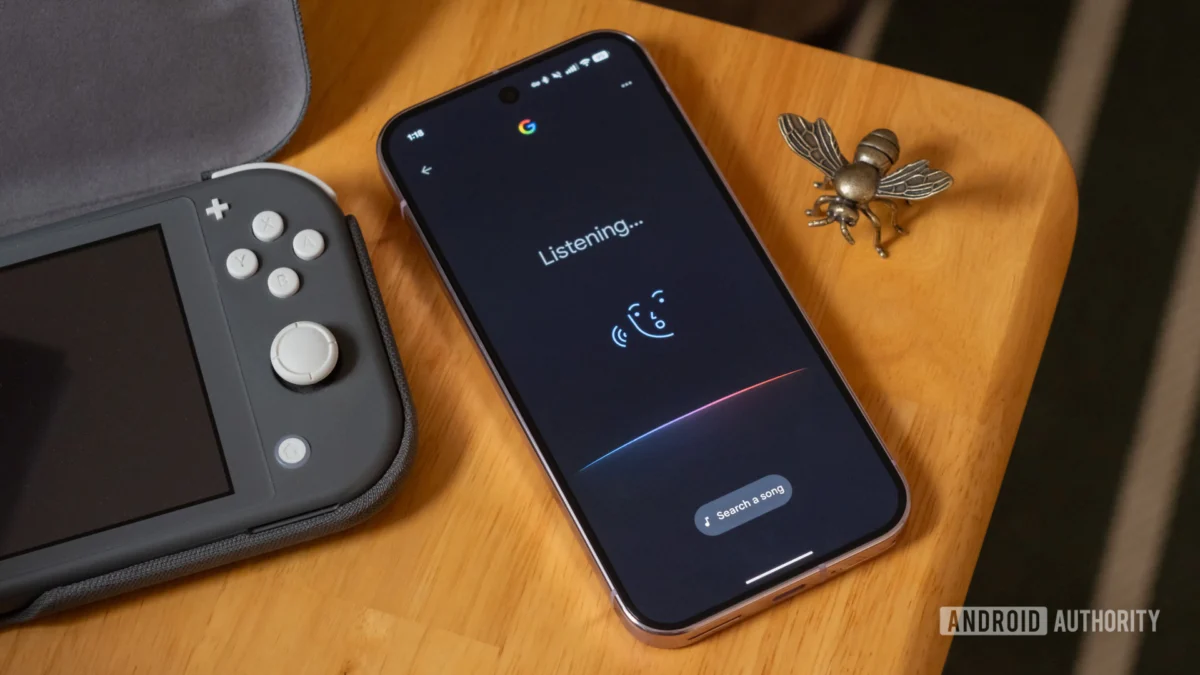
While the global tech discourse remains dominated by the rapid, often dizzying evolution of large language models and generative AI suites like Gemini, Google has not abandoned the foundational utilities that built its ecosystem. Recent developments within the Google app suggest that the company is quietly investing in a significant overhaul of its classic voice search interface. By prioritizing user agency and visual feedback, Google is proving that even the most established tools can—and should—evolve to meet the nuanced needs of modern users.
Main Facts: The Evolution of Voice Interaction
Recent investigations into the latest APK files for the Google app have revealed a suite of interface updates designed to provide users with more control over how they initiate and manage voice queries. The most prominent addition is a new "Auto search" toggle.
Historically, Google’s voice search has operated on an automatic trigger: the system detects when a user stops speaking for a fraction of a second and immediately executes the search. While efficient for simple, short-form queries, this behavior often causes frustration for users who pause to collect their thoughts or speak in longer, more complex sentences.
The forthcoming "Auto search" toggle addresses this by allowing users to deactivate the automatic processing feature. When toggled off, the interface waits for a manual cue, ensuring that the search engine does not interrupt the user mid-sentence. Complementing this functional change is a new visual language. Google has developed distinct, dynamic waveform animations that respond to the active state of the toggle. When Auto search is enabled, the interface displays a short, "chunky" waveform pattern. Conversely, when the feature is disabled, the UI shifts to an elongated, side-scrolling waveform that provides a clear visual signal that the system is listening for the entirety of the user’s input before committing to a search request.
Chronology: A Path Toward Greater Control
The journey toward this updated interface has been incremental, characterized by subtle code-level changes that reflect a shift in design philosophy.
- Early 2026: Initial code strings were discovered in the Google app suggesting that developers were experimenting with a complete visual refresh of the voice search landing page. This was the first indicator that the "classic" interface was due for a modernization.
- Late Spring 2026: The "Auto search" toggle functionality was first surfaced in an APK teardown. At this stage, the feature was largely non-functional, serving primarily as a placeholder for future implementation.
- Current Development Phase: Recent updates have moved beyond mere toggles. Google has now integrated the reactive, state-dependent animations. This suggests that the feature has moved from a conceptual prototype to a more refined, near-production-ready UI element.
The timeline suggests that while Google is focused on the future of AI, it is maintaining a parallel track for its core search infrastructure. By iterating on these components, the company is ensuring that its "traditional" search tools remain relevant in an era where users expect high levels of customization.
Supporting Data: Why User Control Matters
The necessity for an "Auto search" toggle is rooted in the physiological and linguistic realities of human speech. According to research on human-computer interaction (HCI), users often require "thinking time" during voice dictation. When a machine forces an end-point to a query based on a silent pause, it creates a "transactional friction" that discourages users from employing voice search for more complex tasks.
The current implementation of Google’s voice search relies on Voice Activity Detection (VAD). While VAD has become remarkably accurate, it cannot distinguish between a "thoughtful pause" and a "query-ending pause." By providing a toggle, Google is offloading the burden of intent-detection from the software to the user.
Furthermore, the choice of animations is not merely aesthetic. Visual feedback is a cornerstone of accessibility. The "chunky" versus "elongated" waveform designs serve as a cognitive shortcut, allowing users to understand the system’s state at a glance. For users with visual or hearing impairments, or those in noisy environments where audio cues are unreliable, these distinct visual waveforms provide essential confirmation of the device’s status.
Official Responses and the "Teardown" Reality
It is important to maintain a measured perspective regarding these findings. Because these features were discovered via an APK teardown—a process of reverse-engineering the code within an Android application package—they remain officially unannounced.
Google’s standard policy regarding unreleased features is to remain silent, neither confirming nor denying the existence of internal testing. This is a common practice in the software industry, designed to manage user expectations and prevent disappointment should a feature be discarded during the A/B testing phase. An APK teardown reveals what is in the code, but it cannot predict the final outcome of the product roadmap. It is entirely possible that these features could be rolled out to a limited beta group tomorrow, or they could be scrapped in favor of an entirely different approach to voice interaction.
Implications for the Future of Search
The implications of these updates extend far beyond a simple UI refresh. They suggest a broader strategy for the "Google App" in the age of Gemini.
1. The Coexistence of AI and Utility
There is a prevailing fear that "AI-first" companies will eventually bloat their apps with generative features at the expense of simplicity. By updating the standard voice search interface, Google is demonstrating that it understands the value of the "classic" search experience. It is not abandoning search for AI; it is refining the search experience so that it can serve as a robust, reliable entry point for whatever service the user needs—whether that is a traditional blue-link search or an AI-powered summary.
2. The Standardization of "Interaction Design"
If this new interface is released, it will likely set a new standard for how mobile applications handle voice input. As more applications incorporate voice commands, users are becoming increasingly sensitive to poor implementation. A "well-behaved" voice interface is one that respects the user’s pace. By introducing a manual "stop" button via the toggle, Google is signaling that it prioritizes accuracy and user intent over raw speed.
3. Impact on Accessibility
The integration of diverse, distinct visual cues is a significant win for accessibility. By catering to different interaction styles—those who prefer rapid-fire searching and those who prefer a more controlled, deliberate pace—Google is making its platform more inclusive.
4. The Potential for Customization
This update could be the tip of the iceberg. If Google successfully implements a customizable voice search toggle, it opens the door for further personalization options. Future iterations could allow users to adjust the sensitivity of the VAD, change the visual themes of the waveform, or even select different interaction models based on the context of the search.
Conclusion
While the tech industry continues to chase the next big breakthrough in generative intelligence, the work being done on the Google app’s voice search interface serves as a necessary reminder that the "basics" still matter. By introducing the "Auto search" toggle and its accompanying, highly intuitive animations, Google is addressing long-standing user pain points with a level of precision that demonstrates a deep commitment to the user experience.
Whether or not these specific features reach the public, they highlight a clear, ongoing effort to refine how we interact with our devices. As we move further into a world of ambient computing, the ability to control the flow of communication between human and machine will become more important than ever. Google’s latest internal tests suggest that, even as the company reaches for the stars with AI, it remains firmly grounded in the pursuit of a more responsive, user-centric search experience. We await further information from Google with the understanding that, in the world of software development, the most important updates are often those that make our daily interactions feel just a little bit more natural.












No comments yet. Be the first to join the conversation!