Pevita Pearce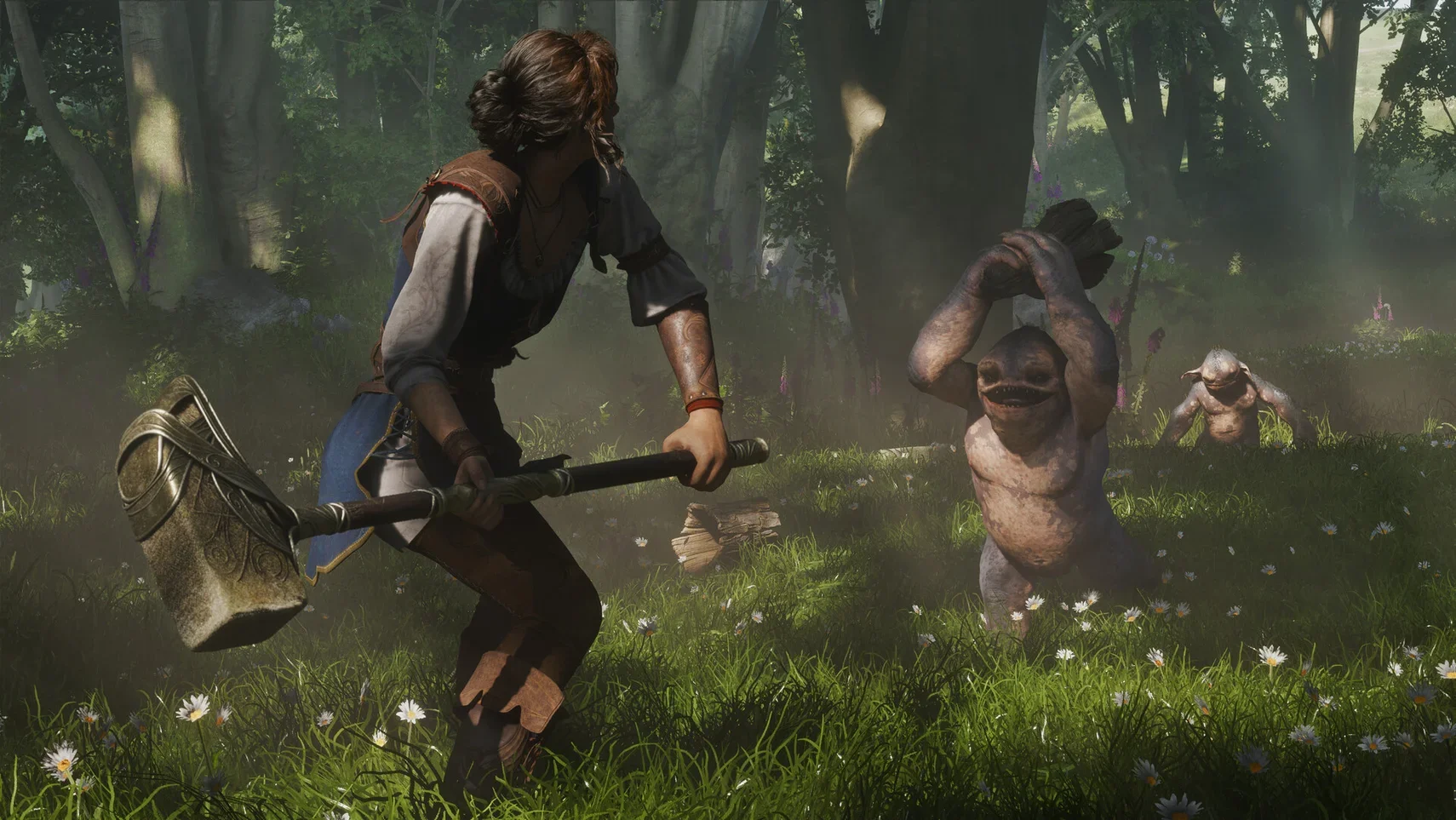
The gaming landscape is defined as much by its release calendars as it is by the code running on our consoles. In a strategic shift that underscores the immense pressure of the modern blockbuster era, Xbox has officially announced that the highly anticipated Fable reboot, developed by Playground Games, will be pushed back from its previously slated Autumn 2026 window to a new release date in February 2027.
This decision, while disappointing to fans eager to return to the whimsical and dangerous world of Albion, represents a calculated maneuver by Microsoft to protect one of its most prized intellectual properties from the gravitational pull of the industry’s biggest upcoming titan: Grand Theft Auto 6.
The Core Decision: Protecting a Flagship Title
The confirmation of the delay came via an official communication from Xbox, which framed the move as a necessity for "planning our game launches through the holidays in a way that works best for players." The primary motivation is to ensure that Fable—a cornerstone of the Xbox brand—receives the "dedicated moment it deserves."
In an industry where marketing noise and consumer attention are finite resources, the arrival of a Grand Theft Auto title is an event that essentially consumes the entire oxygen supply of the gaming ecosystem. Matt Booty, Xbox’s Chief Content Officer, addressed the situation during a recent episode of the official Xbox podcast, providing a candid look into the company’s decision-making process.
"I think it’s cool that one of the biggest entertainment moments of the year is going to be a video game," Booty remarked, acknowledging the industry-wide anticipation for Rockstar Games’ next installment. "But let’s take all of that and put it together of what it really means for us."
By shifting Fable into the early months of 2027, Xbox is effectively avoiding a "David vs. Goliath" scenario where their high-fantasy RPG would be forced to fight for mindshare against the cultural juggernaut that is GTA 6. Booty emphasized that the game is currently "in great shape," dispelling fears that the delay is linked to development woes. Instead, the narrative is one of strategic patience—prioritizing the long-term health of the Fable franchise over the short-term goal of hitting a 2026 holiday target.
A Chronology of Anticipation and Setbacks
The road to the new Fable has been a long, winding journey, marked by both excitement and the realities of modern AAA game development. To understand the gravity of this delay, one must look at the timeline of the reboot’s lifecycle.
- 2016: The End of an Era: The original creator of the series, Lionhead Studios, was shuttered by Microsoft, leaving the franchise in limbo. The last entry, Fable: The Journey, had been released in 2012, and many fans assumed the series had been permanently shelved.
- 2020: The Resurrection: After years of rumors, Xbox officially teased the reboot during their July 2020 showcase, confirming that Playground Games—the studio behind the critically acclaimed Forza Horizon series—would be at the helm.
- 2025: The Initial Target: Early projections and industry speculation pointed toward a 2025 release. However, as the scope of the project solidified, it became clear that the team required more time to deliver on their vision.
- January 2026: The Autumn Goal: Playground Games officially announced an Autumn 2026 window, setting expectations for a late-year release.
- Present Day (2024/2025): The February 2027 Shift: Citing the need for the game to stand on its own merits, Xbox moved the target to February 2027.
This history reveals a recurring theme: Microsoft is consistently choosing to delay Fable rather than risk a sub-par launch. While these delays test the patience of the community, they also signal a departure from the "crunch-culture" releases that have plagued the industry in recent years.
The Weight of Expectation: A Reboot, Not a Remake
It is critical to distinguish what this project actually is. Playground Games has been clear: this is a full-scale reboot of the franchise, not a simple remake of the original trilogy.
The Fable series is beloved for its satirical take on classic fairy tales, its morality system that shifts the character’s appearance based on their deeds, and the iconic, dry British humor that permeated every corner of the map. By "rebooting" the series, Playground Games has the freedom to modernize the combat mechanics, expand the world-building, and implement contemporary technical standards, all while hopefully preserving the soul that made the original games so endearing.
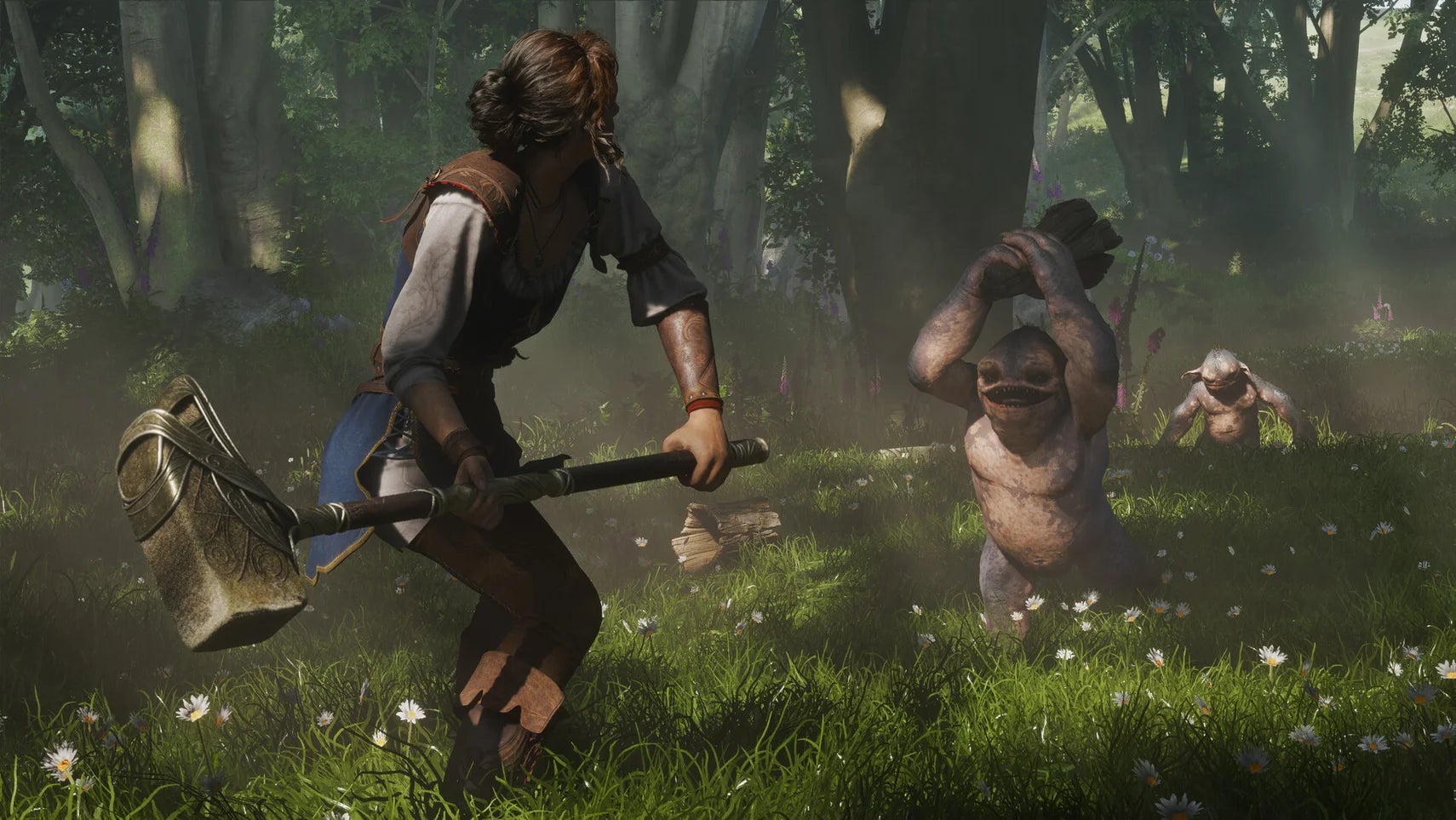
The challenge, however, is immense. They are not just building a game; they are reviving a legacy. The original Fable titles, led by the visionary Peter Molyneux, were products of a specific era of game design. Adapting that "personality" for a modern, global audience requires a delicate balance of innovation and nostalgia.
Supporting Data: Why "Moments" Matter in Modern Gaming
The decision to move Fable isn’t just about avoiding GTA 6; it’s about the economics of the "Games-as-a-Service" and "Blockbuster" eras. Data from the last decade suggests that games launched in the crowded Q4 window (October to December) often suffer from "visibility fatigue."
- Market Saturation: During the holidays, consumers are bombarded with aggressive marketing campaigns for multiple AAA titles simultaneously. A game that does not have the sheer brand momentum of a Call of Duty or a Grand Theft Auto can easily get lost in the noise.
- Review and Sentiment Aggregation: A game’s initial review scores and user sentiment are crucial for long-term sales. By launching in a quieter window (like February), a game is more likely to be the "sole focus" of critics, streamers, and the gaming press. This leads to a more concentrated, positive discourse, which in turn drives sustained sales.
- Resource Allocation: Microsoft’s internal data regarding Xbox Game Pass engagement shows that players tend to gravitate toward games that are currently being "discussed." By giving Fable its own dedicated window, Microsoft ensures that they can focus their internal marketing budget and platform promotion entirely on this title, rather than splitting their resources across several high-profile holiday releases.
Official Responses and Strategic Vision
Matt Booty’s commentary on the Xbox podcast serves as a window into the current philosophy of Microsoft Gaming. He stressed that the June 7 Xbox Showcase will remain focused squarely on games, not hardware or the broader, often-confusing "strategy" updates that have occasionally frustrated the fanbase in the past.
"For the long term, we want to make the right decisions, not fast decisions," Booty stated. This is a clear signal to shareholders and fans alike: Xbox is willing to trade short-term quarterly performance for the sake of long-term brand health.
Furthermore, the commitment to showing more of Fable during the upcoming Showcase is intended to reassure the community that, despite the delay, the game is progressing steadily. The showcase will likely provide a deeper look at gameplay mechanics, the visual fidelity of the new engine, and perhaps a clearer sense of the tone the team is aiming to achieve.
Implications for the Future of Xbox
The implications of this delay are profound for both the studio and the platform:
- Pressure on Playground Games: Having now been given additional time, the expectations for the final product have effectively doubled. Fans will no longer accept "good"—they will demand a technical and narrative masterpiece that justifies the years of anticipation.
- Xbox’s First-Party Strategy: The move demonstrates that Xbox is no longer willing to release "unfinished" or "rushed" games just to fill a fiscal calendar. This is a positive development for quality control but places significant pressure on the studio to deliver when the time finally comes.
- The February "Sweet Spot": February has historically been a successful month for high-profile releases (recent examples include Elden Ring and Helldivers 2). By claiming this territory, Xbox is hoping to replicate that success, positioning Fable as the must-play game of early 2027.
Conclusion: A Gamble on Quality
The delay of Fable is a testament to the fact that the video game industry is undergoing a maturation process. The era of shipping products regardless of readiness is slowly giving way to a more strategic, albeit frustrating, approach to scheduling.
While February 2027 feels like a lifetime away for fans who have been waiting for a return to Albion since 2016, the rationale is sound. In the shadow of a game as monumental as Grand Theft Auto 6, even the most promising titles risk being eclipsed. By stepping aside, Xbox is not admitting defeat; they are choosing to fight on their own terms.
Whether Fable can live up to the weight of this extended development cycle remains to be seen. However, for a franchise that has been dormant for over a decade, a few extra months of polish is a small price to pay for the chance to reclaim its former glory. As we look toward the June Showcase, the industry will be watching closely, waiting to see if the magic of Albion can truly be rekindled for a new generation.

 Nana Muazin
 Laily UPN