

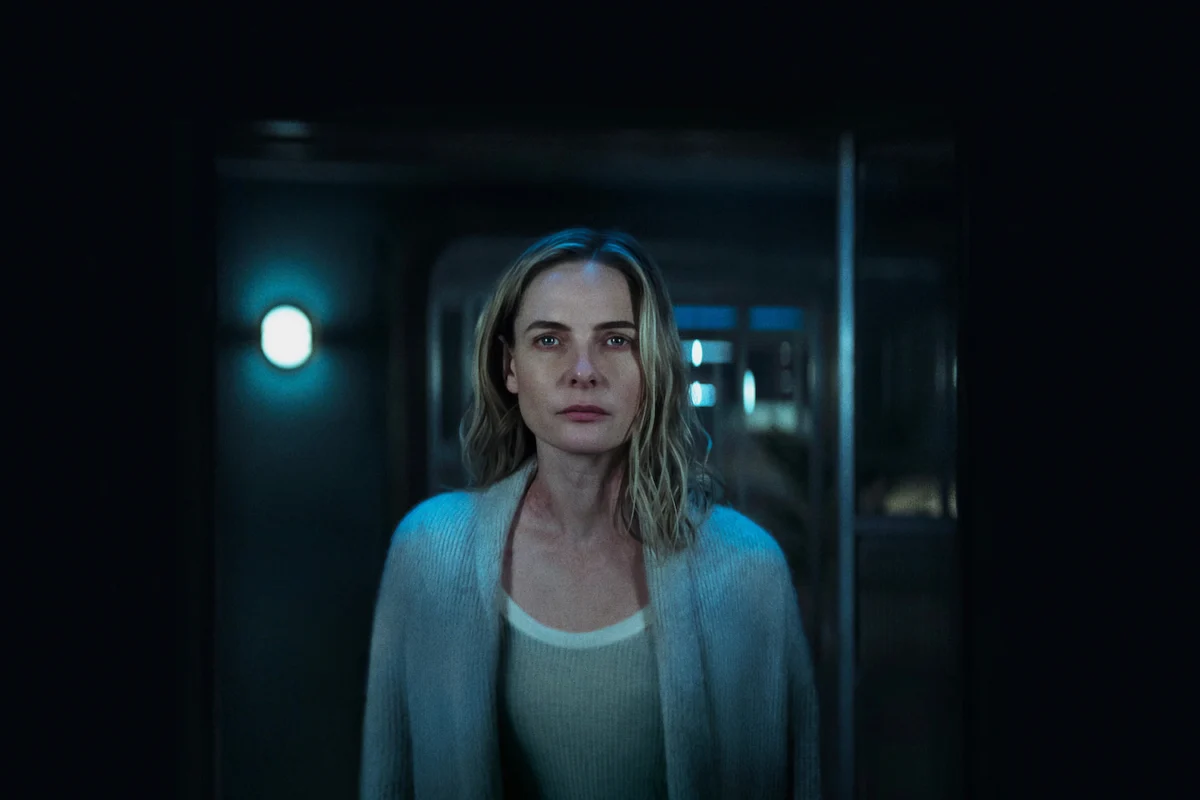
The subterranean world of Apple TV+’s Silo is expanding, both in scope and in the gravity of its existential threats. As fans prepare for the highly anticipated third season, set to premiere on July 3rd, the series promises a deeper exploration into the fractured history of its dystopian landscape. With the narrative branching into both the aftermath of a localized rebellion and the long-forgotten "Before Times," the stakes have never been higher for the 10,000 souls confined to the silo.
Main Facts: The Return to the Underground
Juliette Nichols, portrayed with a stoic, weary intensity by Rebecca Ferguson, remains the central anchor of the series. Following the harrowing conclusion of the second season, which saw Juliette survive her forced "cleaning"—a sentence that typically acts as a death warrant—the third season picks up with the protagonist in a precarious state. Not only must she grapple with the physical toll of her survival, but she returns to the fold suffering from profound memory loss, a narrative device that complicates her ability to navigate the shifting political landscape of the silo.
The show, adapted from Hugh Howey’s acclaimed New York Times bestselling trilogy, continues to balance the claustrophobic tension of life underground with the sprawling, systemic conspiracies that govern it. The upcoming season aims to bridge the gap between the present-day struggles of the silo and the catastrophic events that necessitated its construction centuries ago.
Chronology: A Dual-Narrative Approach
Season three of Silo adopts a bifurcated timeline, a structural choice that seeks to provide historical context for the bleak reality of the present.
- The Present: In the wake of a failed rebellion, the silo is a powder keg. Juliette’s return, marked by her amnesia, forces her to re-learn the secrets she previously uncovered, essentially forcing the audience to revisit the mystery from a fresh, albeit frustrated, perspective. The society is now facing a "dangerous new threat" that challenges the status quo of the leadership and the remaining population.
- The Before Times: Perhaps the most compelling addition to the narrative is the introduction of the origin story. Centuries prior to the current timeline, viewers are introduced to journalist Helen Drew (Jessica Henwick) and Congressman Daniel Keene (Ashley Zukerman). Their investigation into a burgeoning conspiracy serves as the catalyst for the world’s collapse, effectively documenting the "chain of events with catastrophic, irreversible consequences" that led to the silo’s creation.
This dual structure allows for a thematic resonance where the hubris of the past directly informs the misery of the present. As the trailer intones, "The end of the world cannot be stopped; it can only be survived."
Supporting Data: The Talent Behind the Lens
While the narrative pacing has drawn both praise and criticism—specifically regarding the show’s tendency to lean into the slow-burn misery of its characters—the production value and acting caliber remain the series’ primary pillars of strength.
Key Returning Cast
- Rebecca Ferguson: As Juliette, she continues to carry the series, grounding its more fantastical elements in a palpable, human exhaustion.
- Harriet Walter: Her inclusion in the cast has been widely lauded by critics, providing a level of gravitas that elevates the show’s ensemble work.
- Alexandria Riley: Her portrayal of a woman navigating the power dynamics of a patriarchal, restrictive society has been a standout performance of the series.
- The Supporting Ensemble: The returning cast features a robust list of talent, including Common, Chinaza Uche, Avi Nash, Shane McRae, Remmie Milner, Rick Gomez, Billy Postlethwaite, and Clare Perkins. Steve Zahn also returns, continuing his role from the previous season.
New Additions
The third season expands its roster with the introduction of several high-profile actors, including Laura Innes, Jessica Brown Findlay, Morven Christie, Reed Birney, Matt Craven, and Colin Hanks. The addition of such a diverse range of talent suggests a widening scope for the show’s secondary plotlines.
Official Responses and Production Insights
Apple TV+ has been vocal about the ambition behind this third installment. The network’s official synopsis highlights the transition from a character-focused survival drama to an epic mystery that spans generations. By shifting focus to the "Before Times," the creators are attempting to flesh out the lore of the Silo universe, moving beyond the immediate, claustrophobic concerns of the present-day characters to address the "why" behind their imprisonment.
The production team has leaned heavily into the visual contrast between the two eras. While the "Before Times" scenes are characterized by a dour, impending sense of doom, the present-day silo scenes—specifically those involving planning and infrastructure—utilize a brighter, more clinical aesthetic. This contrast serves to highlight the irony of a society that is both "green and beautiful" and "doomed forever," a duality that has become the hallmark of the show’s visual storytelling.
Implications: A Future Beyond the Silo
The most significant implication for the franchise is the confirmed renewal for a fourth season. This ensures that the current narrative threads, particularly the mystery surrounding Juliette’s memory loss and the revelations of the past, will have ample room to breathe.
Plot Fatigue vs. World-Building
There has been an ongoing debate among fans and critics regarding the show’s pacing. Some viewers have expressed frustration with the use of forced memory loss, viewing it as a narrative stalling tactic designed to stretch a finite story across multiple seasons. However, the depth of the world-building—evidenced by the inclusion of site maps, the intricate history of the "Before Times," and the complex social hierarchy—suggests that the show is aiming for a level of depth rarely seen in post-apocalyptic television.
Thematic Weight
The core of Silo remains the question of truth. In a society where information is controlled, history is rewritten, and the outside world is a subject of constant debate, the journey of the characters is inherently political. By introducing figures like Congressman Daniel Keene, the show is drawing clear parallels between the failure of political institutions in the past and the stagnation of the silo in the present. The implication is clear: the silo is not merely a bunker; it is a museum of human failure, preserved and maintained by the very people who have the most to lose if the truth is ever fully revealed.
What to Expect on July 3rd
As the premiere approaches, the audience should expect a departure from the singular focus on Juliette. The inclusion of the "Before Times" will likely demand more from the viewer, as the narrative shifts between the existential dread of the past and the political machinations of the present. With a larger cast and an expanded timeline, Silo is positioning itself as a cornerstone of prestige science fiction, one that is willing to trade rapid pacing for a slow, methodical, and often punishingly detailed examination of what it means to be the last, or perhaps the only, survivors of a lost civilization.
In conclusion, Silo season three stands at a crossroads. It has the backing of a brilliant cast and a high-budget production, yet it faces the challenge of sustaining interest while managing the pacing concerns that have dogged the series since its inception. Whether the "Before Times" origin story provides the necessary momentum to carry the show toward its fourth season remains to be seen. However, one thing is certain: for those invested in the mystery of the silo, the journey is far from over.











No comments yet. Be the first to join the conversation!