

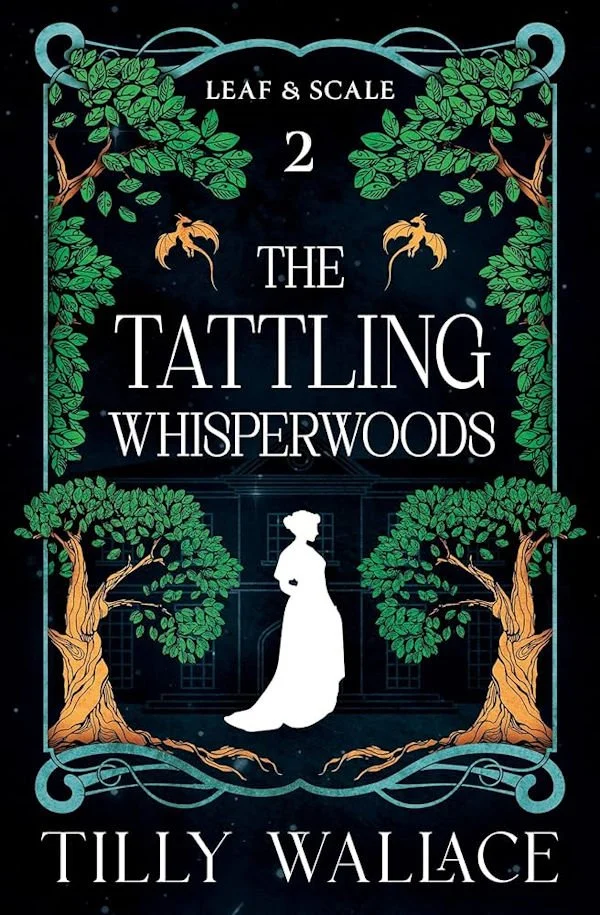
In the serene, secluded village of Drake’s Bend, the boundary between the natural world and the supernatural has long been defined by a sacred grove. For generations, the ancient trees of the Whisperwoods have served as silent confidants, offering counsel to those who dared to share their burdens. However, the delicate ecological and magical balance of this enclave has suffered a catastrophic disruption. The trees, once benign repositories of wisdom, have turned venomous, twisting sacred confidences into weapons of betrayal that threaten to dismantle the very fabric of the community.
This harrowing turn of events serves as the backdrop for The Tattling Whisperwoods, the highly anticipated second installment in the Leaf and Scale series. As old friendships dissolve under the pressure of revealed secrets and a mysterious illness begins to ravage the village populace, the stakes for the inhabitants of Drake’s Bend have never been higher.
Chronology of a Crisis: From Counsel to Contagion
The transformation of the Whisperwoods did not happen overnight, yet its effects have been immediate and devastating. The narrative timeline begins with the initial reports of "toxic" arboriculture—trees that no longer absorb secrets but rather amplify and weaponize them.
- The Inversion: The first phase of the crisis saw private admissions, once safely held by the sentinels, leaking back into public discourse. The psychological toll on the villagers was instantaneous, as long-held grudges surfaced and social cohesion began to fracture.
- The Biological Toll: Concurrent with the social breakdown, a mysterious, debilitating illness began to spread through Drake’s Bend. It is suspected that the corruption of the grove’s magic has manifested physically, turning the village’s source of spiritual health into a vector for disease.
- The Societal Ripple Effect: The corruption has not remained contained within the village borders. Reports indicate that the twisted secrets emanating from the woods have reached the highest echelons of London society, threatening to turn a local tragedy into a national scandal.
- The Race Against Time: Enter Fern, a botanist and the series’ protagonist, who finds herself at the center of the investigation. The timeline currently tracks her efforts to identify the source of the poison—both literal and metaphysical—before the ancient sentinels are destroyed by a public clamoring for their silence.
Supporting Data: Character Dynamics and World-Building
Critics and readers alike have noted that The Tattling Whisperwoods represents a significant maturation of the Leaf and Scale series. While the first book established the foundation, this second volume exhibits a more assured tone and tighter pacing.
The Protagonist: Fern’s Multi-Faceted Agency
Fern continues to subvert the expectations placed upon women of her era. As a botanist marked by the shadow of London scandal, she occupies a unique space. She is not a traditional heroine; she is a strategist. Her character arc is defined by her ability to weaponize her own "scatterbrained" reputation, using charm and performative helplessness to navigate social barriers. However, the narrative does not shy away from her flaws. Her propensity to misjudge others and her subsequent, often reluctant, admissions of error provide a refreshing, Austen-esque layer of realism to her development.
The Mechanics of Magic
Unlike other works in the genre, The Tattling Whisperwoods treats magic as a tangible, woven element of daily life. The inclusion of witches, enchanted creatures, and dragons is handled with a grounded approach. Notably, the recovery arc of an injured dragon provides a poignant look at the "quiet realism" of care. Rather than relying on sudden magical interventions, the recovery is depicted through the slow, arduous process of physical rehabilitation—from wheelbarrows to tentative steps. This detail adds a layer of emotional warmth that distinguishes the series from more high-octane fantasy tropes.
Found Family and Inclusion
The community of Drake’s Bend is presented as a pillar of strength. The support provided by Fern’s uncles and the blossoming friendship with the character Millie—who navigates the world with a different sensory experience—highlights the series’ commitment to diverse perspectives. The inclusion of neurodivergent-coded traits in Millie’s character is handled with a matter-of-fact grace, ensuring that the village feels like a lived-in, authentic community rather than a mere setting for plot devices.
Official Perspectives and Critical Reception
The critical consensus suggests that The Tattling Whisperwoods is a superior follow-up, successfully balancing "cosy fantasy" elements with the genuine tension of a mystery thriller.
"The plot gives the story shape, yet it’s the people, their relationships, and the quiet rhythms of village life that truly carry it," notes series analyst Julia Kitvaria Sarene. According to Sarene, the book successfully avoids the trap of becoming "static or sleepy," despite its focus on village life. The presence of "exploding kettles," magical mishaps, and sharp, witty banter ensures that the narrative maintains a steady, engaging momentum.
The romance arc, featuring a brooding, dragon-marked recluse, is also receiving praise for its subtlety. By leaning into quiet understanding rather than the dramatic, sweeping gestures typical of the romance genre, the author has created a partnership that feels earned. Fern’s role as the active initiator in the relationship has been cited as a standout moment of character consistency.
Implications: The High Cost of Awakening Secrets
The central tension of the book—the idea that some secrets are meant to remain buried—serves as a cautionary tale for the residents of Drake’s Bend. The threat of losing the ancient sentinels forever acts as a metaphor for the loss of heritage and the danger of unchecked progress.
As Fern delves deeper into the rot affecting the grove, the implications for the future of British magic are dire. If the Whisperwoods are silenced, a link to the ancient history of the region will be severed permanently. The narrative poses a difficult ethical question: Is the price of truth worth the destruction of a legacy?
Fern’s journey is not merely one of botanical discovery; it is a moral struggle. She must balance her desire to heal the trees with the knowledge that uncovering the truth behind the venomous whispers could result in the destruction of the very life she has built in the village.
Conclusion: A Triumph of Character-Driven Fantasy
The Tattling Whisperwoods stands as a testament to the power of character-driven storytelling within the fantasy genre. By prioritizing the emotional landscapes of its villagers alongside the magical instability of their environment, the book achieves a rare balance of comfort and suspense.
For readers who have followed Fern’s journey, this installment offers a deeper, more nuanced look at a world where magic is as fragile as the people who rely on it. It is a story about community, the stubborn persistence of hope, and the courage required to be oneself in a world that often demands conformity. As the villagers of Drake’s Bend face their greatest trial yet, they do so with the support of a protagonist who understands that while love and effort cannot fix everything overnight, they are the only tools capable of weathering the storm.
Ultimately, the success of The Tattling Whisperwoods lies in its ability to remind us that even when the trees start talking back, the most important work happens in the quiet moments between people. It is a masterful, playful, and deeply affecting addition to contemporary fantasy literature.









No comments yet. Be the first to join the conversation!