Pevita Pearce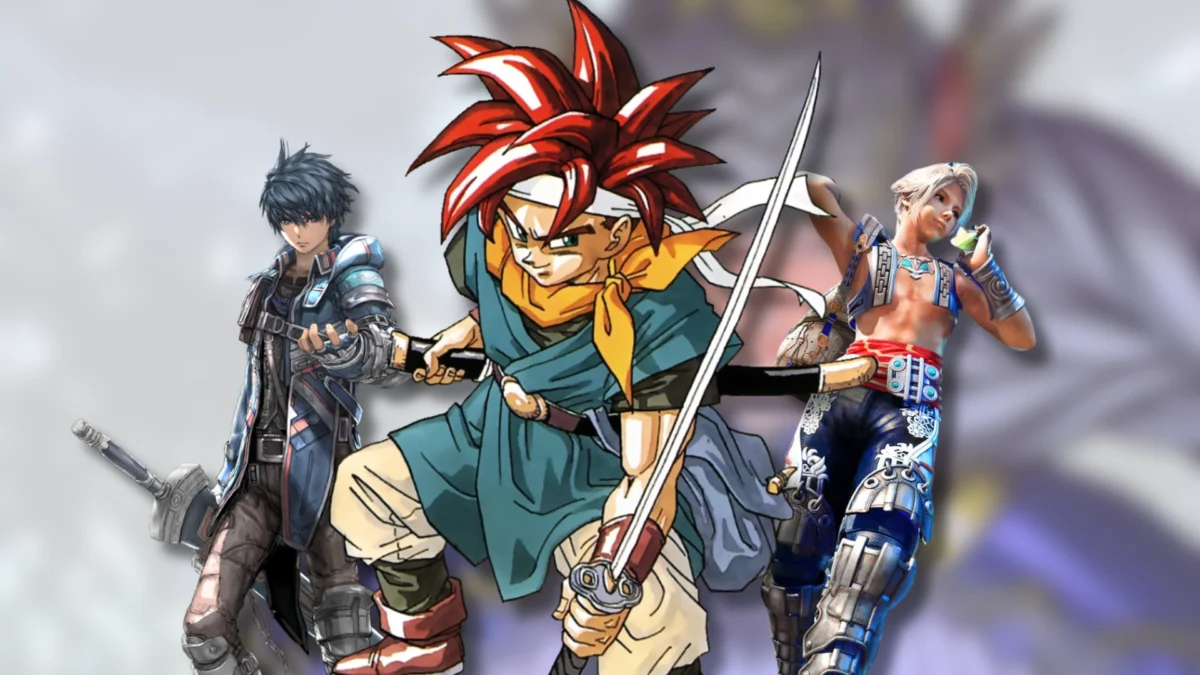
Japanese Role-Playing Games (JRPGs) have long captivated players with their intricate narratives and profound character development. While Western RPGs often prioritize external conflict and the evolution of characters through their experiences, JRPGs delve deeper into the internal struggles and transformations of their protagonists as they navigate external crises. This inherent focus on internal conflict and character growth is a hallmark of the genre, resonating deeply with players who cherish witnessing their characters evolve throughout their journeys.
A significant aspect of this narrative design is the emphasis placed on party members. In many JRPGs, the expansive cast of characters accompanying the player can sometimes eclipse the protagonist in terms of narrative importance. This isn’t to say the main character is poorly written, but rather that the depth, complexity, or sheer charisma of supporting characters can lead them to "steal the show," becoming more memorable and impactful than the player’s avatar. This phenomenon highlights the rich tapestry of storytelling that JRPGs offer, where even the seemingly secondary figures can carry immense narrative weight.
This article explores several JRPGs where this dynamic is particularly evident, examining how certain side characters rise to prominence, often becoming the true heart of the narrative.
The Enduring Allure of Internal Conflict in JRPGs
The distinction between JRPGs and Western RPGs, particularly in narrative focus, is a well-observed phenomenon. While both genres aim to immerse players in compelling worlds and engaging stories, their approaches diverge significantly. Western RPGs often present a more player-driven experience, allowing for a high degree of freedom in shaping the protagonist’s destiny and engaging with external forces. Character development in these titles is frequently tied to the player’s choices and their impact on the external world.
Conversely, JRPGs tend to lean into a more directed narrative, guiding the player through a pre-defined story arc. The true magic lies in observing how the characters, including the protagonist, grapple with their internal demons, past traumas, and evolving worldviews as they confront overarching threats. This introspective journey, coupled with the vibrant personalities of a diverse cast, creates a unique emotional resonance. The relationships forged within the party, the shared struggles, and the individual growth arcs all contribute to a deeply personal experience, often making players feel as though they are not just controlling a character, but truly understanding and empathizing with them.
This emphasis on internal conflict and character evolution is precisely what draws many players to the JRPG genre. The satisfaction of seeing a character overcome their insecurities, learn from their mistakes, and grow into a more resilient or compassionate individual is a powerful motivator. When this development is shared with a compelling ensemble cast, the narrative becomes even richer, offering multiple perspectives and emotional anchor points.
When the Supporting Cast Takes Center Stage
The following selections represent games where the narrative weight, player emotional investment, or sheer memorability of side characters often rivals, or even surpasses, that of the designated protagonist. These games, through their design and storytelling, exemplify how a well-crafted ensemble can elevate a JRPG from a good experience to an unforgettable one.
Suikoden II: A Symphony of Loyalty and Betrayal
Released: September 29, 1999
Developer: Konami
Publisher: Konami
Genre: JRPG
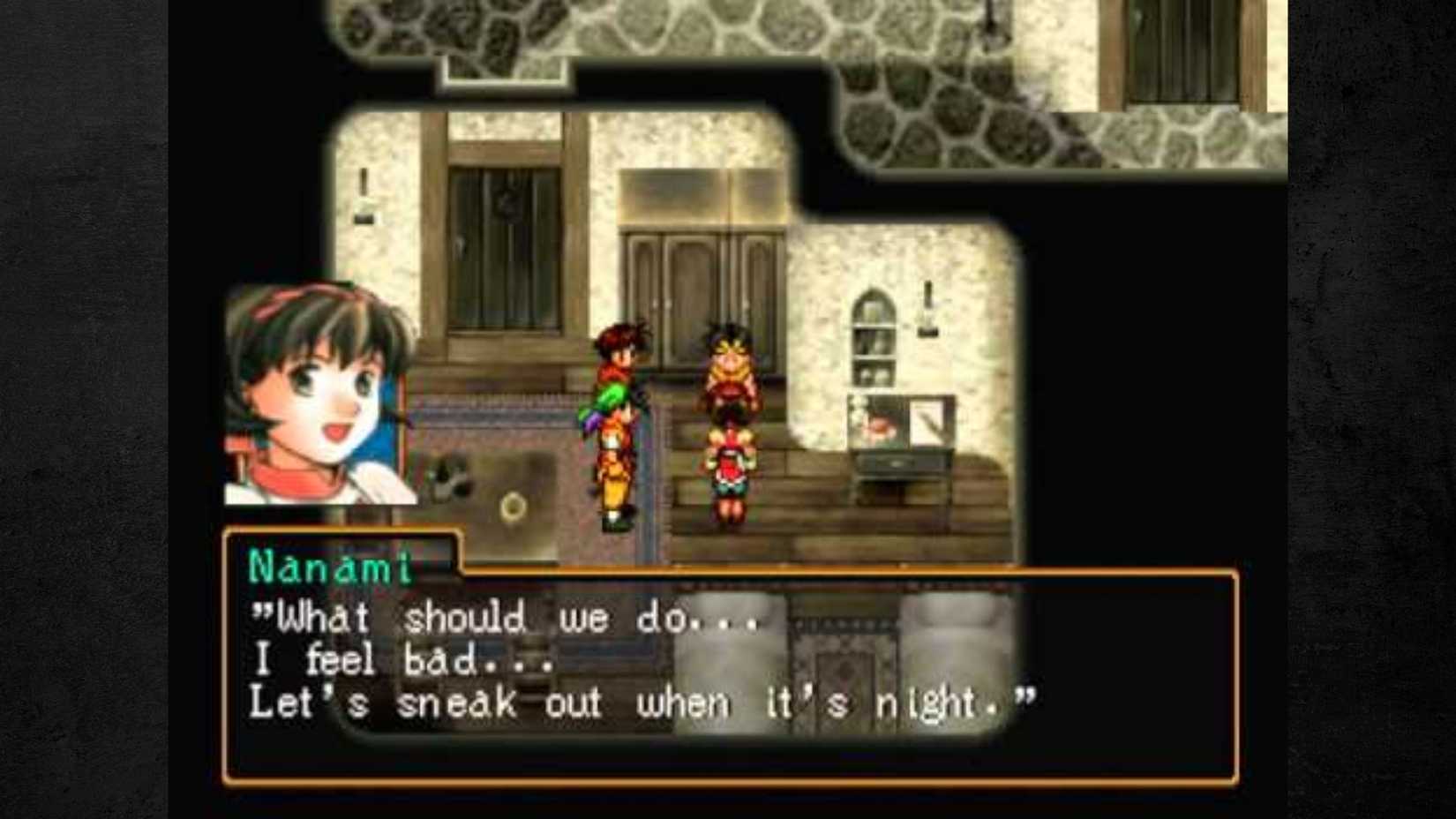
Often lauded as a masterpiece of the PlayStation era, Suikoden II distinguishes itself with a mature and politically charged narrative that eschews typical fantasy tropes. Players assume the role of Riou, a young man thrust into leadership of a resistance movement amidst a brutal war. However, Riou is a silent protagonist, designed as a vessel for the player. This narrative choice, while enabling player immersion, necessitates external characters to drive the plot forward and vocalize the emotional core of the story.
The game’s strength lies in its sprawling cast of 108 Stars of Destiny, each with their own unique backstory and motivations. Among this vast ensemble, characters like Flik, a fiery and loyal warrior, and Viktor, a gruff but dependable mercenary, quickly become indispensable. Yet, it is Jowy Atreides, Riou’s childhood friend and a pivotal figure in the opposing Highland army, who truly embodies the narrative’s emotional complexity. Their intertwined destinies, fraught with loyalty, betrayal, and a shared sense of duty, form the emotional bedrock of Suikoden II. The player’s journey as Riou often feels like a reactive one, driven by the actions and dilemmas of these more vocal and opinionated characters. Their internal conflicts and moral quandaries become the player’s own, making them feel as though they are not just controlling Riou, but experiencing the war and its consequences through the eyes of those who actively shape it. The profound tragedy of the conflict is amplified by the personal stakes of these characters, often overshadowing Riou’s more passive role.
Dragon Quest IV: Chapters of the Chosen – A Mosaic of Journeys
Released: February 11, 1990
Developer: Spike Chunsoft
Publisher: Square Enix
Genre: JRPG
Dragon Quest IV revolutionized the franchise with its innovative "Chapters of the Chosen" structure. The game unfolds across multiple distinct acts, each focusing on a different protagonist before they ultimately converge to face a looming evil. This episodic approach allows for a rich exploration of diverse characters and their individual struggles. Players experience the world through the eyes of Ragnar, a valiant knight; Alena, a spirited princess; Torneko, a tenacious merchant; and the tragic sisters, Nene and Maya.
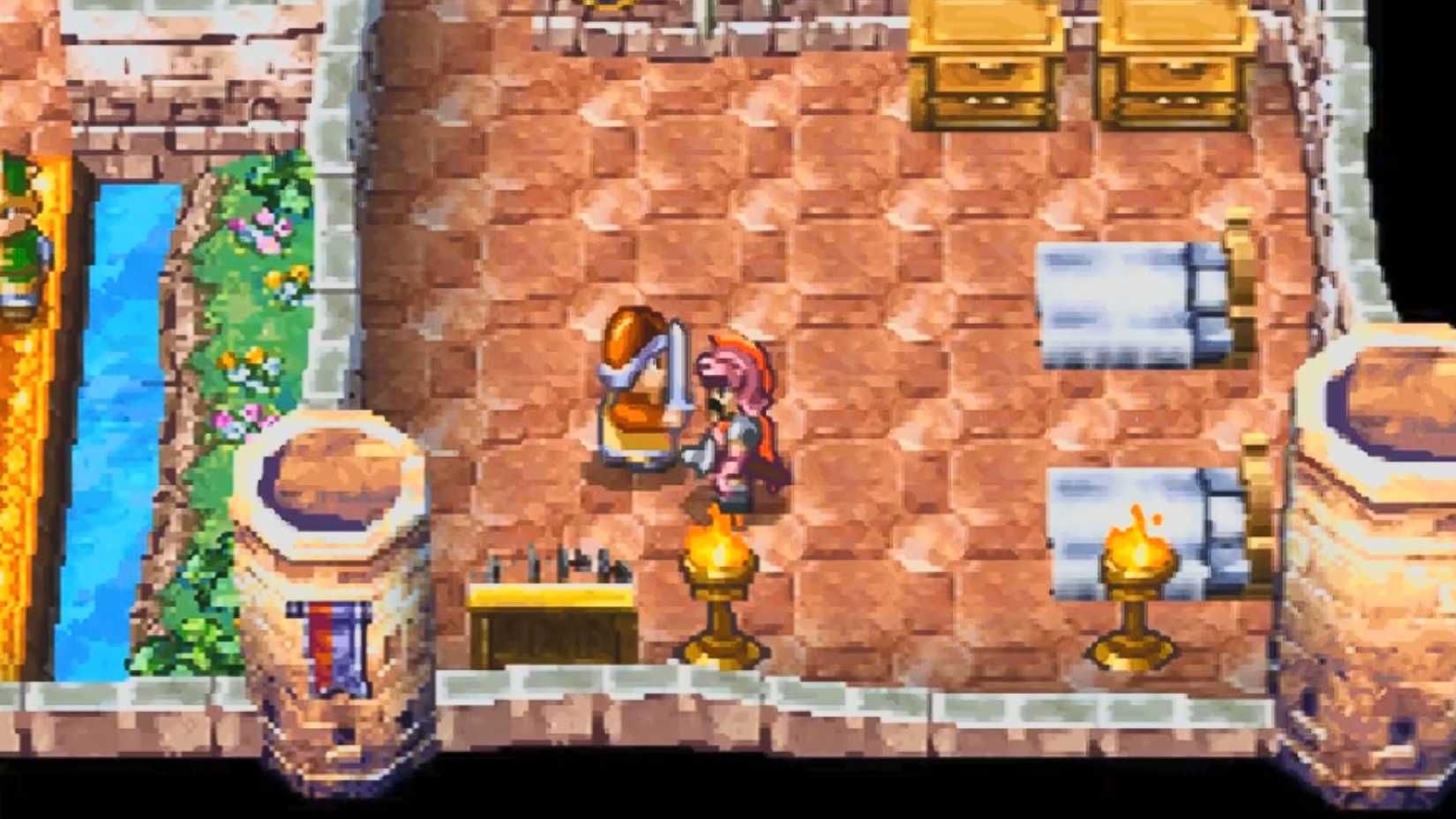
While the Hero/Heroine eventually assumes the central role, the preceding chapters imbue the entire party with a profound sense of importance. In each individual chapter, the protagonists, though silent in their gameplay segments, are given voice through their interactions and the unfolding events. The narrative is propelled by their unique perspectives and personal quests, making their eventual union feel earned and significant. Even after the party coalesces, the supporting characters often take the narrative reins, acting as the primary conduits for world-building and emotional expression. Their dialogue, reactions, and personal reflections often articulate the player’s own thoughts and feelings about the unfolding events. This is particularly evident in Dragon Quest IV, where the initial focus on individual characters ensures that no single hero feels entirely paramount. The Hero’s primary narrative function is often reactive, responding to the threats posed by the antagonist Psaro, while the other characters provide the context, motivation, and emotional depth that truly drive the player’s engagement. The DS version’s prologue, which introduces the named character earlier, does little to diminish the shared weight carried by the entire ensemble.
Chrono Trigger: A Time-Traveling Ensemble of Heroes
Released: March 11, 1995
Developer: Square Enix
Publisher: Square Enix
Genre: RPG
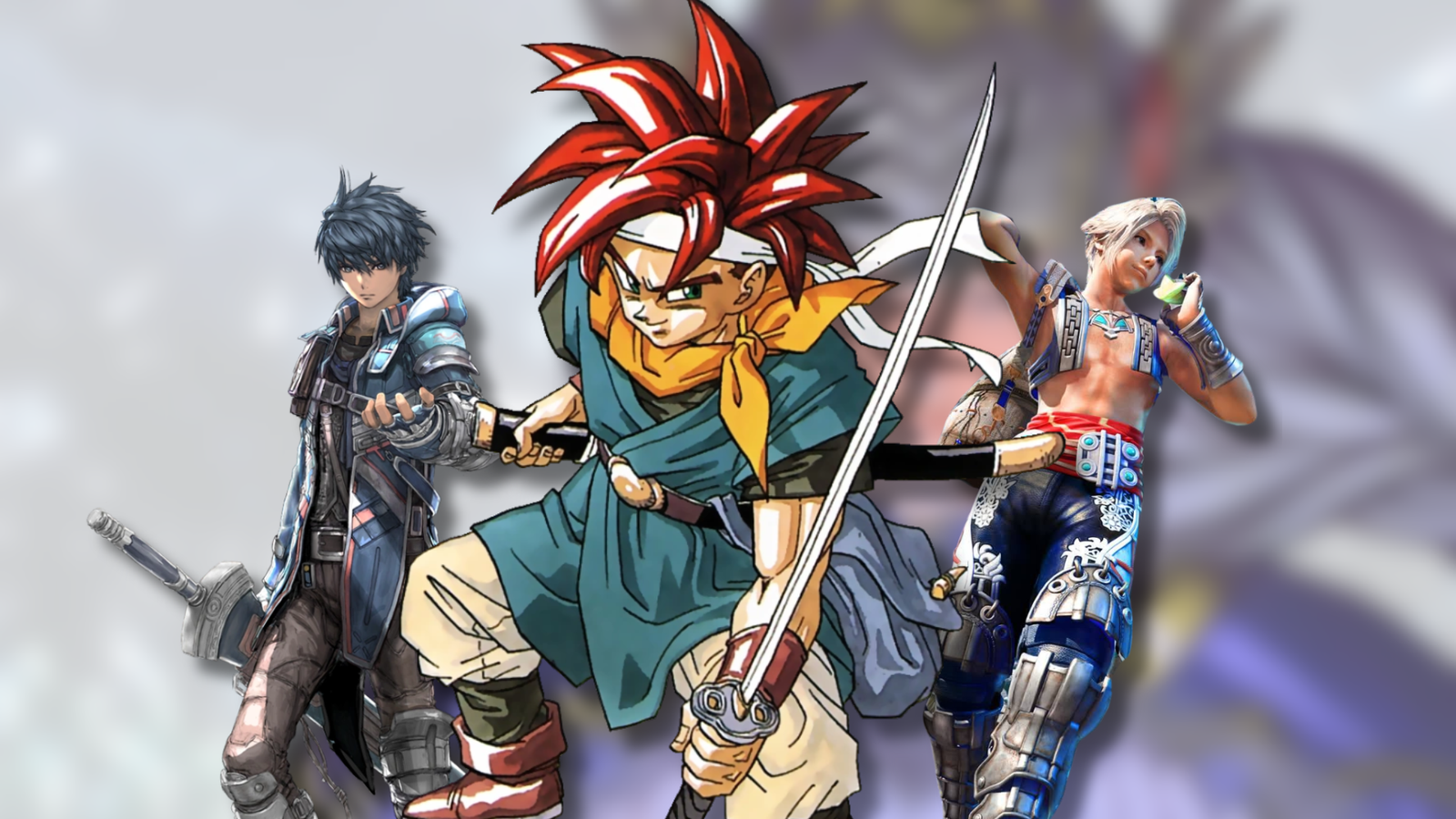
Widely regarded as one of the greatest JRPGs of all time, Chrono Trigger is a testament to masterful storytelling and character development. Crafted by a legendary development team, the game weaves a compelling narrative across different eras, driven by a cast of unforgettable characters. While Crono, the courageous protagonist, is the catalyst for the time-traveling adventure, his silent nature and player-insert design often allow other party members to shine brighter.
Crono’s bravery is undeniable; his willingness to save Marle and recruit a diverse band of misfits from across time is the driving force of the plot. However, beyond his heroic deeds, he lacks the distinct personality that makes characters like Frog, the chivalrous knight cursed with amphibian form, or Lucca, the brilliant and resourceful inventor, so captivating. The game’s genius lies in its ability to make even a silent protagonist pivotal. The fact that the party can ultimately succeed in saving the future even if Crono perishes highlights how the collective efforts and individual arcs of characters like Frog, Lucca, Robo, and Ayla are equally, if not more, central to the game’s emotional impact. Their struggles, their growth, and their unique contributions to the quest often resonate more deeply with players than Crono’s stoic determination. The game masterfully balances Crono’s role as the player’s avatar with the rich, individual narratives of his companions.
I Am Setsuna: The Weight of Sacrifice and the Spectator Protagonist
Released: February 18, 2016
Developer: Tokyo RPG Factory
Publisher: Square Enix
Genre: JRPG
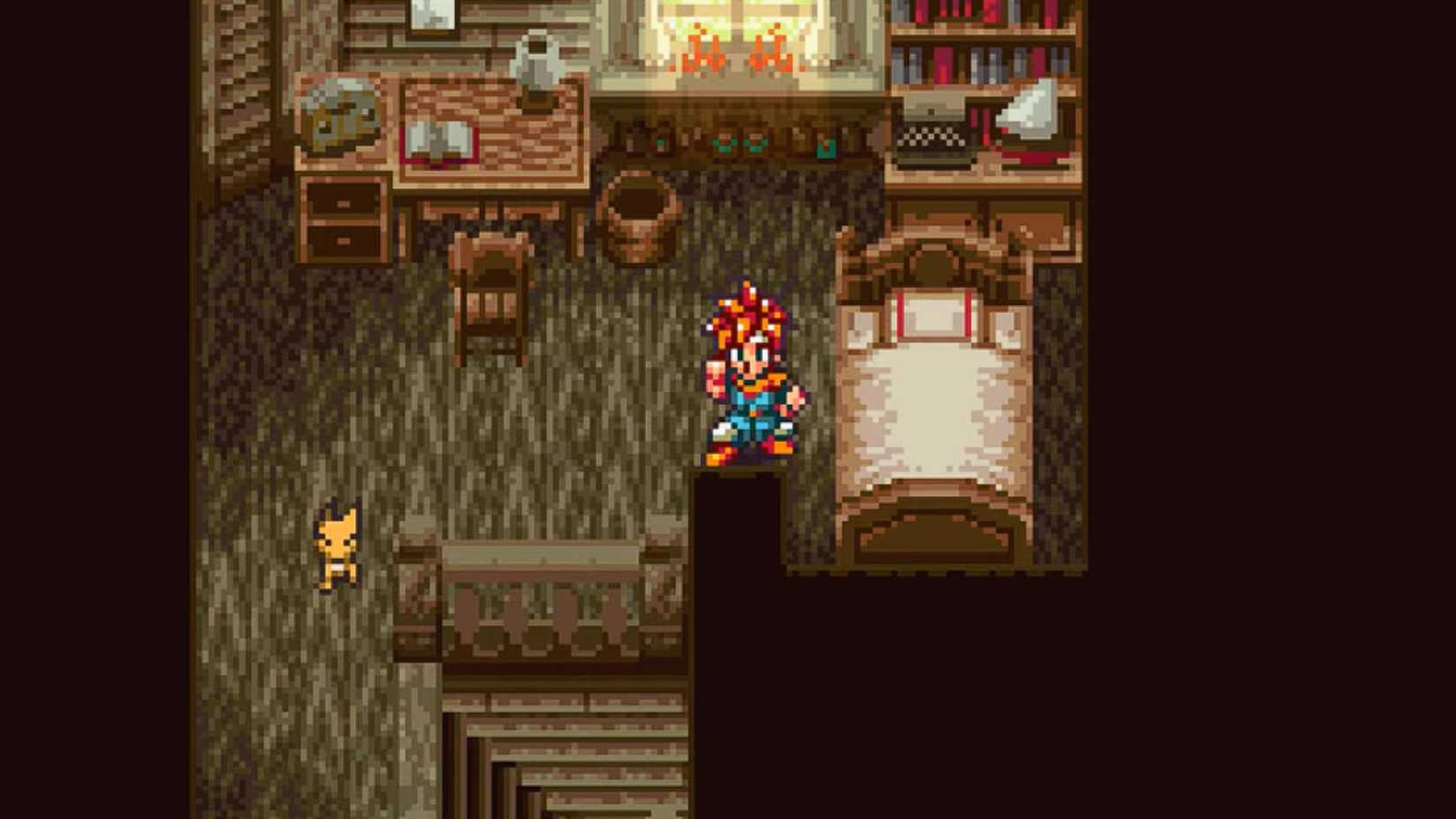
Developed by Tokyo RPG Factory with the explicit intention of recapturing the magic of classic JRPGs like Chrono Trigger, I Am Setsuna delivers a combat system that successfully evokes its inspirations. However, the narrative, while poignant, centers heavily on the titular character, Setsuna, with the protagonist, Endir, often feeling more like a hired escort than a central figure.
The game’s premise revolves around Endir, a mercenary accompanying Setsuna on a perilous journey to a remote land for a ritualistic sacrifice to appease monstrous forces. While Endir is stoic and capable, his role is largely reactive. He observes, he protects, but he rarely drives the narrative’s emotional core in the way a more vocal protagonist might. The game’s title, "I Am Setsuna," immediately signals where the narrative focus truly lies. This contrasts sharply with protagonists like Tidus from Final Fantasy X, who actively engages with the world and its lore, learning and growing alongside the central quest. Endir, in his stoic silence, often feels like a spectator in Setsuna’s unfolding tragedy. While this fits his characterization, it positions him as less narratively significant than the other party members, particularly Setsuna herself, whose impending sacrifice is the emotional anchor of the entire adventure. The game’s narrative design, while intentional, inadvertently places the player’s perceived protagonist in a supporting role to the character whose name graces the game’s title.
Xenoblade Chronicles X: The Explorer’s Canvas
Released: March 20, 2025 (Original Wii U Release: April 10, 2015 in Japan, December 4, 2015 in North America)
Developer: Monolith Soft
Publisher: Nintendo
Genre: RPG, Action
Monolith Soft’s Xenoblade Chronicles X was a technical marvel for the Wii U, pushing the console’s hardware to its limits with a vast, explorable open world. While the game succeeded in its technological ambitions, the narrative scope, by comparison, felt somewhat scaled back from its predecessors. The game features a robust main story and engaging side quests, but it doesn’t quite reach the same narrative heights as other entries in the Xenoblade series.
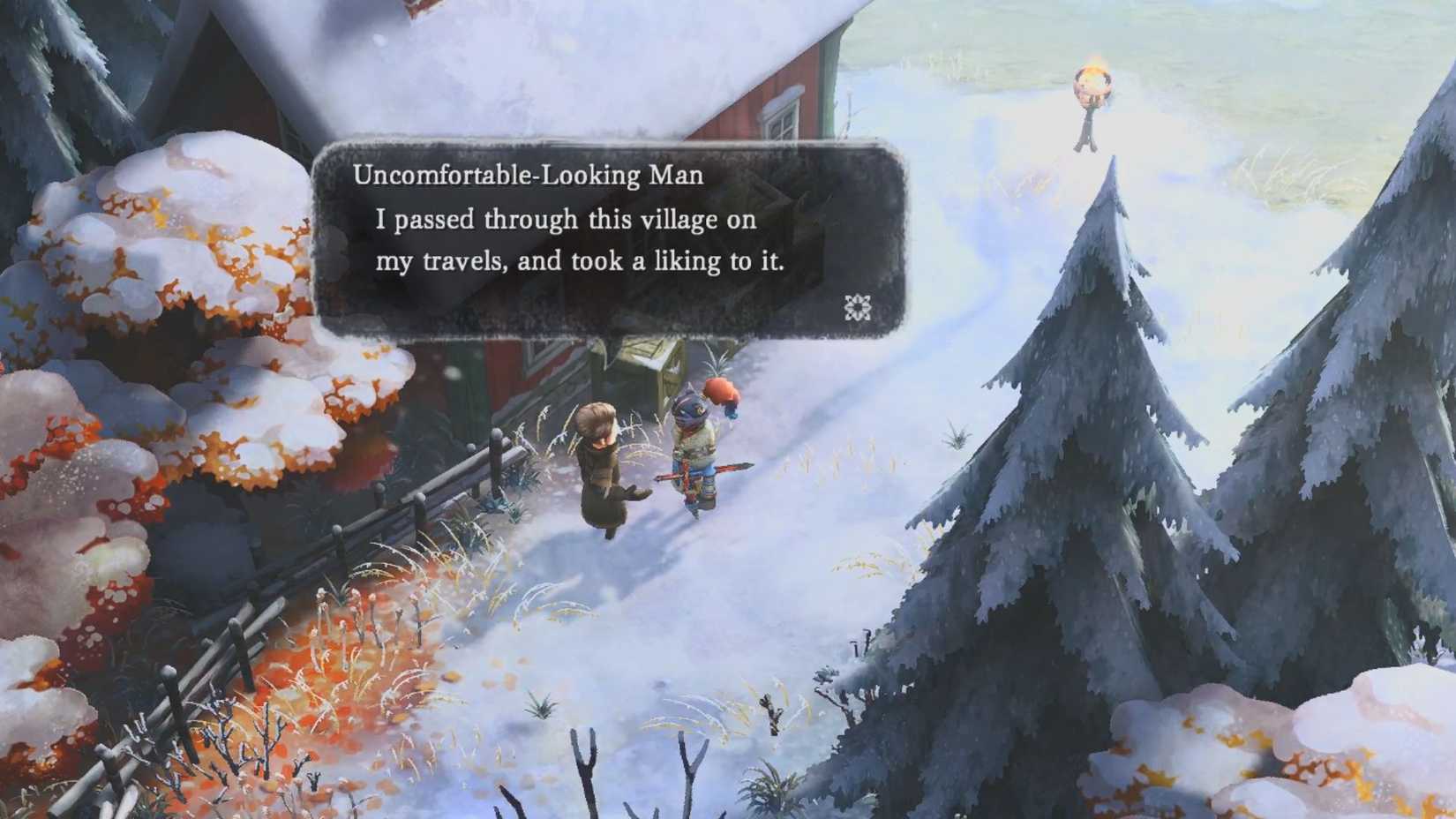
A key factor in this is the player’s role as a customizable avatar, created by the player themselves. This design choice, while offering a degree of personalization, inherently limits the protagonist’s agency and significance within the grand narrative. Many players have come to view Elma, a mysterious and experienced operative, as the true protagonist. Her leadership, her depth of knowledge, and her personal stakes in the unfolding events often make her the focal point of the story. Even with updates that enhanced the player character’s relevance, the fundamental feeling remains: the player character is an accessory to the overarching narrative, a catalyst for the actions of others. While the gameplay mechanics empower the player to be the one delivering the final blow, the narrative often positions them as a vessel for experiencing the stories of characters like Elma. Xenoblade Chronicles X is a phenomenal game in terms of exploration and gameplay, but the player’s role as the "main character" is primarily confined to the mechanics rather than the narrative itself.
Valkyrie Profile: The Einherjar’s Echoes
Released: August 29, 2000
Developer: Tri-Ace
Publisher: Square Enix
Genre: JRPG
Valkyrie Profile presents a unique narrative structure where the player controls Lenneth, a Valkyrie tasked with recruiting the souls of fallen warriors, the Einherjar, for Odin’s army in preparation for Ragnarok. From the outset, Lenneth’s role is defined by her mission: to scout, assess, and send these souls to Valhalla. This constant focus on the Einherjar means Lenneth, while the player’s direct controller, is often relegated to the background as the narrative’s observer.
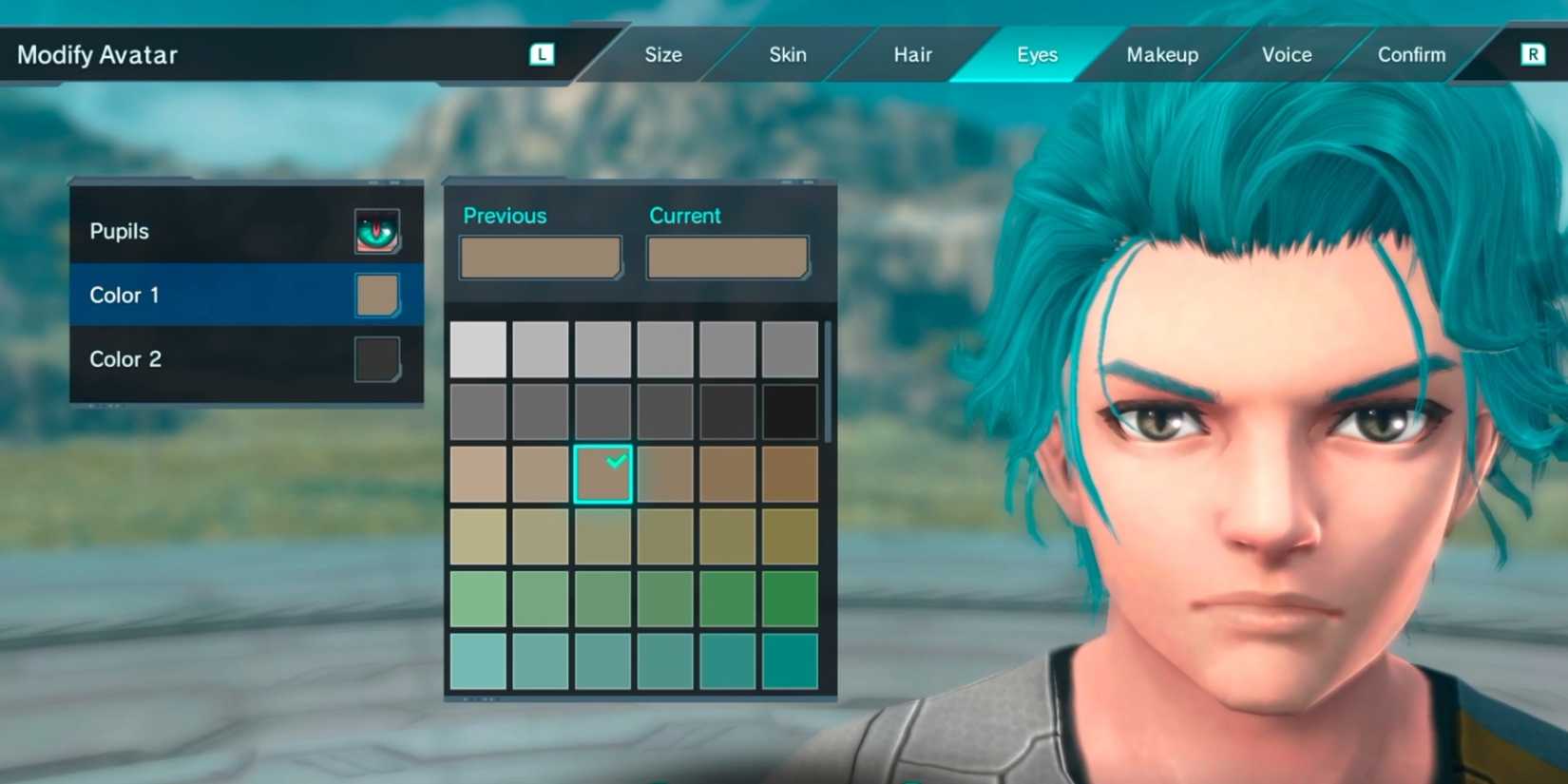
The true emotional core of Valkyrie Profile lies in the deeply personal stories of the Einherjar. Each warrior, with their tragic past and unique perspective, commands the player’s attention and empathy. Whether it’s the tale of Lucian and his lost love Platina, or the countless other individuals Lenneth encounters, their lives, struggles, and eventual fates form the heart of the game. Lenneth’s own backstory, particularly her connection to Lucian, becomes more significant in specific endings, but these are often difficult to achieve without external guidance. The sheer volume of Einherjar, each with a compelling and often heartbreaking narrative, ensures that the player’s focus is consistently drawn to them. Even as Lenneth gathers her chosen warriors, characters like the enigmatic Lezard Valeth can emerge to command attention, further illustrating how the spotlight can shift away from the central Valkyrie. The game’s structure inherently prioritizes the stories of the fallen, making their experiences the primary narrative drivers.
Star Ocean: Integrity and Faithlessness – A Duller Protagonist
Released: March 1, 2016 (Japan) / June 28, 2016 (Worldwide)
Developer: tri-Ace
Publisher: Square Enix
Genre: JRPG
The Star Ocean series holds a special place in the hearts of many JRPG fans, known for its blend of sci-fi and fantasy elements, and its real-time combat. However, Star Ocean: Integrity and Faithlessness is often cited as a low point for the franchise, largely due to its narrative shortcomings, particularly concerning its protagonist, Fidel. While not a poorly conceived character, Fidel’s defining trait is his earnestness, which, unfortunately, translates into a rather bland and uninspired presence.
The narrative catalyst arrives in the form of Relia, a mysterious young woman who immediately draws Fidel’s protective instincts. This motivation, while noble, feels largely driven by plot necessity rather than deep-seated character development. Miki, Fidel’s childhood friend, accompanies him due to their established relationship, adding little to the narrative momentum. The true intrigue of Integrity and Faithlessness lies not with Fidel, but with the diverse cast of characters who join the party. Each companion possesses more compelling backstories and complex motivations than Fidel’s straightforward heroism. Their individual quests and personal struggles often become far more engaging for the player, effectively overshadowing the protagonist’s journey. The game’s overall production values were also notably lower than previous Star Ocean titles, contributing to a sense of incompleteness. Despite its flaws, some fans, including the author, found enjoyment in its combat system and the potential for engaging with the wider cast, even if the central figure failed to captivate.
Final Fantasy XII: The Accidental Luminary
Released: October 31, 2006
Developer: Square Enix
Publisher: Square Enix
Genre: JRPG
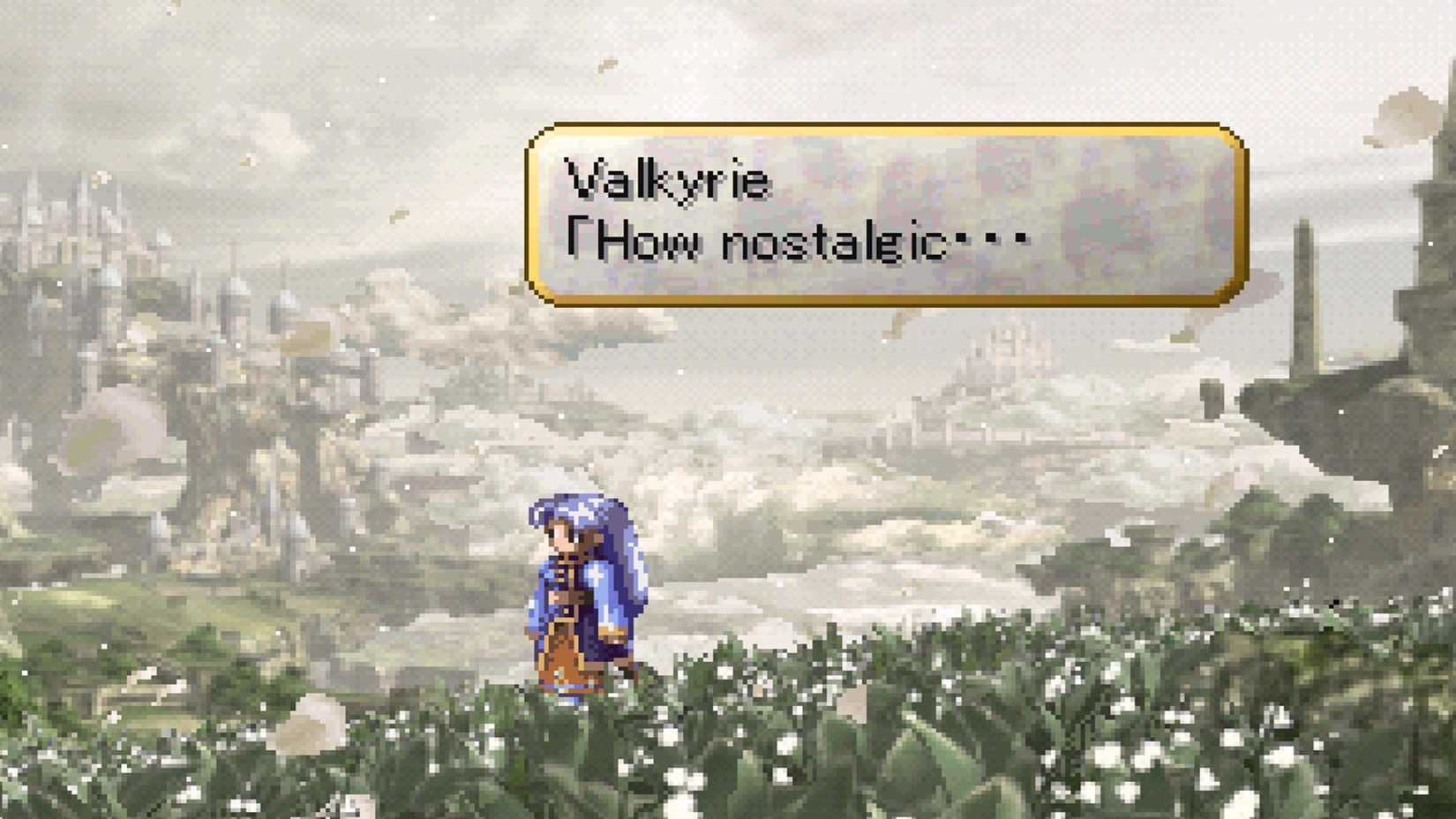
It would be remiss to discuss JRPG protagonists who are overshadowed by their supporting cast without mentioning Vaan from Final Fantasy XII. While often criticized as the weakest protagonist in the Final Fantasy series, Vaan’s role is more accurately described as a window into the complex political landscape of Ivalice rather than an indispensable driver of the plot. His grounded perspective serves to humanize the grander conflicts, but he rarely feels as central to the narrative’s progression as characters like Ashe, the rightful heir to Dalmasca, or Basch, the disgraced knight seeking redemption.
While Vaan is not without his merits—his grounded viewpoint is crucial in tempering Ashe’s desire for vengeance—his perceived irrelevance stems from the narrative’s inherent focus on the political machinations and the destinies of other characters. The conflict’s true weight often falls on the shoulders of Ashe, whose struggle for her kingdom is the central arc. Basch, with his tragic backstory and honorable demeanor, also commands significant narrative attention. Regardless of the development rumors suggesting Basch was initially intended as the primary protagonist, the final product positions Vaan as more of an observer, albeit one who ultimately influences key decisions. For players seeking a more central role for Vaan, Final Fantasy XII: Revenant Wings offers a sequel where he and Penelo step more fully into the protagonist roles, though the narrative quality of the sequel does not quite match that of its predecessor.
These games exemplify how JRPGs, with their deep dive into character development and intricate storytelling, can create narratives where the supporting cast not only complements the protagonist but, at times, becomes the true heart of the experience. This nuanced approach to character writing allows for a richer, more emotionally resonant journey, reminding us that sometimes, the most memorable heroes are the ones who don’t wear the crown.


 Lina Irawan
 Sagoh
Sagoh