


For decades, the sento—Japan’s quintessential neighborhood public bathhouse—has been the silent heartbeat of urban life. Once the primary social hub for working-class communities, these steam-filled sanctuaries are now a vanishing act. In 1968, Japan boasted nearly 18,000 public bathhouses. By 2025, that number had plummeted to roughly 1,500, a staggering 91% decline.
To the casual observer, the sento appears to be a doomed relic of the Showa era, destined to be replaced by the private bathrooms now standard in nearly every Japanese home. However, beneath the surface of this industry-wide collapse lies a burgeoning movement of innovation. A new generation of owners, armed with data analytics, modern logistics, and a refined sense of community, is proving that the sento does not have to be a museum piece.
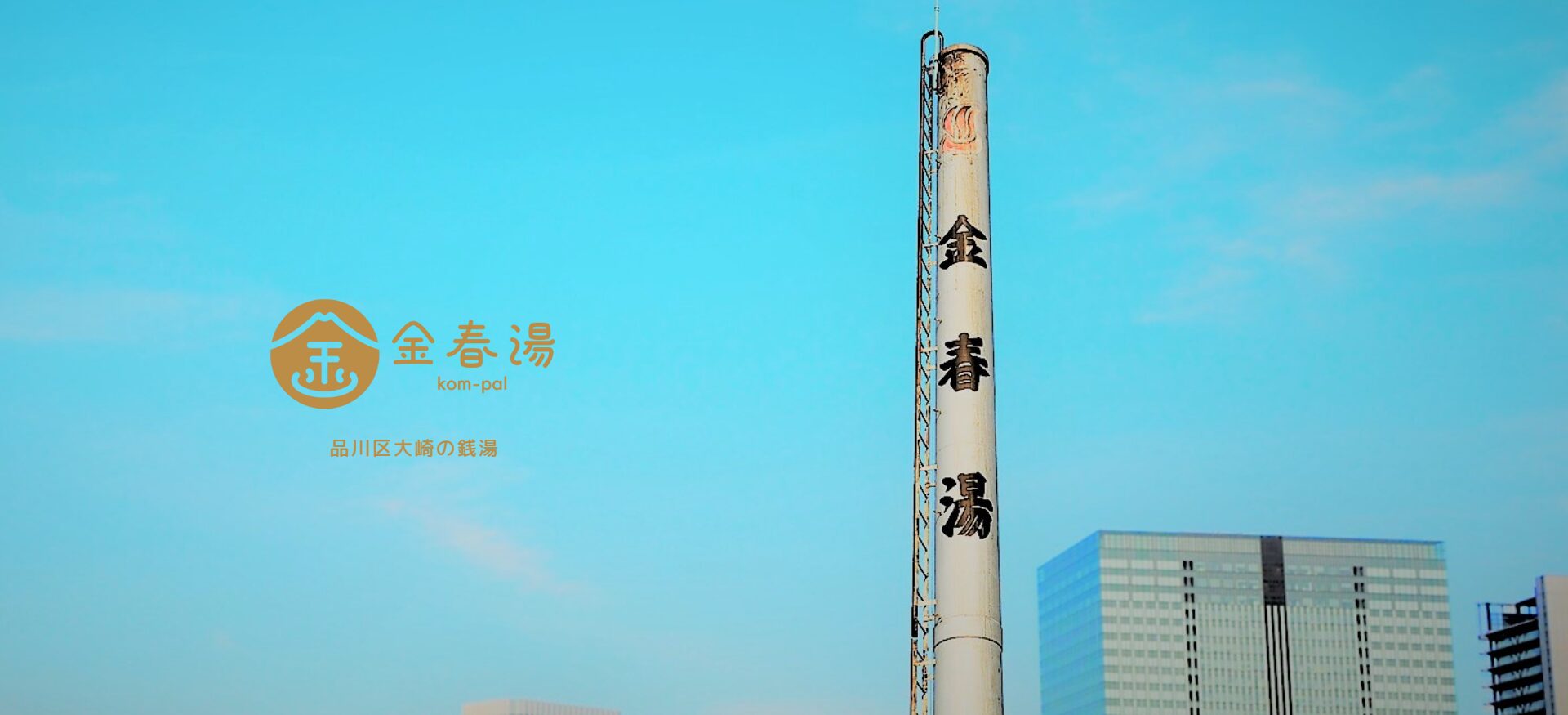
At the forefront of this shift is kom-pal (Konparu-yu) in Tokyo’s Shinagawa Ward, a bathhouse that is transforming from a neighborhood necessity into a high-tech community hub.
The Chronology of Decline and Defiance
The decline of the sento is a story of societal evolution. As Japan’s post-war economy boomed, housing standards modernized. The "three-piece unit bath" became standard in new apartments, removing the immediate, practical need for a public facility to scrub away the soot of the city.
A Timeline of Transition
- 1950: kom-pal opens its doors in Shinagawa, serving the daily needs of a rebuilding nation.
- 1968: The national peak of sento popularity, with 18,000 facilities nationwide.
- 2017: Kakuya Fumitaka, an engineer in the optical and medical-device industry, begins assisting at his family’s bathhouse after his mother’s health declines.
- 2019: Kakuya leaves his corporate career to assume full management of kom-pal.
- 2022: Kakuya and his brother Yuta acquire a second, failing bathhouse near Oimachi Station, breathing new life into a local landmark their grandparents once frequented.
- 2025: Current estimates place the number of active sento at approximately 1,500, with an industry pivot toward "quality over quantity."
Data-Driven Relaxation: The Engineering Mindset
Kakuya Fumitaka’s entry into the sento business was not driven by tradition, but by systems analysis. Coming from an engineering background, he viewed the bathhouse not just as a place of water and tiles, but as a complex logistical operation.
The "kom-pal System"
Upon taking the helm, Kakuya developed a proprietary management platform. While many traditional bathhouse owners relied on manual logs or intuition, Kakuya began tracking granular data: customer demographics, peak congestion times, and operational utility costs. This "kom-pal system" allowed him to optimize energy usage—a critical factor in an era of soaring fuel prices.
During the COVID-19 pandemic, this analytical rigor became a public service. Kakuya implemented a real-time tracking system for sauna congestion. By providing potential customers with live occupancy data, he minimized crowding and maximized safety. This "agile" approach to a traditional business model earned kom-pal a reputation as a forward-thinking institution, proving that the principles of Lean Manufacturing could be applied to the art of the bath.
Supporting Data: The Concentration of Demand
While the total number of bathhouses is in freefall, the story of sento usage is more nuanced. Data from the Tokyo Metropolitan Government reveals a fascinating trend: while the number of facilities has decreased, the number of visitors per facility has increased.
In 2011, the average Tokyo sento served roughly 120 bathers per day. By 2025, that figure rose to 180. This suggests that the market is not disappearing; it is consolidating. Consumers are moving away from mediocre, poorly maintained facilities and gravitating toward "destination" bathhouses that offer a premium experience.
kom-pal sits firmly at the center of this trend. Their sauna usage rates are a testament to this, with 40% of their visitors coming specifically for the sauna—a figure twenty times higher than the industry average of 2%. Kakuya attributes this to a deliberate design choice: the total absence of televisions or background music in the sauna, catering to a demographic that craves silence and sensory deprivation in an increasingly noisy world.
Official Responses and Industry Shifts
The Japanese government and regional bathhouse associations have recognized the crisis, but their solutions have shifted. Rather than attempting to subsidize every aging facility, there is an unspoken consensus that the survival of the industry depends on the "entrepreneurial pivot."
The Japan Sento Association has begun encouraging younger operators to rethink the sento as a "third space." The focus has moved from purely hygienic bathing to "lifestyle curation." This includes:
- Diversification of Revenue: Integrating craft beer bars, co-working spaces, or local art galleries into the lobby.
- Brand Identity: Moving away from generic signage to unique merchandise and digital marketing.
- Community Anchoring: Positioning the sento as a local meeting point rather than just a utility.
However, the barriers remain high. The Tokyo Metropolitan Government continues to monitor the "Public Bathhouse Law," which regulates entry fees to ensure affordability for the elderly. This creates a "price ceiling" that makes it difficult for owners to cover the rising costs of fuel and water, forcing many to rely on secondary revenue streams like retail or event hosting.
Implications: The Sento as a Community Anchor
The story of the Fumitaka brothers—Kakuya and Yuta—in acquiring and renovating the Oimachi bathhouse, is perhaps the most significant indicator of the industry’s future. Their motivation was not purely financial; it was deeply sentimental. By saving a facility that their grandparents visited, they signaled that the sento is an essential component of local heritage.
The Rise of the "Third Space"
The modern sento is becoming an urban oasis. By replacing outdated vending machines with rotating taps of craft beer and replacing sterile bulletin boards with independent zines and art installations, these venues are attracting a younger, socially conscious clientele.
The inclusion of an in-house zine, Yu-kagen, which Kakuya publishes and circulates at national festivals, is more than a marketing gimmick. It creates a narrative around the bathhouse, turning a visit into a participation in a subculture. When customers buy an embroidered T-shirt featuring a mascot designed by the third-generation owner, they aren’t buying a souvenir; they are buying into a community.
The Path to 2035
If current trends continue, experts project the number of sento could dip below 1,000 by 2035. This decline will likely wipe out facilities that have failed to modernize or lack a unique value proposition.
Yet, for those that remain, the future is surprisingly bright. The evolution of the sento from a basic necessity of hygiene to a curated center for community and relaxation represents a successful adaptation to a changing Japan. As private homes become more isolated and digital interaction becomes more pervasive, the physical, steamy, and communal experience of the sento provides a rare, tangible sense of belonging.
The lesson from kom-pal is clear: the market for public bathing hasn’t vanished—it has simply changed its requirements. By respecting the traditions of the past while embracing the logistical efficiency of the present, the next generation of sento owners is ensuring that the sound of water hitting tiles will continue to be a part of the Japanese urban soundscape for years to come.
As Kakuya Fumitaka often demonstrates, if you offer the people what they want—whether it’s a quiet place to sweat or a cold craft beer after a long day—they will not only come; they will stay. The sento is not dying; it is being reborn.











