Nana Wu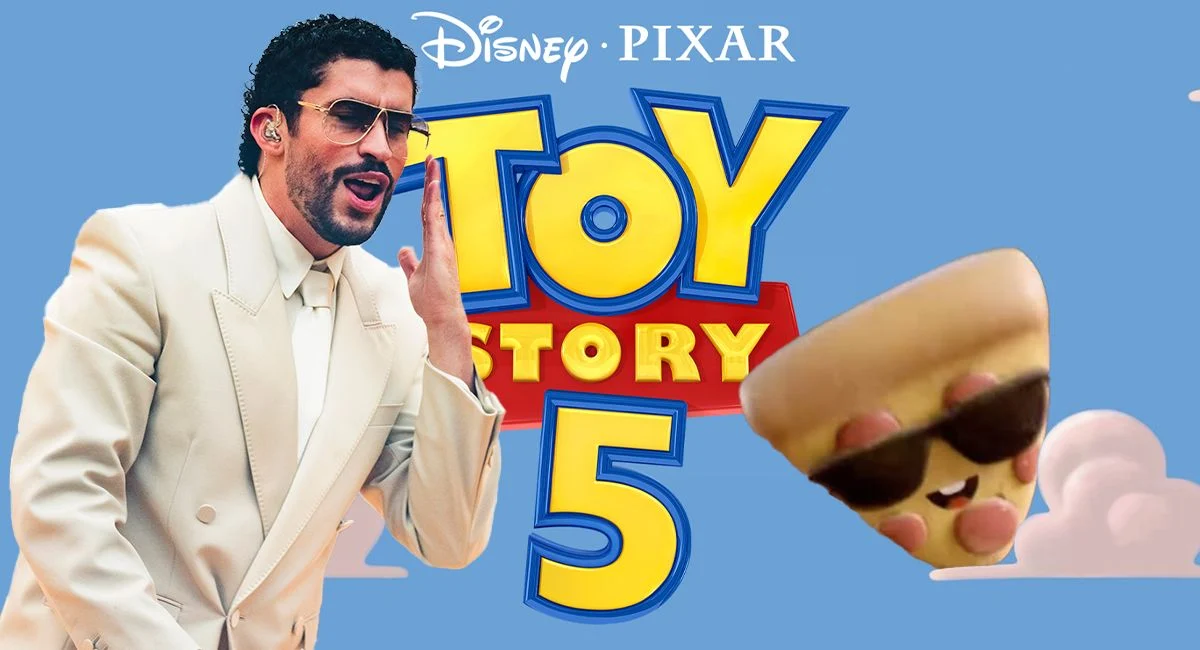
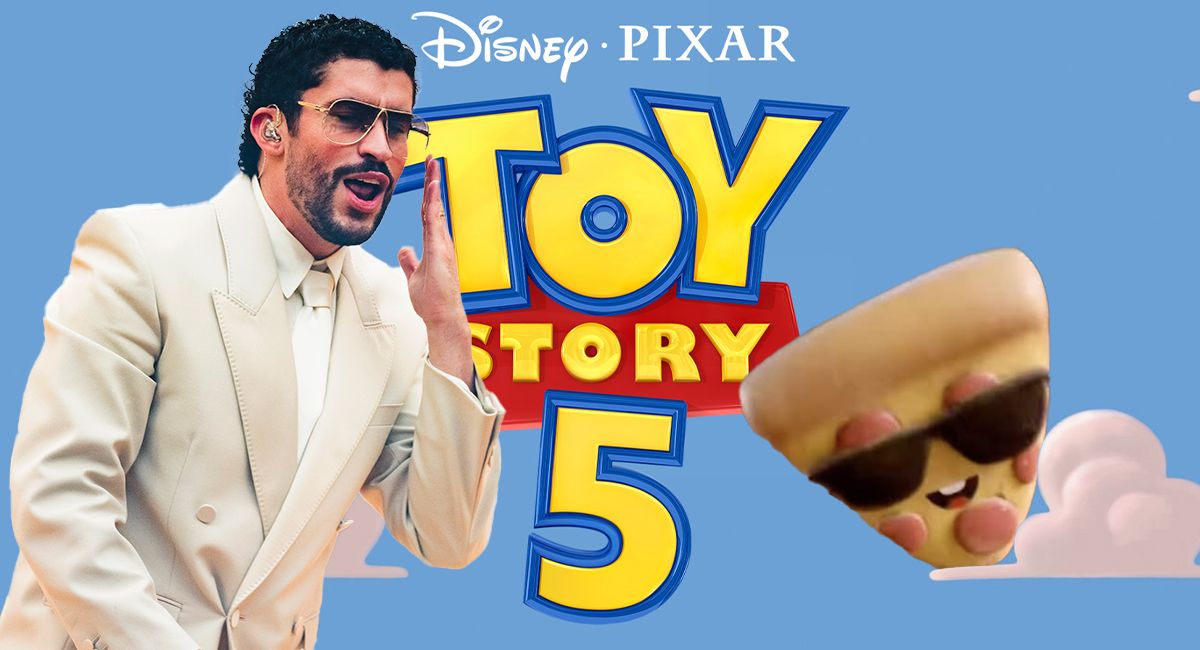
The anticipation surrounding Toy Story 5 has reached a fever pitch. As one of the most storied franchises in animation history, Pixar’s flagship series has long been a benchmark for innovation. However, the latest reveal from the upcoming installment—slated for a June 19, 2026, theatrical release—has sparked an unexpected firestorm. While fans are buzzing over rumors of a Taylor Swift-penned song and the casting of reggaeton megastar Bad Bunny, the latter’s character debut has hit a snag: an accusation of plagiarism from a fellow industry veteran.
The character in question, simply named "Pizza with Sunglasses," is a anthropomorphic slice of pepperoni pizza. Shortly after the reveal, Pete Browngardt, the creator of the cult-classic Cartoon Network series Uncle Grandpa, took to X (formerly Twitter) to suggest that Pixar’s new creation is a "rip-off" of his own beloved character, Pizza Steve. This public spat has reignited long-standing debates about originality in character design, the thin line between homage and theft, and the challenges of creating "new" icons in a saturated media landscape.
The Anatomy of the Allegation
The controversy centers on the visual design of "Pizza with Sunglasses," a character voiced by Bad Bunny in both the English and Spanish-language versions of the film. From the initial teaser footage, the character appears to be a stylized, rubbery toy slice donning a pair of dark shades.
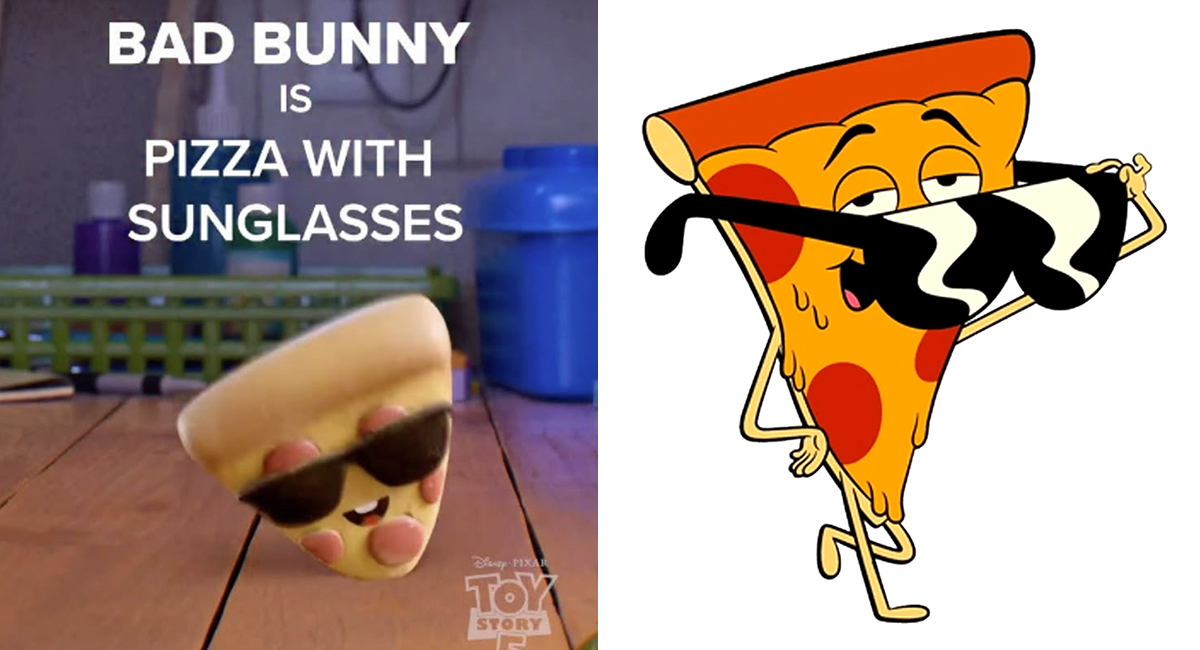
Shortly after the reveal, Browngardt posted a side-by-side comparison on social media, emphasizing the striking resemblance between the Pixar character and Pizza Steve, who served as a main cast member on Uncle Grandpa from 2010 to 2017. Pizza Steve, voiced by Adam Devine, was known for his sunglasses, his vain and arrogant personality, and his tendency to refer to himself in the third person—a character trait that made him a viral meme throughout the mid-2010s.
Browngardt’s assertion that Pixar’s design is a derivative work has been met with mixed reactions. While some fans of Uncle Grandpa have jumped to defend the creator, others argue that the concept of an anthropomorphic food item is a trope so common in animation that no single studio can claim ownership.
Chronology: From Concept to Controversy
To understand the weight of these accusations, one must look at the history of the "cool food" trope in animation.
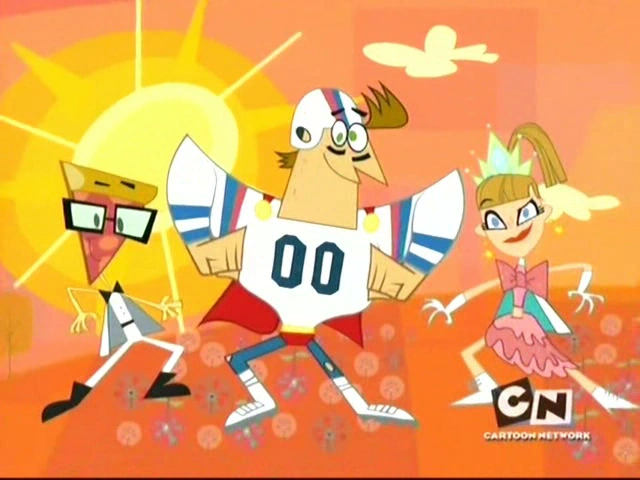
- 2004–2006: The concept of a pizza with eyewear appears in the Cartoon Network series Hi Hi Puffy AmiYumi. The character "Pizza Face," a parody superhero, establishes an early precedent for the "cool slice" archetype.
- 2010–2017: Uncle Grandpa airs on Cartoon Network. Pizza Steve becomes a defining character, utilizing the "slice with sunglasses" look as a core part of his identity.
- 2024–2025: Pixar begins production on Toy Story 5. Casting for new characters, including the voice of the new pizza toy, is finalized.
- May 2026: Pixar unveils the first look at the "Pizza with Sunglasses" character, featuring Bad Bunny.
- Late May 2026: Pete Browngardt publicly challenges the design on social media, accusing Pixar of plagiarism.
This timeline highlights a recurring industry pattern: concepts often iterate and evolve, but the threshold for what constitutes intellectual property theft remains subjective.
The Broader Context: Originality in the Age of IP
The animation industry is currently at a crossroads. As studios race to produce content that feels fresh while appealing to a multi-generational audience, the "recycling" of archetypes is becoming more prevalent.
Pixar has historically excelled at breathing life into mundane objects—think of the toys in Toy Story or the household items in Beauty and the Beast. The Toy Story franchise specifically has a long, documented history of basing characters on real-world items. Mr. Potato Head, for instance, was a licensed character, while others were built from a mosaic of cultural influences.
However, the current climate is uniquely sensitive to accusations of intellectual property infringement. Following recent controversies involving Amazon’s GenAI Creators’ Fund—where projects were accused of stealing character designs or relying on generative AI to mimic existing artistic styles—the public is increasingly vigilant. Pixar, for its part, has steered clear of AI-generated character design, maintaining its commitment to human-led artistry. Yet, as the "Pizza with Sunglasses" case proves, human designers are not immune to the unconscious replication of existing designs.
Supporting Data: Visual and Conceptual Comparisons
When examining the two characters, the similarities are undeniable at a surface level: both are triangles, both have crusts, and both sport sunglasses. However, a deeper analysis reveals significant departures in design philosophy.
Design Differences
- Anthropomorphism: Pizza Steve, in true Uncle Grandpa fashion, features fully articulated limbs and a distinct, surrealist 2D aesthetic. The character relies on exaggerated, fluid motion common to the "CalArts" style of the early 2010s.
- Texture and Form: The Pixar character is rendered in the studio’s signature 3D style. It is designed to look like a physical toy, complete with plastic textures and a rigid, "toy-like" posture. The "sunglasses" in the Pixar version appear to be molded into the plastic, whereas Pizza Steve’s glasses are a functional, albeit absurd, accessory.
The "Tropes" Argument
Designers and industry analysts argue that the "cool food" trope is widespread across pop culture. Beyond Uncle Grandpa and Hi Hi Puffy AmiYumi, the snack brand Domino’s once released promotional figurines of an anthropomorphic domino wearing sunglasses, proving that the intersection of food, branding, and "cool" accessories has been a marketing staple for decades.
Implications for the Industry
The "Pizza with Sunglasses" controversy serves as a microcosm for the legal and ethical tensions facing major animation houses.
The Legal Standpoint
Copyright law protects specific expressions of an idea, not the idea itself. The concept of "a piece of pizza with sunglasses" is likely too broad to be legally protected as intellectual property. Unless Browngardt can prove that Pixar animators had direct access to and copied specific, unique character traits—such as the specific shape of the crust or a unique personality quirk—the claim will likely remain a matter of public opinion rather than legal action.
The Reputational Risk
For Pixar, the danger lies not in the courtroom, but in the court of public opinion. With the release of Toy Story 5 looming, the studio is under pressure to deliver a hit that justifies continuing a franchise that many felt had reached a perfect conclusion in the fourth film. Any perception that the studio is "running out of ideas" or "stealing from smaller creators" could dampen enthusiasm for the project.
The Future of Character Design
This incident highlights the need for more robust internal vetting processes within large studios. In an era where every frame of an animation is scrutinized by millions of fans on social media, the "due diligence" process for character design has become as important as the animation itself. Studios must now ask: "Is this design original enough to avoid comparison?" rather than simply asking, "Is this design iconic enough to sell toys?"
Conclusion: Will It Affect the Box Office?
Despite the social media noise, it is highly improbable that this controversy will hinder the financial success of Toy Story 5. Pixar remains a behemoth in the entertainment industry, bolstered by the recent massive success of Hoppers and Disney’s Zootopia 2. Audiences are notoriously forgiving of minor design overlaps when the surrounding narrative is strong.
The real challenge for Pixar will be ensuring that the character of "Pizza with Sunglasses" offers enough depth to transcend the "Pizza Steve" comparison. If the character is merely a visual gag, the accusations of plagiarism will likely persist. If, however, the character brings a unique narrative arc or emotional weight to the Toy Story universe, the conversation will shift from "who did it first" to "who did it best."
As we count down to June 2026, the case of the competing pizza slices serves as a reminder that in the hyper-connected world of modern animation, every creative choice is subject to immediate critique. Whether this is a genuine case of theft or a serendipitous alignment of artistic tropes, it reinforces the necessity for transparency and creative integrity in an industry that relies on the imagination of its creators to maintain its status as the world’s most powerful storyteller.

 Sagoh
Sagoh
 Dwi Wanna