Pevita Pearce
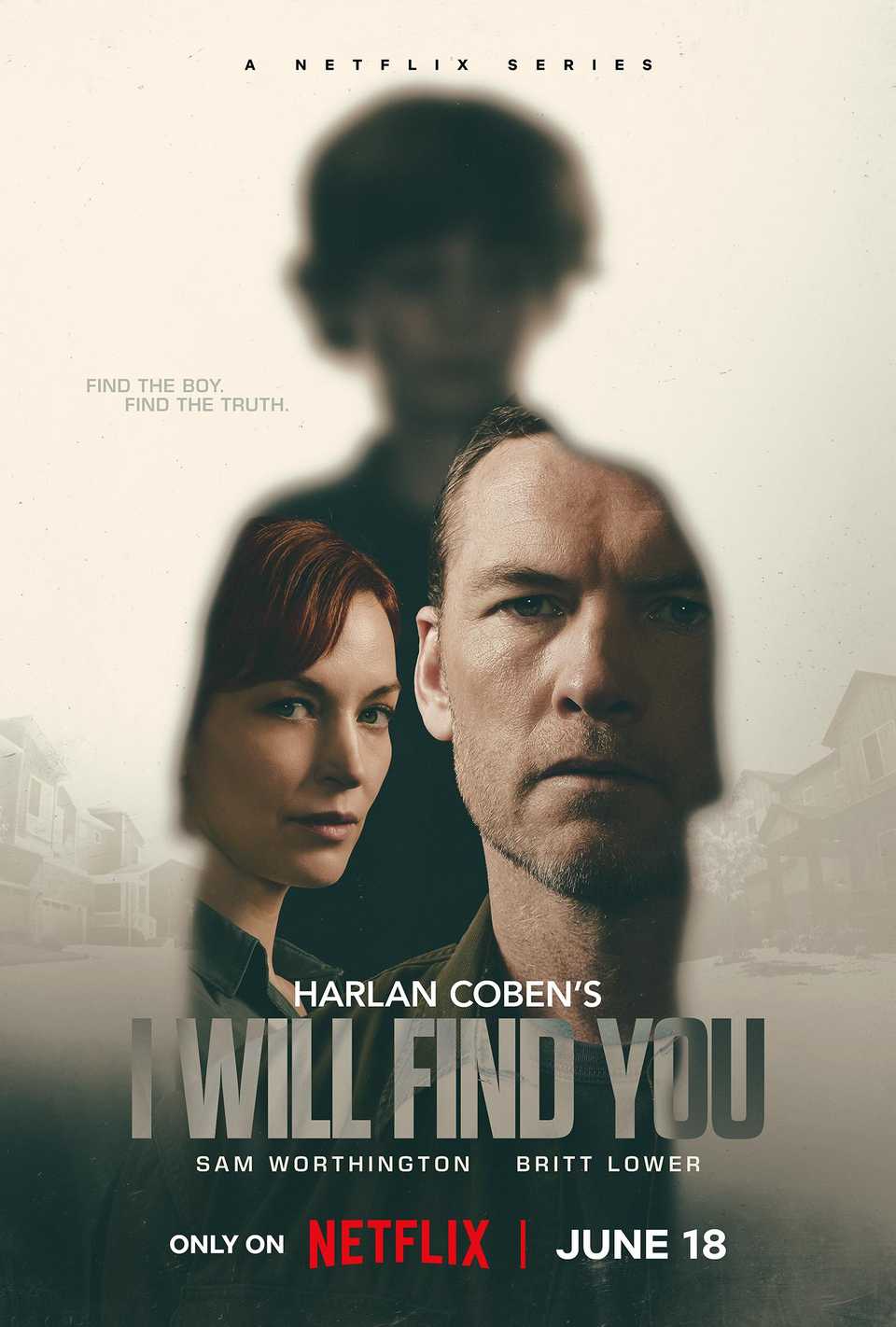
Since its debut on Netflix on June 18, 2026, the thriller series I Will Find You has captivated global audiences, quickly climbing the streamer’s charts. Based on the acclaimed novel by master of suspense Harlan Coben, the series follows the harrowing journey of David (played by Sam Worthington), a man serving a life sentence for the murder of his son, who unearths evidence suggesting the boy may actually be alive. However, viewers familiar with the original text have noted significant narrative departures. In a strategic move spearheaded by Coben and showrunner Robby Hull, the series deliberately obscures key plot points—including the identity of the primary antagonist—to heighten the suspense.
The Core Narrative: A Race Against Time
At its heart, I Will Find You is a classic "wrong man" thriller. David is an incarcerated father clinging to a shred of hope: his son, Matthew, whom he was convicted of killing, might still be breathing. The story functions as a high-stakes puzzle, forcing David to execute a daring prison escape to navigate a labyrinth of lies, shadowy figures, and systemic corruption.
In the novel, Coben invites the reader into the minds of his characters early on, revealing the truth about Matthew’s disappearance and the identity of the villain with relative transparency. The series, conversely, opts for a "slow-burn" approach, transforming the narrative into a more traditional whodunit that keeps the audience in the dark about the "why," "how," and "where" until the final acts.
Chronology of Adaptation: From Page to Screen
The decision to deviate from the source material was not an afterthought but a foundational pillar of the show’s development. Throughout the pre-production phase, Coben and Hull engaged in a series of collaborative sessions designed to evaluate how the medium of television differs from the constraints of a novel.

The Evolution of the Villain
One of the most radical shifts involves the character of Hayden, portrayed with chilling charisma by Milo Ventimiglia. In the series, Hayden is revealed to be a central antagonist, a twist that remains hidden from the audience for a significant portion of the season.
This change was born out of the production team’s reaction to Ventimiglia’s performance. According to Coben, the actor’s innate likability created a unique opportunity to subvert audience expectations. "Besides being a fantastic actor, when you get someone like that, you want to give him more and more and more," Coben noted. "He’s so lovable, he’s so likable as a human being in real life… we were just like, ‘We got to give him more!’"
By integrating Hayden into the "team" dynamic, the creative team ensured that the eventual betrayal would resonate with maximum emotional impact. The goal was to hide the villain behind a face that the audience implicitly trusted, a classic noir trope updated for the binge-watching era.
The Mystery of Matthew’s Fate
Perhaps the most significant structural change is the prolonged mystery surrounding Matthew’s status. In the book, the reader has a fairly concrete understanding of Matthew’s location. In the Netflix adaptation, that information is withheld to force the audience to experience David’s confusion and desperation in real-time.
"In the book, you sort of know where Matthew is early on, because you’re in these characters’ heads," Hull explained. "Translating it to the screen, you don’t want to give that up. The audience should be with your character, which is, ‘We don’t know where Matthew is.’ Let’s hide him, let’s figure out a different way than the book went."
Supporting Data: The Power of Performance
The show’s success is anchored by its ensemble cast, which the producers leveraged to enhance the tension. Beyond the narrative shifts, the series relies heavily on the gravitas of veteran actors like Madeleine Stowe, who plays Hayden’s mother, Gertrude.
A standout moment in the series is the final confrontation between Hayden and Gertrude—a sequence that features an expansive, emotionally charged monologue. The creative team recognized that they had the talent to elevate the material beyond a standard crime drama. "You have an actress of Madeleine’s pedigree and abilities, and she just lights up the screen in an interesting way," Coben remarked. "You can’t take your eyes off of her."
This scene is pivotal because it frames the conflict not just as a struggle between good and evil, but as an exploration of the distorted nature of parental protection. As Hull pointed out, the dynamic between mother and son acts as a dark mirror to the protagonist’s journey. "What happens when you try to protect them and it goes horribly, horribly wrong? Because I think parenthood brings out the best and the worst in people."

Implications of the ‘Coben Shift’
The success of I Will Find You reinforces a growing trend in television adaptations of literary works: the "writer-producer" model, where the original author remains deeply involved in the adaptation process. By giving Harlan Coben a seat at the table, Netflix has effectively allowed the source material to evolve into a version that feels tailor-made for the screen rather than a carbon copy of the page.
The Impact on Audience Engagement
By obscuring the villain’s identity and delaying the revelation of the son’s fate, the series creates a level of "propulsiveness" that is essential for modern streaming success. Data analytics on streaming habits suggest that cliffhangers and withheld information are the primary drivers for completion rates. I Will Find You expertly utilizes these levers, turning a character-driven drama into a high-stakes thriller that demands the viewer watch just one more episode.
The Risks of Deviation
While the changes have been praised by critics and audiences alike, they carry inherent risks. Hardcore fans of a novel often expect fidelity to the original text. However, by validating these changes through the author’s own participation, the production avoids the "betrayal" narrative that often plagues book-to-screen adaptations. By branding these changes as "intentional expansions" rather than "unnecessary cuts," the show effectively manages viewer expectations.
Final Thoughts: A New Standard for Thrillers
The production of I Will Find You stands as a testament to the benefits of adaptability in creative industries. By prioritizing the emotional resonance of the story over strict adherence to the plot, Robby Hull and Harlan Coben have crafted a narrative that feels fresh, even to those who have already read the book.

The show, directed by a powerhouse team including Adam Davidson, Maggie Kiley, Maja Vrvilo, and Brad Anderson, succeeds because it acknowledges that the medium of television is fundamentally different from the printed word. On screen, the camera is an objective observer, and the pacing must be calibrated to maintain a visual rhythm that a reader, who controls their own reading speed, doesn’t require.
Ultimately, I Will Find You is not just an adaptation; it is a re-imagining. It captures the spirit of the original novel while utilizing the unique tools of television to create a more suspenseful, emotionally layered, and unpredictable experience. For subscribers, the result is a gripping, eight-hour masterclass in modern mystery that sets a high bar for future Netflix crime dramas.
Quick Facts: The Production
- Release Date: June 18, 2026
- Platform: Netflix
- Creator: Robert Hull
- Executive Producers: Brad Anderson, Harlan Coben, Robert Hull, Steven Lilien, John Weber, Bryan Wynbrandt
- Genre: Crime/Mystery
- Season: 1 (Limited Series)
I Will Find You is currently available for streaming on Netflix. Viewer discretion is advised due to intense thematic content.


 Evan Lee Salim
 Ammar Sabilarrohman