Rifan Muazin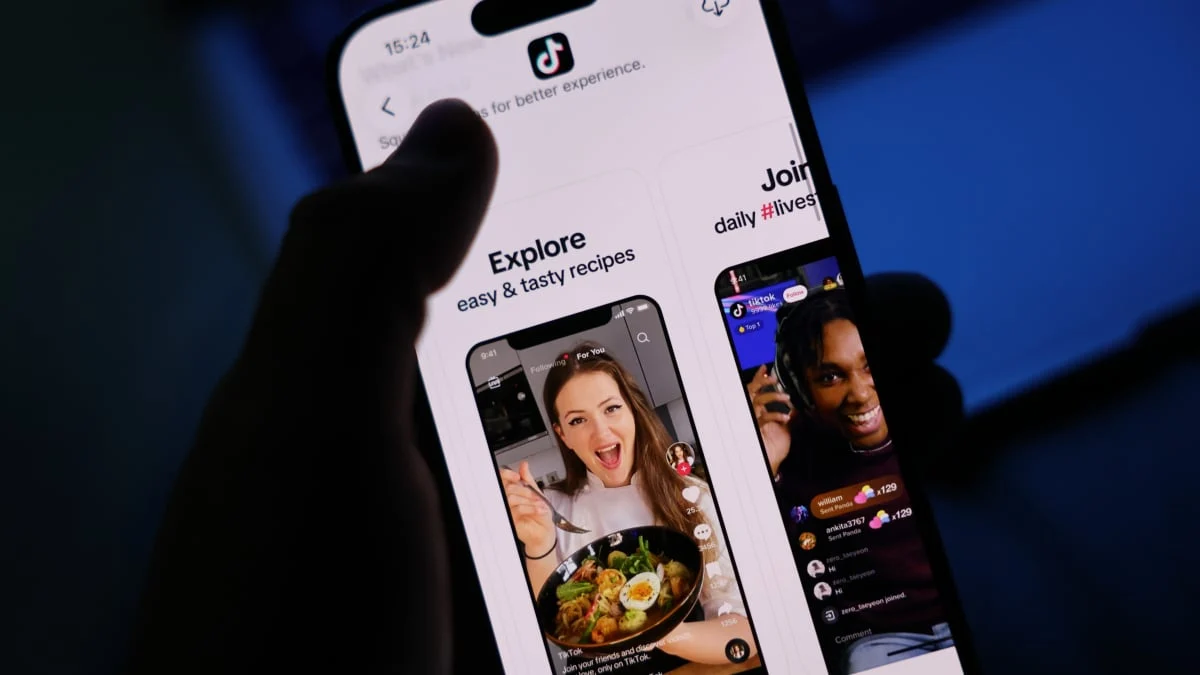
The meteoric rise of GLP-1 receptor agonists—a class of drugs including Ozempic, Wegovy, and Mounjaro—has transformed the landscape of modern medicine and weight management. However, as demand for these pharmaceuticals outpaces global supply, a dangerous shadow economy has emerged. A harrowing new report from the gender justice nonprofit UltraViolet has revealed that TikTok, one of the world’s most influential social media platforms, is acting as a primary conduit for a sprawling "gray market" of unregulated, potentially life-threatening weight loss drugs.
Despite stringent community guidelines and public commitments to safety, TikTok’s algorithmic curation features appear to be actively facilitating the promotion and sale of "research-grade" pharmaceuticals. The report, which spans the platform’s transition from Chinese ownership to an American board of investors in early 2026, suggests that the problem is not merely a failure of moderation—it is a systemic feature of the platform’s engagement-driven architecture.
The Anatomy of the Gray Market
The gray market for GLP-1s operates in the digital crevices of the platform. UltraViolet researchers identified hundreds of TikTok accounts dedicated to hawking unregulated, non-FDA-approved drugs, such as retatrutide. These accounts employ a sophisticated funnel strategy: they post engaging, often predatory, content on TikTok to lure users into private, encrypted messaging platforms like WhatsApp, Discord, and Telegram, where the illicit transactions are finalized.
What makes this trend particularly insidious is the targeting. According to the report, a significant volume of this content is aimed directly at women. Profile pages often feature AI-generated or misappropriated photos of women to create an aura of relatability and trust. This content is frequently paired with harmful messaging regarding body image, incorporating sexualized imagery or pseudo-scientific claims about women’s health to exploit insecurities and drive demand for "quick-fix" medical solutions.
Chronology: A Failure That Persisted Through Transition
The UltraViolet investigation was conducted in two distinct phases to determine if TikTok’s shift in ownership would result in a meaningful change in safety protocols.
- Late 2025 (Pre-Transition): During this period, researchers found that the platform’s Discover page and "For You" feed were actively pushing content related to the purchase of GLP-1s. Despite TikTok’s existing rules against the sale of high-risk goods, the algorithms were effectively promoting these gray-market vendors to both registered users and casual visitors.
- January 2026: TikTok updated its Terms of Service and reinforced its Community Guidelines in alignment with the new American board of investors.
- Early 2026 (Post-Transition): Following the ownership handover, the second phase of the study revealed that the situation remained largely unchanged. Even with updated policies, the volume and accessibility of unregulated pharmaceutical content remained high.
The consistency of this illicit activity across two different corporate regimes suggests that the issue is deeply embedded in the platform’s infrastructure, rather than a temporary oversight or a relic of previous management.
Supporting Data: By the Numbers
The scale of the problem is evidenced by the sheer volume of violations identified by researchers. UltraViolet reported 202 specific accounts to TikTok for violating community guidelines. Of these reports, the platform removed only about one-third of the accounts. This leaves two-thirds of the reported accounts—all of which were flagged for distributing or promoting potentially hazardous, unregulated medical substances—active and continuing their operations.
Furthermore, the algorithmic "Discover" page frequently auto-suggests searches related to the acquisition of these drugs. This creates a feedback loop: a user searches for weight loss tips, the algorithm suggests content about GLP-1s, and that content leads the user directly to a gray-market seller.
Policy vs. Reality: The Regulatory Gap
TikTok’s official stance on pharmaceutical advertising is clear, yet it is failing to bridge the gap between policy and enforcement.
What the Guidelines Say
TikTok’s advertising policy permits the promotion of pharmaceuticals, provided they align with regional laws. However, the platform explicitly prohibits:
- Promoting disordered eating or dangerous weight loss behaviors.
- Ads marketed for weight loss, fat reduction, or appetite suppressants that use terms like "GLP-1" in the branding.
- The trade or marketing of "high-risk" goods, including directing users to third-party platforms for such acquisitions.
The Enforcement Failure
The disconnect lies in the platform’s reliance on automated moderation. While the policy forbids the sale of high-risk goods, the "organic" content—videos posted by individual accounts—often evades detection because it frames the sale as "wellness advice" or "lifestyle journeys." By the time a user clicks through to a Telegram link, they have moved beyond the scope of TikTok’s immediate visual moderation tools, rendering the platform’s prohibitions functionally impotent.
The Human Cost: Implications for Public Health
The proliferation of these drugs on social media has profound consequences for public health, particularly for vulnerable populations.
The Eating Disorder Crisis
Medical professionals have long expressed concern that the normalization of GLP-1s in social media feeds acts as a trigger for individuals in recovery from eating disorders. Many users report feeling "inundated" by advertisements for these drugs, regardless of their attempts to block or mute such content. The constant bombardment of "weight loss" messaging creates an environment where mental health is sacrificed for the sake of ad revenue and engagement.
The Pharmaceutical Arms Race
The gray market is flourishing in the shadow of a legitimate, high-stakes battle between major pharmaceutical companies. In the first half of 2025 alone, giants like Novo Nordisk and Eli Lilly spent a combined $700 million on marketing their weight loss drugs. This massive marketing push has created a cultural obsession with these medications, which, while beneficial for pharmaceutical profits, has created a vacuum that illegal sellers are all too eager to fill. When legitimate supply is tight, the gray market provides a ready alternative for desperate consumers.
Official Responses and Future Outlook
As of the time of this publication, TikTok has declined to provide a formal response to the specific findings of the UltraViolet report. This silence has only fueled the criticism from advocacy groups.
Jenna Sherman, campaign director for UltraViolet, did not mince words regarding the platform’s responsibility:
"We’ve seen this movie before: Tech oligarchs gain control of huge swaths of the internet and shape the content and ads we see for their own political and financial gain at the cost of user safety and the public good. The twist this time is that we are in an unprecedented age of sophisticated algorithms, groundbreaking weight loss medications, and unhealthy weight-loss obsession. Altogether, it’s a disaster."
Conclusion
The findings from UltraViolet paint a disturbing picture of a platform that prioritizes engagement metrics over the health and safety of its user base. By failing to adequately police the sale of unregulated medical products, TikTok is not merely a neutral host for content; it is an active participant in a dangerous, uncontrolled market.
As the regulatory landscape for social media evolves, the pressure on TikTok to demonstrate accountability will only increase. For the millions of users—many of whom are young, impressionable, or struggling with health issues—the need for a cleaner, safer digital environment has never been more urgent. Until the platform can reconcile its algorithmic reach with its responsibility to protect its users, the "gray market" of weight loss drugs will continue to thrive, posing a significant and growing threat to public safety.
Disclaimer: The information contained in this article is provided for educational and informational purposes only and is not intended as health or medical advice. Always consult a qualified physician or healthcare professional regarding any medical concerns or before beginning any new medication or treatment.

 Laily UPN
 Nana Wu