Nila Kartika Wati
The landscape of modern gaming is shifting. As the industry moves further into the current generation of hardware, the once-solid lines of platform availability are becoming increasingly blurred. Following Sony’s Summer 2026 State of Play, a recurring trend has re-emerged: the "silent omission" of the Xbox Series X|S from launch lineups for several highly anticipated third-party titles.
While the showcase highlighted a robust future for PlayStation 5, a significant contingent of the gaming community—specifically the Xbox user base—was left to grapple with the reality that several major titles will be exclusive to PC and PS5 at launch. This phenomenon, while not entirely new, has reignited debates regarding the viability of platform parity and the strategic direction of major third-party publishers.
The State of Play Aftermath: A Summary of Omissions
During the June 2026 State of Play, Sony presented a wide array of trailers and announcements. However, eagle-eyed observers quickly noted a glaring absence: the Xbox Series X|S logo was missing from the end-cards of several prominent titles.
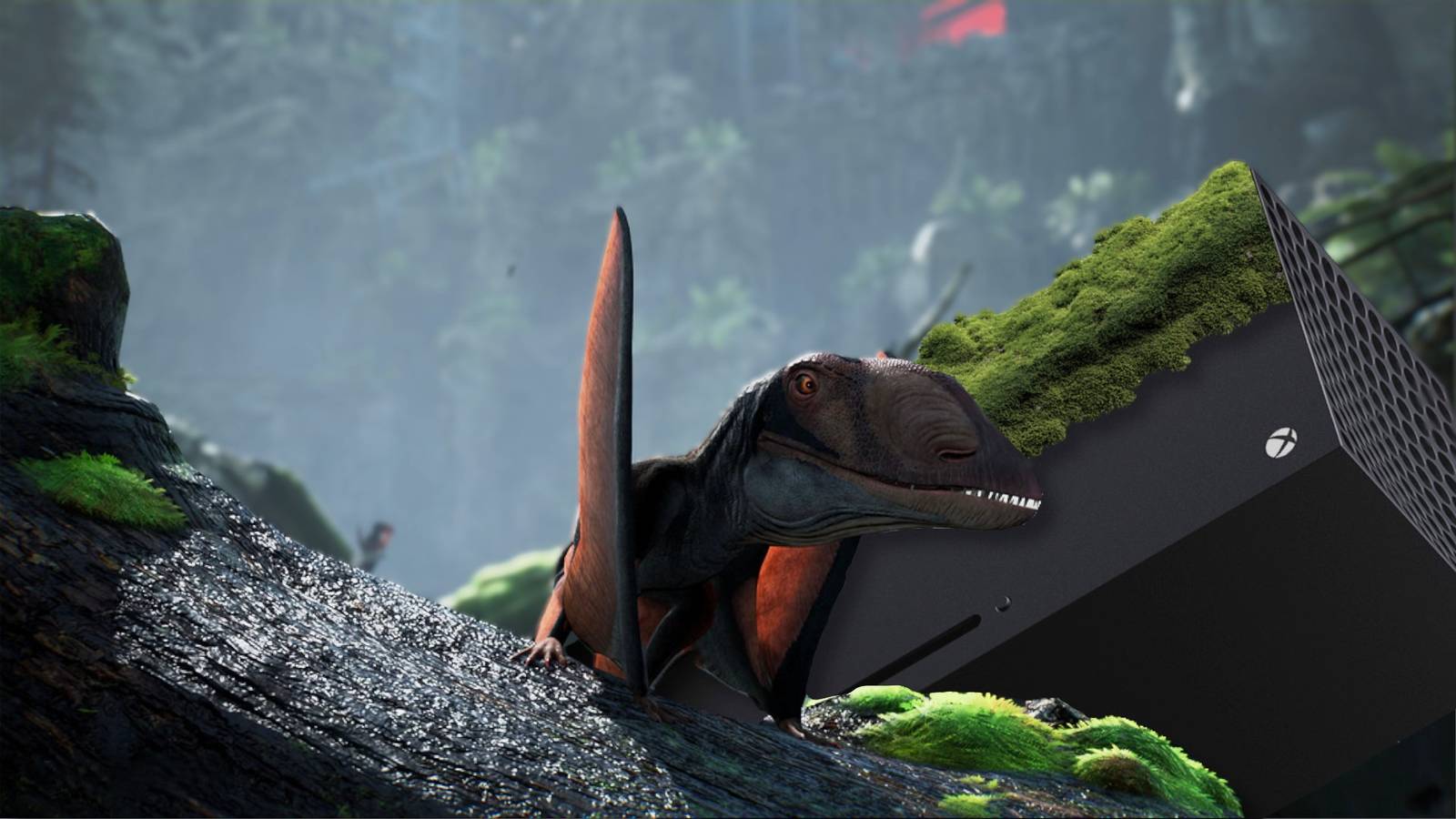
The list of games currently slated for a simultaneous release on PlayStation 5 and PC, while notably excluding Xbox at launch, includes:
- The Lost Wild: The much-anticipated survival horror game featuring prehistoric predators.
- Silent Hill: Townfall: The latest entry in the iconic horror franchise.
- Kemuri: The new project from renowned developer Ikumi Nakamura and her studio, Unseen.
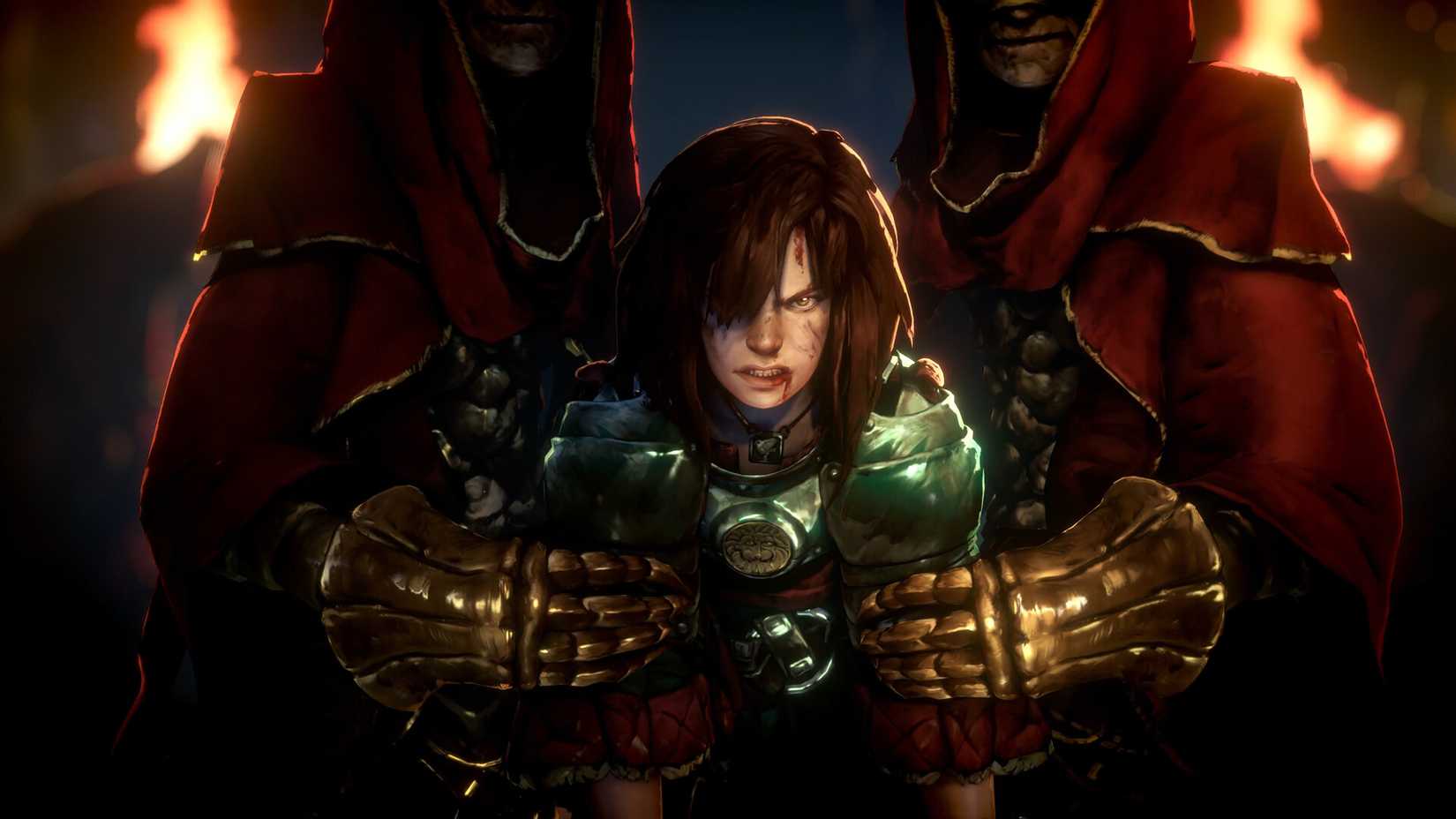
- Phantom Blade Zero: A high-octane action RPG that has been a frequent point of discussion regarding platform availability.
- No Rest for the Wicked: The latest ARPG from Moon Studios, which has a complicated history with the Xbox ecosystem.
While these games are not necessarily "PlayStation exclusives" in the traditional sense—as they are simultaneously launching on PC—the exclusion of Microsoft’s home console suggests a strategic shift in how developers approach the current market.
Chronology of the Shift: From Global Releases to Targeted Access
To understand why these omissions are causing such a stir, one must look at the historical context of console showcases. In previous decades, the "E3 era" of gaming was defined by massive, multi-platform announcements. When a game like Call of Duty or Assassin’s Creed was revealed at a Sony or Microsoft press conference, it was understood that it would eventually land on all major consoles.

In recent years, however, the industry has seen a rise in "timed console exclusivity." This strategy, often backed by marketing deals or development support, aims to capture the largest possible install base at launch while deferring the costs of porting to other hardware.
The Evolution of the Strategy:
- Pre-2020: Multi-platform launches were the industry standard for major third-party titles.
- 2021-2024: The emergence of "PC-first" or "Console-exclusive-first" models became more common, often driven by the resource constraints of smaller, independent-turned-mid-tier studios.
- 2026: We are seeing the normalization of the "Xbox-later" release window, where developers prioritize the PS5’s market share and PC’s accessibility, leaving the Xbox Series X|S as a secondary consideration.
Supporting Data: Why Are Publishers Skipping Xbox?
The question remains: why would a developer choose to exclude a major console platform like the Xbox Series X|S? Industry analysts point to several factors, including market penetration, development costs, and the "porting pipeline."
Market Penetration and Install Bases
Statistically, the PlayStation 5 continues to hold a significant lead in the global hardware market compared to the Xbox Series X|S. For a studio with limited resources, focusing development efforts on the platform with the highest user engagement makes fiscal sense.

Development and Optimization Hurdles
Developing for the Xbox Series S—the "lesser-powered" sibling to the Series X—has been a known point of contention for some developers. The requirement to ensure parity between the Series S and Series X can, in some cases, add additional development time and testing cycles. By focusing on PC and PS5, studios can bypass these specific optimization hurdles during the critical launch window.
Marketing and Development Partnerships
In many cases, the omission is not a technical choice but a contractual one. If a publisher secures a marketing partnership with Sony, that deal often includes provisions for console exclusivity or a "timed" release window. This is a standard industry practice, but as the Xbox brand struggles to maintain its momentum in specific regions, these deals have become more impactful for the end user.
Official Responses and Developer Stances
The industry’s reaction to these omissions has been varied. Some developers have been transparent, while others have remained coy.

- Phantom Blade Zero: In 2024, the team at S-Game addressed the platform question directly, stating they were still evaluating their options to ensure "as many players as possible" could enjoy the game. The fact that it remains absent from the Xbox lineup suggests that those evaluations may have prioritized the PS5/PC architecture for the time being.
- Moon Studios and No Rest for the Wicked: Perhaps the most controversial case is that of Moon Studios. Having previously developed the Ori series under a Microsoft publishing umbrella, the shift of No Rest for the Wicked to a third-party publisher (Private Division) and its delayed Xbox launch has created a narrative of irony. Thomas Mahler, co-founder of Moon Studios, has previously expressed frustration regarding platform restrictions, noting that many players were disappointed by the inability to play Ori on PlayStation. It is a striking irony that his current project is now subject to the very platform fragmentation he once criticized.
Implications for the Gaming Ecosystem
The trend of "skipping" Xbox has profound implications for the future of the industry.
The "Single Console" Consumer
The most immediate impact is on the consumer. The "13-year-old kid" demographic—often cited by industry figures—is perhaps the hardest hit. When a child’s family can only afford one system, the choice of that system dictates their access to culture and community. If that console consistently receives games months or years later, it creates a "second-class" experience that can damage brand loyalty.
The Erosion of Platform Loyalty
Microsoft’s response to this, as evidenced by their recent moves, is to pivot. By bringing their own titles, such as Halo, to the PlayStation 5, Microsoft is signaling that they are moving away from the traditional "walled garden" approach. However, this raises a new question: if the major platform holders are becoming software publishers, what is the long-term future of the console as a dedicated piece of hardware?

The Rise of PC as the Great Equalizer
With the continued growth of PC gaming, the console "war" is increasingly becoming a binary choice between "PlayStation" and "Everything Else." If the industry continues to prioritize PC and PS5, we may see a future where the Xbox console becomes a specialized device for the Game Pass ecosystem, rather than a primary destination for the latest third-party releases.
Conclusion: A Turning Point for the Industry
The absence of The Lost Wild, Silent Hill: Townfall, and other titles from the Xbox launch lineup is a symptom of a larger, more complex issue. It is not necessarily a sign of a "dying" console, but rather a sign of an industry that is becoming increasingly fragmented.
As we move toward the latter half of the decade, the pressure on publishers to deliver high-quality experiences with limited budgets will only grow. If the cost of optimizing for an additional console platform outweighs the potential revenue, we can expect to see more developers making the "tough call" to skip platforms.
For the Xbox community, this is a challenging time. But as the lines between hardware continue to fade, the focus may eventually shift away from where you play a game, and toward the games themselves. Until that day arrives, however, the "Not E3" season of 2026 will be remembered as the moment the platform divide became more apparent than ever.

 Basiran
 Nana
Nana