The streetwear industry, built on the ethos of subversion, skate culture, and counter-culture expression, is currently embroiled in a heated debate regarding intellectual property and the treatment of independent artists. At the center of this firestorm is the globally recognized brand RIPNDIP, which has found itself under intense public scrutiny following a controversial copyright takedown of an independent illustrator’s work.
The incident, which saw the brand target an artist’s original cat design, has ignited a long-simmering resentment within the creative community. Critics argue that RIPNDIP, a company whose entire brand identity is tethered to a stylized cat mascot, has systematically built its commercial success on the backs of smaller creators while aggressively policing the very artistic space it claims to represent.
The Catalyst: The "Pigeonchild" Incident
The current controversy erupted on June 26, 2026, when independent illustrator Tim—known to his digital following as "Pigeonchild"—announced that his original artwork had been removed from the print-on-demand marketplace Redbubble. The removal was triggered by a formal copyright complaint filed by RIPNDIP, alleging that the artist’s stylized cat design infringed upon their intellectual property.
For many, the claim was baffling. The design in question, while featuring a feline subject, possessed distinct stylistic differences that many in the art community argue do not constitute a derivative work. Pigeonchild took to social media to voice his frustration, sharing evidence of the takedown and expressing his bewilderment at a multi-million dollar corporation targeting a solo creator.
The response from the online community was instantaneous and overwhelming. Within hours, Pigeonchild’s post went viral, accumulating over 2.2 million views and garnering more than 20,000 likes. The digital outpouring served as a rallying cry for independent creators who have long felt marginalized by larger brands wielding copyright law as a cudgel to silence competition or perceived "infringement."
A Chronology of the Escalation
To understand the gravity of the situation, one must look at the rapid sequence of events that followed the initial takedown:
- June 26, 2026: Pigeonchild reports the removal of his artwork from Redbubble due to a RIPNDIP-filed copyright complaint.
- June 26, 2026 (Afternoon): The backlash begins as social media users mobilize to support the illustrator.
- June 26, 2026 (Evening): RIPNDIP’s official X (formerly Twitter) account issues a dismissive response: "Respect your elders."
- June 26, 2026 (Late Night): Following a wave of mass reporting from users offended by the brand’s arrogance, the RIPNDIP account is temporarily suspended.
- June 27, 2026: The RIPNDIP account is reinstated. The brand pivots from a defensive stance to an aggressive marketing ploy, changing its profile picture to the very artwork it had just reported, while simultaneously teasing a new limited-edition merchandise drop.
This maneuver—effectively mocking the artist while pivoting to profit from the controversy—has been characterized by PR experts as a masterclass in brand tone-deafness, further fueling the fire of public outrage.
The History of Allegations: A Pattern of Behavior
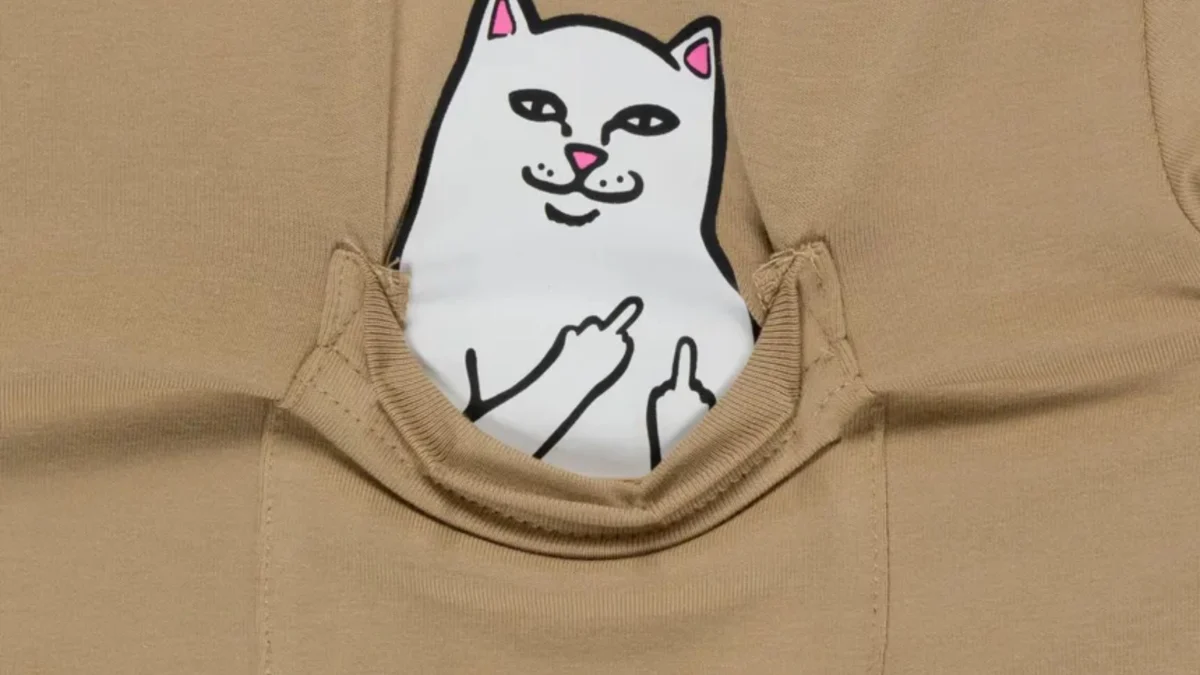
While the Pigeonchild incident is the spark, the underlying fuel is a history of allegations that have dogged RIPNDIP for years. The brand’s mascot, "Lord Nermal," a white cat known for its signature middle-finger gesture, is the cornerstone of their multi-million dollar empire. However, the origin story of this mascot remains a point of contention.
Jayme Lemperle, the artist credited with the original creation of Lord Nermal, is no longer associated with the company. The circumstances surrounding her departure have been the subject of rumors and disputes within the industry for years, with many insiders alleging that the company failed to provide appropriate credit or long-term compensation for the character that eventually became the face of a global retail powerhouse.
Furthermore, this is not an isolated incident. Over the past decade, various independent designers and illustrators have come forward with claims that RIPNDIP has appropriated their concepts, aesthetics, and specific designs for mass production. These creators often lack the legal resources to challenge a company with the financial backing of RIPNDIP, leaving them to rely on the "court of public opinion" to seek justice.
The Legal and Ethical Paradox
The irony of a streetwear brand—a genre rooted in the "remix culture" of hip-hop and graffiti—aggressively enforcing copyright law is not lost on legal analysts.
"Copyright law is designed to protect original expression, but it is frequently misused by larger entities to stifle competition," says one intellectual property lawyer familiar with the case. "When a brand that draws its own inspiration from a broader subculture decides to weaponize legal filings against smaller artists, it creates a moral paradox that inevitably erodes brand loyalty."
The legal threshold for "substantial similarity" is high, and many experts suggest that Pigeonchild’s design would likely survive a fair-use defense. However, the issue here is less about the courtroom and more about the marketplace. By using automated copyright tools, larger brands can effectively "de-platform" smaller artists before they ever get the chance to prove their case.
Comparing the Landscape: Lessons from Riot Games
The RIPNDIP situation is not unique, though it stands in stark contrast to how other major companies have handled similar PR crises. In 2022, gaming giant Riot Games faced a similar backlash after filing a DMCA takedown against an artist regarding League of Legends intellectual property.
The primary difference, however, was the corporate response. Riot Games issued a swift, public apology, acknowledged the mistake, and established a better framework for engaging with fan art and independent creators. The community response to Riot was largely one of forgiveness because the company prioritized its relationship with the creative ecosystem.
In contrast, RIPNDIP’s strategy of leaning into the controversy—teasing merchandise based on the disputed art—suggests a brand that views "bad press" as a legitimate marketing vehicle. While this may drive short-term sales, it risks long-term brand equity, as modern consumers are increasingly sensitive to the ethical footprint of the brands they support.
The Implications for Streetwear and Independent Artists
What does this mean for the future of independent art in the era of viral commerce? The Pigeonchild incident serves as a cautionary tale for both brands and creators.
For brands, the message is clear: the digital age provides a platform for the "little guy" to organize and hold corporations accountable. A dismissive "Respect your elders" tweet no longer carries the weight of authority; instead, it is viewed as an admission of insecurity.
For creators, the incident highlights the necessity of proactive legal documentation and the power of building a community. Pigeonchild’s success in rallying support was not just a result of his art, but a result of his transparency in sharing the ordeal with his audience.
Conclusion: A Turning Point?
As of this writing, Dexerto has reached out to Pigeonchild for a formal comment on the ongoing dispute. The incident remains a flashpoint for a broader conversation about the commodification of art.
RIPNDIP’s gamble—that their audience will prioritize the "edginess" of their brand over the ethical treatment of artists—is a dangerous one. As the streetwear market becomes increasingly saturated, the brands that survive will likely be those that treat their creative community as partners rather than targets. Whether RIPNDIP chooses to pivot toward reconciliation or doubles down on its current trajectory remains to be seen, but one thing is certain: the era of brands being able to silence creators without consequence is rapidly coming to an end.
The "Lord Nermal" cat may be the face of the brand, but the face of the controversy is now the community that refuses to stay silent in the face of perceived exploitation.