

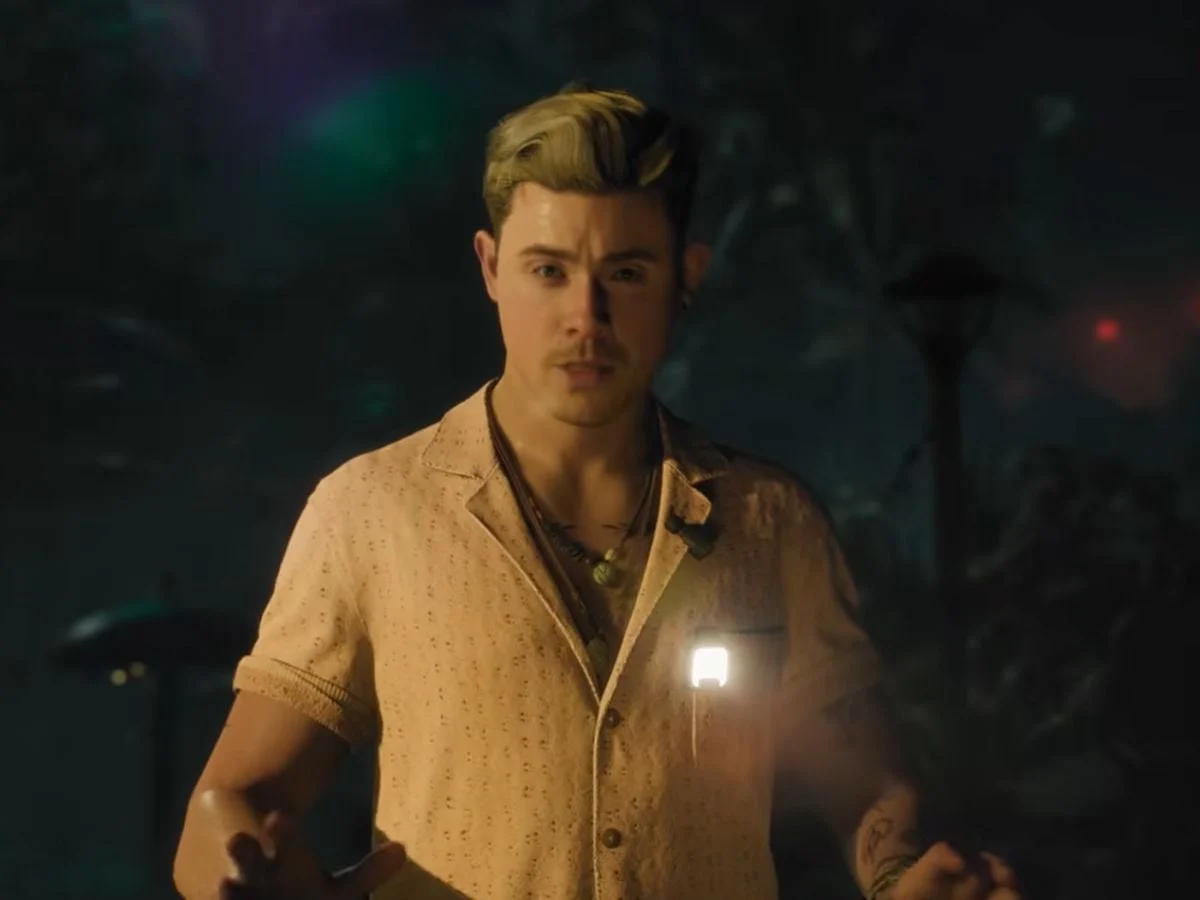
The landscape of interactive horror is set to be redefined once more. During Sony’s high-profile State of Play presentation on June 2, a shockwave rippled through the gaming community with the announcement of Until Dawn 2. While the original 2015 title by Supermassive Games remains a cornerstone of the genre—celebrated for its "butterfly effect" mechanics and cinematic tension—this sequel marks a bold transition, as the project is being helmed by PlayStation’s internal studio, Firesprite Games. Slated for a 2027 release on PlayStation 5, the announcement has sparked intense debate, excitement, and speculation regarding the future of one of Sony’s most iconic horror intellectual properties.
The Evolution of a Genre: A Chronology of Terror
To understand the significance of Until Dawn 2, one must first appreciate the legacy of its predecessor. When Until Dawn arrived on the PlayStation 4 in 2015, it was a revelation. It effectively bridged the gap between slasher-film aesthetics and player-driven agency, forcing gamers to navigate the snowy peaks of Blackwood Mountain. Its success launched a wave of "narrative horror" titles, including the Dark Pictures Anthology, The Quarry, and the upcoming Directive 8020.
For over a decade, fans have clamored for a direct continuation of the franchise. While Supermassive Games moved on to other projects and partnerships, the intellectual property remained a crown jewel for PlayStation. The chronology of this project remains somewhat shrouded in mystery, but sources suggest that internal discussions at Sony regarding the expansion of the Until Dawn brand intensified following the success of the studio’s recent work on Horizon: Call of the Mountain.
The announcement trailer, debuted on June 2, confirmed that development is well underway. With a release window firmly set for 2027, Firesprite has been given a generous development cycle to ensure the sequel meets the high graphical and narrative standards established by the 2015 original.
The Premise: From Faux-Horror to Real-World Nightmares
The narrative direction of Until Dawn 2 represents a significant departure from the original’s "cabin in the woods" trope. While the first game focused on a group of friends reuniting to mourn the loss of two sisters, the sequel pivots toward the modern phenomenon of digital culture and performative voyeurism.
The story centers on the crew behind "Dead True," a fictional influencer channel dedicated to ghosthunting. The hook is as cynical as it is compelling: the group has built a massive following by faking supernatural encounters. They are masters of staging scares and manufacturing tension for views, but they have never actually witnessed the paranormal. This facade of safety is shattered when the group signs a lucrative deal with a major television network and travels to a remote, abandoned tropical island.
According to the official synopsis, the island is not the vacant set they anticipated. Beneath the idyllic, sun-drenched exterior lies a history of suffering—centuries-old secrets that are "hungry for vengeance." As the influencers find themselves trapped, their staged drama gives way to genuine, life-altering terror. The core gameplay loop remains true to the series’ roots: every decision the player makes ripples outward, determining which members of the crew survive the night and which become permanent residents of the island’s dark history.
Firesprite Games: Taking the Reins
The decision to transition the Until Dawn franchise to Firesprite Games—a UK-based studio acquired by Sony in 2021—is a strategic move for PlayStation. Firesprite gained significant industry recognition for their collaboration with Guerrilla Games on Horizon: Call of the Mountain, where they demonstrated an uncanny ability to translate large-scale cinematic worlds into immersive experiences.
In an official statement on the PlayStation Blog, the team at Firesprite acknowledged the weight of their responsibility. "Like many of you, a bunch of us on the team are massive fans of the original Until Dawn," the developers noted. "Getting to build the sequel has been a dream come true."
The studio has emphasized that their mission is to honor the "core DNA" of the series: character drama, the weight of difficult choices, and the specific brand of cinematic horror that forces players to confront the consequences of their morality. By taking the franchise in a new, standalone direction, Firesprite aims to provide a fresh entry point for new players while maintaining the high-stakes, "everybody-can-die" tension that defined the 2015 classic.
Technical Ambitions and Narrative Stakes
The shift to the PlayStation 5 hardware is expected to be a major factor in Until Dawn 2. While the original game utilized the Decima engine to create stunning facial animations and atmospheric lighting, the sequel will likely push the boundaries of what is possible in interactive drama.
One of the most critical aspects of the Until Dawn formula is the "Butterfly Effect" system. Firesprite has promised that the sequel will expand upon this, offering deeper, more complex branching paths. The inclusion of an influencer-based cast introduces a new layer of character dynamics. Unlike the original group of friends, the "Dead True" crew is described as having "complicated relationships" and "not-safe-for-work drama." This suggests that interpersonal conflict will be just as deadly as the external threats lurking on the island.
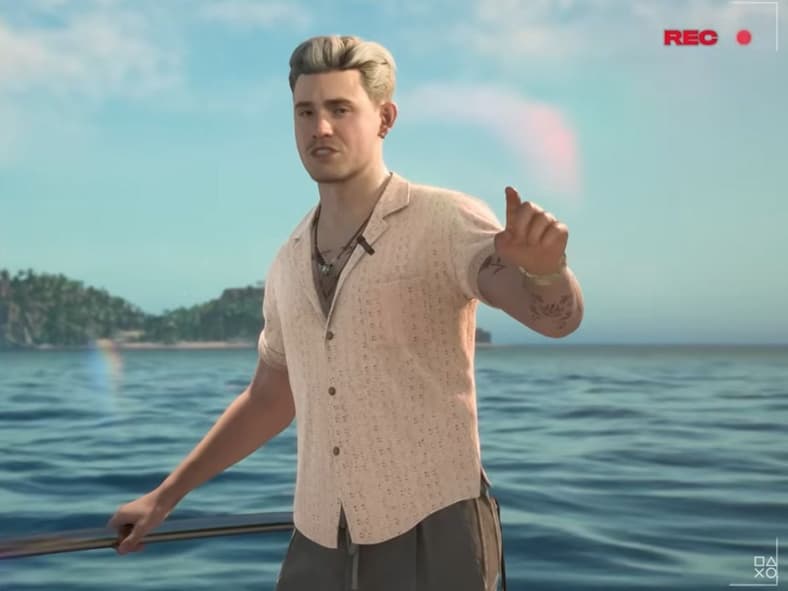
The developers have posed the ultimate question to prospective players: "Will you help them escape to tell the world their story, or will they become just another haunted legend, claimed by the island?" This framing suggests that the game will play with the concept of truth and media perception, potentially incorporating the "Dead True" camera equipment as a gameplay mechanic.
Implications for the Horror Genre
The announcement of Until Dawn 2 carries significant weight for the gaming industry at large. It signals that Sony is doubling down on high-budget, narrative-heavy single-player experiences—a segment of the market that has faced competition from live-service titles in recent years.
Furthermore, the choice to move away from Supermassive Games suggests a desire to diversify the development talent working on flagship horror titles. While Supermassive continues to dominate the horror market with their Dark Pictures series and Directive 8020, Firesprite’s involvement allows Sony to maintain internal control over the Until Dawn IP while applying the resources of a dedicated, large-scale studio.
For fans, the wait until 2027 will be long. However, the pivot to a tropical setting and a modern, influencer-centric premise suggests a willingness to evolve. The horror genre often suffers when it remains stagnant, clinging to the same tropes for too long. By introducing a "fake horror" element that descends into "real horror," Until Dawn 2 is positioning itself to offer a meta-commentary on the nature of fear in the digital age.
Conclusion: A High-Stakes Gamble
The announcement of Until Dawn 2 is not just the reveal of a sequel; it is the rebirth of a legacy. Firesprite Games faces the unenviable task of living up to a cult classic that many consider the definitive interactive horror experience of the 2010s. By honoring the core mechanics of character survival and branching narratives while introducing a fresh, cynical perspective on modern fame, the studio is setting the stage for what could be one of the most significant releases of 2027.
As the industry looks toward the next generation of storytelling, all eyes will be on this tropical island. Whether the "Dead True" crew survives to see the morning sun or falls victim to the island’s ancient vengeance remains entirely in the hands of the players. One thing is certain: the stakes have never been higher, and for the fans of the original, the return to the world of Until Dawn is the most anticipated horror event on the horizon.









No comments yet. Be the first to join the conversation!