Reynand Wu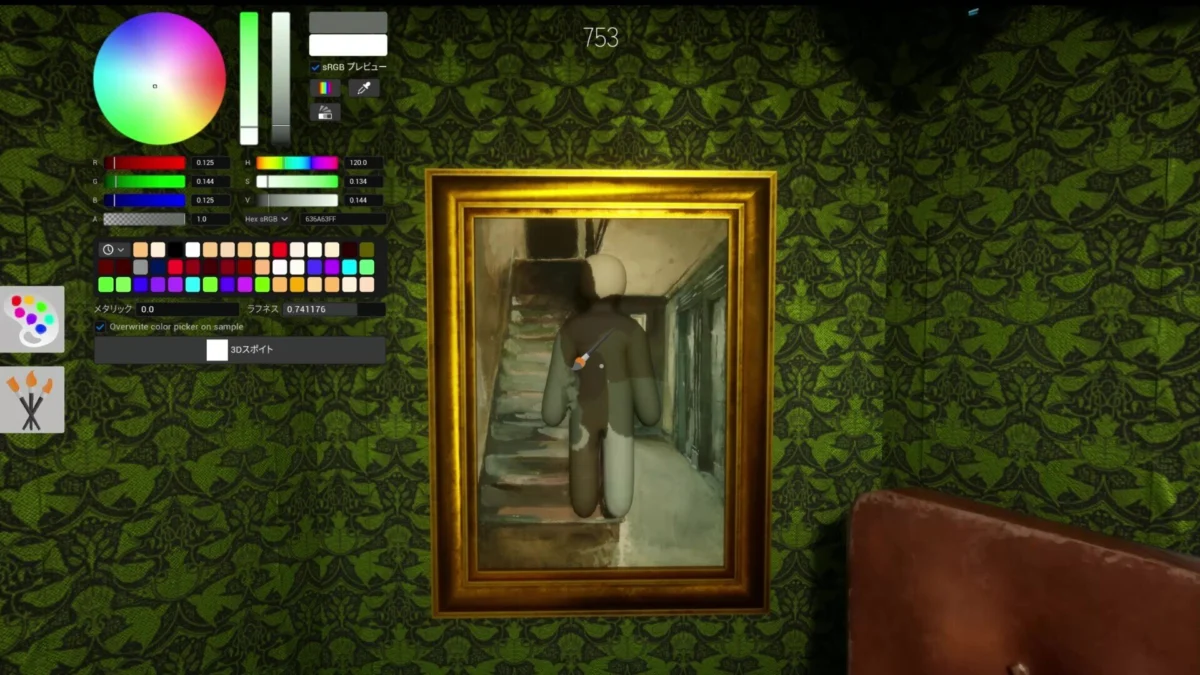
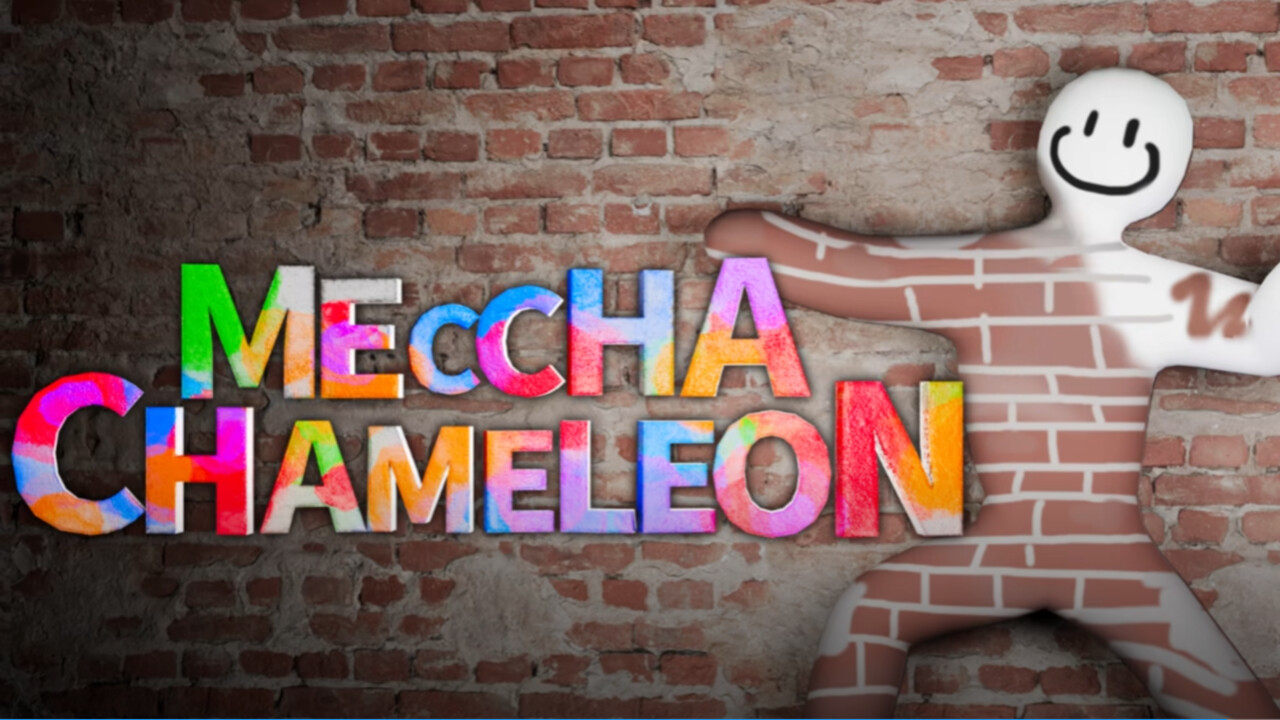
In the ever-evolving landscape of independent gaming, few titles manage to capture the public imagination with the sudden, explosive force of Meccha Chameleon. Developed by the independent creator known as "lemorion_1224," this deceptively simple title has transformed the age-old childhood pastime of hide-and-seek into a viral digital sensation. With a price point of just over €6, the game has defied conventional marketing wisdom, achieving an astonishing 10 million copies sold in less than two weeks—a feat that often eludes even the most heavily funded AAA studios.
Beyond the raw sales figures, Meccha Chameleon boasts over 28,000 "Very Positive" reviews on Steam, signaling that the title has struck a profound chord with a global audience. By blending high-level creative expression with the high-stakes tension of competitive social deduction, the game has become a staple of streaming platforms and friendship groups alike.
The Core Mechanic: Creativity as Survival
At its heart, Meccha Chameleon is a refined take on the "prop hunt" genre. In a typical session, two to ten players congregate on either private or public servers, splitting into two distinct teams: the Hiders and the Seekers. While the Seekers are tasked with identifying and eliminating the Hiders within a strictly enforced time limit, the Hiders are granted a set of tools that elevate the experience from simple hiding to a complex game of camouflage artistry.
The game’s primary differentiator is its robust paint and posture engine. Players are equipped with a virtual brush and a vast color palette, allowing them to meticulously texture their character models to blend seamlessly into the environment. This is not merely about finding a dark corner; it is about "becoming" the environment. By manipulating the character’s posture and applying textures that mirror their surroundings, players can stand in plain sight—effectively invisible to the untrained eye. This "open-sight stealth" creates a psychological game of cat-and-mouse that keeps both parties in a constant state of hyper-vigilance.
Chronology of an Indie Sensation
The trajectory of Meccha Chameleon is a case study in organic growth. Following its stealth release on Steam, the game experienced a slow initial burn typical of small indie projects. However, within 72 hours of launch, social media clips showcasing the game’s more creative hiding spots began to circulate.
- Days 1–3: Initial discovery by niche gaming communities and small-scale streamers.
- Days 4–7: The "viral tipping point." Video content featuring particularly ingenious camouflage strategies flooded TikTok and YouTube. The game’s player count began to double every 24 hours.
- Days 8–10: Mainstream recognition. The title hit the Steam Global Top Sellers list, cementing its status as a commercial juggernaut.
- Day 14: With 10 million units sold, the developer transitioned into rapid-response mode, pushing out daily hotfixes to address stability and community feedback.
Supporting Data and Technical Architecture
Despite the game’s impressive scope, it is built upon the robust Unreal Engine 5. This choice of engine allows for high-fidelity lighting and texture rendering, which is essential for the game’s camouflage mechanics to function properly.
While the developer has not released official, exhaustive system requirements, the game is remarkably accessible. Early reports suggest that even mid-range hardware—specifically machines equipped with an Intel Core i5 processor—can handle the title with ease. This low barrier to entry has undoubtedly contributed to its rapid adoption rate across diverse hardware configurations.
However, the rapid success has brought technical friction. Players have reported intermittent issues with the server browser, which can make finding a specific lobby a frustrating endeavor. Furthermore, the game’s interface, while functional, has been described by critics as somewhat cumbersome, and the lack of rebindable keys has been a persistent point of contention for users who require specific accessibility setups.
The "Geni(t)ale" Factor: Community Creativity and Its Dark Side
The heart of Meccha Chameleon is undeniably its community. The creative ceiling is high, leading to hiding spots that are as ingenious as they are absurd. Players have been spotted disguised as everyday objects—bookshelves, toilet paper rolls, and cows—often placed in locations that defy expectation.
However, the game’s freedom of expression has a double-edged sword. Because players are given a digital canvas to paint their characters, some have utilized this tool to display offensive content, including radical political symbols. This has sparked a heated debate within the community regarding moderation. Steam’s review section has become a battlefield, with some users calling for stricter content filters, while others engage in toxic gatekeeping or personal attacks against those raising concerns.
The developer has remained largely silent on the specific issue of moderation, focusing instead on the technical infrastructure of the game. Industry experts suggest that as Meccha Chameleon grows, the implementation of a robust reporting system and automated content moderation tools will be essential to maintaining a healthy player base.
Official Responses and Future Roadmap
In response to the early criticism regarding UI and server stability, the team behind lemorion_1224 has been remarkably active. The game has received numerous patches in the last week alone, adding new maps and addressing performance hitches that occurred on certain hardware configurations.
Most importantly, a major content update is scheduled for this coming Friday. This update is expected to address:
- Server Browser Reliability: Enhancing the matchmaking architecture to prevent connection timeouts.
- UI/UX Overhaul: Streamlining the menu navigation and promising a roadmap for customizable keybindings.
- Expanded Cosmetic Options: Adding new textures and shapes to the creative toolkit.
The developer has encouraged the community to continue providing feedback through official channels, noting that the game’s evolution is directly tied to the "brilliant and sometimes chaotic" input of its players.
Implications for the Gaming Industry
The success of Meccha Chameleon serves as a stark reminder of the current state of the gaming industry. It highlights a growing appetite for "low-stakes, high-creativity" titles that prioritize social interaction over complex, pre-scripted narratives.
Furthermore, it challenges the industry’s reliance on massive marketing budgets. By empowering players to be the creators of their own viral moments, Meccha Chameleon has achieved more visibility in two weeks than many high-budget titles achieve in a year. The "Indie-Hit" model is clearly shifting toward titles that act as platforms for emergent gameplay rather than static products.
For developers, the lesson is clear: if you give players the right tools, they will not only play your game—they will define it. Whether Meccha Chameleon can maintain its momentum remains to be seen, but for now, it stands as a testament to the power of a simple, well-executed idea in a digital world starving for genuine, communal fun.
As the team prepares for its first major expansion, the gaming world will be watching closely. Will Meccha Chameleon be a fleeting trend, or will it join the ranks of titles like Among Us or Minecraft that redefine the social gaming landscape for years to come? Given the current trajectory, the latter seems entirely possible. For now, the best advice for any aspiring seeker is simple: keep your eyes open, and don’t trust the toilet paper roll.

 Asep Darmawan
 Jia Lissa