Neng Nana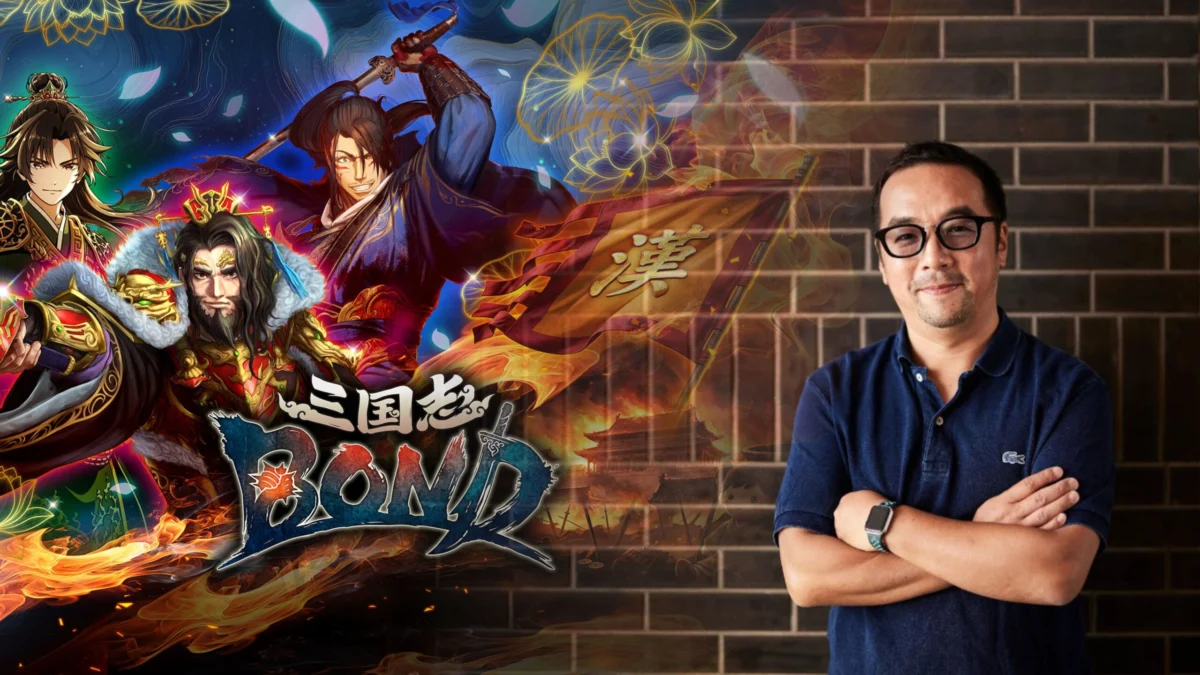
The Japanese arcade scene remains a vibrant, neon-soaked cornerstone of global gaming culture, even as the industry pivots toward mobile convenience and home console dominance. For those who frequent the legendary game centers of Tokyo or Osaka, two titles have long stood as titans of the floor: MaiMai, the iconic washing-machine-styled rhythm game, and Sangokushi Taisen, a masterful hybrid of real-time strategy (RTS) and physical trading card mechanics.
Behind these successes stood Yasuhiro “Nishi-P” Nishiyama, a veteran producer whose influence stretches from the adrenaline-pumping corridors of The House of the Dead 4 to the tactical complexity of the Sangokushi series. Having moved on from Sega, Nishiyama is now spearheading a new chapter in his career. His latest venture, Sangokushi BOND, aims to translate the high-stakes, rapid-fire intensity of the arcade experience onto the PC, effectively bringing a legendary franchise home.
The Evolution of a Strategy Titan: From Arcade Floor to PC
The transition from a physical, card-based arcade experience to a digital PC title is no small feat. Sangokushi Taisen relied heavily on the tactile sensation of moving physical cards across a playfield. To replicate that feeling, Nishiyama’s team at "Get Wrapped Up" has reimagined the core gameplay loop.
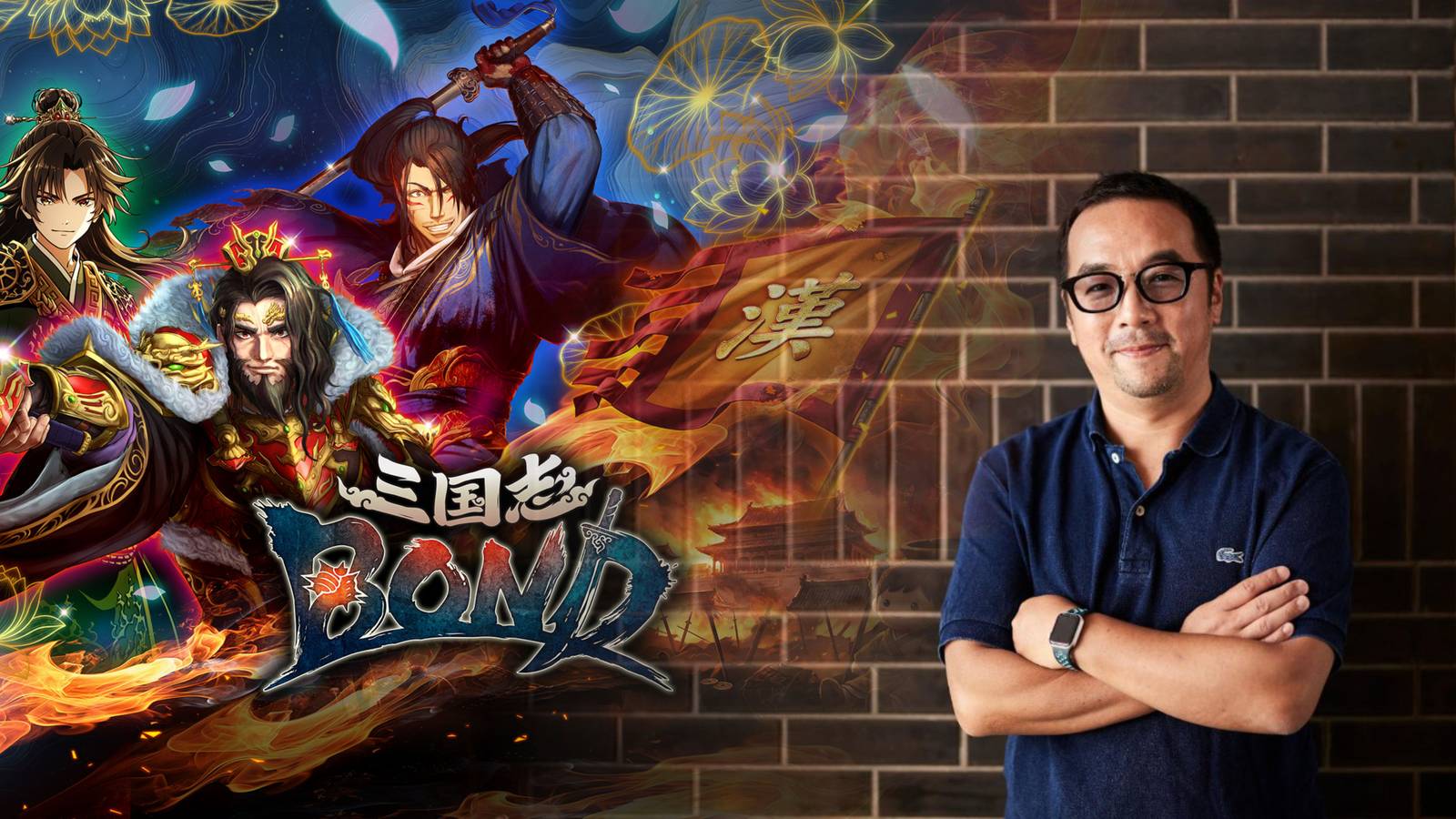
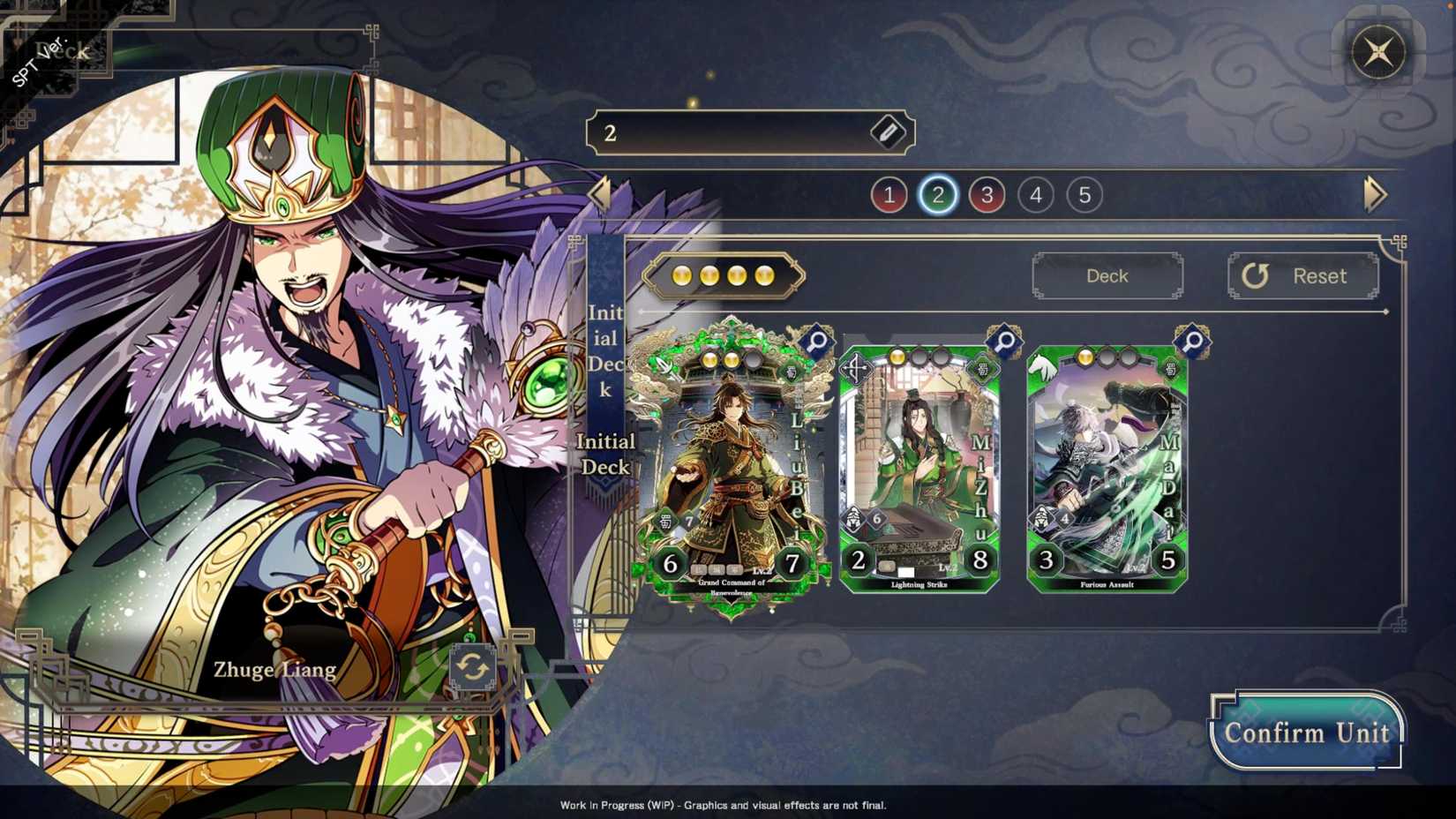
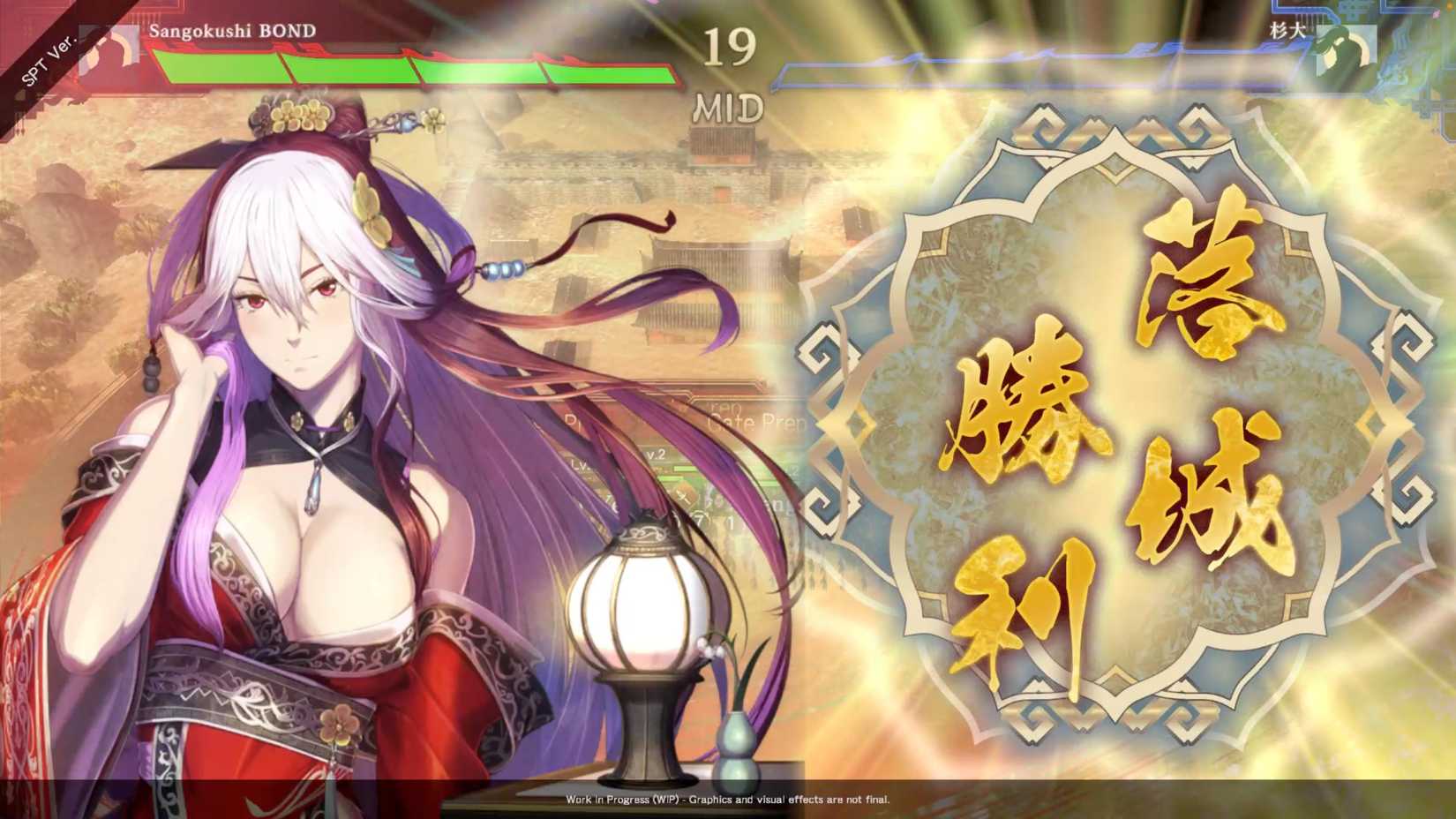
Sangokushi BOND is, at its heart, a tactical autobattler infused with deep roguelite and deck-building DNA. Players are tasked with managing a roster of over 100 legendary generals from the Romance of the Three Kingdoms era. Unlike the original arcade game, where players might hunt for physical rare cards, BOND integrates all units directly into the digital ecosystem. The game requires players to recruit units mid-run, forcing them to adapt to randomized pools of generals and build synergies on the fly.
Chronology of a Vision: Why Now?
The development of Sangokushi BOND is rooted in Nishiyama’s long-standing admiration for the grand strategy genre. Reflecting on his inspirations, Nishiyama cites giants like Civilization and Age of Empires.
“My original idea was to create a competitive game where players could experience that same excitement in about ten minutes,” Nishiyama explained. “As we kept removing unnecessary elements and reshaping the experience, Sangokushi BOND gradually took its current form.”

The project’s timeline saw a shift toward roguelite mechanics, not as a cynical grab for market trends, but as a natural evolution of the game’s competitive framework. The team realized that the unpredictability of roguelites—where every run offers a different hand of generals—complemented the strategic depth of the Three Kingdoms setting perfectly.
Supporting Data and Strategic Pillars
What distinguishes Sangokushi BOND from the glut of strategy titles currently flooding the market? The answer lies in the developer’s philosophy of the "30:70 balance."
Balancing Luck and Skill
Nishiyama is firm on the desired player experience: a 70% reliance on player skill and strategic preparation, with 30% left to the chaotic variance of RNG.
- The Skill Component: For Nishiyama, skill is not measured by APM (actions per minute) or twitch reflexes. Instead, it is defined by a player’s depth of study—understanding the unique synergies between generals, identifying battlefield threats, and making high-level tactical decisions under pressure.
- The Luck Component: By utilizing roguelite systems, the game prevents stale "solved" metas. Players start with a minimal deck and must adapt to the units provided by the game, ensuring that no two campaigns follow the same path.
The Rock-Paper-Scissors Foundation
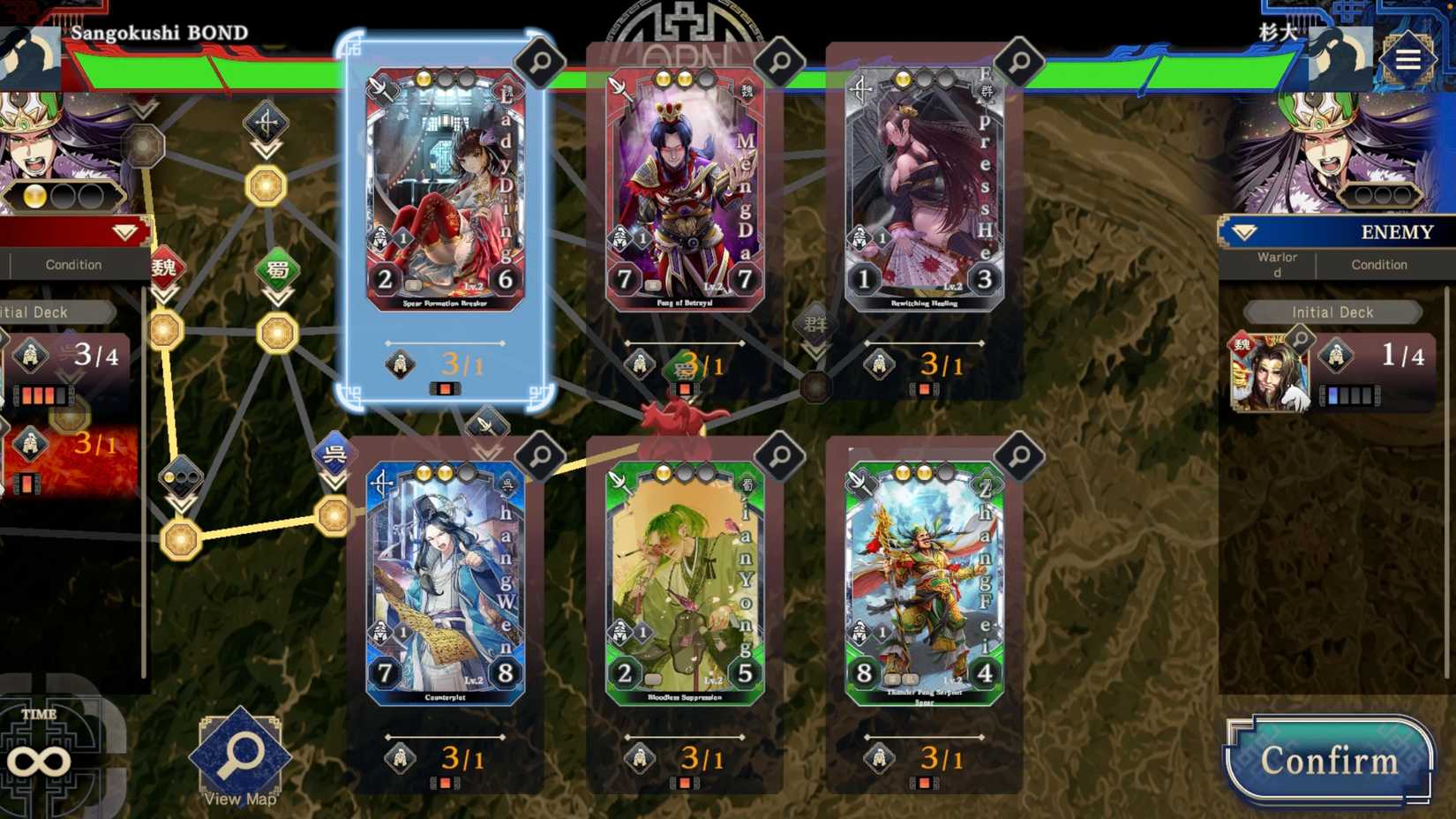
The combat system rests on a fundamental, time-tested triangle: Cavalry, Archers, and Spears. This three-way relationship acts as the anchor for all tactical maneuvers. By keeping this system accessible yet robust, the developers ensure that even newcomers can grasp the basics, while veterans can exploit the nuances of unit placement and movement to secure victory.
Official Perspectives: Inside the Mind of Nishi-P
In our exclusive interview, Nishiyama highlighted the team’s commitment to avoiding the "meta-trap"—the phenomenon where one specific strategy becomes the only viable path to victory.
“Our development team is made up of veteran creators who have been working on this type of competitive strategy game for more than 20 years,” Nishiyama noted. “We are always conscious of balance tuning so that at least several core strategic directions can coexist. Our goal is to avoid a situation where one overwhelmingly dominant strategy becomes the only answer.”
Furthermore, the team is focusing on long-term engagement through a progression system that feels meaningful. Whether a player wins or loses a match, they earn resources to unlock new generals and expand their tactical toolkit. This ensures that the "roguelite" nature of the game serves as a ladder for player growth rather than a repetitive chore.
Implications for the Strategy Genre
The release of Sangokushi BOND carries significant implications for the strategy landscape. By combining the social, tournament-heavy culture of arcades with the accessibility of the PC platform, Get Wrapped Up is attempting to create a "living" game.
Community-Centric Development
Nishiyama is placing a heavy emphasis on community engagement. He envisions Discord as a space for "co-creation," where the developers and the player base can iterate on balance and features. This is a departure from traditional, top-down development cycles and speaks to the modern requirement for transparency in competitive gaming.
Expanding the "Bond"
Beyond the digital realm, the team plans to leverage its connections within the GENDA Group—which operates various arcade and entertainment venues in Japan—to bridge the gap between virtual competition and real-world gatherings. This could manifest as official tournaments or local meetups, fostering the kind of tight-knit, high-energy environment that defined the original Sangokushi Taisen era.
A New Frontier for Tactical Gaming
As we look at the current market, it is clear that Sangokushi BOND is not just trying to recreate a classic; it is attempting to distill the essence of what made the arcade era special and package it for the modern strategist.
The game’s focus on "army-based" combat rather than individual heroics allows players to feel the weight of their decisions. When you move a battalion of spears to intercept an enemy cavalry charge, it isn’t just a click—it’s an expression of your chosen strategy and an assertion of your identity as a commander.
For those who have spent years waiting for a worthy successor to the tactical depth of the Three Kingdoms strategy games, Sangokushi BOND offers a compelling, fresh alternative. It respects the past—honoring the legacy of the arcade—but looks firmly toward the future, embracing the procedural, high-stakes nature of modern roguelite design.
As the game nears its full release, the gaming community will be watching closely to see if Nishi-P’s vision of a 30:70 luck-to-skill ratio truly delivers the competitive depth he promises. If it succeeds, Sangokushi BOND may well define the next generation of digital warfare, proving that you don’t need a joystick and a coin slot to feel the thrill of the arcade.


 Asro
Asro
 Muslim