Jia Lissa
By Alfredo Federico Robelo | June 4, 2026
The 1980s are frequently remembered as the decade of excess, neon, and the birth of the modern blockbuster. Yet, if one year serves as the definitive anchor for the era’s cinematic identity, it is 1983. It was a year of profound transition for Hollywood, where the high-concept spectacle solidified its dominance, the "star vehicle" became a refined art form, and audiences demonstrated an insatiable appetite for everything from intergalactic warfare to gritty, street-level crime dramas.

As we look back at the 15 highest-grossing films of that year, we find a snapshot of a cultural landscape in flux. It was a time when the original Star Wars trilogy reached its monumental conclusion, when the Cold War paranoia fueled technological thrillers, and when the "Battle of the Bonds" proved that franchise viability could withstand even the most chaotic scheduling conflicts.
The Main Facts: A Year of Seismic Shifts
The 1983 box office landscape was characterized by a healthy mix of legacy sequels and fresh, genre-defining hits. The total revenue generated by the top tier of films highlighted a shift in marketing strategy; studios began to understand that the "event film" was no longer just a summer occurrence, but a year-round engine for revenue.

The year was defined by three distinct categories of success:
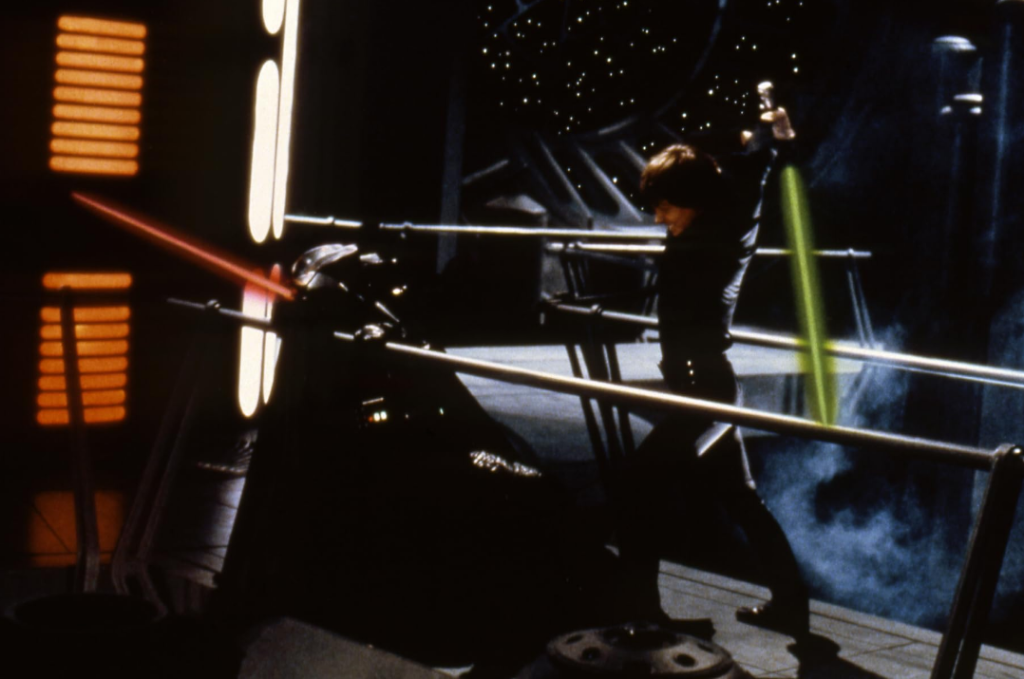
- The Culminating Epic: Return of the Jedi proved that audiences would wait years for a resolution to a beloved saga.
- The Star-Maker: Films like Risky Business and Trading Places showcased the rise of new A-list talent, effectively handing the torch from the 70s anti-heroes to the charismatic stars of the 80s.
- The Genre Experiment: From the 3D-heavy Jaws 3-D to the high-tech aerial combat of Blue Thunder, studios were increasingly willing to bet on high-concept gimmicks to drive ticket sales.
Chronology of Cinematic Triumphs
The release calendar for 1983 was a meticulously curated affair that allowed each major tentpole to breathe.
- Spring/Summer Domination: The year kicked off with Flashdance in April, setting a trend for music-driven, fashion-forward storytelling. By May, the cultural zeitgeist was entirely consumed by the arrival of Return of the Jedi, which effectively "cleared the room" for other films, yet allowed counter-programming like WarGames to find its own dedicated audience in June.
- The Mid-Year Surge: The summer heat brought the arrival of Superman III and Octopussy, the latter engaging in a unique box office standoff with the non-official Bond film Never Say Never Again.
- The Fall/Winter Pivot: As the year wound down, the tone shifted from action-adventure to drama and character-driven comedy. Terms of Endearment and Scarface rounded out the year, proving that, even in a blockbuster-obsessed market, prestige dramas and visceral crime epics still commanded immense audience respect.
Supporting Data: The Powerhouses of 1983
The commercial performance of these 15 films serves as a testament to the diverse tastes of the 1983 moviegoer.
The Sci-Fi & Action Titans
- Star Wars: Episode VI – Return of the Jedi: The undeniable heavyweight champion of the year. It wasn’t just a movie; it was a global phenomenon that saw lines wrapping around city blocks.
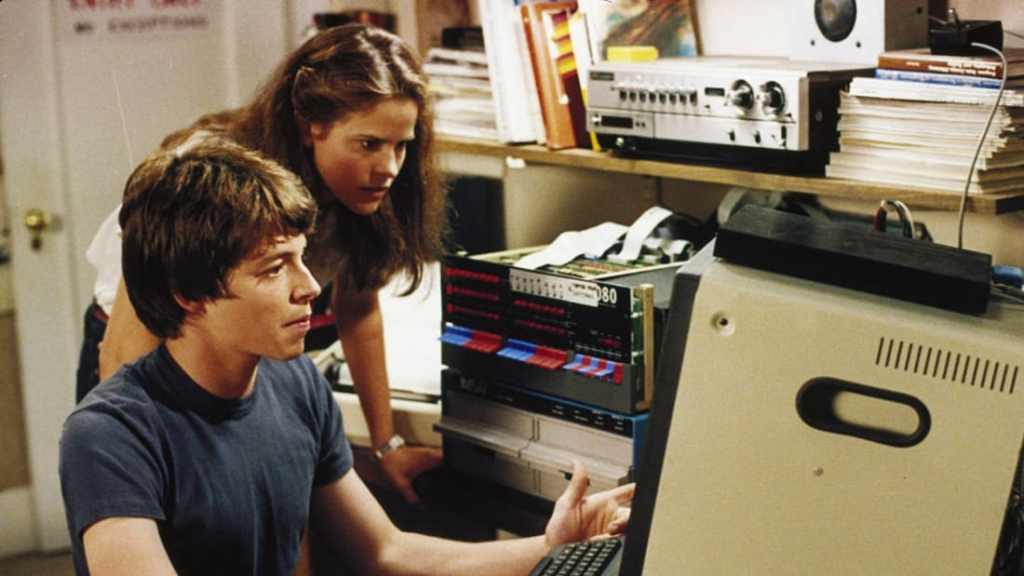
- WarGames: By tapping into the era’s fear of nuclear annihilation and the burgeoning home computer revolution, it managed to become a cultural touchstone that remains relevant in our modern digital age.
- Blue Thunder: Tapping into the fascination with military hardware, this film proved that a "gadget-heavy" thriller could hold its own against major franchises.
The Comedy & Character Dramas
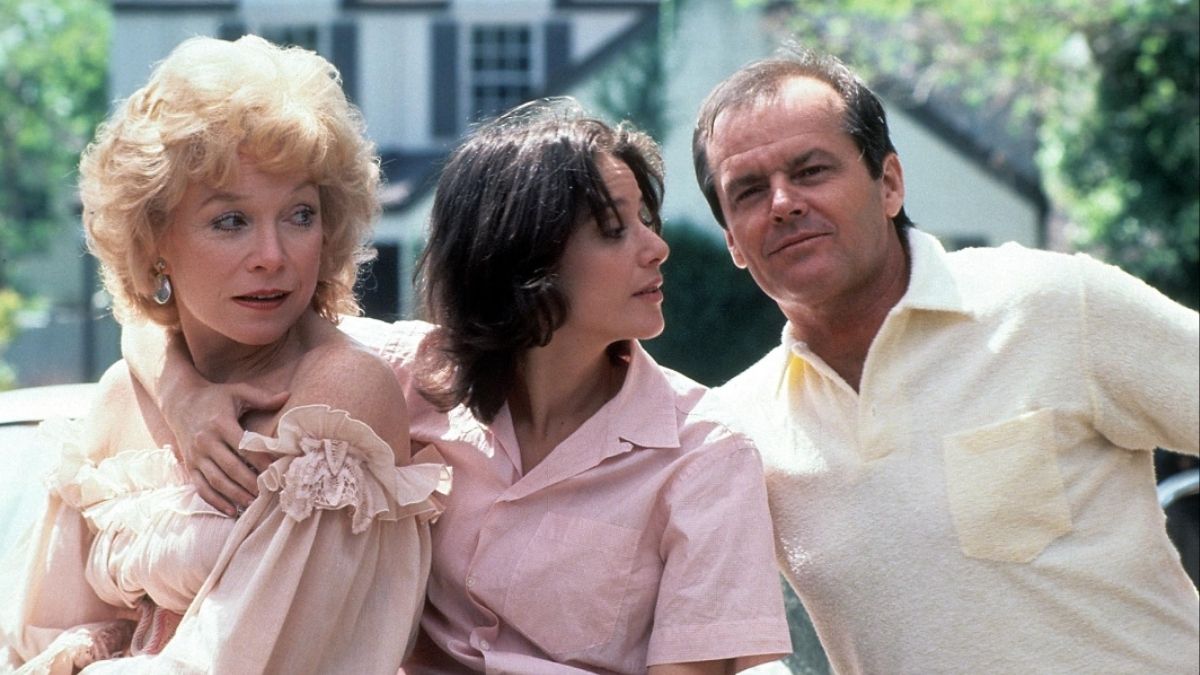
- Terms of Endearment: A masterclass in emotional storytelling. It defied the trend of spectacle, proving that an A-list cast—MacLaine, Winger, and Nicholson—could drive box office numbers through raw, heart-wrenching performances.
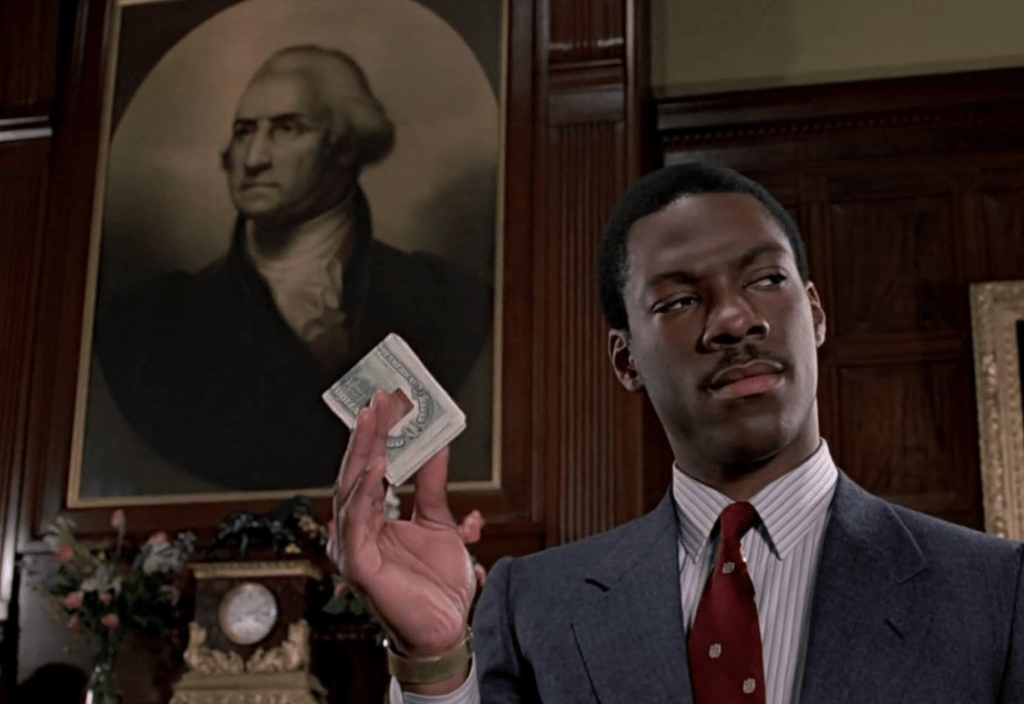
- Trading Places: This film is often cited as the definitive "fish out of water" comedy. Its success solidified Eddie Murphy’s transition from television star to global cinematic force.
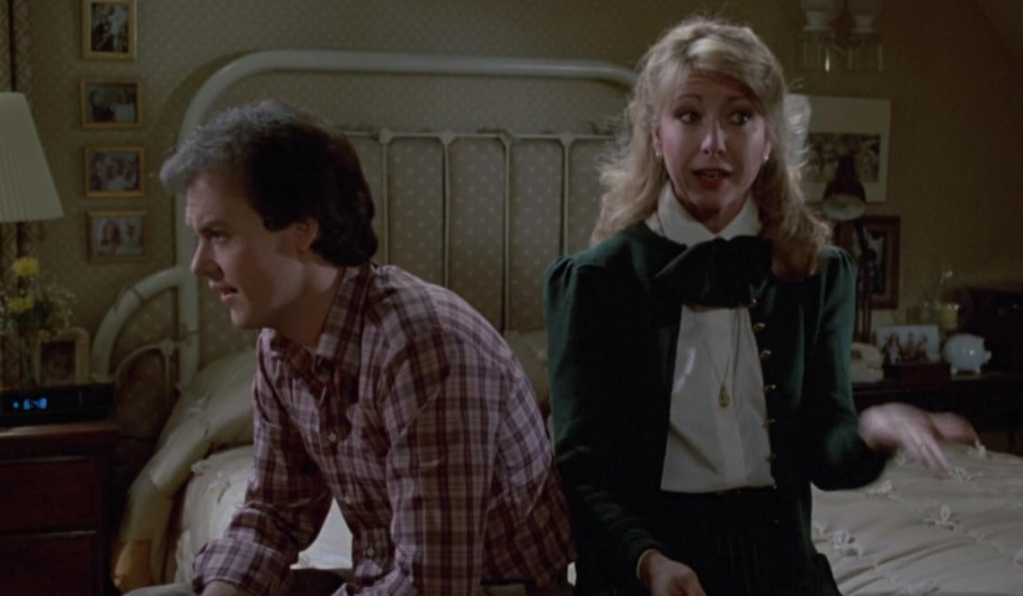
- Mr. Mom: By subverting traditional gender roles in the domestic sphere, Michael Keaton’s hit resonated with the changing social fabric of the early 80s.
- National Lampoon’s Vacation: This film launched the Griswold dynasty, effectively writing the blueprint for the "disastrous road trip" comedy subgenre.
The Icons & Franchises
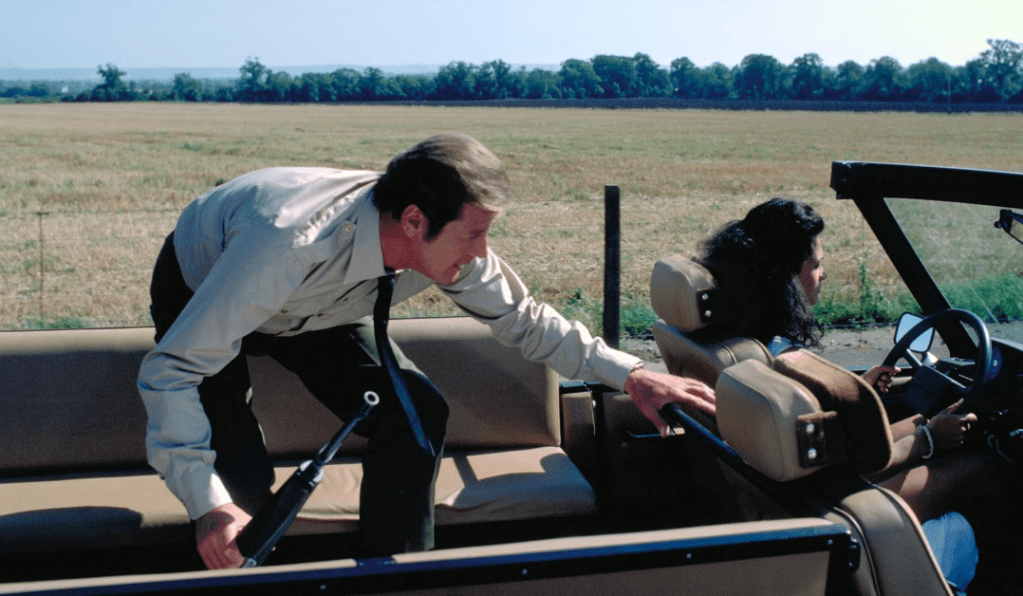
- Octopussy: Even with internal studio strife, Roger Moore’s performance ensured the Bond brand remained bulletproof.
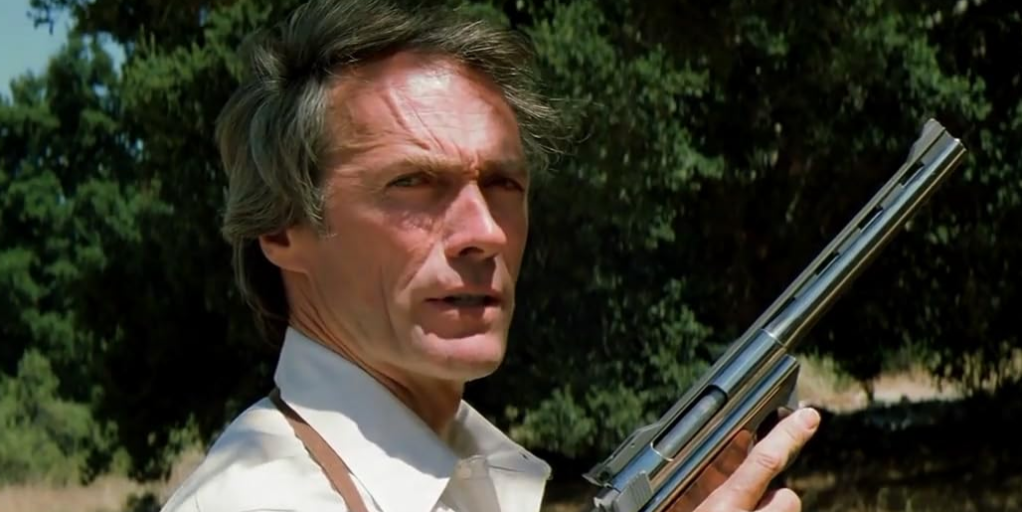
- Sudden Impact: The "Dirty Harry" franchise found new life in 1983, largely thanks to the iconic, oft-quoted dialogue that permeated pop culture.
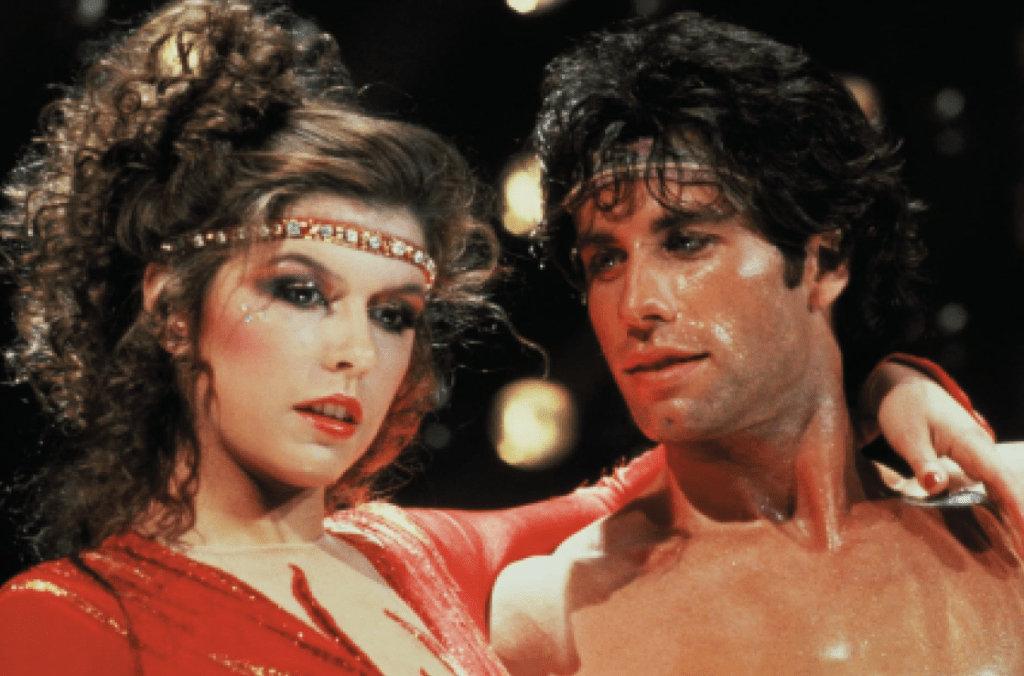
- Staying Alive: While critics were less than kind, the sheer draw of John Travolta and the Saturday Night Fever legacy ensured its place on the top-earner list.
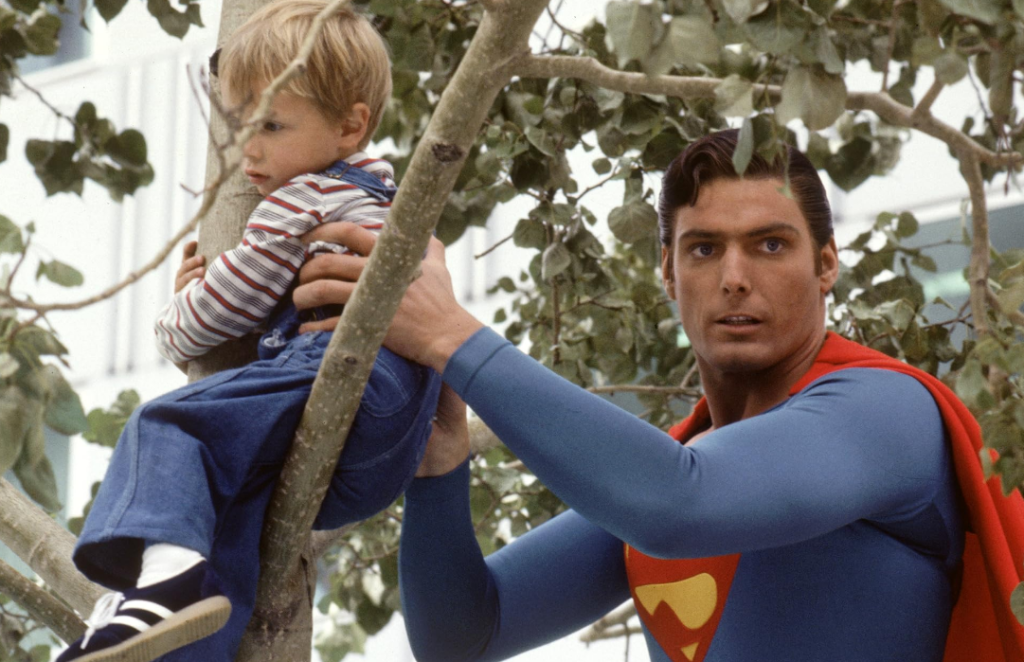
- Superman III: While it arguably took the franchise into a more experimental, perhaps uneven, direction, the enduring love for Christopher Reeve’s portrayal of the Man of Steel kept the box office numbers high.
- Jaws 3-D: A prime example of a studio leaning into the "gimmick" era of 3D, which, while critically maligned, served as a massive curiosity draw for theatergoers.
- Scarface: Though it had a slow burn, the film’s intensity and Al Pacino’s raw performance eventually cemented it as a cornerstone of crime cinema, proving that box office longevity is often about more than just opening weekend numbers.
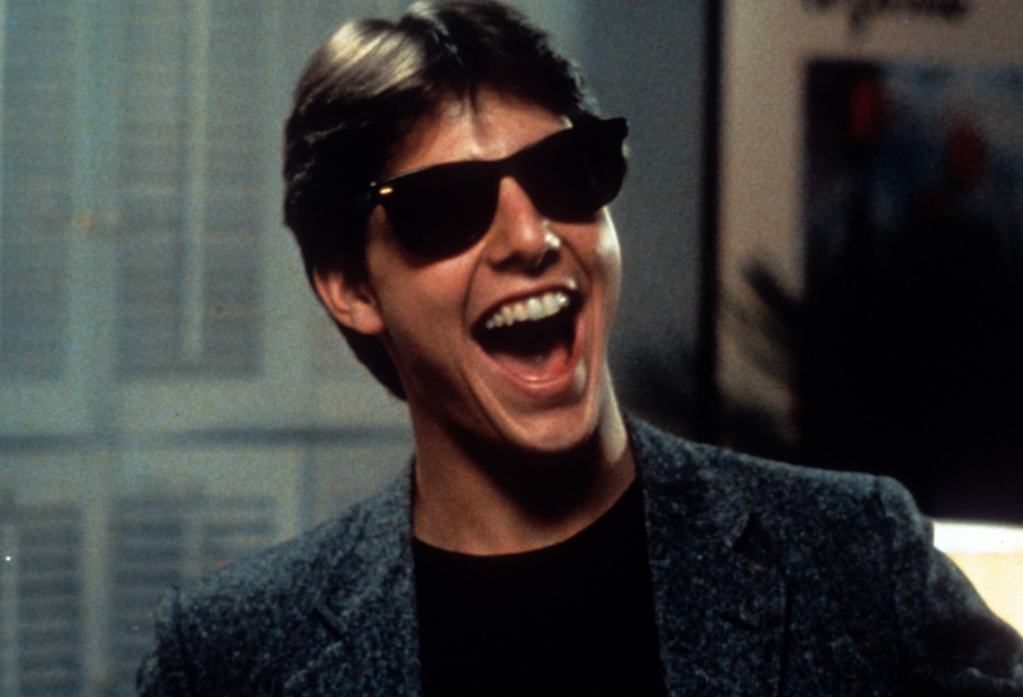
- Risky Business: Perhaps the most significant "career-making" film of the year. Tom Cruise’s performance in the iconic sunglasses and socks scene is perhaps the most enduring image of 1983 cinema.
Official Responses and Industry Reception
At the time, the industry was abuzz with the implications of 1983’s successes. Studio executives were quoted in contemporary trade publications expressing relief that the "Summer Blockbuster" model—pioneered in the mid-70s—was not only sustainable but infinitely expandable.
The success of Terms of Endearment was particularly noted by industry analysts as a "counter-trend" to the heavy reliance on sequels. Executives at the time observed that while spectacle brought in the numbers, the ability to weave deep emotional arcs into a film remained a critical factor in long-term profitability. Furthermore, the "Battle of the Bonds" prompted a flurry of legal and marketing discussions regarding intellectual property rights, leading to stricter control over character usage in future film contracts.
Implications: The Legacy of 1983
Why does 1983 still matter in 2026? The implications of that year’s box office performance are profound.
First, it established the Franchise Era. We see the DNA of the modern Marvel or Fast & Furious universes in the way Return of the Jedi and Superman III were marketed and consumed. Second, it solidified the Star-Driven Marketing model. The rise of Eddie Murphy and Tom Cruise changed how studios sold movies; the actor became the logo, the brand, and the primary reason for a ticket purchase.
Finally, 1983 demonstrated the Resilience of Variety. Even as the blockbusters dominated, there was space for a dark, violent crime epic like Scarface to exist alongside the wholesome, family-friendly humor of Mr. Mom. It was a year where the market was wide enough to accommodate the full spectrum of the human experience.
As we analyze the data from over four decades ago, it becomes clear that 1983 was not just a year of high ticket sales; it was the year Hollywood learned how to speak the language of the global audience—a dialect of action, heart, humor, and, above all, the enduring magic of the big screen. The lessons learned in those theaters in 1983 continue to guide the cinematic strategies of our own time, proving that while technology changes, the fundamental desire for a great story remains the heartbeat of the industry.


 Sagoh
Sagoh
 Nana Wu