

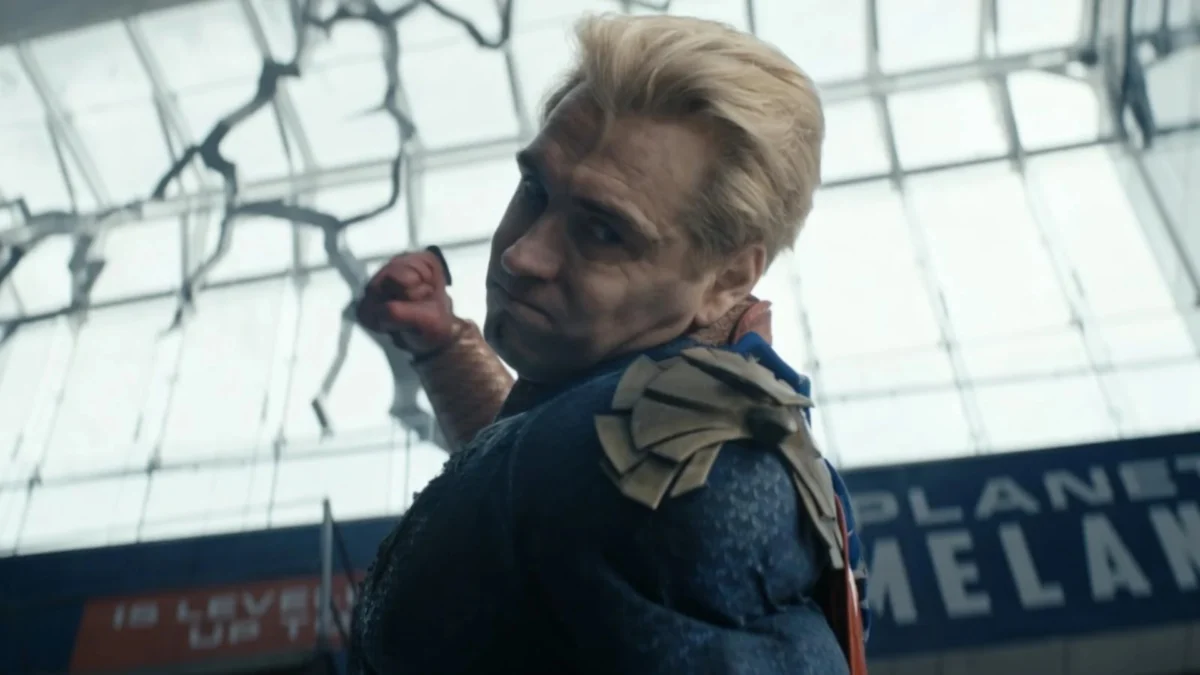
The conclusion of The Boys on Amazon Prime Video has left audiences grappling with more than just the final fate of Billy Butcher and his team. A cloud of lingering speculation surrounds the show’s primary antagonist, Homelander, and specifically, a promise made by actor Antony Starr during the pre-season press cycle. Throughout the promotion of the final season, Starr repeatedly teased that viewers were about to witness the most depraved and "fucked up" act of the character’s entire tenure.
Now that the credits have rolled on the final episode, the fandom finds itself in a state of collective confusion. What exactly was the moment that warranted such a severe warning, and did the series deliver on its promise of an unprecedented act of malice?
The Pre-Season Hype: Setting the Stage for Villainy
To understand the current discourse, one must look back at the statements made by Antony Starr in the months leading up to the Season 5 premiere. Speaking with Wired and later appearing on The Kelly Clarkson Show, Starr was deliberate in his choice of words. He bypassed the usual vague platitudes common in actor interviews, instead opting to frame the upcoming season as a descent into uncharted moral territory.
"I think the most f*ked up thing Homelander did is in season five, which I can’t spoil," Starr noted during his Wired appearance. His later comment on The Kelly Clarkson Show* was even more provocative: "The worst thing I have done is yet to come, and I can’t wait. If you think killing children is bad, just wait."
These statements served as a powerful marketing hook. For a show that has already featured mass murder, forced sexual assault, the psychological manipulation of children, and the casual slaughter of long-time allies, the bar for "the worst thing" was impossibly high. Fans were primed for a moment of such narrative extremity that it would redefine the legacy of the character.
A History of Atrocity: The Benchmark for "The Worst"
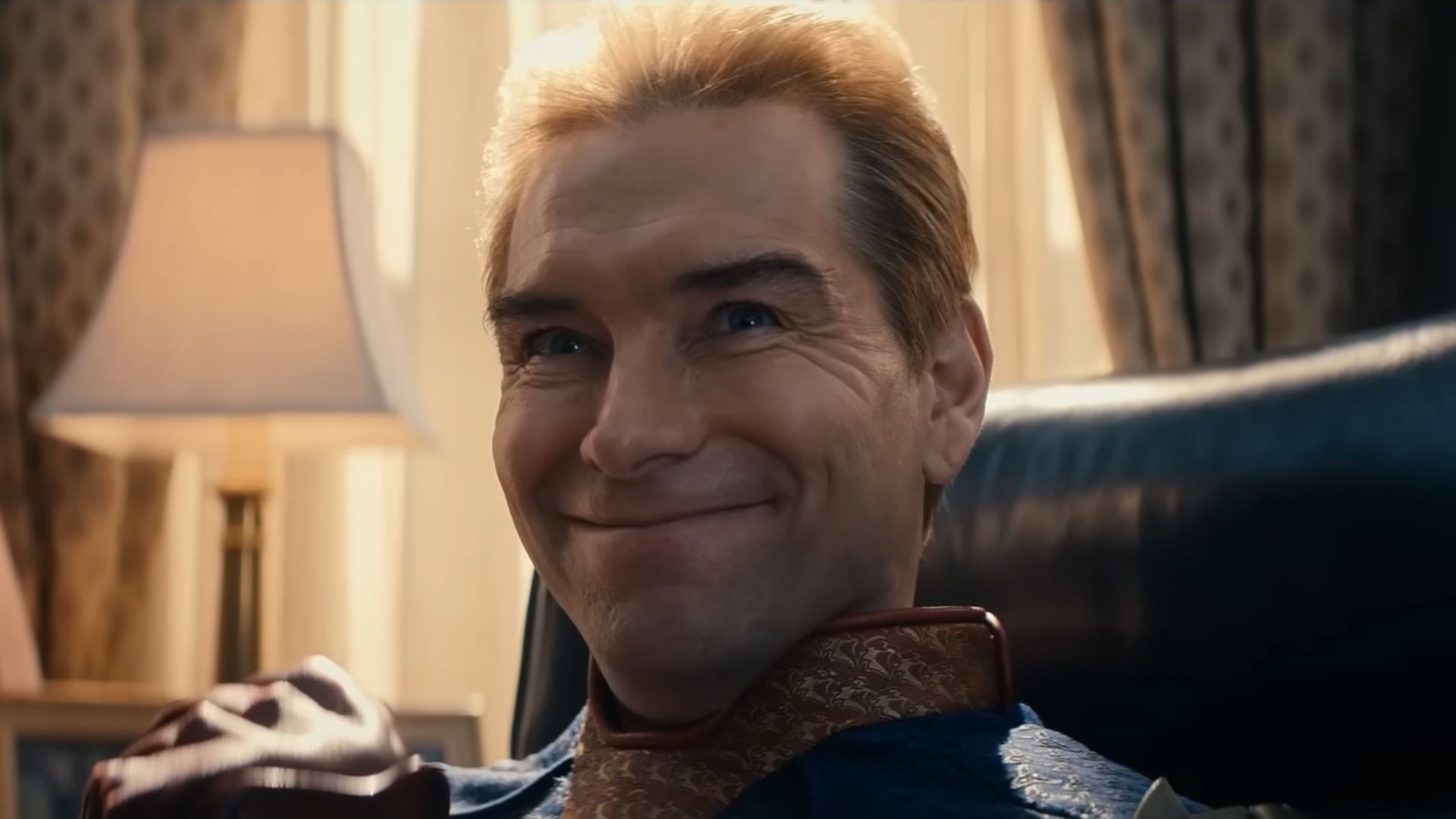
To contextualize why fans feel perplexed, one must acknowledge the established baseline of Homelander’s villainy. Across four seasons, the leader of The Seven has cemented his status as one of television’s most terrifying antagonists.
His history includes:
- The Flight 47 Incident: The cold-blooded decision to leave a plane full of civilians to die rather than risk his public reputation.
- The Murder of Black Noir: The execution of a loyal, albeit broken, colleague for a perceived slight.
- The Assault on Becca Butcher: The catalyst for the entire series, an act of violation that set Billy Butcher on his path of vengeance.
- The "Deep" Humiliation: The psychological and physical abuse of The Deep, forcing him into horrific acts that stripped him of his remaining humanity.
Given this track record, for Starr to claim that a new act would overshadow the death of children or the assault on Becca, the audience was expecting a moment of seismic impact.
The Timeline of Disappointment: Examining Potential Candidates
Following the season’s conclusion, social media platforms, particularly Reddit and X (formerly Twitter), became hubs for fan-led forensic analysis. Viewers have attempted to map Starr’s comments to specific plot points, leading to three primary theories regarding what the actor might have been referencing.
1. The Assault on Ryan
The most frequently cited moment occurs in Episode 3, where Homelander, in a fit of rage, violently assaults his biological son, Ryan. The brutality of the scene was undeniable, leaving the boy bloodied and unconscious. For many, this appeared to be the moment Starr teased. However, critics of this theory point out that while physically shocking, the act of a parent abusing a child—while horrific—felt like a continuation of Homelander’s established erratic behavior rather than a new "unprecedented" transgression. Furthermore, because Ryan survived, some fans felt the narrative impact was softened.
2. The Murder of Frenchie
In Episode 7, the death of Serge, better known as Frenchie, at the hands of Homelander served as a major plot beat. Yet, the show notably chose to keep the actual act off-screen, showing only the aftermath. Some speculate that the "most gruesome" act was indeed the murder of Frenchie, but that the graphic nature of the scene led to it being edited down for television standards or pacing requirements. If the scene was cut, it would explain the disconnect between the actor’s anticipation and the audience’s viewing experience.
3. The "God" Complex
A minority of fans have suggested that the "act" was not a singular moment of violence, but rather Homelander’s full-scale transition into a self-proclaimed deity, exerting his will over the nation to the point of absolute submission. They argue that the psychological erosion of the American public is a darker, more "gruesome" outcome than any singular physical act. This, however, remains a thematic interpretation rather than the visceral, shocking moment that Starr’s comments seemed to imply.
The Implications of Production and Narrative Choices
The discrepancy between the actor’s hype and the final product raises questions about the creative process. It is common for actors to be deeply attached to the work they produce, and what an actor finds "fucked up" during the production phase—perhaps due to the intensity of the filming, the prosthetics involved, or the emotional weight of the scene—may not always translate to the screen in the same way for an audience.
Furthermore, there is the persistent rumor of "lost footage." In the age of streaming, it is not uncommon for creators to shoot scenes that push the boundaries of television ratings, only to trim them back in the editing room. If the "most gruesome act" was a victim of the cutting room floor, it leaves the audience with a narrative vacuum—a promise of darkness that was never fully realized.
Official Silence and the Fan Response
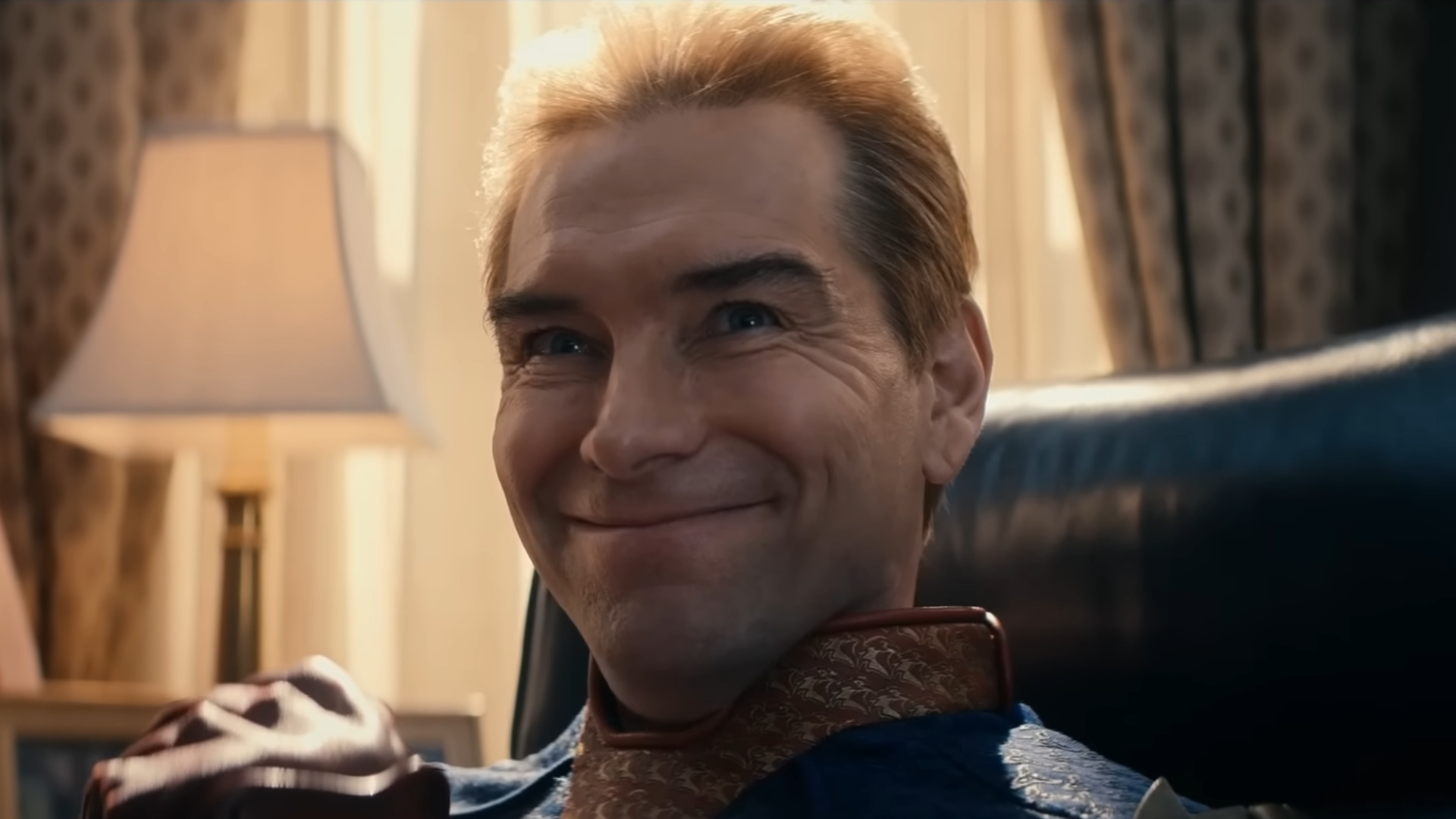
As of now, neither showrunner Eric Kripke nor Antony Starr has issued a follow-up statement clarifying which scene was being referenced. This silence has fueled further fan theories, with some even joking that the "most shocking act" was Homelander’s eventual submission to Billy Butcher, a character moment that subverted expectations entirely.
The fan sentiment is a mix of frustration and resignation. On Reddit, one user summarized the feeling well: "It feels like we were promised a turning point that never arrived. Whether it was cut or just misinterpreted by the audience, the payoff didn’t match the setup."
Conclusion: The Legacy of the Tease
The mystery of Homelander’s final act serves as a case study in the power and danger of actor-driven promotion. By setting such a high expectation, the production created a "what if" scenario that distracted from the actual narrative beats of the final season.
Whether the act was indeed the brutal beating of Ryan, a deleted sequence involving the death of a beloved character, or simply a miscommunication of intent, the end result is the same: the audience’s imagination was forced to fill the gap. In a show defined by its willingness to go to extremes, perhaps the most interesting aspect of the final season wasn’t a specific act of violence, but the way in which the myth of Homelander—both inside and outside the show—continued to grow, even as his story reached its inevitable, bloody end.
For now, the mystery remains, leaving The Boys fans to look back at the final chapter with a lingering sense of "what could have been."











No comments yet. Be the first to join the conversation!