Dwi Wanna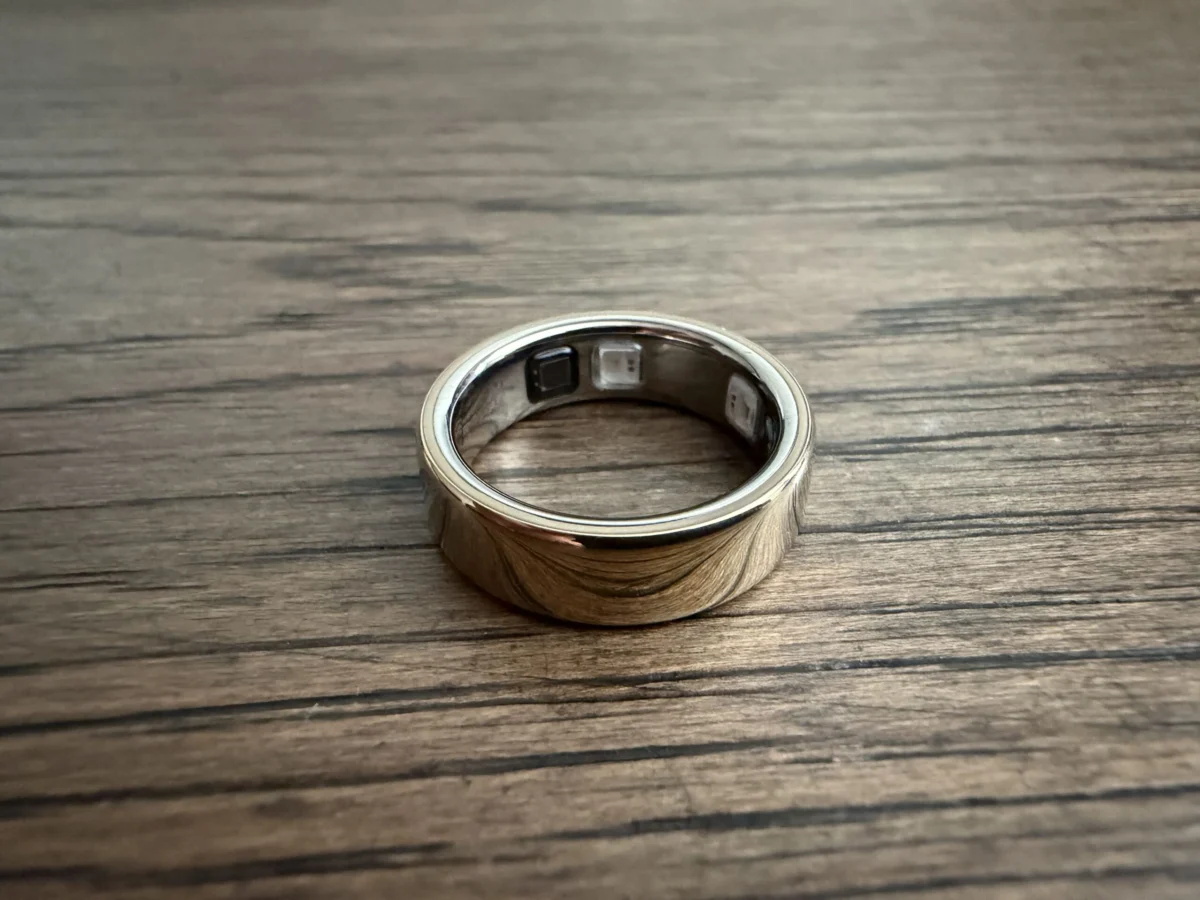
The landscape of wearable technology has long been dominated by the bulky, screen-heavy wrist computer. However, for the past several years, the smart ring has quietly emerged as the preferred choice for those who value health insights without the constant distraction of digital notifications. With the unveiling of the Oura Ring 5, the Finnish health-tech giant is doubling down on its commitment to stealth and comfort, delivering what it claims is the world’s smallest smart ring. This latest iteration represents a significant pivot in the company’s design philosophy, effectively bridging the gap between high-end jewelry and medical-grade biometric tracking.
The Physical Transformation: A Masterclass in Miniaturization
When the Oura Ring 5 first arrives in its compact box, the immediate impression is one of disbelief. The device is strikingly small. Having spent considerable time with the Oura Ring 4 Ceramic—which was lauded for its own sleek profile—the transition to the Ring 5 feels like a generational leap.
Oura has achieved a staggering 40% reduction in volume compared to its predecessor. In concrete terms, the Ring 5 measures a slender 6.09 mm in width, a notable decrease from the 7.90 mm width of the Ring 4. The thickness has similarly been shaved down, moving from 2.88 mm to a barely-there 2.28 mm. The weight reduction is equally impressive: while the Ring 4 ranged from 3.3 to 5.2 grams, the new Ring 5 sits between 2.0 and 2.69 grams, depending on the size.
These aren’t just aesthetic tweaks; they are functional improvements. For users who have previously avoided smart rings due to the "clunky" sensation of a tech-heavy band, the Ring 5 is a revelation. It sits flush on the finger, mimicking the weight and feel of a standard wedding band. During initial testing, the difference in "finger awareness" was palpable. Where the Ring 4 served as a constant, subtle reminder of its presence, the Ring 5 often vanishes entirely, making it an ideal companion for 24/7 wear—particularly during sleep, where comfort is paramount.
A Chronology of Oura’s Design Journey
The journey to the Ring 5 did not happen in a vacuum. To understand the significance of this launch, one must look at the trajectory of the smart ring market over the last few years.
- The Early Days (Gen 2-3): Oura established the category as a niche, high-performance tool for athletes and biohackers. These rings were functional but unmistakably "tech-heavy."
- The Aesthetic Pivot (Ring 4): Recognizing that mainstream adoption required fashion-forward design, Oura introduced the Ceramic line, focusing on durability and a more jewelry-like aesthetic.
- The Current Landscape (2026): Faced with increasing pressure from aggressive competitors like RingConn and Ultrahuman—who have been winning over users with lighter, subscription-free alternatives—Oura realized it needed to move faster.
- The Ring 5 Launch: Announced in May 2026, the Ring 5 is the culmination of years of R&D aimed at balancing the sensor density required for medical-grade accuracy with the form factor of a piece of fine jewelry.
Supporting Data: By the Numbers
The technical specifications of the Oura Ring 5 tell a story of refined engineering. Despite the smaller footprint, the battery life has seen a noticeable boost. The Ring 5 is rated for six to nine days of use, an improvement over the five-to-eight-day range of the Ring 4.

During our initial testing period, the device lived up to these claims. Charging is remarkably efficient; after a short 30-minute charge following the initial setup, the ring reached 75% capacity. Even after five days of continuous, active usage—tracking sleep, daily movement, and heart rate variability—the device remained at a respectable 25% battery.
However, this miniaturization has come with a trade-off in manufacturing complexity. The Ring 5 is currently available in sizes 6 through 13, a narrower range than the 4-to-15 range offered for the Ring 4. Oura executives have been transparent about this, noting that the ultra-compact form factor presents significant manufacturing challenges. By focusing on the most common sizes, they are ensuring quality control for the initial rollout while monitoring demand to see if a broader size range is viable in future production runs.
Official Responses and Strategic Vision
When asked about the impetus for this design shift, Oura representatives confirmed that user feedback was the primary driver. "Users have been asking for a thinner, more compact design," the company stated. "Our goal was to make the technology disappear."
Beyond pure design, the shift is a strategic response to a crowded marketplace. Oura acknowledges that while it leads the pack in clinical validation and data analysis, it can no longer rely on first-mover advantage. By slimming down the hardware, Oura is positioning itself to appeal to the "aesthetic-conscious" demographic—users who want the health data of a Fitbit but the style of a Cartier ring.
The company has also introduced a new Physical Vapor Deposition (PVD) coating process. This is a direct response to concerns about durability. While testing this is a long-term endeavor, early results are promising. Even after exposing the ring to potentially abrasive environments, the finish remained pristine, with minor surface marks easily wiped away. Oura is confident that this coating will ensure the ring maintains its "out-of-the-box" luster for years, not months.
Implications for the Future of Wearables
The Oura Ring 5 is more than just a hardware update; it represents a fundamental shift in how we perceive the "Quantified Self." By making the technology truly invisible, Oura is lowering the barrier to entry for health monitoring.

The Software Ecosystem
It is important to note that the Ring 5 does not stand alone. Oura is simultaneously rolling out a suite of software updates to its entire ecosystem, including the Gen3 and Ring 4. Features such as "Blood Pressure Signals" and "Nighttime Breathing" will be accessible to all users, reinforcing Oura’s commitment to its subscription-based software model. This creates a compelling value proposition: new users get the best hardware, while legacy users are not left behind.
The Verdict for Consumers
The decision to upgrade depends heavily on individual priorities:
- The New Buyer: If you have been on the fence about smart rings due to size or style, the Ring 5 is unequivocally the best starting point on the market.
- The Ring 4 User: If you are already satisfied with your current device, the upgrade is less urgent. The Ring 4 will receive the same software benefits, meaning the primary incentive to switch is the physical comfort and the new, improved finishes.
The Gold finish, which has been redesigned to remove the harsh yellow undertones of previous models, offers a truer, more sophisticated look. Available at a $499 price point—a $100 premium over the standard models—it is clearly targeting a luxury market.
Ultimately, the Oura Ring 5 succeeds because it solves the biggest problem with modern wearables: the feeling of being "tracked." By shrinking the hardware to the point of invisibility, Oura has managed to make health data feel like a background utility rather than a constant, physical burden. As competition heats up, Oura’s pivot toward elegance and comfort may well be the differentiator that keeps it at the top of the smart ring hierarchy.

 Siti Muinah
 Layla Zulfa