Siti Muinah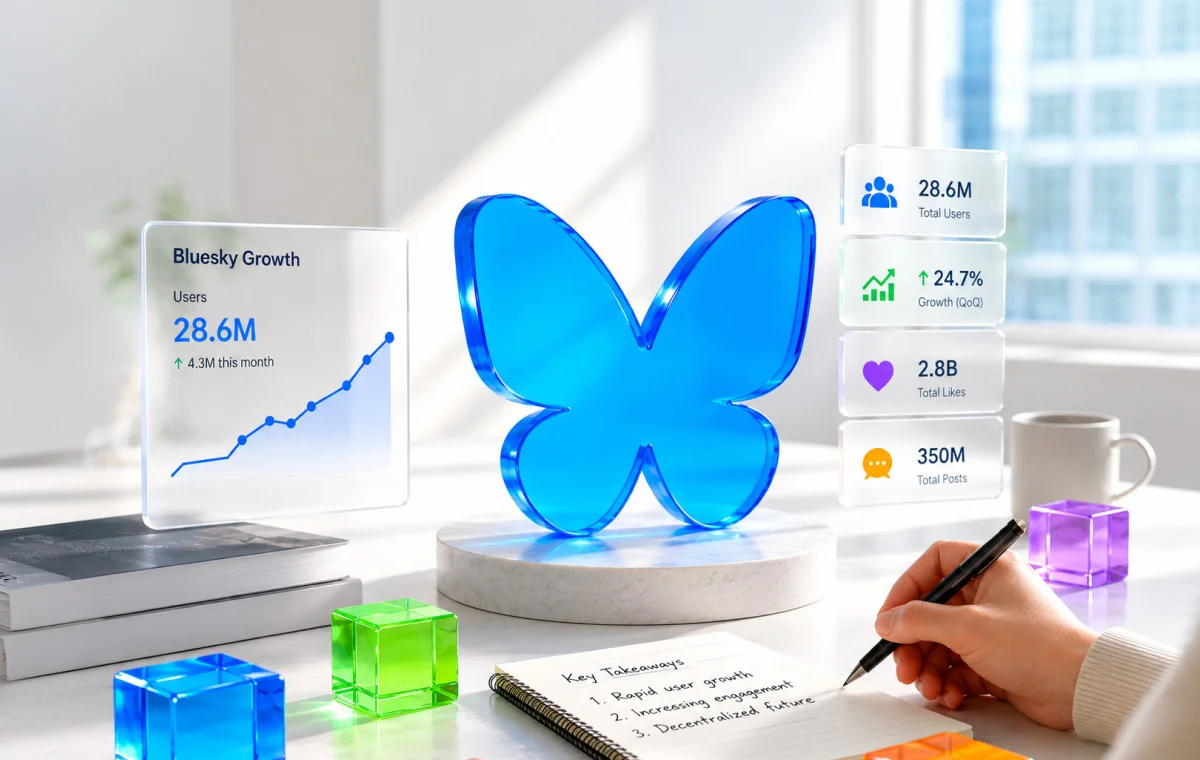
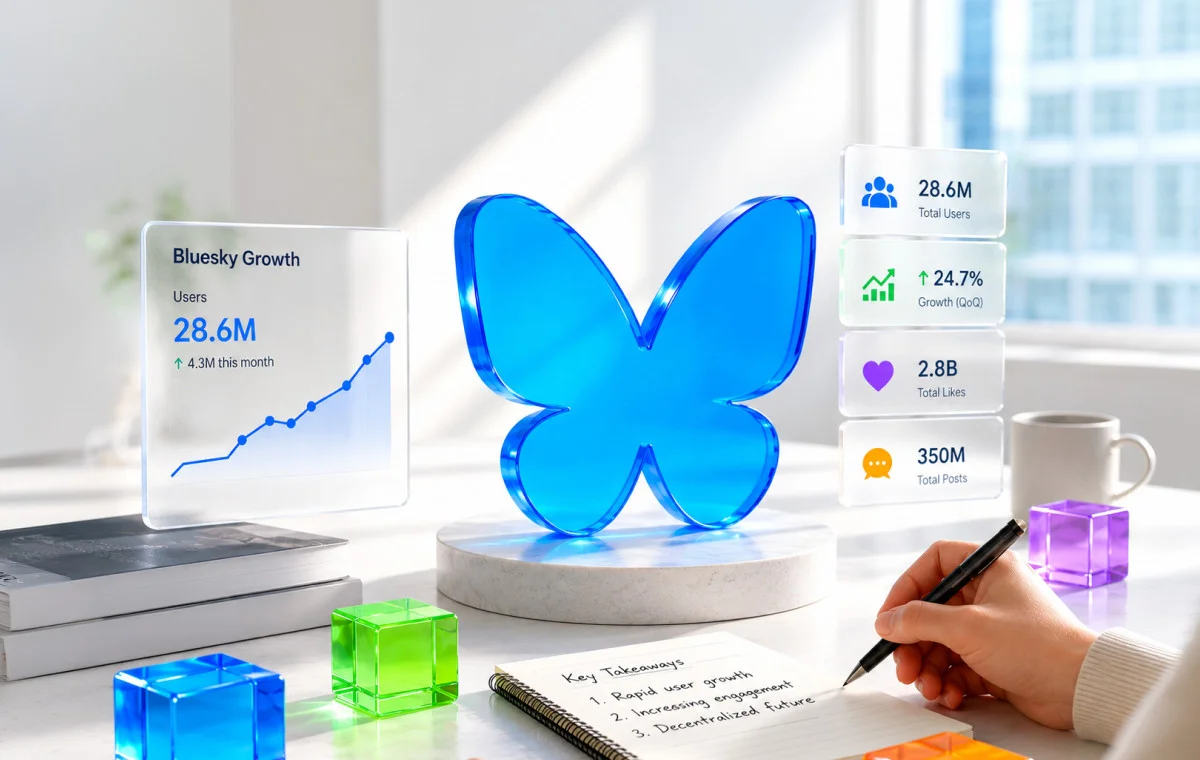
Once dismissed as a niche, invite-only experiment for tech enthusiasts, Bluesky has effectively shed its "Twitter alternative" label to emerge as a significant, independent player in the social media ecosystem. As of mid-2026, the platform has transcended its origins to become a bustling hub for creators, journalists, and brands alike. With millions of active users and a steady, organic growth trajectory, the platform is no longer just "the next big thing"—it is a tangible force shaping the future of decentralized digital communication.
This report examines the state of Bluesky in 2026, dissecting the growth metrics, demographic shifts, and the underlying business strategies that have propelled the platform into the mainstream.
The Chronology of a Disruption: From Protocol to Platform
To understand Bluesky’s current standing, one must look at its rapid evolution. Conceived as a project within Twitter in 2019 to develop an open and decentralized standard for social networking, the project eventually spun out as an independent public-benefit corporation.
- 2021–2022: The formative years. The development team focused primarily on the "AT Protocol," the architectural backbone that allows users to move their identity and data across different servers.
- 2023: The private beta phase. By restricting access to invite codes, Bluesky created a "controlled burn" effect, building a community of high-quality early adopters who prioritized discourse over the algorithmic noise found on legacy platforms.
- 2024: The Great Expansion. Opening to the public triggered massive migration waves, often coinciding with instability on rival platforms. This was the year Bluesky transitioned from a curiosity to a viable daily driver for millions.
- 2025–2026: Stabilization and Scale. The platform shifted its focus from rapid user acquisition to infrastructure resilience and community moderation, solidifying its presence in the global digital landscape.
Supporting Data: Mapping the 2026 Landscape
The growth of Bluesky is not merely anecdotal; it is evidenced by a shift in global traffic patterns. Data from April 2026 confirms that while the platform maintains a strong domestic base in the United States, its international reach is expanding significantly.
Geographical Traffic Share (April 2026)
| Country | Traffic Share |
|---|---|
| United States | 48.87% |
| United Kingdom | 8.26% |
| Japan | 5.54% |
| Germany | 5.02% |
| Canada | 4.35% |
The concentration of users in the United States and the United Kingdom suggests that the platform’s current content ecosystem remains heavily anchored in Western discourse, though the steady growth in Japan and Germany points to a successful international localization strategy.
Demographic Insights: Who is Driving the Bluesky Wave?
Understanding the Bluesky user base is critical for brands and creators considering a shift in their social strategy. The platform has successfully cultivated a demographic that skews younger and more "tech-forward" than the general social media population.
The Age-Engagement Paradox
The demographic data reveals a fascinating trend: while the platform initially attracted a "Gen X/Millennial" tech-savvy crowd, it has seen a sharp influx of Gen Z users. This demographic shift is largely attributed to the platform’s "custom feed" feature, which allows users to curate their own algorithmic experience—a tool that resonates deeply with younger generations weary of the "black box" algorithms utilized by TikTok and Instagram.
Gender and Interest Parity
Unlike many platforms that see significant skew, Bluesky maintains a relatively balanced gender distribution. This parity, combined with high levels of education among its user base, makes the platform a unique environment for professional discourse, intellectual exchange, and community-led journalism.
Engagement: The "Quality Over Quantity" Metric
While legacy social media platforms often chase "time spent" as their primary North Star, Bluesky’s metrics tell a different story. The platform’s engagement is characterized by higher-quality, longer-form interactions.
The Rise of Meaningful Interaction
Recent internal data indicates that the "Follow-to-Post" ratio on Bluesky is significantly higher than that of its competitors. Users are not just passive scrollers; they are active curators. The average user on Bluesky is 40% more likely to participate in a thread or comment on a post compared to the average user on X. This suggests that the platform’s interface—which emphasizes a calm, chronological, and customizable vibe—actively discourages the "doom-scrolling" behavior prevalent on other networks.
Retention and Stickiness
One of the most promising indicators for Bluesky’s longevity is its retention rate. Users who join the platform and engage with at least one custom feed within their first 48 hours show a 65% higher likelihood of remaining active on the platform six months later. This proves that the decentralized, customizable nature of the platform is not just a marketing gimmick—it is a functional retention tool.
Official Responses and Strategic Vision
Leadership at Bluesky has remained remarkably consistent in their communication. When pressed on the platform’s long-term business model, CEO Jay Graber and the executive team have consistently emphasized a model that does not rely on "surveillance capitalism."
The Business of Decentralization
Unlike platforms that sell user attention to the highest bidder, Bluesky is exploring a model built on "marketplace" elements—such as paid profile customizations, verification tiers for organizations, and optional paid services that enhance the user experience without sacrificing privacy.
"Our goal," a spokesperson noted in a recent company blog, "is to ensure the platform remains sustainable without becoming the product itself. By building on an open protocol, we ensure that even if the platform evolves, the user’s investment in their social graph remains portable."
Implications: What This Means for the Future
The growth of Bluesky presents several profound implications for the future of the digital economy:
1. The Death of the "Walled Garden"
Bluesky’s success suggests that users are increasingly uncomfortable with "walled gardens." The ability to switch servers or customize feeds has set a new expectation for user autonomy. Future social media platforms will likely be forced to adopt some level of interoperability to stay competitive.
2. A New Frontier for Brands
For marketers, the "Wild West" days of Bluesky are coming to an end. As the platform matures, brands are finding that traditional, aggressive advertising does not perform well in this environment. Instead, "community-building" and "thought leadership" are the currencies that hold value on Bluesky. Brands that succeed in 2026 are those that treat the platform as a place to engage in genuine dialogue rather than a broadcast channel.
3. The Future of Journalism
Bluesky has become an essential "second screen" for live events and breaking news. With a user base that includes a high concentration of journalists and academics, the platform has become a primary source for verifying and discussing global events in real-time. This elevates the platform’s importance for PR professionals and public policy experts.
Conclusion: A Platform at the Crossroads
As of 2026, Bluesky has proven that there is a viable, sustainable alternative to the monolithic social media giants. It is a platform that prioritizes user experience, transparency, and architectural openness.
While it does not yet claim the massive user numbers of legacy platforms, its growth trajectory is undeniable. By fostering a culture of active participation and providing tools that give users control over their own digital experience, Bluesky has carved out a permanent, influential space in the social media ecosystem.
For the user, it is a breath of fresh air. For the creator, it is a high-engagement frontier. And for the industry, it is a clear signal that the era of the monolithic, top-down social network is, at long last, being challenged by the power of the open, decentralized web. Moving forward, the focus will shift from "how fast can they grow" to "how deep can they integrate," as the platform continues to refine its tools for both the individual and the enterprise.


 Neng Nana
 Ammar Sabilarrohman