Asep Darmawan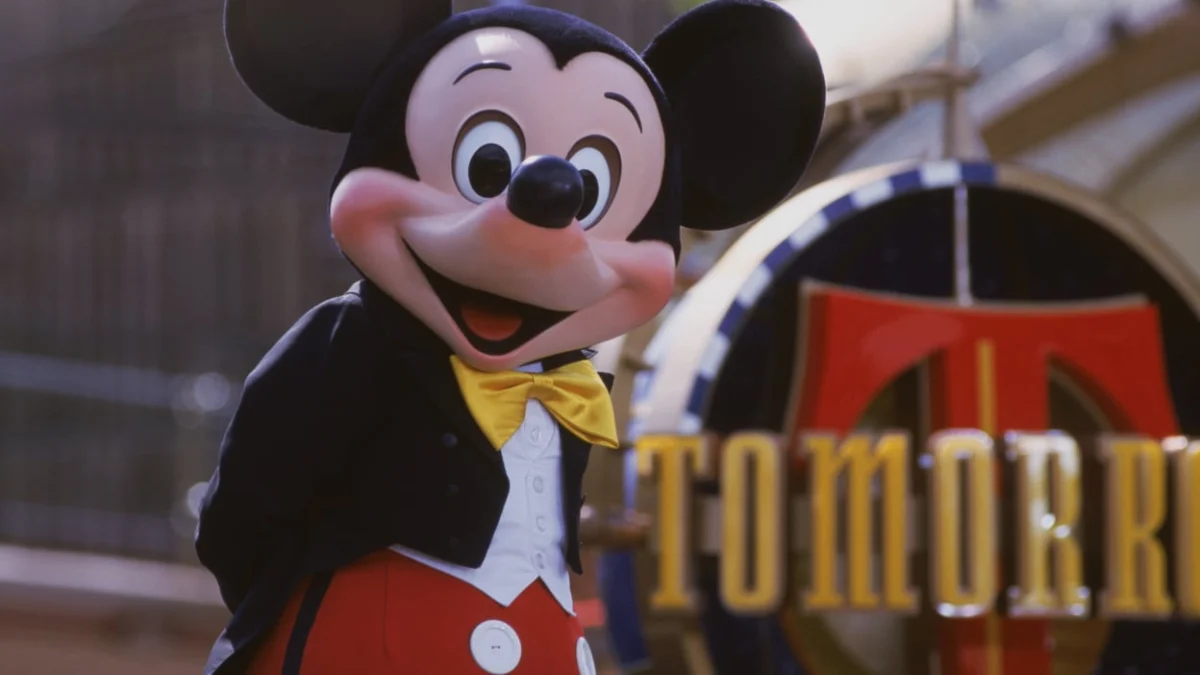
Women have long been conditioned to navigate public spaces with a heightened sense of caution: walking in well-lit areas, sharing live locations with friends, and maintaining situational awareness. However, a new, surreal piece of survival advice is making waves across social media platforms like LinkedIn and Threads: if you suspect someone is secretly recording you with Meta’s smart glasses, start playing Disney music.
The theory, colloquially dubbed "copyright hacking," relies on the automated content moderation systems of major social media platforms. The logic is simple yet desperate: if a user captures an interaction, the presence of copyrighted audio—specifically high-profile tracks from Disney’s extensive library—will trigger automated copyright filters on platforms like TikTok, Instagram, and YouTube. This, in theory, would lead to the video being muted, demonetized, or outright blocked before it can gain traction as "viral content."
While the advice sounds like a modern internet fable, it highlights a profound and uncomfortable reality: as technology makes the act of covert surveillance increasingly seamless, ordinary individuals are being forced to weaponize intellectual property law just to protect their own anonymity.
The Evolution of Covert Surveillance
The rise of the "manfluencer"—a subset of content creators who use wearable technology to record unsuspecting women in airports, gyms, and grocery stores—has transformed public spaces into potential content factories. These creators often film interactions where the subject believes they are engaging in a private conversation, only to find themselves turned into digital fodder for millions of viewers.
The technological catalyst for this trend, Meta’s Ray-Ban smart glasses, is designed to be unobtrusive. By blending the form factor of classic eyewear with high-definition recording capabilities, the devices have lowered the barrier to entry for invasive filming. For victims, the realization is often jarring.
"I didn’t consent to being secretly recorded, and I definitely didn’t consent to becoming content for millions of strangers," noted one victim, who goes by the online alias "Manic Muse," after finding herself the subject of a viral video despite her explicit requests for the footage not to be posted.

A Chronology of the "Copyright Hack"
The idea of using copyright as a shield is not new, nor is it exclusive to the victims of smart glasses. Before it became a tool for the public, it was a tactical maneuver used in confrontations between activists and law enforcement.
- February 2021 (Beverly Hills, CA): Activist Sennett Devermont, while livestreaming interactions with police, found officers playing songs by The Beatles and Sublime. The timing suggested a deliberate attempt to trigger Instagram’s copyright filters to end his broadcast.
- July 2021 (Oakland, CA): An Alameda County sheriff’s sergeant was caught on camera playing Taylor Swift’s "Blank Space" while interacting with activists. The officer candidly admitted the intent: "I just know it can’t be posted on YouTube."
- April 2022 (Santa Ana, CA): A police officer played a series of Disney tracks—including "You’ve Got a Friend in Me" and "We Don’t Talk About Bruno"—while investigating a stolen vehicle. The department later clarified that this was not authorized policy, but the act proved that the "Disney defense" had permeated law enforcement culture.
- July 2026 (Present Day): The tactic has moved from the realm of police-civilian friction into the hands of the general public, as the proliferation of smart glasses makes the threat of unauthorized filming a daily concern for women and retail workers alike.
Does the Disney Defense Actually Work?
Technically, the efficacy of the Disney defense is inconsistent at best. YouTube’s Content ID system is sophisticated, but it is primarily designed to protect revenue, not privacy. When a copyright claim is triggered, the platform’s algorithm generally defaults to monetization—meaning the video remains online, but the copyright holder (Disney) collects the advertising revenue.
For a creator looking to monetize a prank or a "pickup" video, losing that revenue might be a deterrent. However, for those seeking clout or engagement, the video could still remain live even if it is demonetized.
Furthermore, TikTok and other platforms often provide users with tools to strip out audio or replace it with a non-copyrighted track. If a savvy creator is determined to post their content, a little background music is unlikely to provide a permanent safeguard. The primary flaw, however, is practical: the victim must first know they are being recorded. Given the discreet nature of current smart glasses, many individuals remain unaware of their status as "content" until long after the footage has gone viral.
Corporate and Institutional Responses
Meta, the manufacturer of the glasses, has found itself in a precarious position. While they have implemented features like a small, white LED light to signal when the camera is active, critics argue these measures are insufficient. The existence of a secondary market for stickers designed to hide these lights—or even physical modifications performed in dozens of states—suggests that the company’s current privacy safeguards are easily bypassed.
In response to the mounting pressure, Instagram head Adam Mosseri recently announced that the platform would take a more aggressive stance, pledging to remove smart-glasses videos that feature exploitation or harassment. While this marks a significant shift in policy, it remains reactive. Moderation systems typically act only after a report has been filed, meaning the damage—public exposure, harassment, and the loss of privacy—has already occurred.

Legislative bodies are beginning to take note. In July 2026, New York implemented a ban on recording-enabled glasses within its state court system. While limited in scope, the move signals a growing awareness that wearable cameras present unique challenges that existing privacy laws were never designed to address.
Implications for the Future of Public Life
The emergence of the Disney defense is a symptom of a larger, systemic failure. When individuals feel the need to play "Encanto" soundtracks to protect their own likeness from being weaponized online, it indicates that the current social contract of public life has been fundamentally disrupted.
The reliance on these "hacks" underscores a power imbalance. Creators who use smart glasses to film strangers are essentially removing the agency of their subjects, turning public spaces into sets for their own personal dramas. For the victims, the options remain bleak: wait for a slow-moving moderation system to catch up, rely on the goodwill of the person recording them, or engage in a high-stakes, likely ineffective, game of musical copyright evasion.
As wearable technology continues to integrate into daily life, society is forced to confront a difficult question: how do we maintain a reasonable expectation of privacy when everyone is potentially a walking camera? Until technology companies, regulators, and social media platforms can provide a robust solution, the "Disney defense" will remain a sad testament to a world where our personal interactions are no longer our own.
For now, the internet’s advice serves as more than just a potential shield—it is a collective expression of exhaustion. It is a reminder that in the absence of institutional protection, people will continue to find whatever tools they can, no matter how illogical, to defend their right to exist in public without being turned into an algorithm’s next viral hit.

 Laily UPN
 Nana Wu